








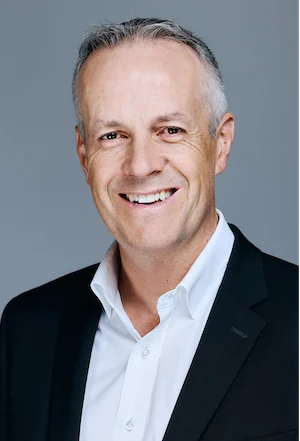
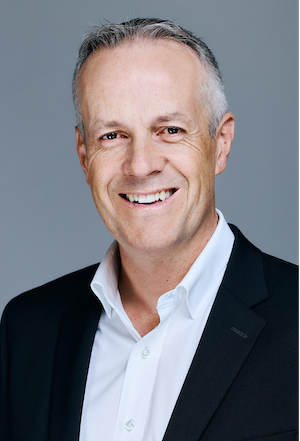
SYDNEY, Australia — In a strategic move designed to bridge the gap between primary agricultural production and high-end international consumer markets, the Board of Australian Wool Innovation (AWI) has officially announced the appointment of Bryan Fry as the organization’s next Chief Executive Officer. The appointment, effective immediately, marks a significant leadership transition for the world’s most recognized authority on wool, which manages the iconic Woolmark brand and oversees extensive research, development, and marketing initiatives on behalf of tens of thousands of Australian woolgrowers.
The decision follows an exhaustive international recruitment process led by the AWI Board, aimed at identifying a leader capable of navigating the increasingly complex intersection of global supply chains, sustainable fashion trends, and the domestic challenges facing Australian pastoralists. Fry succeeds John Roberts, who has led the organization since late 2021. The transition comes at a pivotal moment for the Australian wool industry as it seeks to capitalize on a global shift toward natural, biodegradable fibers in an era of heightened environmental scrutiny.
A Leadership Profile: Merging Agronomy with Global Brand Management
Bryan Fry enters the role of CEO with a professional pedigree that is uniquely suited to AWI’s dual mission of supporting on-farm productivity and driving off-farm demand. Most recently, Fry served as the Chairman and Global Chief Executive Officer of Pernod Ricard Winemakers. In that capacity, he was responsible for the global trajectory of some of the world’s most recognizable premium beverage brands, overseeing large-scale international operations across multiple continents and diverse regulatory environments.
However, it is the earlier stages of Fry’s career that provide the foundational knowledge necessary for leading a grower-owned organization. Trained as an agronomist, Fry possesses a deep-seated understanding of the technical and biological realities of farming. This rare combination of "boots-on-the-ground" agricultural expertise and executive-level experience in international marketing and commercial strategy was cited by the AWI Board as the primary catalyst for his selection.
AWI Chairman George Millington emphasized that this blend of skills is essential for the contemporary wool industry. "Bryan brings global leadership experience," Millington stated during the announcement. "His career is distinguished by a rare combination of hands-on agricultural experience as an agronomist alongside deep expertise in international marketing, brand development, and commercial strategy. This unique blend of skills positions him strongly to lead the research, development, and marketing organization for Australian woolgrowers."
The Legacy of John Roberts and the Transition Period
The appointment of Fry also marks the end of John Roberts’ tenure as CEO. Roberts, who took the helm in October 2021, is credited with stabilizing the organization during a period of global economic volatility and shifting trade dynamics. Under his leadership, AWI refocused its strategic priorities, emphasizing transparency with its levy-paying members and strengthening the technical performance of wool in the sports and outdoor wear sectors.
"I would also like to thank John Roberts for his outstanding leadership as CEO since October 2021," Millington noted. "During his tenure, John has delivered strategic focus and strong performance for the organization and industry alike. John will work closely with Bryan to ensure a thorough and seamless handover, supporting continuity and ongoing momentum."
This period of overlap is intended to ensure that major ongoing projects—ranging from genetic research and flystrike prevention to high-profile marketing campaigns in Europe and Asia—continue without interruption. The handover process is viewed as a critical component of maintaining the confidence of both the woolgrowers who fund the organization and the international partners who rely on the Woolmark brand for quality assurance.
The Strategic Importance of AWI and the Woolmark Brand
To understand the weight of Fry’s new role, one must consider the scale and influence of Australian Wool Innovation. AWI is a not-for-profit enterprise that invests in research, development, and marketing along the worldwide supply chain for Australian wool. It is funded primarily through a levy paid by woolgrowers and matching contributions from the Australian Government for R&D activities.
The organization’s most visible asset is the Woolmark logo. Created in 1964, the Woolmark brand is one of the world’s most recognized textile quality fibers. It serves as a certification mark, guaranteeing that the product is made from 100% pure new wool and meets strict performance standards. For a CEO, managing this brand involves a delicate balance of maintaining heritage while appealing to a modern, younger demographic that prioritizes sustainability and ethical sourcing.
Australia is the world’s leading producer of fine apparel wool, accounting for roughly 90% of the global supply used in high-end suiting and knitwear. Consequently, the leadership at AWI effectively steers the global narrative for the entire wool category. Fry’s experience at Pernod Ricard—where he managed "terroir-based" products that rely on a combination of agricultural excellence and luxury branding—is expected to translate directly to the wool industry’s efforts to "premiumize" the fiber.
Industry Context: Data and Market Dynamics
The wool industry that Fry inherits is currently navigating a landscape of both significant challenge and immense opportunity. According to industry data, the Australian wool clip contributes billions of dollars to the national economy annually. However, the sector has faced headwinds including fluctuating prices (measured by the Eastern Market Indicator), rising input costs for farmers, and intense competition from synthetic fibers derived from fossil fuels.
Key statistics highlighting the current state of the industry include:
- Production Volume: Australia continues to produce over 300 million kilograms of greasy wool annually, though volumes are sensitive to seasonal conditions and flock sizes.
- Export Markets: China remains the largest buyer of Australian greasy wool, processing approximately 75-80% of the clip, followed by traditional hubs like Italy and emerging markets like India and Vietnam.
- Sustainability Trends: Internal AWI research suggests that 60% of global consumers are now more likely to consider the environmental impact of their clothing purchases than they were five years ago, positioning wool—a natural, renewable, and biodegradable fiber—as a preferred choice.
Fry’s task will be to leverage these sustainability trends to increase the "value share" of wool in the global textile market. While wool accounts for only about 1% of the global fiber market by volume, it represents a significantly higher percentage by value. Maintaining this premium status requires constant innovation in wool processing and creative marketing that keeps the fiber relevant to Gen Z and Millennial consumers.
Chronology of Leadership and Organizational Evolution
The appointment of Bryan Fry is the latest chapter in AWI’s long history of leadership evolution:
- Late 1930s – 1990s: The precursors to AWI focused heavily on promotion through the International Wool Secretariat (IWS).
- 2001: Australian Wool Innovation was established as a separate entity following the privatization of wool research and promotion.
- 2010s: The organization expanded its digital footprint and intensified its focus on the "Woolmark Prize," a global award for emerging fashion designers.
- 2021: John Roberts is appointed CEO, focusing on operational efficiency and grower engagement following the challenges of the COVID-19 pandemic.
- March 2026: Bryan Fry is appointed, signaling a shift toward a "farm-to-fashion" integrated leadership approach.
Future Outlook and Strategic Implications
Industry analysts suggest that Fry’s appointment signals a "bold new era" for AWI. By selecting a leader with deep roots in the wine industry—another sector that relies on the prestige of "Origin Australia"—the Board is signaling its intent to market wool not just as a commodity, but as a luxury ingredient.
The implications for woolgrowers are twofold. On-farm, Fry’s background as an agronomist suggests a continued, if not increased, investment in R&D aimed at animal welfare, carbon sequestration, and drought resilience. Off-farm, his experience with Pernod Ricard suggests a sophisticated approach to global trade relations and consumer branding.
In his first official statement, Fry expressed a clear vision for the road ahead. “I am excited to join AWI and to help deliver better outcomes both on and off farm,” Fry said. “Australian wool is by far the best natural fibre in the world and I am looking forward to playing my part in securing an even brighter future for woolgrowers and the wider industry.”
Stakeholder reactions across the Australian "wool belt" have been cautiously optimistic. Representatives from various woolgrower advocacy groups have noted that Fry’s outsider perspective—tempered by his agricultural training—could provide the "fresh set of eyes" needed to tackle long-standing issues such as shearer shortages and the digital traceability of wool bales.
As Fry takes the reins, his immediate priorities will likely include a tour of major wool-growing regions to meet with the levy-payers who fund the organization, as well as meetings with key international textile partners in Biella, Italy, and various manufacturing hubs in Asia. The global fashion industry will be watching closely to see how the man who once led global wine giants will now cultivate the future of the world’s most famous natural fiber.
In an environment where "greenwashing" is under fire and consumers are demanding transparency, Fry’s leadership will be tested by his ability to prove that wool is not just a legacy fiber of the past, but the ultimate performance fiber of the future. With his background in agronomy and high-stakes international commerce, the AWI Board believes they have found the executive capable of weaving these two worlds together.