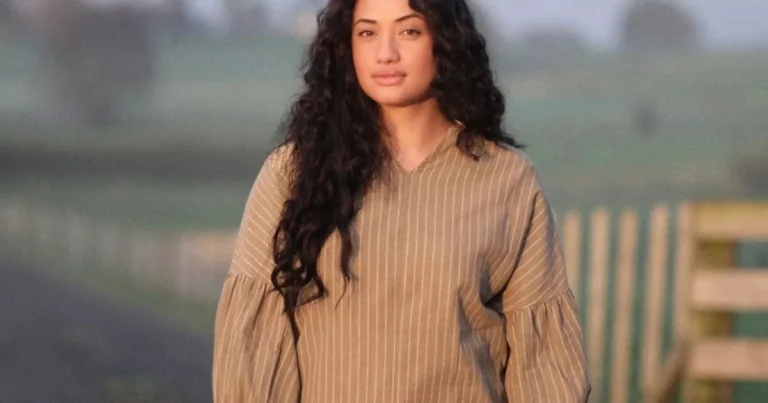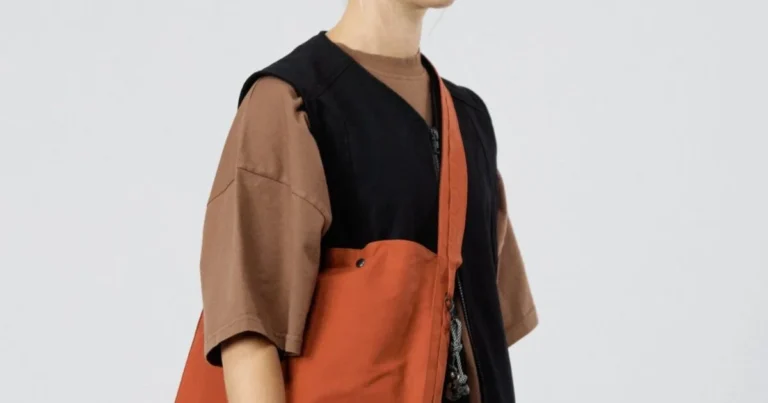











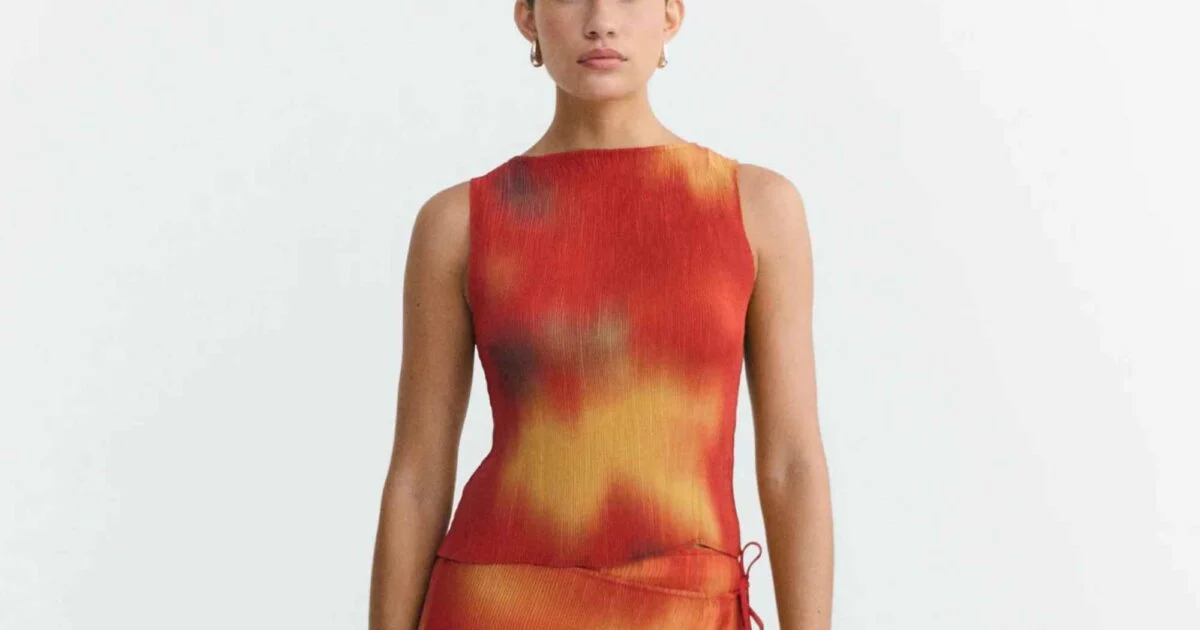
The global textile and apparel industry has long labored under a pervasive aesthetic myth: that sustainability is exclusively synonymous with muted palettes, monochromatic minimalism, and endless variations of beige, ecru, and greige. For decades, consumers seeking to align their wardrobes with their ecological values found themselves constrained by a monochromatic design philosophy. This design approach was born primarily out of the technical complexities, high water consumption, and chemical overhead associated with traditional and synthetic dyeing processes. However, a major paradigm shift is actively redefining the intersection of ethical production and chromatic expression. A new generation of independent designers, social enterprises, and established eco-labels are proving that environmental responsibility and high-impact color are not mutually exclusive.
This movement challenges the long-standing industry standard where sustainable fashion was often sidelined as a niche aesthetic preference for the understated. Today, a growing coalition of brands evaluated by independent ethical rating platforms are leveraging advanced textile recycling, closed-loop processing, natural dyes, and deadstock utilization to deliver collections that span the entire spectrum of the rainbow. By decoupling sustainability from aesthetic austerity, these labels are capturing a wider demographic of consumers who refuse to compromise personal style for planetary health.
The Evolution of Sustainable Dyes and Materials
The historical dominance of neutral tones in eco-conscious fashion was not merely a stylistic choice; it was deeply rooted in supply chain limitations. Conventional textile dyeing is one of the most chemically intensive and environmentally damaging phases of garment production. Traditional synthetic dyes often rely on petrochemicals, heavy metals, and toxic mordants that require vast quantities of water to fix into fabrics. Runoff from these dyeing facilities frequently contaminates local waterways in manufacturing hubs across South and East Asia, posing severe ecological and public health hazards.
Furthermore, processing raw, unbleached, or minimally treated organic cotton, linen, and hemp naturally yields neutral off-whites, tans, and browns. For early sustainable pioneers, avoiding the energy-intensive and chemically hazardous bleaching and dyeing stages was the most straightforward way to minimize a product’s carbon and chemical footprint.
As consumer demand for transparency accelerated alongside technological advancements in textile chemistry, the industry began to transform. Innovations in low-impact synthetic dyes—which require significantly less water, bind more efficiently to fibers, and eliminate harmful heavy metals—paved the way for rich, saturated colors. Simultaneously, designers began reviving ancient artisanal traditions of natural dyeing, utilizing agricultural byproducts, plant matter, and food industry waste to create vibrant palettes without compromising ecological integrity.
Global Pioneers of Vibrant Ethical Fashion
A comprehensive market review of top-rated ethical brands reveals a diverse global ecosystem of designers redefining color through sustainable methodologies. From North America to Europe, Asia, and Australia, these enterprises are demonstrating that localized production, circular design, and community empowerment can coexist with brilliant visual storytelling.
In the United States, brands like Printfresh have carved out a distinctive space in sleepwear and lifestyle apparel by combining vibrant, plant- and animal-inspired prints with inclusive sizing that ranges from 2XS to 6XL. Founded by textile designer Amy Voloshin and Leo Voloshin, the company operates as a majority woman-owned enterprise centered on joyful patterns and rich colorways. Similarly, 4kinship, helmed by Diné creative Amy Denet Deal, champions indigenous craftsmanship and community resilience through upcycled vintage garments and new handwoven pieces. Based in the American Southwest, 4kinship marries bold, multicolored aesthetics with direct support for grassroots initiatives like the Diné Skate Garden Project, fostering creative and healing spaces for Navajo youth.
International markets exhibit an equally robust commitment to chromatic sustainability. In the United Kingdom, OMNES has positioned itself as an accessible, responsible womenswear label offering high-quality garments in sizes 6 to 20, challenging the notion that ethical fashion must carry an exclusionary price tag. In India, brands such as Sui and The Summer House are translating the natural warmth of local landscapes into flowing silhouettes and sunset-inspired palettes. The Summer House collaborates extensively with regional artisans and non-governmental organizations to utilize lower-impact, locally sourced fabrics, preserving traditional craftsmanship while providing dignified employment. Meanwhile, I was a Sari transforms discarded traditional Indian saris and deadstock textiles into vibrant, contemporary global collections, effectively converting waste into high-end fashion.
Circular Economy and Upcycling as Design Catalysts
The push for vibrant, sustainable fashion extends far beyond apparel into accessories, footwear, and specialized outdoor wear, driven primarily by circular economy principles. Cairo-based social enterprise UpFuse operates on the ethos that "one person’s trash is another’s fabric," collaborating with female refugees from Syria, Ethiopia, and Sudan to transform discarded plastic and textile waste into colorful, durable accessories.
In the footwear sector, Italian brand ID.EIGHT—founded by industry veterans Dong Seon Lee and Giuliana Borzillo—produces refined sneakers crafted from lower-impact materials derived from food industry waste. By repurposing apple peels, grape stalks and seeds, and pineapple leaves alongside recycled cotton and polyester, the brand delivers footwear that combines structural longevity with modern color blocking.
In Japan, the denim specialist 9-jour addresses one of the most environmentally taxing segments of the apparel industry: jeans manufacturing. Traditional denim production is notoriously water-intensive and relies heavily on synthetic indigo and chemical washes to achieve fading and distressing effects. 9-jour counters this by producing selvedge denim dyed exclusively with low-impact natural solutions, manufacturing locally and strictly to order. This made-to-order business model drastically cuts down on overproduction, energy consumption, and deadstock waste compared to conventional fast-fashion supply chains.
The Role of Independent Ethical Ratings in Consumer Decisions
As the market for sustainable goods expands, consumers face an increasingly crowded landscape of corporate greenwashing. The proliferation of vague marketing terms—such as eco-friendly, green, and conscious—has created significant confusion among shoppers attempting to make genuinely responsible purchasing decisions.
To combat this opacity, independent assessment organizations like Good On You have emerged as critical arbiters of corporate accountability. Utilizing rigorous methodologies developed by multidisciplinary experts, these platforms aggregate transparent data across three core pillars: environmental impact, labor conditions, and animal welfare. Brands are evaluated on a standardized five-point scale, allowing consumers to easily identify enterprises that make verifiable contributions to sustainable development.
This curation model aligns with the broader cultural shift encapsulated by the "buy less, buy better" ethos. Rather than encouraging perpetual consumption, independent evaluators advocate for wardrobe longevity, secondary sourcing, mending, and investing in high-quality pieces from verified producers when new purchases are necessary.
Customization and Inclusivity as Pillars of Modern Sustainability
Another critical dimension of the evolving sustainable fashion landscape is the convergence of ecological responsibility with radical inclusivity and customization. Historically, sustainable fashion labels struggled with limited size ranges, often restricting their offerings to standard straight sizes. Today, leading brands are recognizing that true sustainability must account for human diversity and garment longevity through precise fit.
Australian label Flare Street captures the psychedelic aesthetic of the 1960s and 1970s with vintage-inspired prints and flared silhouettes while ensuring living wages in its final production stages and utilizing locally sourced factory deadstock. Similarly, SeamsFriendly offers an innovative approach to retail by allowing customers to customize garments to their exact bodily measurements across women’s, men’s, and children’s categories. By adjusting parameters such as neckline depth, sleeve length, and overall garment dimensions upon order, the brand minimizes unsold inventory while guaranteeing a garment tailored to last, significantly reducing the likelihood of textile disposal due to poor fit.
Implications for the Broader Apparel Industry
The accelerating consumer demand for colorful, ethically produced fashion signals a structural warning to conventional fast-fashion conglomerates. For decades, traditional retailers relied on rapid trend cycles, cheap synthetics, and aggressive pricing to drive volume, internalizing the environmental and social costs of production onto external ecosystems and marginalized labor forces.
As independent, highly rated sustainable brands prove that commercial viability can be achieved through transparent supply chains, fair labor practices, and lower-impact chemistry, consumer expectations are permanently shifting. Shoppers are increasingly unwilling to accept a trade-off between ethical integrity and aesthetic joy.
The widespread adoption of circular design principles—such as closed-loop recycling, deadstock repurposing, and made-to-order manufacturing—demonstrates that the future of fashion lies in decoupling creative expression from ecological degradation. Whether through the bold prints of independent design houses, the innovative material science of food-waste footwear, or the precision of custom-tailored garments, the global transition toward vibrant, responsible fashion is no longer an idealistic aspiration. It has established itself as a rapidly maturing commercial reality reshaping the global textile economy.