








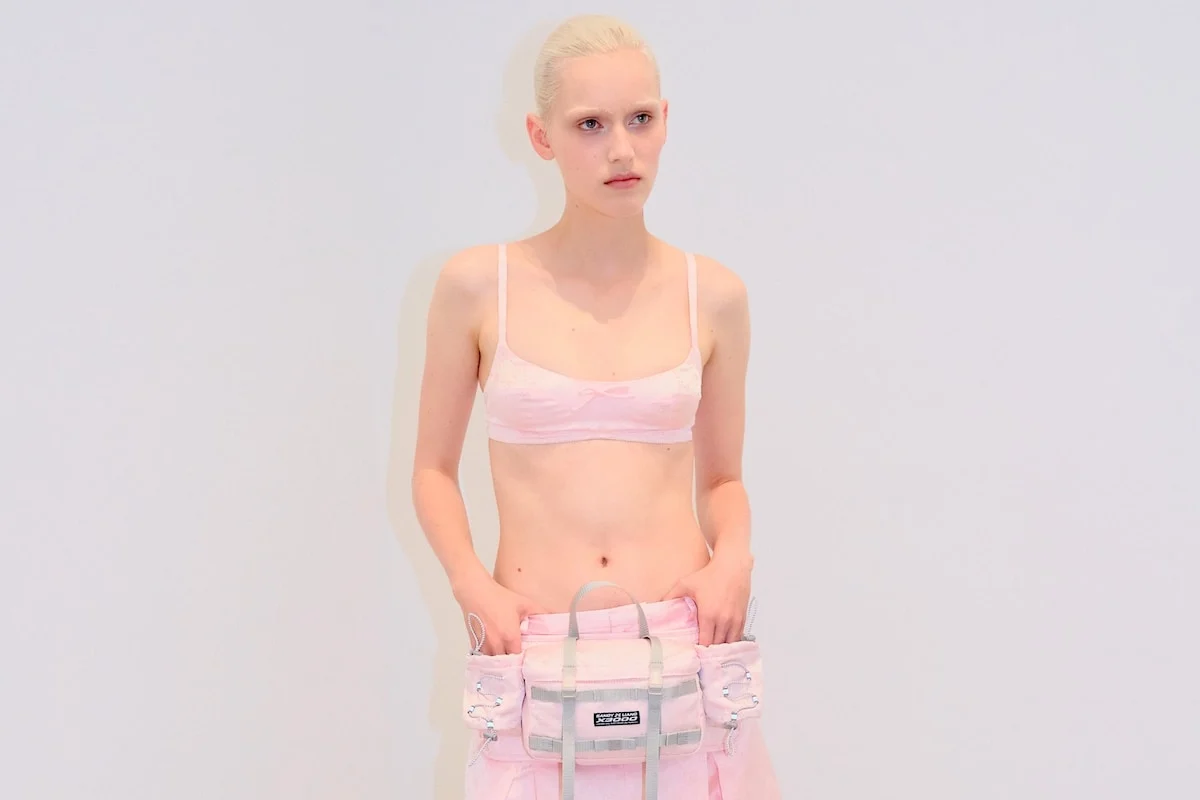
The intersection of high-concept whimsy and practical everyday apparel defined the latest presentation from New York-based designer Sandy Liang, who staged her Spring/Summer 2027 runway show at the Petzel Gallery. Known for her distinct ability to infuse delicate, nostalgic motifs into modern wardrobes, Liang’s latest collection introduced a surprising yet harmonious marriage between hyper-feminine aesthetics and functional streetwear. Among the standout items debuting at the event was the "Sandy Liang X3000" waist bag, a utilitarian accessory transformed through the lens of contemporary fairy-tale styling.
Set against a minimalist backdrop dominated by a central toy castle structure in muted shades of grey, pink, and baby blue, the presentation underscored a broader movement within the contemporary ready-to-wear market: the elevation of functional gear into luxury fashion statements. As models navigated the runway wearing silk shirts, tulle skirts, and gorpcore-inspired track jackets, the collection firmly established that the signature "Sandy girl" persona—traditionally associated with downtown cool, delicate bows, and nostalgic textures—is evolving into a more mobile, highly practical demographic without sacrificing its core romanticism.
Main Facts of the SS27 Presentation
The Spring/Summer 2027 collection presentation brought together disparate design elements that have come to characterize Liang’s eponymous label over the past decade. The runway featured a curated mix of technical outerwear, athletic track jackets, and outdoor-inspired silhouettes juxtaposed against ultra-feminine garments, including layered tulle skirts, silk blouses, and intricate lace detailing.
Central to the collection’s accessories lineup was the debut of the "Sandy Liang X3000" fanny pack. Traditionally viewed as a purely practical item designed for tourists and hikers, the waist bag was reimagined with signature design touches that aligned it with the collection’s overarching princess-coded theme. This blending of practicality and preciousness extended downward to the footwear choices, which notably included shoes shaped like bunnies featuring metallic, beady eyes.
According to official show notes distributed at the Petzel Gallery, the collection was built on the premise that "nostalgia and futurism go hand-in-hand." The brand further encapsulated the design philosophy by describing the garments as everyday objects and memories reconsidered, emphasizing "practicality made precious for the girl who lives in a fairytale."
Chronology and Evolution of the Sandy Liang Brand
To understand the trajectory of the SS27 collection, it is necessary to examine the chronological development of the Sandy Liang label since its inception. Founded by the Parsons School of Design graduate, the brand initially gained critical acclaim for its outerwear, specifically its heavyweight fleece jackets introduced in the late 2010s. These fleeces quickly achieved cult status among downtown New York City fashion circles, establishing Liang as a designer capable of blending nostalgic childhood memories with contemporary urban streetwear.
Following the success of her foundational outerwear lines, Liang steadily expanded her product categories to include footwear, jewelry, handbags, and full ready-to-wear collections. Over the successive seasons leading up to the Spring/Summer 2027 showcase, the designer systematically integrated recurring motifs—most notably the hair bow, which became a ubiquitous symbol across the brand’s accessories and garments.
The transition from localized downtown favorite to an internationally recognized tastemaker took place incrementally through strategic retail expansions, digital community engagement, and high-profile footwear collaborations. By the early 2020s, the brand’s signature aesthetic had moved beyond niche status, heavily influencing broader micro-trends such as balletcore and coordinate dressing. The introduction of the "Sandy Liang X3000" waist bag at the SS27 show represents the latest milestone in this chronological evolution, bridging the gap between the brand’s early utilitarian outerwear roots and its current era of hyper-feminine whimsy.
Supporting Data and Market Context
The commercial reception of Liang’s SS27 collection occurs within a broader macroeconomic and retail landscape that increasingly values hybrid product categories. According to recent retail data compiled by global fashion search platforms and market research firms, consumer demand for utilitarian accessories—such as waist bags, technical backpacks, and cargo garments—has remained remarkably resilient. However, growth in these categories is increasingly driven by luxury and independent designer collaborations that elevate basic items through specialized branding, premium materials, and distinctive aesthetic overlays.
Simultaneously, the market for nostalgic, childhood-inspired apparel and accessories has experienced a sustained surge. Industry analytics indicate that searches for terms related to "balletcore," "tulle," and decorative bows have grown exponentially year-over-year, appealing predominantly to Gen Z and millennial consumers seeking emotional resonance and comfort through their wardrobe choices. By merging gorpcore elements—a multi-billion-dollar global lifestyle and apparel trend characterized by outdoor and utility gear—with delicate feminine detailing, Sandy Liang has strategically positioned her label at the intersection of two of the most lucrative segments in contemporary fashion retail.
Official Responses and Design Philosophy
While independent designers rarely issue traditional corporate earnings statements, the philosophical framework of the brand is routinely communicated through detailed show notes, creative direction, and runway staging. The artistic direction for the SS27 presentation was framed as an exploration of memory, utility, and transformation.
"A soft V-neck sweater is just low enough, a purse has too many pockets to ever fill," the brand noted in its official press release accompanying the Petzel Gallery presentation. "Things feel familiar, but transformed—everyday objects and memories reconsidered."
Industry analysts and fashion critics observing the show interpreted these statements as a deliberate attempt to legitimize the blending of disparate functional and decorative categories. By presenting a waist bag within a high-fashion, gallery-setting runway show, the brand signaled that utility does not need to be sacrificed for the sake of elevated design, nor does elegance require the rejection of practical convenience. The incorporation of structural elements like the toy castle further reinforced an official design ethos that views fashion not merely as clothing, but as a wearable narrative space where adulthood and childhood nostalgia coexist.
Broader Impact and Implications for the Industry
The debut of the "Sandy Liang X3000" and the broader SS27 collection carries significant implications for the direction of contemporary accessories design and independent label positioning. As major luxury houses and independent designers alike grapple with shifting consumer preferences toward pragmatic yet emotionally expressive goods, Liang’s methodology offers a blueprint for successful product diversification.
-
Validation of Hybrid Utility Accessories: The transformation of a standard fanny pack into a coveted, princess-coded luxury item demonstrates that consumers are increasingly willing to embrace functional items when reinterpreted through distinct aesthetic lenses. This trend is expected to influence upcoming design cycles across both independent and commercial accessory markets.
-
The Maturation of the "Downtown Aesthetic": Brands that built their foundational reputation on localized, subcultural coolness must eventually scale their offerings to sustain international growth. By retaining core signatures—such as bows, lace, and nostalgic color palettes—while incorporating universally understood practical items like waist bags, Liang illustrates how a brand can expand its demographic reach without alienating its original consumer base.
-
Experiential Runway Presentations: The use of narrative-driven set designs, such as the pastel toy castle at the Petzel Gallery, highlights the ongoing necessity for physical fashion presentations to offer immersive visual content capable of driving digital engagement. In an era dominated by social media dissemination, runway shows that function as cohesive artistic installations generate higher earned media value and stronger consumer retention.
As the Spring/Summer 2027 retail season approaches, the market performance of items like the "Sandy Liang X3000" will serve as a key indicator of consumer appetite for whimsical utility. For now, the collection firmly establishes that the modern consumer is no longer required to choose between hands-free convenience and aesthetic elegance—proving that in the world of contemporary design, practical functionality can indeed be made precious.