








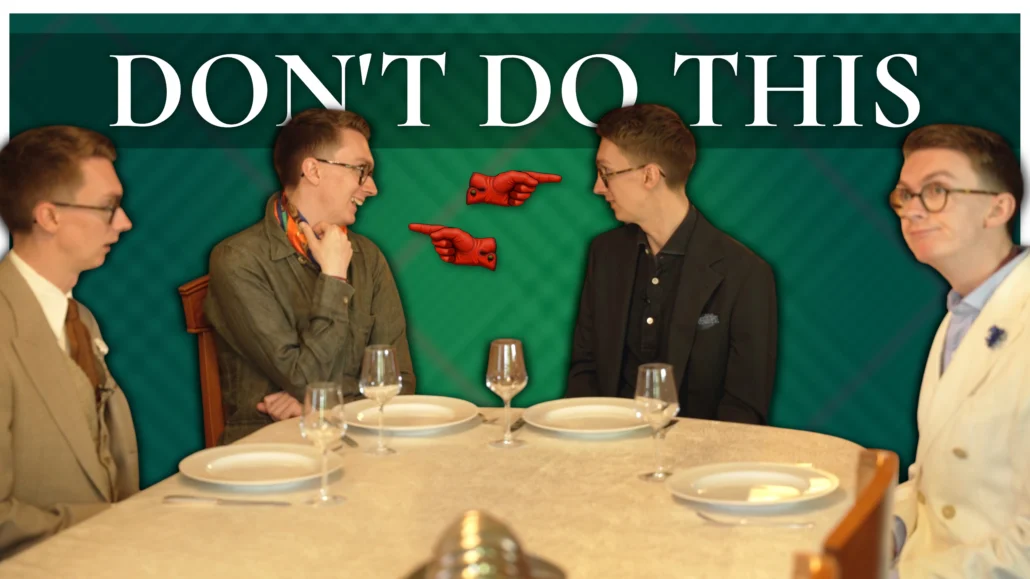
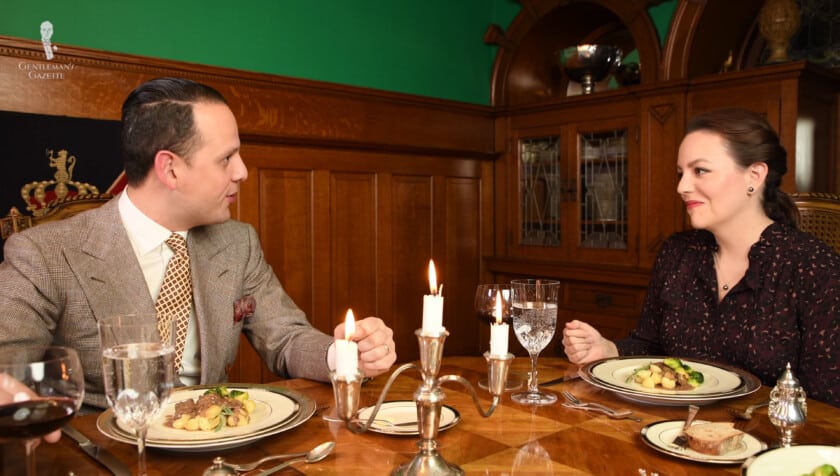
The traditional understanding of etiquette has long been tethered to the rigid, rule-bound structures of the Victorian era—a time when knowing which fork to utilize at a formal dinner or the precise protocol for pouring wine held significant social weight. However, as contemporary social and professional landscapes evolve, the focus of interpersonal conduct has shifted from mechanical compliance to emotional intelligence. Today, the most significant damage to a person’s reputation rarely occurs at the dining table; rather, it manifests through "social blind spots"—behaviors that inadvertently signal a lack of awareness, judgment, or basic consideration for others. Experts in organizational behavior and social psychology suggest that the fundamental litmus test for modern etiquette is a simple, recurring inquiry: How does a specific action influence the emotional state and comfort level of the person on the receiving end?
The Psychology of Social Awareness
Research conducted by the American Psychological Association indicates that consistent, prosocial behaviors are primary drivers of long-term career success and personal brand integrity. A lack of social awareness, often categorized as a failure to read the room, is frequently interpreted by peers as arrogance or social ineptitude. This disconnect often stems from a failure to recognize that social interactions are not just transactional but are co-constructed. When an individual engages in behaviors that ignore the presence or comfort of others, they are effectively signaling that their internal state takes precedence over the shared social environment.
The Anatomy of Common Social Failures
The following twelve behaviors represent the most frequent pitfalls in modern social interaction. Understanding the mechanics of these errors is the first step toward correcting them.

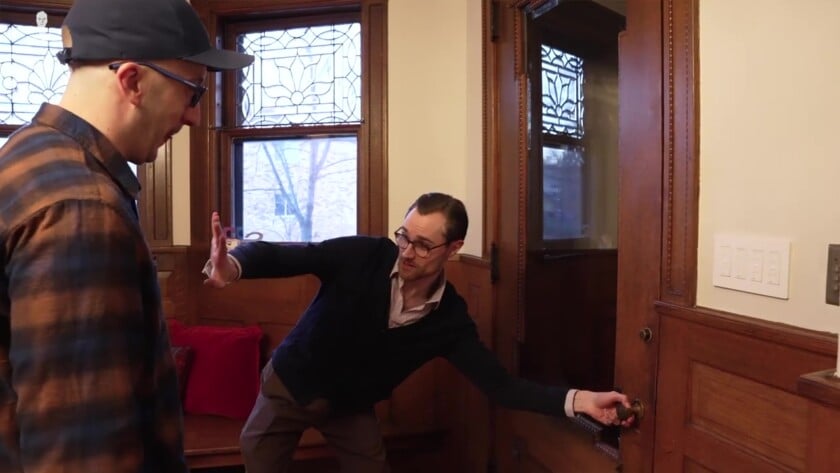
1. The Spatial Neglect of Doorway Etiquette
The seemingly trivial act of entering a building often serves as a barometer for a person’s situational awareness. When an individual passes through a doorway and releases the handle without assessing the trajectory of those behind them, they force others into an immediate, reactive position. This lack of "spatial empathy" acts as an implicit communication that the individual is either oblivious to their surroundings or indifferent to the convenience of others. Data from hospitality management studies show that simple, non-ceremonial acknowledgments of others in transit correlate positively with perceived leadership qualities.
2. Sensory Overload and Fragrance Discipline
The olfactory impact of an individual is a potent, if often overlooked, element of professional presence. Fragrance should function as an accessory to one’s personal brand, intended for detection only upon close proximity—such as during a handshake. The scientific reality of "olfactory fatigue" means that a person becomes desensitized to their own scent quickly, leading many to over-apply fragrance. This error can create an environment that is physically uncomfortable for others, potentially triggering allergic reactions or simply creating a negative sensory association that persists long after the meeting has concluded.
3. The Ambiguity of Physical Greetings
In the post-pandemic era, the lack of a standardized greeting protocol has led to an increase in "interaction collisions." Whether to offer a handshake, a nod, or a brief embrace is a common source of tension. The most effective strategy, according to business communication experts, is the "clear intent" method. By initiating a gesture with confidence and maintaining eye contact, an individual provides the other party with a clear signal, thereby preventing the awkward "hovering" phase that can undermine an introduction.
4. The Limitations of Transactional Ice-Breakers
The reflexive question, "What do you do for a living?" has become the default opening for most professional interactions. While meant to establish common ground, it often serves as a conversation-killer by trapping the participant within a professional identity they may wish to escape during social hours. Shifting the focus to extracurricular interests—such as, "What do you enjoy doing outside of your work?"—allows for the development of rapport based on shared human experiences rather than mere professional utility.

5. The "Why Don’t You Just" Fallacy
Offering unsolicited, prescriptive advice is a common social error that often originates from a place of perceived helpfulness. Phrasing a suggestion as "Why don’t you just…" implies that the recipient’s problem is trivial or that they have failed to consider an obvious solution. This phrasing can be perceived as an intellectual insult. A more sophisticated approach involves active listening, which allows the other person to arrive at their own conclusions, thereby fostering a relationship built on support rather than hierarchy.
6. The Stagnation of One-Word Responses
Conversational flow is a shared construction. When an individual provides one-word answers to open-ended questions, they force the conversational partner to perform all the "heavy lifting" to keep the dialogue moving. This behavior is interpreted as a lack of interest or social boredom. By answering with a statement followed by an observation or a reciprocal question, an individual facilitates a cycle of engagement that is vital for networking and relationship building.

7. Inclusive Communication in Group Dynamics
In settings with three or more participants, maintaining the engagement of the entire group is a core skill of effective leadership. Falling into an "inside-joke" trap or discussing highly niche technical topics effectively excludes other members of the group. Continuous environmental scanning is required to ensure that the subject matter remains accessible to all present. Failure to do so creates social silos that can alienate colleagues or guests.
8. The Discipline of Emotional Regulation
Conflict is inevitable in professional life. When faced with an aggressive or confrontational individual, the primitive impulse is to match their energy. However, mirroring aggression almost always results in a loss of authority. Maintaining a measured, calm demeanor when others lose their temper is a hallmark of high-functioning professionals. This "higher authority" approach preserves personal dignity and often serves to de-escalate the situation more effectively than verbal retaliation.
9. The Perils of Unsolicited Sartorial Feedback
Commentary on another person’s appearance, regardless of how well-intentioned or "helpful" it may be, is generally considered a social boundary violation. Unless a person explicitly seeks feedback, any critique—even regarding fit or color—tends to make the recipient feel self-conscious. A gentleman or professional understands that while they may notice details, they should only vocalize them when the context makes such commentary genuinely constructive.
10. The Art of Accepting Compliments
False humility—deflecting a compliment by belittling one’s own achievements—is a common error. When a person dismisses a compliment, they are effectively signaling that the giver’s judgment is flawed. A simple "Thank you" is sufficient. It validates the speaker’s input and acknowledges the sentiment without the need for an elaborate, self-deprecating justification.

11. The Obligation of the RSVP
Ignoring an invitation, or failing to provide a timely response, is a direct signal of how one values the relationship with the host. In a digital age where communication is instantaneous, the lack of a reply is interpreted as a lack of respect for the effort involved in extending the invitation. Timely responses are the cornerstone of healthy social maintenance.
12. The Misuse of "Brutal Honesty"
"Brutal honesty" is often used as a shield for poor social tact. Before delivering a difficult truth, an individual should evaluate the necessity, the timing, and the potential impact of the statement. If a comment does not meet the criteria of being both necessary and helpful, the most tactful choice is silence. Tact is not the absence of truth, but the strategic application of it.

Broader Implications for Professional Success
The implications of mastering these social nuances extend far beyond mere etiquette; they are fundamental to building "social capital." In the current, highly connected professional environment, the ability to navigate social blind spots is a distinct competitive advantage. Organizations that prioritize high-level interpersonal skills report better team cohesion, more effective conflict resolution, and higher levels of employee satisfaction.
As individuals aim to refine their professional presence, the challenge lies not in the memorization of rules, but in the practice of awareness. By selecting one specific area of behavior to improve each week, individuals can systematically eliminate the blind spots that hinder their social and professional progress. Ultimately, etiquette is the mechanism by which we signal our respect for the shared space we occupy, ensuring that every interaction leaves the other party feeling seen, heard, and valued.