









The intersection of luxury aesthetics and direct-to-consumer accessibility has drawn a fresh wave of venture capital. Atorie, an emerging fashion startup leveraging artificial intelligence and direct factory partnerships, announced on Thursday the successful closure of a $9.5 million seed funding round. The investment was backed by high-profile venture capital firms and industry leaders, including a16z Speedrun, Night Capital, and Lightspeed Ventures partner Jeremy Liew.
This capital injection arrives at a unique economic crossroads for the apparel industry. Post-pandemic consumer behavior has fundamentally altered the retail landscape, characterized by acute fatigue with traditional luxury markups and a growing backlash against fast fashion’s environmental toll. By positioning itself at the nexus of premium craftsmanship and affordable pricing, Atorie aims to bridge the gap between high-end heritage houses and modern cost-conscious consumers.
The Changing Economics of Luxury Manufacturing
The foundational model of luxury fashion has historically relied on a rigid separation between design houses and production facilities. Traditional brands such as Prada, Louis Vuitton, or Ralph Lauren would conceptualize designs, procure or dictate specific materials, and commission external factories to manufacture the goods.
This legacy system frequently created profound operational friction. Brand mandates for massive minimum order quantities often resulted in severe overproduction and bloated inventory. Furthermore, manufacturing facilities were heavily dependent on a handful of mega-brand clients. If a major label canceled an order or retail sales underperformed, the factories absorbed the financial blow and inventory liability.
However, the architecture of global manufacturing has undergone a quiet revolution. Modern high-end factories—particularly those possessing deep artisanal roots in regions like Italy—have evolved beyond contract sewing operations. Many now maintain independent design and product-development capabilities. They possess the agility to conceptualize goods, adapt to shifts in market demand on short notice, and execute smaller, localized production batches.
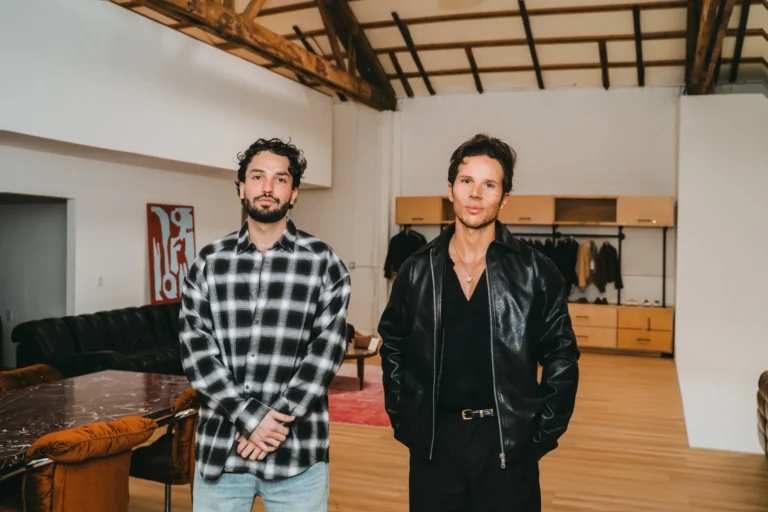
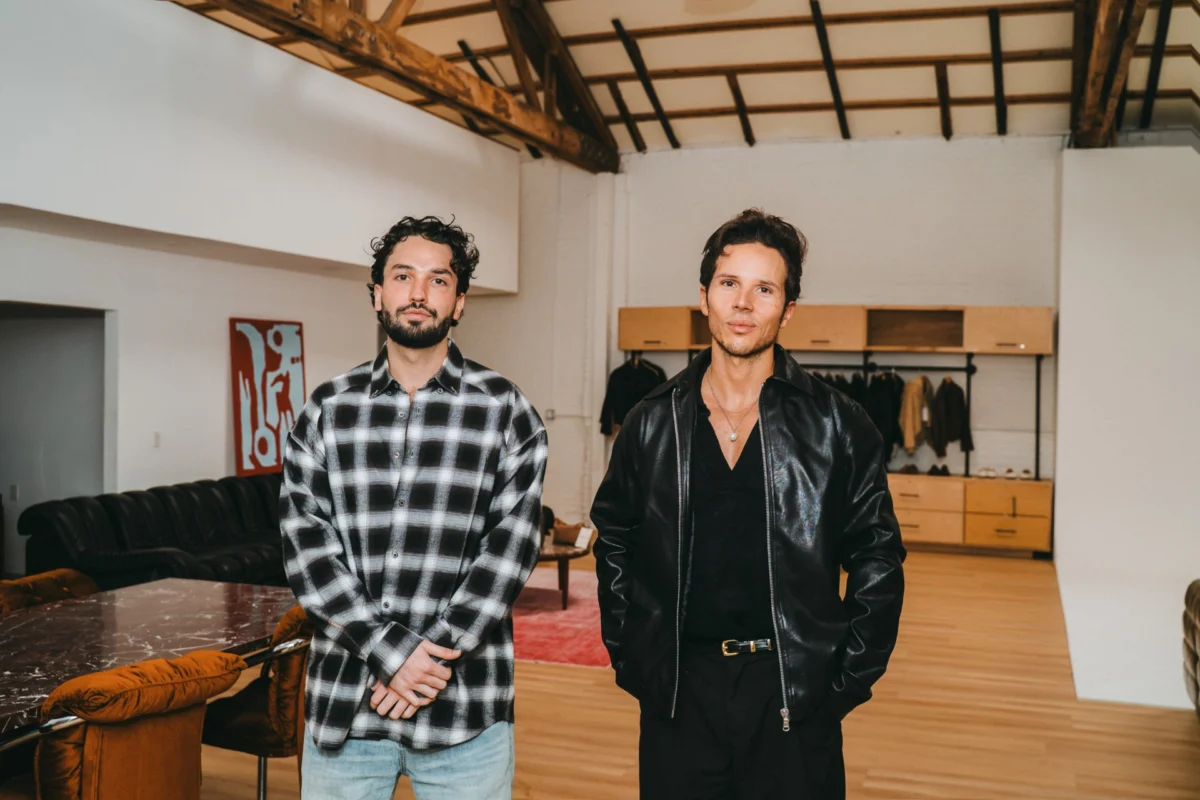
Recognizing this paradigm shift, serial entrepreneur Redouane Ramdani and co-founder Luis Angulo established Atorie to connect these advanced manufacturers directly with everyday shoppers. Ramdani brings distinct perspective to the venture; having grown up in France surrounded by family members working in the luxury manufacturing sector, he harbored a lifelong ambition to enter the industry.
Ramdani’s entrepreneurial journey prior to Atorie includes founding the creator monetization platform Snipfeed. Under his leadership, Snipfeed scaled successfully before its acquisition by Planoly in 2024. Following that exit, Ramdani turned his attention entirely to the systemic inefficiencies plaguing global apparel production.
Dispelling the Fast Fashion and Dupe Culture Labels
Atorie enters the market during the height of "dupe culture," a widespread phenomenon where younger consumers seek out near-identical, budget-friendly replications of luxury goods. Driven by soaring inflation and steep price hikes implemented by luxury houses over recent years, purchasing these replicas has evolved into a badge of financial savvy, transforming into a cultural status symbol in its own right.
Despite operating in a similar financial tier, Ramdani firmly rejects the classification of Atorie as either a fast-fashion enterprise or a purveyor of low-grade knockoffs.
"It’s the same material, same craftsmanship," Ramdani emphasized regarding Atorie’s inventory. "It’s coming from the same factories."

Instead of mimicking designs through cheap synthetic materials—a hallmark of traditional fast fashion—Atorie cuts out intermediary brand markups entirely. Shoppers visiting the company’s platform can purchase items such as genuine Italian leather handbags for a few hundred dollars. Equivalent items produced under a traditional luxury label often retail for thousands of dollars due to brand equity premiums, heavy marketing budgets, and multi-layered distribution networks.
Industry analysts compare Atorie’s go-to-market strategy to companies like Quince, which has successfully captured market share by offering luxury-grade cashmere, silk, and leather goods at transparent, baseline prices. By targeting a demographic that demands both trend-responsiveness and sustainable longevity, Atorie is carving out a distinct middle ground.
The Integration of Artificial Intelligence Across the Supply Chain
Atorie’s operational efficiency relies heavily on artificial intelligence, which is integrated into both backend manufacturing logistics and the front-facing consumer experience.
In the traditional fashion cycle, forecasting demand is a speculative gamble that frequently ends in markdowns or landfills. Atorie utilizes AI-driven analytics to parse consumer data, assess current fashion trajectories, and test colorways before authorizing production runs. By evaluating predictive data regarding raw material consumption, the startup’s algorithmic agents can anticipate potential shortages in textiles, allowing partner factories to secure inventory proactively.
This data-informed approach directly addresses the industry-wide crisis of overproduction. By working closely with a global network of over 40 factories, Atorie can test small batches, gauge immediate consumer interest, and scale production only when demand is verified. This mitigates financial risk for the manufacturing partners while diversifying their revenue streams away from traditional corporate conglomerates.
On the consumer interface, Atorie deploys conversational AI tools designed to personalize the shopping journey. Shoppers can interact with an AI agent capable of curating complete outfits based on specific stylistic or personal inspirations. Over time, machine learning algorithms analyze customer behavior and purchase history to refine future recommendations.
Furthermore, the company reports a measurable surge in indirect traffic and sale referrals originating from mainstream conversational AI platforms, including OpenAI’s ChatGPT and Anthropic’s Claude, indicating that modern discovery pathways for fashion are shifting away from traditional search engines toward AI assistants.
Rapid Financial Growth and Expansion Roadmap
Atorie’s unique value proposition has translated into immediate commercial traction. The startup closed out the previous fiscal year with approximately $5 million in gross sales. Driven by sustained consumer demand and viral digital word-of-mouth, Atorie’s annualized run rate is projected to exceed $55 million.
The newly secured $9.5 million in seed capital will be strategically deployed across several core operational pillars:
- Logistics and Infrastructure: Enhancing supply chain velocity to ensure seamless fulfillment across international markets.
- AI Tool Development: Deepening investments in proprietary machine learning models for trend forecasting and consumer personalization.
- Production Scaling: Expanding the existing network of manufacturing partners and increasing output capabilities.
- In-House and Creator Collections: Launching dedicated in-house private-label lines—modeled after ubiquitous essential brands like Amazon Essentials—while building out collaborative infrastructure to help digital influencers and creators rapidly launch their own apparel brands.
With a stated corporate objective to challenge mainstream volume retailers like Zara by offering elevated manufacturing standards at accessible price points, Atorie is well-positioned to capitalize on a shifting consumer ethos. As shoppers increasingly demand transparency, ethical supply chains, and fiscal prudence without sacrificing quality, the direct-from-factory model backed by artificial intelligence may well set a new standard for the future of retail.