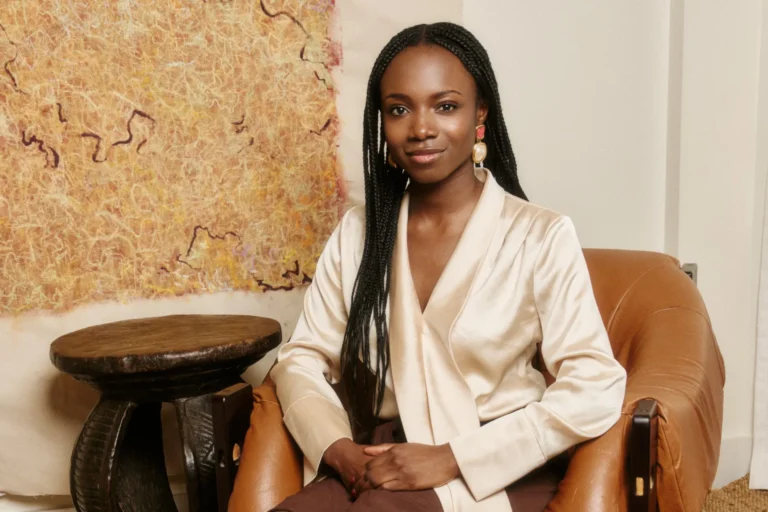







The intersection of high fashion and generative artificial intelligence has reached a significant milestone as Alta, the fashion technology startup founded by Jenny Wang, transitions from a viral concept to a foundational tool for the retail industry. During the most recent New York Fashion Week (NYFW), Wang unveiled the company’s latest evolution: a sophisticated integration strategy that allows luxury brands to embed Alta’s virtual try-on technology directly into their e-commerce platforms. This development marks a pivotal shift for the company, which first gained international attention for its promise to replicate the iconic digital closet seen in the 1995 film "Clueless." By moving beyond a standalone consumer app and into enterprise-level partnerships, Alta is positioning itself as the essential "identity layer" for the future of digital commerce.
The Genesis of Alta and the $11 Million Catalyst
The momentum behind Alta is backed by significant financial confidence from both the technology and fashion sectors. Last year, the company secured $11 million in a seed funding round led by Menlo Ventures, a prominent venture capital firm known for early bets on industry-disrupting technologies. The round was notable not only for its size but for the caliber of its participants. Investors included the Anthology Fund—the venture arm of the AI heavyweight Anthropic—and a diverse group of fashion industry insiders.
Among the "all-star" backers are supermodels Karlie Kloss and Jasmine Tookes, as well as Jenny Fleiss, the co-founder of Rent the Runway. This blend of silicon valley capital and runway influence underscores the dual nature of Alta’s mission: to solve a complex technical problem (realistic virtual garment draping) while maintaining the aesthetic standards of the luxury fashion world. According to Menlo Ventures, the investment was predicated on the belief that the next generation of shoppers will demand a personalized, data-driven experience that bridges the gap between physical wardrobes and digital identities.
Since the funding round, Alta has demonstrated rapid scalability. Wang confirmed that the platform has facilitated the generation of over 100 million outfits since its initial launch in 2023. This volume of data has allowed the company’s AI models to refine their understanding of fit, style, and fabric movement, leading to recognition from prestigious publications like Time and Vogue, both of which named Alta one of the top innovations of the year.
The Strategic Partnership with Public School New York
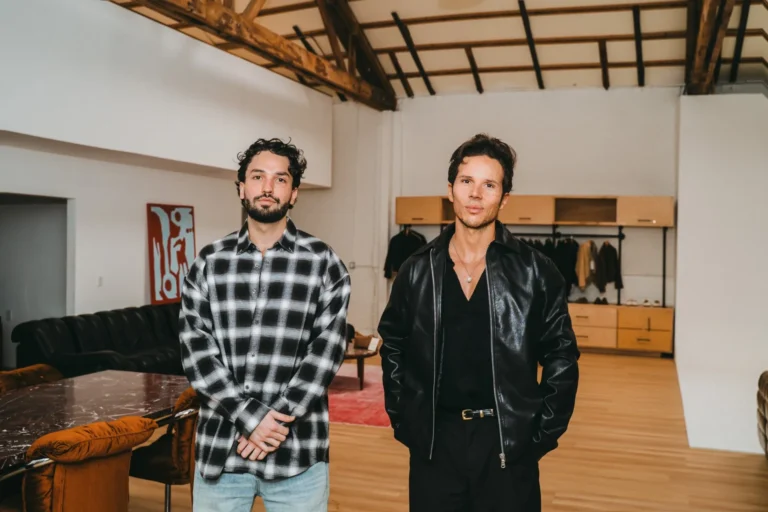
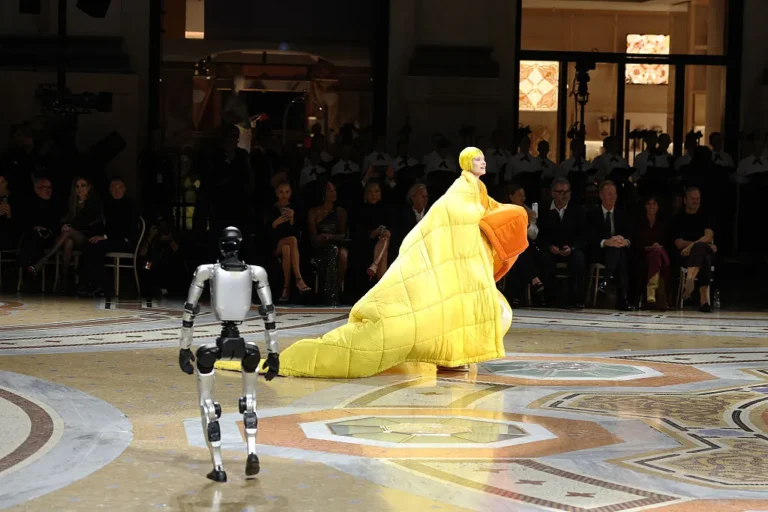
The most recent demonstration of Alta’s capabilities occurred during New York Fashion Week, coinciding with the highly anticipated return of the brand Public School New York. Founded by Dao-Yi Chow and Maxwell Osborne, Public School had been on a multi-year hiatus before its recent "grand re-debut." As the designers sought to redefine their brand’s voice for a modern audience, they identified technology as a critical pillar of their new strategy.
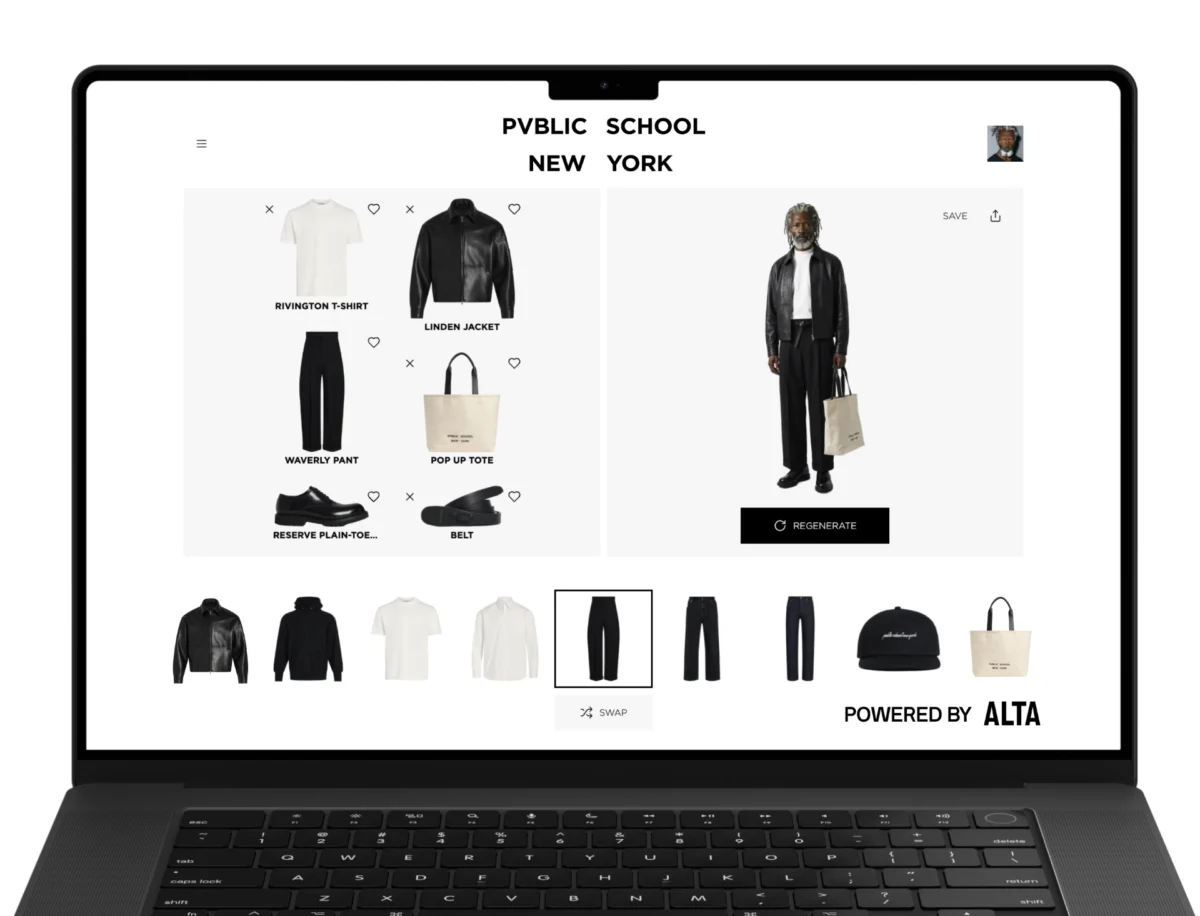
The collaboration was facilitated through the founder of Poshmark, who serves as an angel investor for both Alta and Public School. This connection led to the first-ever implementation of Alta’s "Style with Alta" feature directly on a designer’s product page. When shoppers visit the Public School website to view the new collection, they are greeted with an icon that allows them to port the garment onto their personalized Alta avatar.
For Chow and Osborne, the decision to partner with Alta was born from a desire to extend their storytelling capabilities. Chow noted that the retail landscape has shifted dramatically since the brand’s earlier years, stating that "it’s not 2015 anymore." The designers emphasized that they view AI not as a tool for automated design, but as a medium for consumer interaction. By allowing customers to experience the brand virtually, Public School is able to engage with a global audience that may not have the opportunity to visit a physical showroom in Manhattan.
Technical Superiority in a Competitive Landscape
While virtual try-on (VTO) technology is not a new concept, the industry has long been plagued by high latency and low fidelity. Major retailers like Zara and luxury houses like Balmain have previously experimented with digital avatars, but these experiences often felt clunky or disconnected from the actual shopping journey.
Wang distinguishes Alta from its competitors by highlighting the platform’s speed and capacity. Traditional VTO solutions, such as those piloted by Zara, often limit the user to four items and require up to two minutes to render a single look. In contrast, Alta’s proprietary engine allows users to layer at least eight different items simultaneously, with the entire outfit rendering on the avatar in a matter of seconds.

This technical efficiency is crucial for the "Clueless" experience—referring to the scene where Cher Horowitz rapidly cycles through outfit combinations on a computer screen. For the modern consumer, this speed translates to a more fluid shopping experience, reducing the friction that often leads to abandoned carts in traditional e-commerce. By providing a high-fidelity preview of how multiple pieces (such as a jacket, a shirt, and trousers) interact with one another on a body that mirrors the user’s own proportions, Alta addresses one of the primary pain points of online shopping: the uncertainty of fit and styling.
Addressing the Economic and Environmental Costs of Returns
Beyond the novelty of virtual styling, Alta’s technology addresses a multi-billion dollar problem in the retail industry. In 2023, the National Retail Federation reported that approximately 16.5% of all retail sales in the United States were returned, amounting to nearly $743 billion in lost value. In the apparel sector specifically, return rates for online purchases can often exceed 30%, with "bracketing"—the practice of buying multiple sizes of the same item with the intent to return most of them—becoming a common consumer habit.
The environmental impact of these returns is equally staggering, involving significant carbon emissions from reverse logistics and millions of tons of textile waste as returned items are often discarded rather than restocked. By providing a more accurate representation of how clothing will look on an individual’s specific body type, Alta’s avatars serve as a preventative measure against the "fit-related" return.
Industry analysts suggest that if VTO technology can reduce return rates by even a small percentage, the savings for brands could be redirected toward sustainable manufacturing or lower consumer prices. Alta’s partnerships with the Council of Fashion Designers of America (CFDA) and Poshmark indicate a broad industry consensus that digital twins and virtual closets are no longer optional "extras" but necessary components of a sustainable retail ecosystem.
The Chronology of Innovation: From App to Ecosystem
To understand Alta’s current trajectory, it is helpful to look at the company’s development timeline:
- 2023 Launch: Alta debuts as a consumer-facing mobile app, allowing users to upload photos of their own clothes to create a "digital closet."
- Early 2024: The company secures $11 million in seed funding and begins refining its AI models using millions of user-generated outfit data points.
- Mid-2024: Partnerships with Poshmark and the CFDA are established, integrating Alta into the secondary market and the professional design community.
- February 2025 (NYFW): Alta moves into the "enterprise" phase, launching its first direct website integration with Public School New York.
This chronology illustrates a deliberate shift from a "cool tool" for enthusiasts to a robust B2B (business-to-business) solution. Wang explains that while the consumer app remains the "Clueless closet" where users manage their personal style, the enterprise experience is where the commercial future of the company lies.
The Future of Agentic Commerce and the Identity Layer
Looking ahead, Wang envisions Alta as much more than a styling tool; she sees it as the "personal identity layer" for the future of consumer AI. This concept aligns with the emerging trend of "agentic commerce," where AI agents act on behalf of consumers to find, style, and purchase products that meet specific criteria.
"For agentic commerce to truly work," Wang stated, "we need a data layer that understands the shopper’s style preferences, such as their closet, past purchases, and their avatar, likeness, and body."
In this future, a user’s Alta profile would serve as a portable digital identity. When a consumer visits any brand’s website, their Alta avatar and style history could follow them, allowing for instantaneous, personalized recommendations. This would move the internet away from generic "you might also like" algorithms toward a truly bespoke shopping experience.
As Alta continues to announce more partnerships in the coming months, the company’s focus remains on refining this data layer. By combining the emotional appeal of fashion with the precision of AI, Alta is not just bringing a 90s movie trope to life; it is building the infrastructure for a more efficient, personalized, and sustainable way to interact with the clothes we wear. The success of the Public School integration suggests that the fashion world is finally ready to embrace tech as a true partner, moving past the gimmicks of the past into a new era of digital-first retail.