









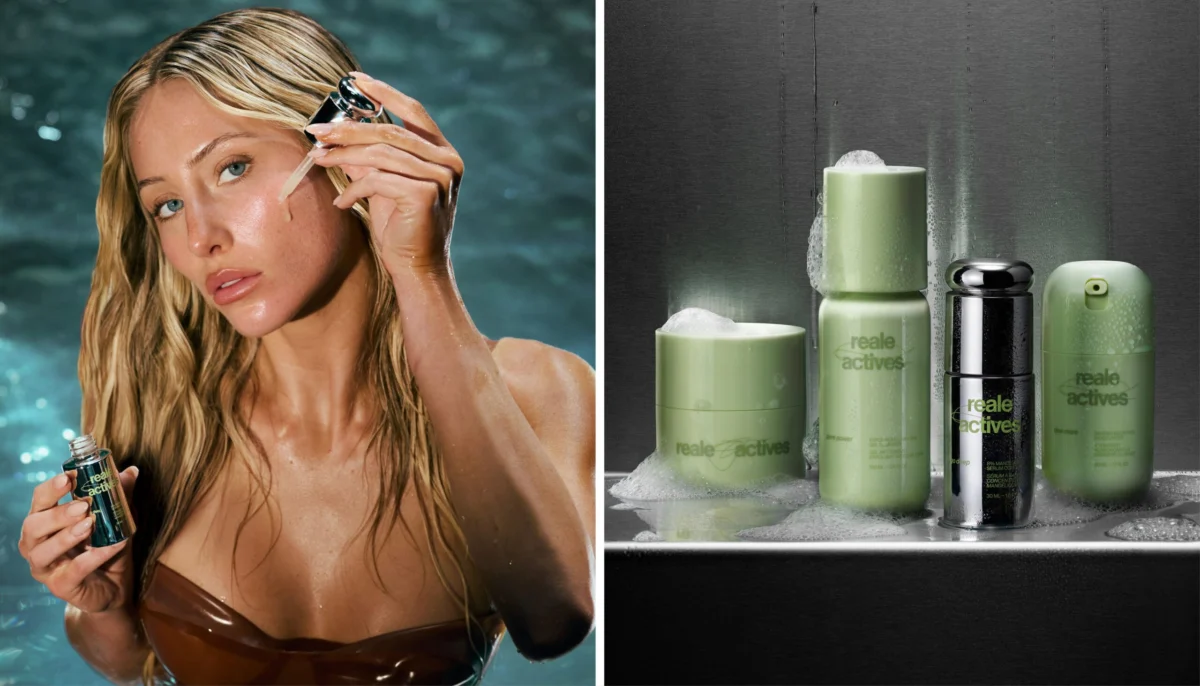
The recent launch of Reale Actives, an acne-focused skincare line by social media influencer Alix Earle, has ignited a firestorm of discussion, drawing both immense consumer interest and critical examination from dermatological experts. Earle, who rose to prominence through "get ready with me" videos and personal vlogs on TikTok, leveraged her candid conversations about hormonal acne into a comprehensive skincare collection. Developed in collaboration with her dermatologist, Dr. Kiran Mian, the initial Reale Actives range, released on March 31st, comprises four products: a cleansing balm, a gel cleanser, a moisturizer, and a mandelic acid serum. Priced between $28 and $39 and presented in distinctive mint green and silver packaging, the collection saw immediate, overwhelming demand. According to Puck, Reale Actives reportedly achieved $1 million in sales within five minutes of its launch, with the entire initial inventory selling out by 4 p.m.
However, the brand’s rapid success has been accompanied by significant controversy, a common phenomenon for influencer-led beauty ventures. Questions surrounding the marketing strategy, ingredient choices, and the influencer’s personal journey with acne have fueled online debates, prompting a closer look at the brand’s claims and the scientific validity of its formulations. To provide a comprehensive understanding of the situation, this report delves into the public’s concerns, the dermatologists’ perspectives, and the broader implications for the burgeoning creator-economy in the beauty sector.
The Genesis of Reale Actives and Initial Consumer Reactions
Alix Earle’s foray into the beauty industry is deeply rooted in her online persona. Her early TikTok content frequently featured discussions and vlogs detailing her struggles with hormonal acne, a relatable experience for many of her now 14 million followers. This authenticity paved the way for her transition into a skincare entrepreneur, aiming to translate her personal journey into tangible solutions. The Reale Actives line represents the culmination of this effort, aiming to address the needs of acne-prone skin.
The launch itself was met with a flurry of activity, underscoring Earle’s significant market influence. The rapid sell-out and substantial initial sales figures highlight the power of her platform. However, this immediate success also brought the brand under intense scrutiny, a pattern often observed with high-profile influencer product launches.
Unpacking the Controversy: Marketing, Messaging, and Ingredient Concerns
The most prominent point of contention surrounding Reale Actives has been its marketing campaign. Social media users have expressed confusion and skepticism regarding the launch photoshoot, which features Earle in a predominantly nude, wet aesthetic with visibly clear, smooth skin. Critics argue this imagery is incongruous with a brand marketed for acne treatment. Esthetician and founder of Dieux Skin, Charlotte Palermino, articulated this sentiment on Instagram, questioning the campaign’s message: "Are you making acne hot, or are you just hot?" This perceived disconnect between the brand’s purported purpose and its visual representation has led to accusations of misrepresentation.
Furthermore, online discourse has raised concerns about the implicit messaging of the brand’s success. Critics have pointed to Earle’s history of using prescription medications, namely Isotretinoin (Accutane) and Spironolactone, to manage her acne. While Earle has been open about these treatments, some consumers argue that attributing her clear skin solely to the Reale Actives products is misleading, given the significant impact of these powerful medications. The argument posits that these treatments, which address acne at a systemic or deep follicular level, are fundamentally different from topical skincare solutions.
Beyond the marketing and messaging, specific ingredient choices within the Reale Actives products have also drawn fire. The inclusion of shea butter in the "Dew More" moisturizer has been particularly debated. Some TikTok users have labeled shea butter as comedogenic, meaning it can clog pores. This concern, while prevalent in online beauty communities, often requires a nuanced understanding of ingredient formulation.
Another ingredient under scrutiny is mandelic acid, featured in the "Go Deep" serum. Esthetician Renee Rouleau, in an Instagram post, highlighted that salicylic acid is the only oil-soluble acid currently approved by the FDA as a drug for acne treatment. She questioned the efficacy of mandelic acid for acne, noting its absence from FDA monographs for acne treatment, suggesting it might be better suited for other concerns like hyperpigmentation. These ingredient-specific critiques reflect a growing consumer desire for scientifically backed formulations and transparent ingredient communication.
Dermatological Perspectives: Expert Analysis of Reale Actives
To gain an objective understanding of the Reale Actives line, Allure consulted with six dermatologists. It is important to note that the dermatologists interviewed had not physically examined the products at the time of reporting. Their assessments are based on ingredient lists and general dermatological knowledge.
Cleansing Balm: Get Bare
Dr. Sandra Oska, a board-certified dermatologist in Los Angeles, viewed the "Get Bare" cleansing balm favorably. The balm’s key ingredients include squalane, green tea extract, and vitamin E. Dr. Oska stated, "Oil-based cleansers, like this one, are very effective at dissolving and removing sunscreen and makeup, especially when used as part of a double-cleanse routine. As long as you are using a cleanser afterwards to wash off the balm residue well, the ingredients in this should be safe for some acne-prone patients." This aligns with the general understanding that effective cleansing is a foundational step in managing acne by removing impurities and excess oil.
Moisturizer: Dew More
The "Dew More" moisturizer, with its shea butter content, generated the most discussion among the dermatologists. Dr. Oska acknowledged the common advice to avoid shea butter for oily or acne-prone skin due to its dense texture. "This would not be my first choice for a moisturizer for acne-prone patients, given the presence of shea butter," she commented. However, she also recognized shea butter’s benefits for the skin barrier, noting that "not all acne-prone patients react to shea butter in products, but some do not tolerate it and know that from trial and error."
Dr. Anna Karp, a board-certified dermatologist and assistant clinical professor at NYU School of Medicine, offered a more nuanced perspective. She emphasized that judging an ingredient in isolation can be an oversimplification. "I think it is about the overall formulation and not the shea butter itself," Dr. Karp stated. "I know it was thoughtfully put into this product as being non-comedogenic in the overall formulation." Dr. Oska concurred, adding, "Now, formulation does matter, and this formula is well-balanced and barrier-focused. In a patient who is dealing with oily skin and closed comedones, I would practice caution."
Amanda Lam, a cosmetic chemist, supported the idea that formulation is key. She suggested that shea butter’s inclusion in acne moisturizers is not uncommon and can be beneficial for nourishing the skin and improving its barrier function. Lam posited that if used at a lower concentration and combined with lighter emollients, shea butter can contribute to a cosmetically elegant and lightweight feel. The exact concentration of shea butter in "Dew More" remains unknown, which is a crucial factor in determining its potential comedogenicity for individual users.
Gel Cleanser: Pore Power
Dr. Kavita Mariwalla, a board-certified dermatologist in West Islip, New York, described the "Pore Power" gel cleanser as a suitable once-a-day product for moderate acne patients with oily skin. The cleanser contains lipohydroxy acid (LHA) and beta hydroxy acid (BHA), known for their pore-cleansing and texture-improving properties. Dr. Karp added that while these ingredients can support acne management, the limited contact time of a wash-off product means it won’t be as potent as leave-on treatments. She also noted that similar cleansers might be available at more accessible price points.
Mandelic Acid Serum: Go Deep
The "Go Deep" mandelic acid serum also elicited differing opinions. Dr. Mariwalla expressed reservations about its primary application for active acne, stating, "For me, I love mandelic acid but I don’t think of it for acne at all. Mandelic acid is really for pigment." She clarified that while it’s a gentle alpha hydroxy acid (AHA) suitable for sensitive skin, she doesn’t typically consider it a solution for active inflammatory acne, but rather for post-inflammatory hyperpigmentation.
Conversely, Dr. Gervaise Gerstner, a dermatologist in New York City, saw merit in its inclusion. She explained that acids like mandelic and glycolic acid can help reduce oiliness and improve acne by increasing cell turnover, which also benefits dark spots, pigmentation, and scarring. Dr. Karp also advocates for mandelic acid as a preferred AHA for acne-prone and sensitive skin, deeming the "Go Deep" serum a potentially effective and safe option for those who cannot tolerate stronger exfoliants, calling it the "best product in the line."
The Role of Prescription Medications: Accutane and Spironolactone
A significant portion of the controversy stems from Alix Earle’s documented use of prescription acne medications. She has spoken openly about undergoing three rounds of Isotretinoin (Accutane) and is currently taking Spironolactone.
Accutane (Isotretinoin): This oral medication is a potent treatment for severe acne, known for its ability to significantly reduce oil gland size and sebum production. Dr. Oska explained that Accutane "directly causes long-lasting shrinkage of oil glands and dramatic reduction in their sebum production." It works by reducing oil production, normalizing skin cell turnover, and decreasing inflammation. Dr. Karp noted that while effective for severe, scarring, or treatment-resistant acne, it can be prescribed at lower doses for milder cases. However, Accutane comes with a significant list of potential side effects, including dryness, nausea, muscle pain, and requires stringent monitoring, including monthly blood work and pregnancy tests due to its teratogenic potential. Dr. Lauren Moy, a dermatologist in Beverly Hills, stated that ideal candidates for Accutane are those with severe nodular acne, those who have failed other therapies, or experience significant psychosocial distress due to their acne.
Spironolactone: Initially approved for high blood pressure and heart failure, Spironolactone is now widely used off-label to treat hormonal acne in women. It functions by blocking the effects of androgens (male hormones) on sebaceous glands, thereby reducing oil production. Dr. Mariwalla typically prescribes it for painful, cystic acne along the jawline. The use of Spironolactone for acne has surged, with prescription rates rising significantly. Hailey Bieber has publicly discussed using the drug to manage her skin. Dr. Oska clarified that unlike Accutane, Spironolactone does not permanently shrink sebaceous glands, meaning hormonal acne can return if the medication is stopped. It is considered a maintenance therapy.
The debate arises from the perception that Earle’s clear skin is a result of these powerful prescription medications, rather than solely her new skincare line. Critics argue that marketing an acne line while relying on such treatments creates a disconnect. However, Earle has maintained transparency about her medication use, and the brand’s website does not explicitly claim the products will cure acne.
Broader Implications and the Future of Influencer Beauty Brands
The Reale Actives launch and subsequent controversy highlight several key trends and challenges within the beauty industry, particularly concerning influencer-led brands:
- The Power of Authenticity vs. Commercialization: Earle’s initial appeal was her authenticity in discussing her struggles with acne. The launch of a commercial product requires a delicate balance to maintain that authenticity while meeting consumer expectations for efficacy and transparency.
- Ingredient Scrutiny and Consumer Education: Consumers are becoming increasingly educated about skincare ingredients, thanks to readily available online information. This heightened awareness means brands must be prepared for rigorous scrutiny of their formulations and marketing claims.
- The Evolving Role of Influencers: Influencers are no longer just product endorsers; they are becoming brand creators and entrepreneurs. This shift demands a deeper understanding of product development, scientific backing, and ethical marketing practices.
- The Line Between Medical Treatment and Topical Skincare: The discussion around Accutane and Spironolactone underscores the critical distinction between prescription medications that address acne systemically and topical skincare products. While topicals can manage mild to moderate acne and support overall skin health, they cannot replicate the profound effects of these medical interventions.
Dermatologists generally agree that prescription medications like Accutane and Spironolactone remain essential tools for treating moderate to severe acne. Dr. Toral Vaidya, a dermatologist in New York City, emphasized that topical treatments like retinoids, salicylic acid, and benzoyl peroxide help manage acne by reducing sebum, inflammation, or unclogging pores, but for moderate to severe cases, a combination of topical and oral agents is often most effective.
Dr. Oska offered a balanced perspective, stating, "Having been on Accutane or spironolactone should not disqualify Alix Earle or anyone else from creating a skin care line. She has used her platform to create awareness around acne and its impact on mental health, so her skin care line feels like an extension of that goal." She reiterated the continued importance of Spironolactone and Isotretinoin for moderate-to-severe acne.
However, some dermatologists, like Dr. Mariwalla, suggest that the Reale Actives line might be best suited for individuals with minimal acne, or those already on prescription treatments seeking complementary products for dark spot correction or moisturization, rather than as a primary solution for acne resolution. Dr. Karp advised that the products could form a good routine for mild to moderate acne, potentially when combined with a retinoid, but stressed the importance of consulting a dermatologist before trying new acne products.
Alix Earle herself addressed the controversy in a TikTok video, outlining her personal timeline with Accutane and Spironolactone and her journey in developing Reale Actives with Dr. Mian. She stated, "I’m not here to lie, I’m not here to try and trick anyone. My skin has never been this consistently clear in my entire life. It’s what I use." She acknowledged that her routine is not a universal solution, a sentiment echoed by dermatologists who consistently emphasize that skincare is highly individual.
The Reale Actives launch serves as a significant case study in the evolving landscape of beauty entrepreneurship, highlighting the intricate interplay between influencer marketing, consumer expectations, scientific validation, and the enduring importance of professional dermatological guidance.