





The convergence of generative artificial intelligence and the global fashion industry has reached a significant milestone with the announcement that Alta, an AI-powered personal styling and shopping platform, has closed an $11 million seed funding round. Led by Menlo Ventures, the investment signals a growing institutional confidence in the ability of sophisticated machine learning models to solve long-standing friction points in consumer retail. Founded by Jenny Wang, a 28-year-old Harvard-trained engineer and former tech investor, Alta seeks to move beyond the traditional search-and-filter experience of online shopping, offering instead a personalized digital wardrobe assistant that integrates a user’s existing closet with future purchases.
The capital infusion arrives at a time when the fashion technology sector is undergoing a rapid transformation. While digital styling tools have existed in various forms for over a decade, previous iterations often struggled with the limitations of computer vision and natural language processing. Wang, who has spent years conceptualizing a tool that could manage a user’s budget, lifestyle, weather, and calendar, noted that the underlying technology has only recently matured to a level capable of delivering a truly personalized experience. With this new funding, Alta plans to accelerate its research and development efforts, expand its technical team in New York City, and solidify its position within the burgeoning AI consumer technology landscape.
The Evolution of the Digital Wardrobe and Technical Architecture
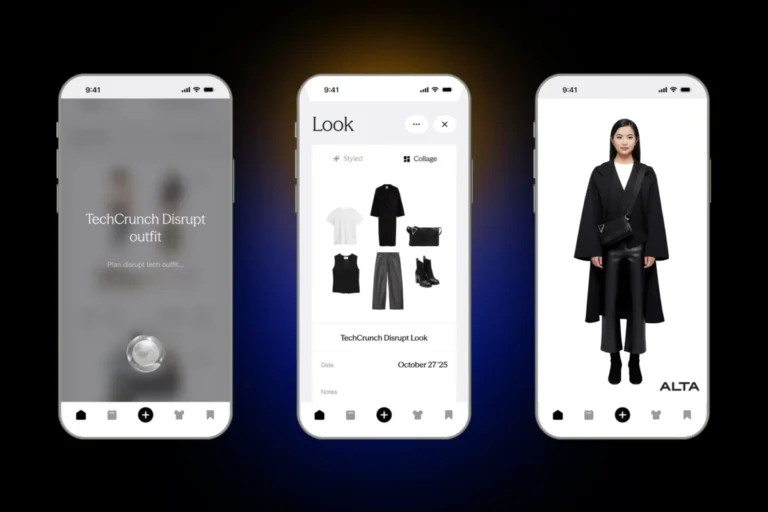
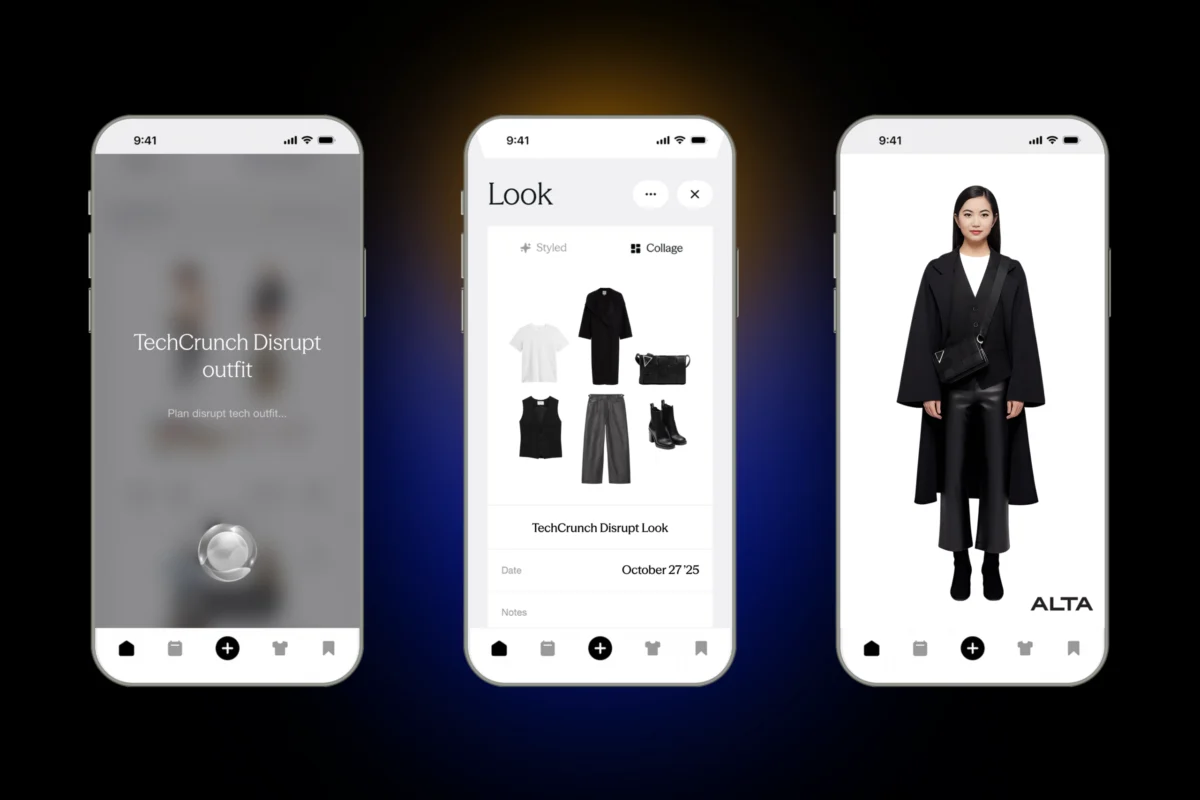
At its core, Alta functions as a comprehensive AI stylist that replicates the experience of a personal shopper. The platform allows users to create a digital twin of their wardrobe by uploading photos of their clothing, forwarding digital purchase receipts, or selecting items from Alta’s extensive existing database. Once a user’s closet is digitized, the AI generates a personalized virtual avatar. This avatar serves as the foundation for the platform’s "try-on" feature, allowing users to visualize how new garments will look in combination with pieces they already own.
The technical distinction between Alta and legacy platforms like Google Shopping or Pinterest lies in its architectural approach. While traditional platforms rely heavily on metadata and keyword matching to suggest products, Alta utilizes advanced generative models to understand the nuances of style, fit, and occasion. For instance, a user preparing for a specific event—such as a professional conference or a formal gala—can query the AI for outfit recommendations. The system then analyzes the user’s existing inventory, current weather forecasts, and the specific dress code of the event to present a curated lookbook.
This level of personalization is bolstered by human expertise. Wang has engaged Meredith Koop, famously known as the stylist for former First Lady Michelle Obama, to help train Alta’s AI models. By incorporating the logic and aesthetic sensibilities of high-level professional stylists into the machine learning process, Alta aims to provide recommendations that feel authentic and fashion-forward rather than purely algorithmic.
A Strategic Investor Roster Bridging Tech and Luxury
The $11 million seed round attracted a diverse and high-profile group of investors, reflecting the cross-disciplinary nature of Alta’s mission. Beyond the lead investment from Menlo Ventures, the round saw participation from Benchstrength and Aglaé Ventures, the venture capital firm backed by the Arnault family, the controlling shareholders of the global luxury conglomerate LVMH. The involvement of the Arnault family is particularly notable, as it suggests a strategic interest from the highest echelons of the luxury fashion world in how AI might reshape consumer behavior and brand loyalty.
Other institutional participants include Phenomenal Ventures, founded by Meena Harris, and the Anthology Fund, which is the venture arm of the AI safety and research company Anthropic. The inclusion of Anthropic’s investment arm underscores the technical rigor of Alta’s AI development.
The round also featured a significant list of angel investors from the worlds of technology, logistics, and fashion. These include:
- Tony Xu, CEO and co-founder of DoorDash, who brings expertise in logistics and consumer marketplaces.
- Manish Chandra, CEO and co-founder of Poshmark, offering insights into the secondary fashion market and social commerce.
- Jenny Fleiss, co-founder of Rent the Runway, a pioneer in the shared wardrobe economy.
- Prominent fashion figures and supermodels Karlie Kloss and Jasmine Tookes, who provide a bridge to the influencer and high-fashion ecosystems.
Wang’s ability to assemble such a diverse cap table is a testament to her career trajectory. As a Harvard engineer, she previously held roles as a technical advisor and investor, and even interned at DoorDash during its earlier stages. Her network spans both the Silicon Valley tech scene and the New York fashion industry, a dual presence that she views as essential for building a modern consumer AI company.
Chronology of Development and Global Expansion
The journey to Alta’s launch was marked by several years of iteration. Wang’s interest in the intersection of fashion and technology began early in her career, but she repeatedly encountered technical hurdles. Earlier versions of the product lacked the "reasoning" capabilities required to understand why certain clothes work together or how a user’s personal style evolves over time.
A few months ago, recognizing that generative AI had reached a tipping point, Wang officially announced the launch of Alta. To better align the company with the heart of the global fashion industry, Wang relocated from San Francisco to New York City. She noted that New York has become a burgeoning hub for consumer AI startups, offering a unique talent pool that understands both complex engineering and aesthetic brand building.
The company’s growth strategy is already global in scope. Alta has secured a strategic partnership with the Council of Fashion Designers of America (CFDA), providing its AI tools to the organization’s extensive membership base. This partnership positions Alta as a utility for designers looking to understand how their pieces are being integrated into consumers’ daily lives.
Beyond the United States, Alta is leveraging its investor network to expand into Europe and Asia-Pacific. The connection to LVMH and tech influencer Zita d’Hauteville is facilitating an entry into the European market, with Paris serving as a primary focus. Simultaneously, the company has partnered with Marie Kondo—the world-renowned tidying expert—to expand its reach into Oceania and the Pacific regions. This partnership aligns Alta’s wardrobe management capabilities with Kondo’s philosophy of intentional consumption and organization.
Market Context and the "Clueless" Factor
For decades, the fashion industry has sought to replicate the iconic "computerized closet" depicted in the 1995 film Clueless. While several apps have attempted to digitize wardrobes in the past—most notably Whering and Cladwell—they often required high levels of manual data entry from the user, leading to high churn rates. Alta aims to overcome this by automating the ingestion of data through receipt scraping and high-fidelity image recognition.
The broader market for AI in the fashion industry is projected to grow significantly over the next decade. According to market research, the global AI in fashion market was valued at approximately $1.5 billion in 2023 and is expected to expand at a compound annual growth rate (CAGR) of over 35% through 2030. Drivers of this growth include the demand for personalized shopping experiences and the need for retailers to reduce return rates—a multi-billion dollar problem often caused by poor fit or styling mismatches.
By allowing users to "try on" clothes virtually and see how they pair with existing items, Alta addresses the "return culture" head-on. If a consumer can visualize that a new blazer does not match any of their current trousers before they click "buy," the likelihood of a return decreases, benefiting both the retailer’s bottom line and the environment.
Future Implications for Retail and Consumer Behavior
The success of Alta’s funding round suggests a shift in how venture capitalists view the next generation of consumer interfaces. Wang argues that the future of shopping will not be found in traditional search bars, but in proactive, conversational agents that understand the user’s context.
"The experiences that consumers will crave and use in the future will need to be built with new technical architectures and new user interfaces," Wang stated. This philosophy suggests that Alta is not just a styling app, but a play for the "top of the funnel" in the retail journey. If a user starts their morning by asking an AI what to wear, that AI becomes the primary gatekeeper for future purchases.
As Alta moves forward, its next phase involves direct partnerships with global retailers. By integrating Alta’s styling engine into e-commerce platforms, retailers can offer a "virtual stylist" at the point of sale. For the consumer, this means a more cohesive and less overwhelming shopping experience. For the industry, it represents a move toward a more data-driven, efficient, and personalized ecosystem where technology finally catches up to the long-held dream of a truly digital wardrobe.
With its fresh capital, a team of fashion-obsessed engineers, and a footprint that spans from the runways of New York to the tech hubs of Silicon Valley and the luxury houses of Paris, Alta is positioned to lead the charge in the democratization of personal styling through artificial intelligence.