





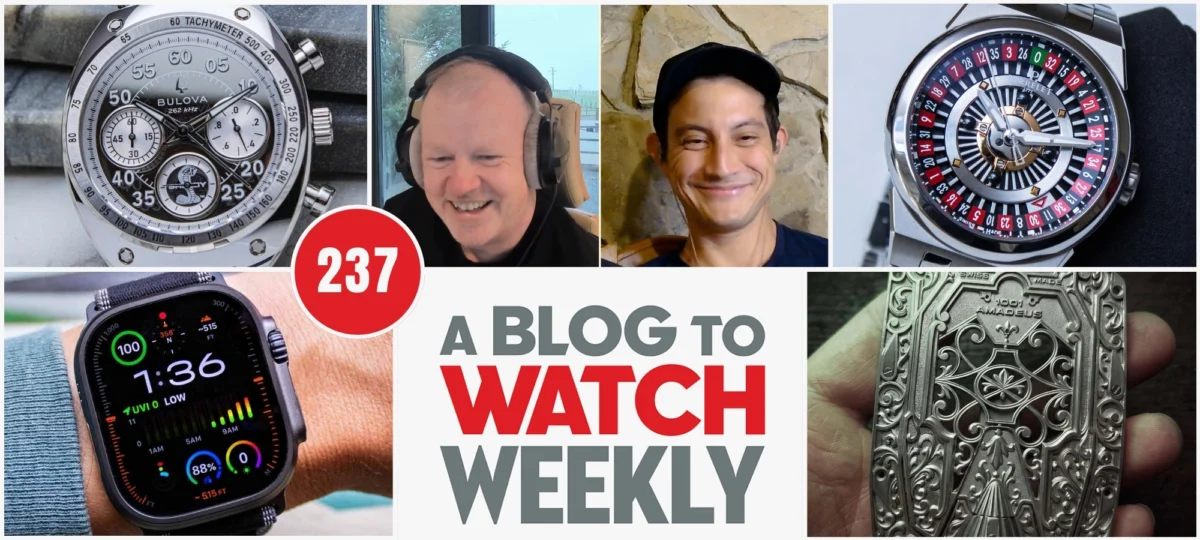
In the latest installment of the aBlogtoWatch Weekly podcast, hosts Rick and Ripley undertake a comprehensive examination of the contemporary horological landscape, dissecting the tension between market-driven hype and the personal satisfaction derived from watch ownership. This episode serves as a critical bridge between the high-octane world of luxury watch speculation and the pragmatic realities of collecting, offering a detailed analysis of recent product launches and the shifting preferences of enthusiasts in the secondary market.
The Psychology of Market Hype and Rolex Dominance
The episode begins with a foundational inquiry into the nature of desire within the watch industry: do the most sought-after timepieces, specifically those from Rolex, yield the highest levels of long-term owner satisfaction? This discussion arrives at a pivotal time for the secondary market. According to recent data from watch market analytics firms, the “hype bubble” that peaked in early 2022 has undergone a period of significant correction. While models like the Rolex Daytona and Submariner remain cultural touchstones, their market performance has stabilized, shifting the conversation from speculative asset growth to tangible utility.
The hosts delve into the "Rolex rabbit hole," a recurring theme in industry discourse that highlights the brand’s unique position as both a blue-chip asset and a consumer product. The analysis suggests that the disconnect between "popular models" and "personal connection" often leads collectors toward regret. To illustrate the absurdity of market trends, the hosts propose a hypothetical experiment: the creation of the most aesthetically "unfashionable" Rolex configuration. By examining how such a piece would fare on the secondary market, the podcast touches upon a larger truth in horology—that value is often tied as much to social validation as it is to technical or historical merit.
A Chronology of Recent Horological Releases
The podcast shifts focus to specific recent releases that represent diverse segments of the market, ranging from avant-garde independent watchmaking to accessible everyday luxury.
The Perrelet Turbine Casino: This model serves as a case study in theatrical watchmaking. The Turbine collection, known for its dial-side spinning rotor, draws inspiration from the mechanics of games of chance. By integrating a roulette-wheel aesthetic, Perrelet continues to leverage its history of innovation—dating back to Abraham-Louis Perrelet’s invention of the self-winding mechanism in the 18th century—to maintain relevance in a crowded market.
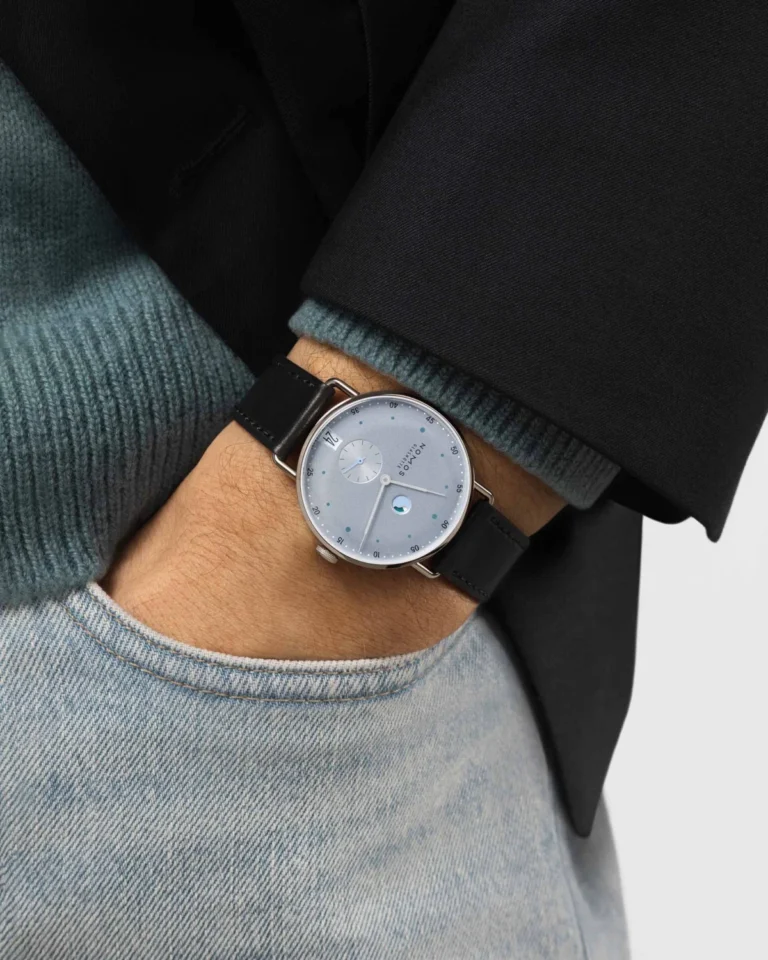
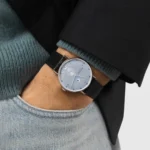
Formex Essence 39: The discussion surrounding the Formex Essence 39 highlights the importance of iterative design. In an industry where brands often fall into the trap of over-complicating new releases, the Essence 39 is cited for its restraint. Industry analysts have long noted that for mid-tier luxury brands, maintaining the integrity of a successful design language while refining build quality is often more profitable and well-received than drastic rebranding.
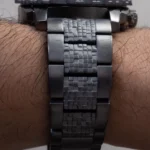
Bulova Shelby Racer Chronograph: Representing the intersection of automotive heritage and horology, the Bulova Shelby Racer Chronograph emphasizes high-contrast aesthetics and high-visibility dials. This partnership underscores the enduring appeal of motorsports-inspired chronographs, a segment that has seen renewed interest as brands seek to bridge the gap between casual collectors and racing enthusiasts.

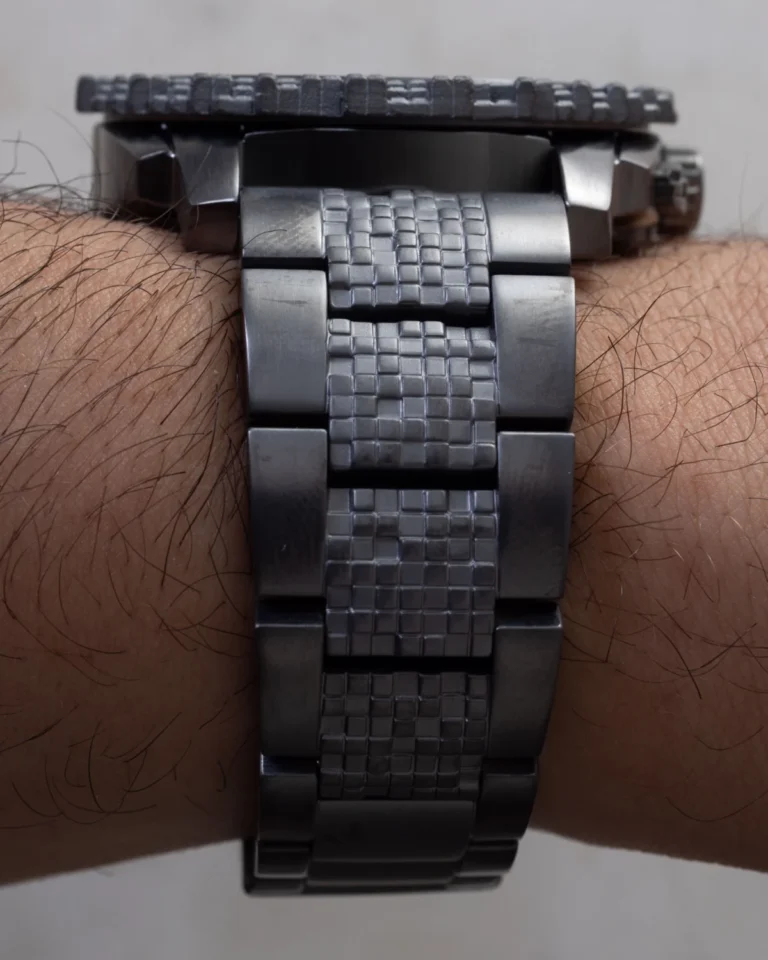
Urwerk UR-1001 Amadeus: Perhaps the most technically ambitious piece discussed, the Urwerk UR-1001 is a masterpiece of complex engineering. Designed to track time over a millennium, it serves as a reminder of the industry’s capacity for extreme mechanical feats. Urwerk, an independent brand that has defined the "Haute Horlogerie" sector for decades, uses the UR-1001 to push the boundaries of what a timepiece represents, shifting the focus from mere timekeeping to the measurement of deep time.
Supporting Data and Market Context
The watch industry has seen a marked transformation over the last decade. Following the surge in interest during the pandemic, the secondary market experienced a sharp increase in volume, followed by a cooling-off period. Industry reports indicate that while the demand for entry-level luxury watches has softened, the interest in independent watchmakers and historically significant vintage pieces remains robust.
The podcast hosts address the "visibility factor"—a phenomenon where collectors gauge the desirability of a watch based on how frequently it is recognized by strangers. This social currency aspect of watch collecting is supported by retail data showing that recognizable designs (often referred to as "entry-level luxury") continue to dominate total sales volume, even as seasoned collectors pivot toward more obscure, high-complication movements.
Official Industry Perspectives and Market Implications
While the podcast remains a conversational platform, the points raised mirror larger debates within the industry. When asked about the necessity of physical infrastructure—such as the hypothetical "Geneva chateau" mentioned by the hosts—industry insiders often point to the increasing need for "experience-based" retail. As e-commerce continues to cannibalize standard watch sales, brands are pivoting toward creating exclusive, high-touch environments to foster brand loyalty.
The implication here is clear: the future of the watch industry lies in the balance between digital accessibility and the tangible, human experience. The "reality show" facet of the discussion, while tongue-in-cheek, touches on a serious trend of media-driven watch culture. Brands are increasingly utilizing social media and long-form video content to build narratives around their products, moving beyond traditional print advertising to reach a more engaged, digitally native audience.
The Broader Impact: Sustainability and Design
The episode concludes by questioning the sustainability of the "hype" cycle. By advocating for models that value refinement over revolution—such as the Formex Essence 39—the hosts align with a growing segment of the collector community that favors longevity over the constant pursuit of the "next big thing."
This shift in consumer behavior has significant implications for manufacturers. To remain competitive, brands must ensure their supply chains are transparent and that their products hold inherent value beyond current trends. As the industry looks toward the next decade, the ability to combine historical craftsmanship with modern, user-centric design will be the primary differentiator between brands that fade into obscurity and those that achieve heritage status.
Summary of Market Trends Discussed
- Stabilization of the Secondary Market: The era of exponential growth for mainstream luxury models has transitioned into a period of market maturation.
- The "Refinement over Innovation" Paradigm: Successful brands are increasingly focusing on the iterative improvement of established models rather than pursuing radical design changes.
- The Rise of Independent Horology: High-complication, low-production timepieces like the Urwerk UR-1001 represent the pinnacle of horological expression and continue to command high interest among serious collectors.
- Cultural Integration: The role of the watch has expanded beyond a timekeeping device to a form of social currency, influenced by pop culture and media presence.
By synthesizing these diverse topics, the podcast provides a holistic view of the horological landscape. The conversation serves as a necessary check for collectors and enthusiasts, urging them to look past the superficial appeal of marketing campaigns and toward the technical and historical substance that defines true watchmaking excellence. As the industry continues to navigate the complexities of the global economy, the themes explored by Rick and Ripley—authenticity, technical curiosity, and market pragmatism—will undoubtedly remain central to the ongoing evolution of the trade.