










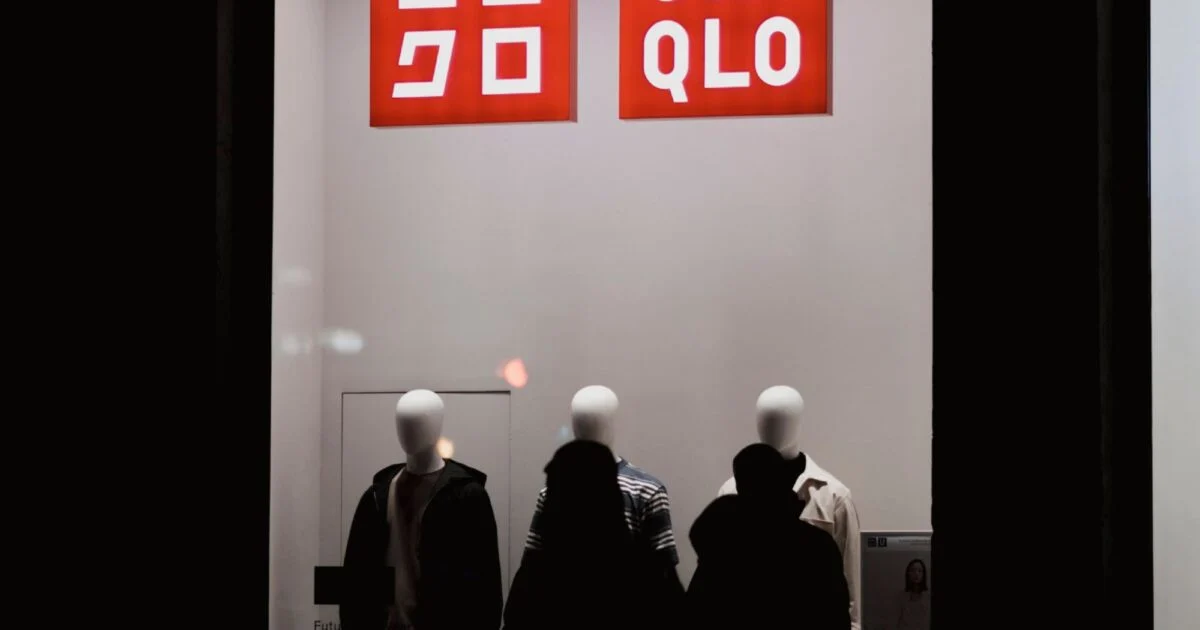
The global fast-fashion landscape is dominated by a handful of titanic corporations, yet few have achieved the ubiquitous reach and cultural entrenchment of Uniqlo. Founded in Hiroshima, Japan, in 1984 under the parent company Fast Retailing, the brand has expanded from a single regional menswear shop into an international empire comprising approximately 2,500 stores worldwide. Under the stewardship of billionaire founder Tadashi Yanai—consistently ranked among Japan’s wealthiest individuals—Uniqlo has openly declared ambitions to surpass industry titans like Zara and H&M to become the world’s largest apparel retailer.
However, this relentless trajectory of global expansion places Uniqlo under intense scrutiny from consumers, environmentalists, and watchdog organizations alike. While the brand’s minimalist aesthetic, everyday staples, and durable winter wear project an image of longevity that contrasts sharply with ultra-fast-fashion competitors, structural questions remain regarding its actual ecological and ethical footprint. Based on a comprehensive June 2026 evaluation by sustainability rating platform Good On You, Uniqlo holds a middling overall rating of “It’s a Start.” This evaluation underscores a complex corporate reality: while the company demonstrates commendable progress in specific labor practices, it lags significantly in material transparency, living wage commitments, and animal welfare standards, all while operating within a fundamentally high-volume business model.
A Chronological Evolution: From Hiroshima to Global Dominance
To understand Uniqlo’s current environmental and social standing, it is necessary to examine its corporate timeline and operational scaling. The journey began over four decades ago when Tadashi Yanai opened the first "Unique Clothing Warehouse" in Hiroshima, later abbreviated to "Uniqlo." The initial business model focused on low-cost, high-quality casual wear sold in self-service retail formats—a novel concept in Japan during the economic shifts of the mid-1980s.
By the late 1990s, Uniqlo achieved massive cultural penetration through successful product innovations, most notably its affordable, brightly colored fleece jackets. This success catalyzed a rapid domestic expansion followed by an aggressive international rollout across Asia, Europe, and North America. As the brand grew, Fast Retailing diversified its portfolio and optimized its supply chain, relying heavily on long-term manufacturing partnerships primarily located across Asian hubs such as China, Vietnam, Bangladesh, and Indonesia.
Despite its transition into a multinational juggernaut, Uniqlo has maintained its core marketing message: timeless, functional clothing designed to transcend seasonal micro-trends. Yet, as the brand scales toward Yanai’s ultimate objective of global retail supremacy, analysts emphasize that sheer volume inherently complicates sustainability. Selling hundreds of millions of garments annually across physical and digital storefronts requires a resource-intensive supply chain, regardless of how enduring an individual garment’s design might appear.
Environmental Impact: Green Claims Face Regulatory Scrutiny
Uniqlo’s environmental performance earned a “It’s a Start” rating from sustainability analysts, reflecting a mixture of proactive circularity initiatives and persistent transparency gaps. On the positive side, the retailer has established infrastructure aimed at addressing textile waste, including in-store garment recycling programs and repair initiatives like the Re.Uniqlo Studio, which helps customers mend and extend the life of their purchases. Furthermore, the brand’s design philosophy inherently favors classic silhouettes over rapid trend cycles, theoretically slowing down the consumer disposal rate.
However, these efforts are frequently overshadowed by the sheer scale of production and aggressive commercial strategies. Uniqlo routinely engages in seasonal discounting and promotional markdowns, pricing mechanisms designed to accelerate inventory turnover and encourage high-volume consumption. From a systemic perspective, these practices align closely with traditional fast-fashion paradigms, generating substantial carbon footprints and post-consumer waste.
Compounding these structural challenges are transparency issues surrounding material sourcing. While Uniqlo utilizes various lower-impact and recycled materials, analysts note a critical lack of public aggregate data detailing the exact percentage these fabrics constitute within the brand’s total material mix. Without transparent data breakdowns, verifying the true scope of a brand’s sustainable material transition remains difficult for independent auditors and conscious consumers alike.
The scrutiny surrounding environmental marketing intensified significantly when regulatory bodies intervened in corporate claims. In June 2026, the United Kingdom’s Advertising Standards Authority (ASA) officially banned a Uniqlo promotional campaign after determining that the brand’s claims regarding a fleece being constructed from “recycled materials” were overly vague and insufficiently substantiated. Incidents of this nature highlight a broader industry challenge: the imperative for multinational retailers to substantiate environmental marketing claims with rigorous, accessible data rather than broad sustainability narratives.
On the operational front, Uniqlo has established formal science-based targets aimed at reducing supply chain greenhouse gas emissions and has publicly stated objectives to phase out hazardous chemicals from its manufacturing processes. Nevertheless, independent evaluations at the time of the June 2026 review noted a lack of transparent, verifiable progress reports confirming whether the company was definitively on track to meet these critical ecological milestones.
Labor Conditions: Strong Foundations and Persistent Wage Gaps
While Uniqlo’s environmental metrics reveal areas for improvement, its labor practices present a more encouraging picture, earning the brand a “Good” rating in social welfare. The company’s manufacturing tier—specifically its final stage production facilities—operates under a social auditing program accredited by the Fair Labor Association (FLA). Furthermore, Uniqlo’s corporate Code of Conduct formally incorporates the International Labour Organization’s (ILO) Four Fundamental Freedoms principles, safeguarding foundational worker rights.
To foster stability within its manufacturing ecosystem, Uniqlo has introduced financial security initiatives designed to support supplier factories, thereby mitigating economic volatility that often trickles down to factory floor workers. Additionally, the brand has implemented targeted leadership and professional development programs explicitly designed to empower women and promote upward mobility within the textile manufacturing workforce. These structural commitments represent the caliber of social governance expected from multinational corporations wielding significant financial and operational leverage.
Despite these achievements, a glaring deficiency remains: the absence of guaranteed living wages across the supply chain. While Uniqlo acknowledges worker compensation through internal continuous improvement projects, independent analysts found no verifiable evidence confirming that employees at any tier of its manufacturing network receive wages sufficient to cover basic living costs with discretionary savings. For a brand of Uniqlo’s financial magnitude, closing the gap between minimum legal wages and verified living wages represents the most pressing next step in fulfilling its ethical obligations to its workforce.
Animal Welfare: Progress Without Comprehensive Certification
Uniqlo’s approach to animal welfare received a rating of “It’s a Start,” characterized by commendable exclusions offset by inadequate traceability frameworks. On the positive side, the corporation explicitly bans the use of exotic and controversial animal-derived materials, including real fur, alpaca, shearling, and mohair.
However, animal-derived fibers remain integral to Uniqlo’s core seasonal merchandise, particularly during autumn and winter. The retailer relies heavily on down, cashmere, and wool for popular product lines such as lightweight puffer jackets, winter sweaters, and scarves. While Uniqlo stipulates that its wool must be sourced from non-mulesed sheep, analysts note a lack of transparent supply chain verification mechanisms to prove how this policy is enforced across farms.
Furthermore, the brand’s overarching animal welfare policy fails to align fully with the internationally recognized Five Freedoms framework. Although Uniqlo utilizes leather extensively in its accessory lines, it has yet to adopt robust industry certifications—such as Leather Working Group standards—which ensure traceability, responsible environmental management, and strict animal welfare protocols throughout the leather tanning and production pipeline.
Broader Industry Implications and Conscious Consumerism
The evaluation of Uniqlo by sustainability watchdogs illuminates the nuanced realities of modern apparel retail. Brands cannot be easily categorized into binary definitions of entirely sustainable or purely exploitative. Uniqlo occupies a complex middle ground; it significantly outperforms ultra-fast-fashion competitors that release thousands of hyper-cheap, disposable styles weekly, yet it continues to generate environmental pressures driven by mass-market manufacturing and high-volume consumption.
For consumers navigating this landscape, industry experts emphasize a philosophy of progress over perfection. Purchasing a durable, timeless staple from a brand rated "It’s a Start" carries a markedly lower environmental impact than supporting ultra-fast-fashion alternatives that show negligible regard for people or the planet. Furthermore, consumer advocacy plays a vital role in corporate accountability; public demand communicated through retail purchasing habits and direct engagement encourages mainstream giants to accelerate their sustainability transitions.
Ultimately, as Uniqlo pursues its ambition to dominate the global retail market, its long-term viability will depend not merely on commercial expansion, but on translating high-level policy commitments into transparent, verifiable actions across environmental stewardship, living wage implementation, and ethical supply chain management.