








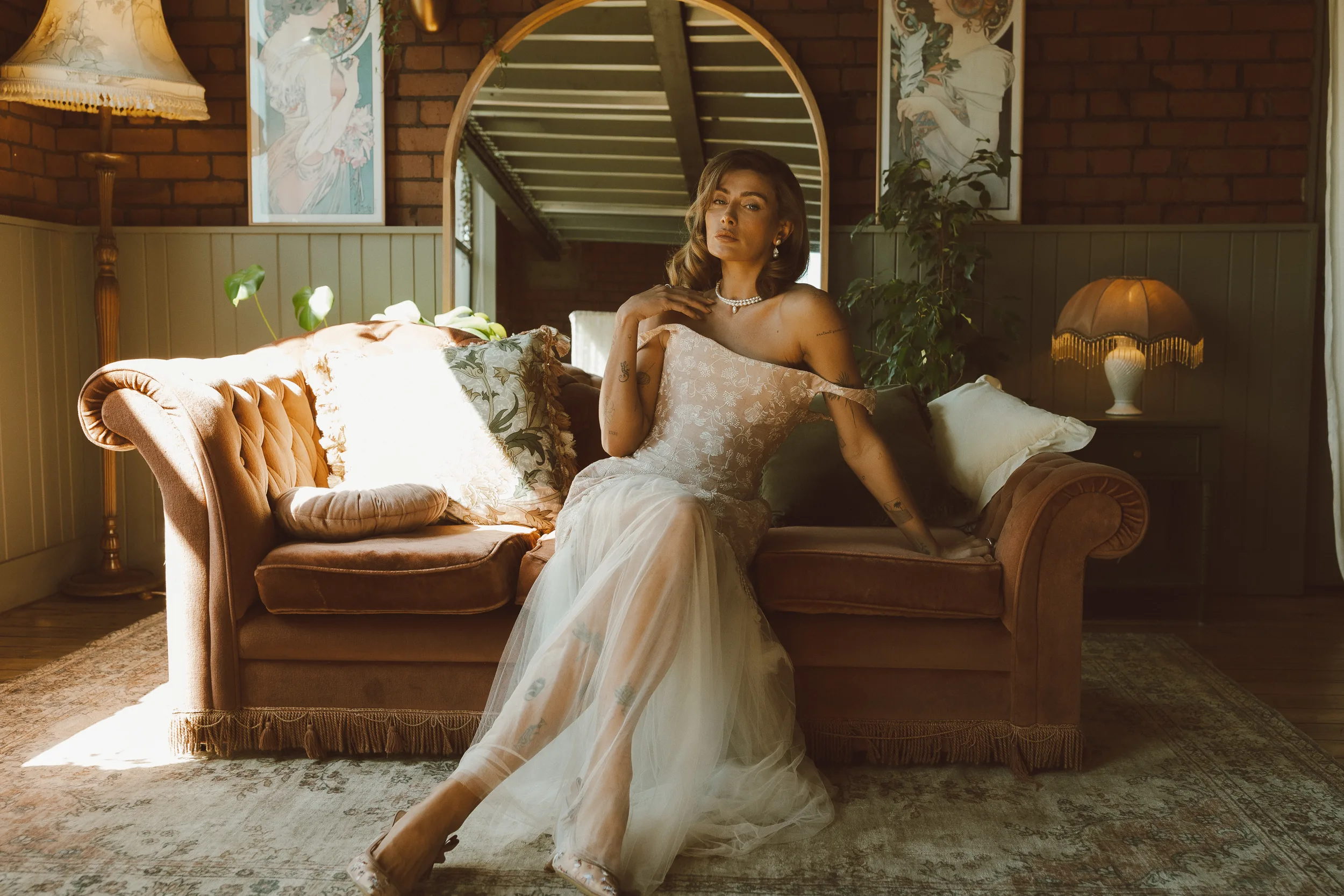
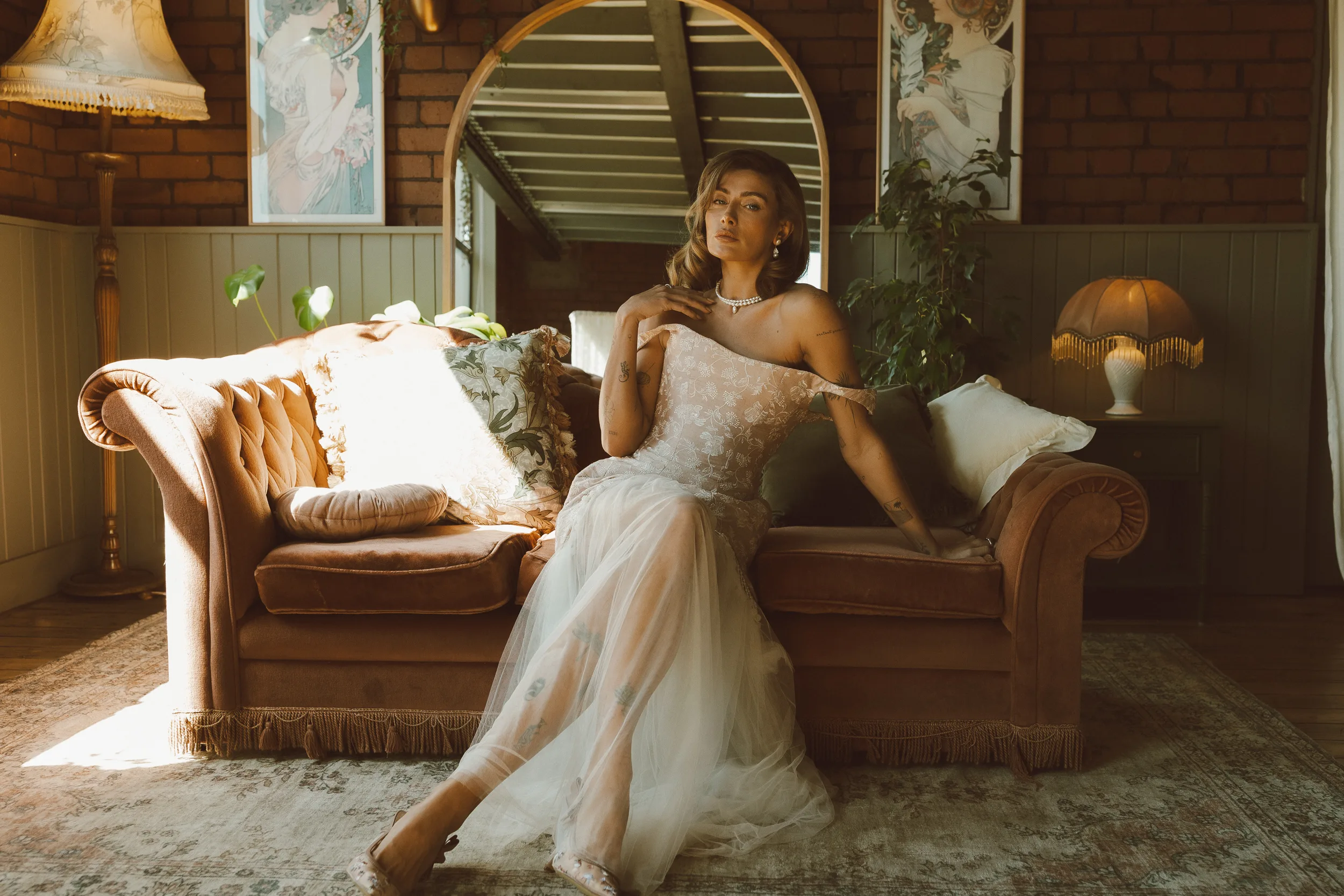
The Manchester-based bridal fashion sector has reached a significant milestone with the expansion of Bronwen Bridge’s design operations into a newly renovated studio space. This move signifies more than just a change of address; it represents a deepening commitment to the bespoke, artisanal methodology that is increasingly defining the luxury wedding market in the North of England. Located within the historic walls of a converted Victorian-era red-brick schoolhouse, the new studio serves as a dual-purpose hub for both technical garment construction and high-end client consultations. The expansion comes at a time when the UK bridal industry is witnessing a pivot away from mass-produced "off-the-peg" solutions toward highly personalized, collaborative design experiences.
The Architectural Context and Studio Design
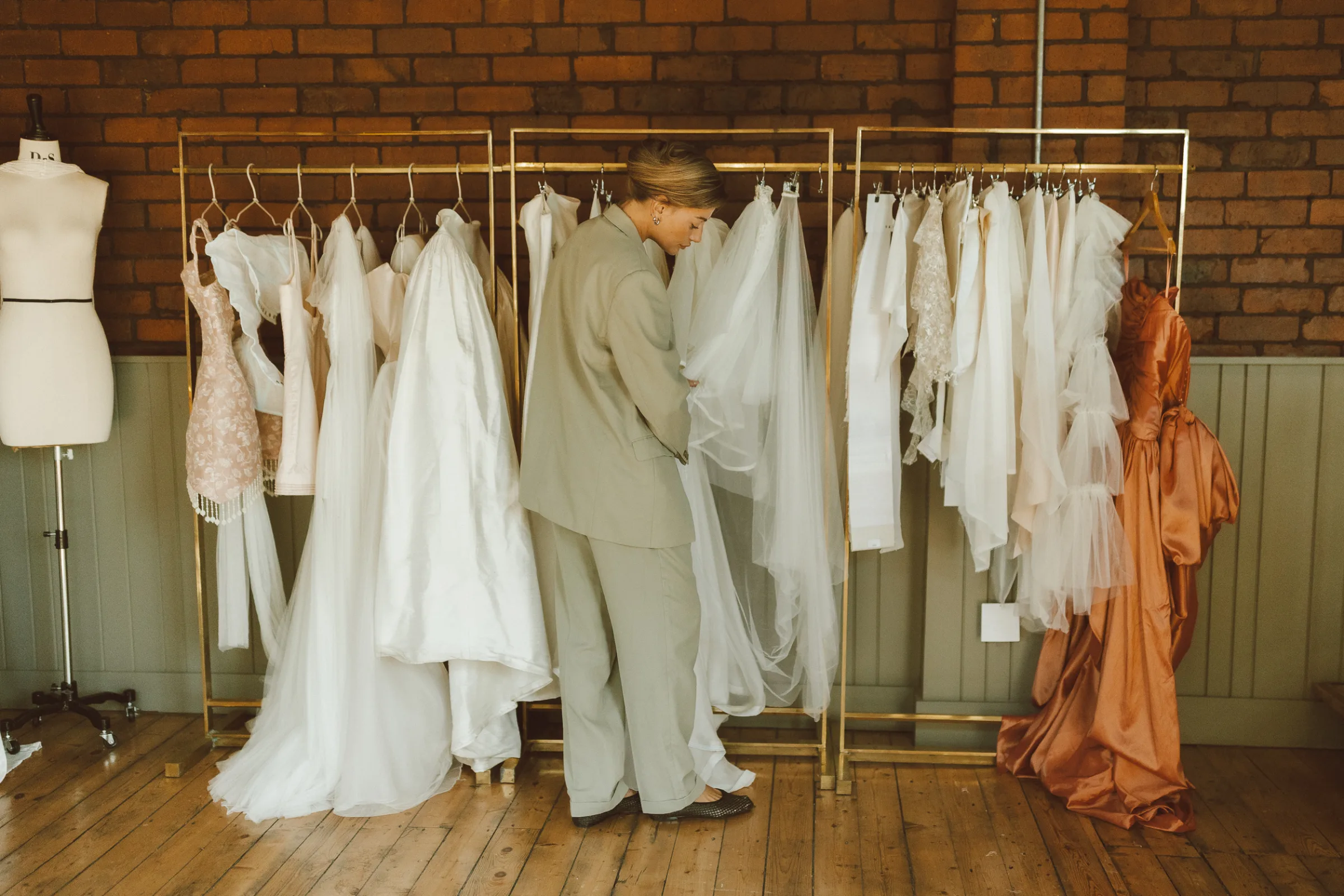
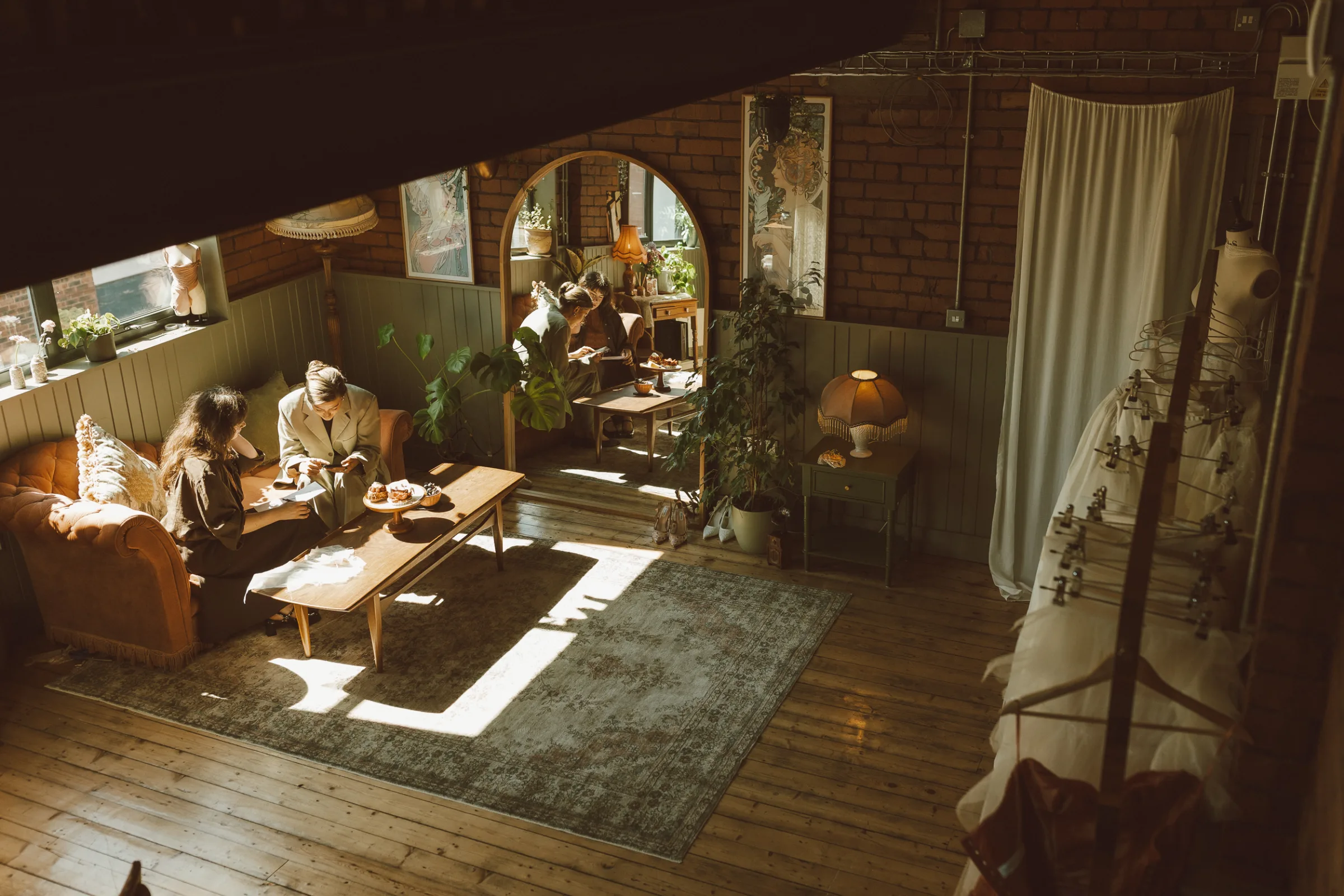
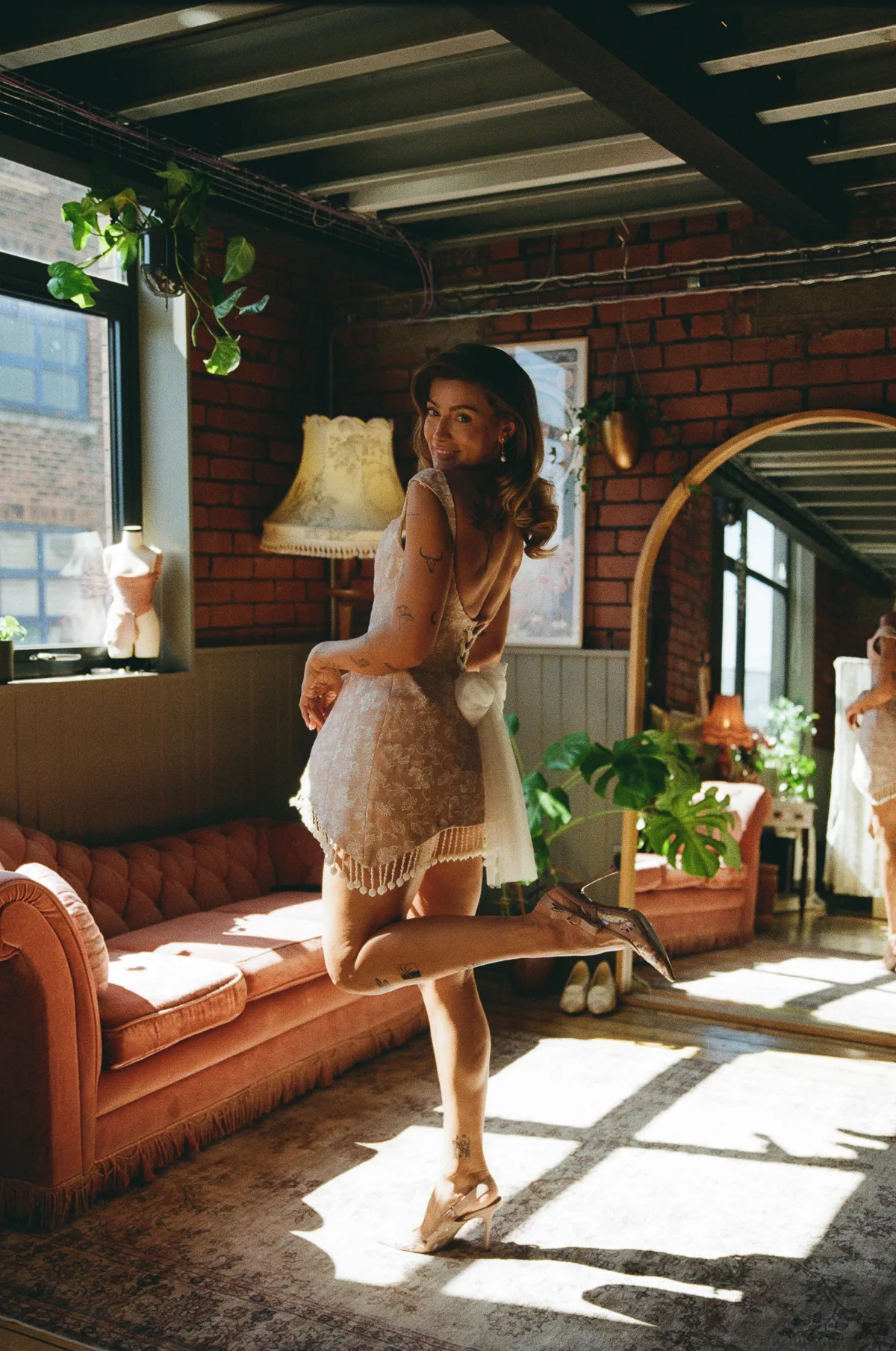
The selection of a converted red-brick boys’ school as the site for the new Bronwen Bridge studio is a deliberate nod to Manchester’s industrial heritage. Known historically as "Cottonopolis," Manchester has long been the heart of the global textile trade, and the repurposing of its industrial architecture for modern creative enterprises is a hallmark of the city’s urban regeneration. The studio retains many of the building’s original features, including weathered pine floorboards and expansive industrial windows that provide the consistent, natural light essential for precise color matching and fine needlework.
The workspace is strategically organized across two levels to facilitate different stages of the design lifecycle. The upper mezzanine is dedicated to the technical "making" phase, housing heavy-duty sewing machinery and specialized tools for hand-finishing. The lower level is designed as an open-plan salon for fabric cutting and client fittings. This separation of space allows for a seamless transition between the "grit" of construction and the "glamour" of the fitting process, ensuring that clients are immersed in the creative atmosphere without compromising the efficiency of the atelier.
The Evolution of the Bespoke Process
At the center of the studio’s unveiling is the introduction of "Oria," a bespoke gown designed specifically to showcase the capabilities of the new space. The creation of Oria highlights the meticulous steps involved in bespoke bridal fashion, a process that typically spans six to twelve months from initial sketch to final delivery.
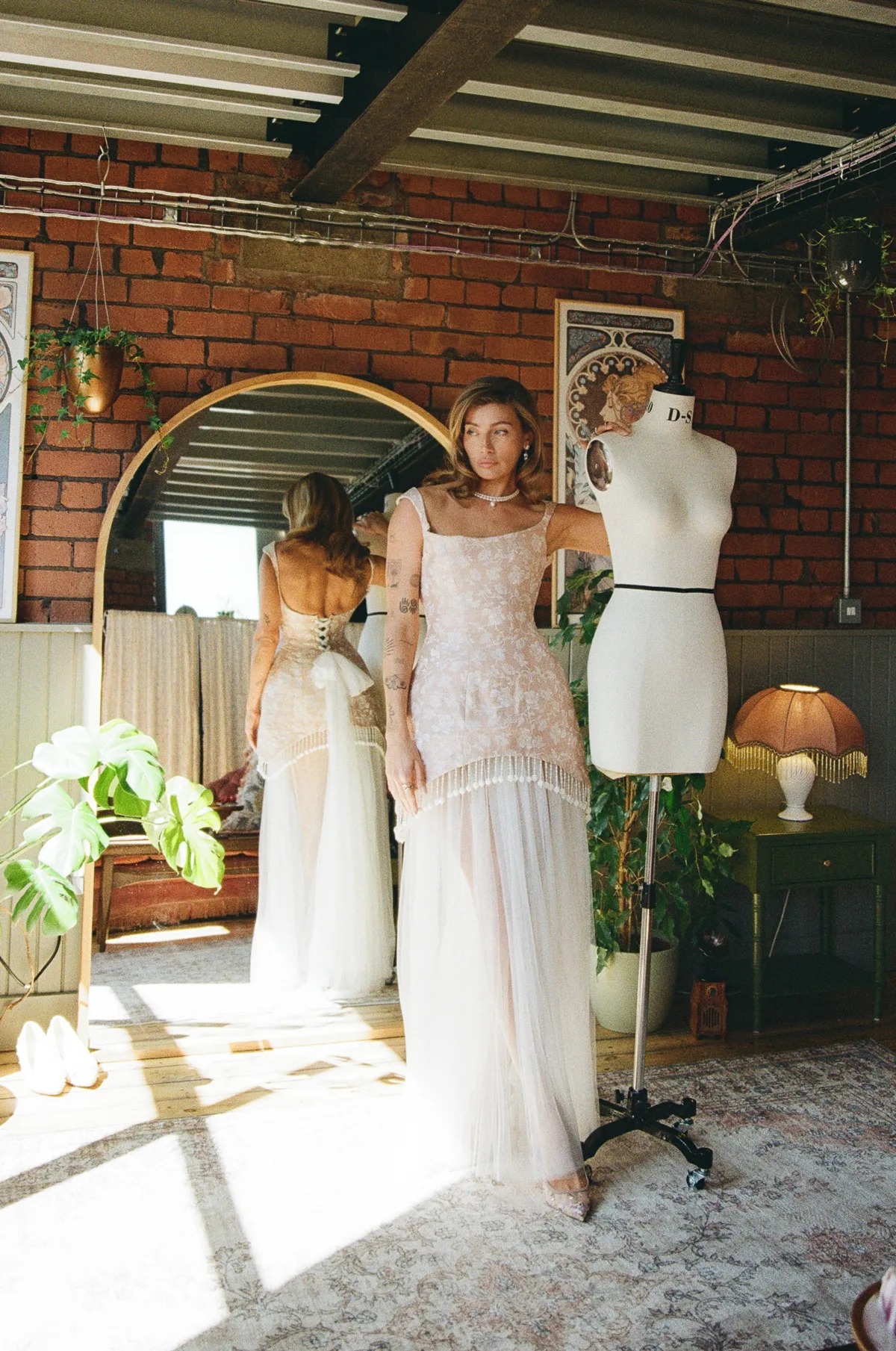
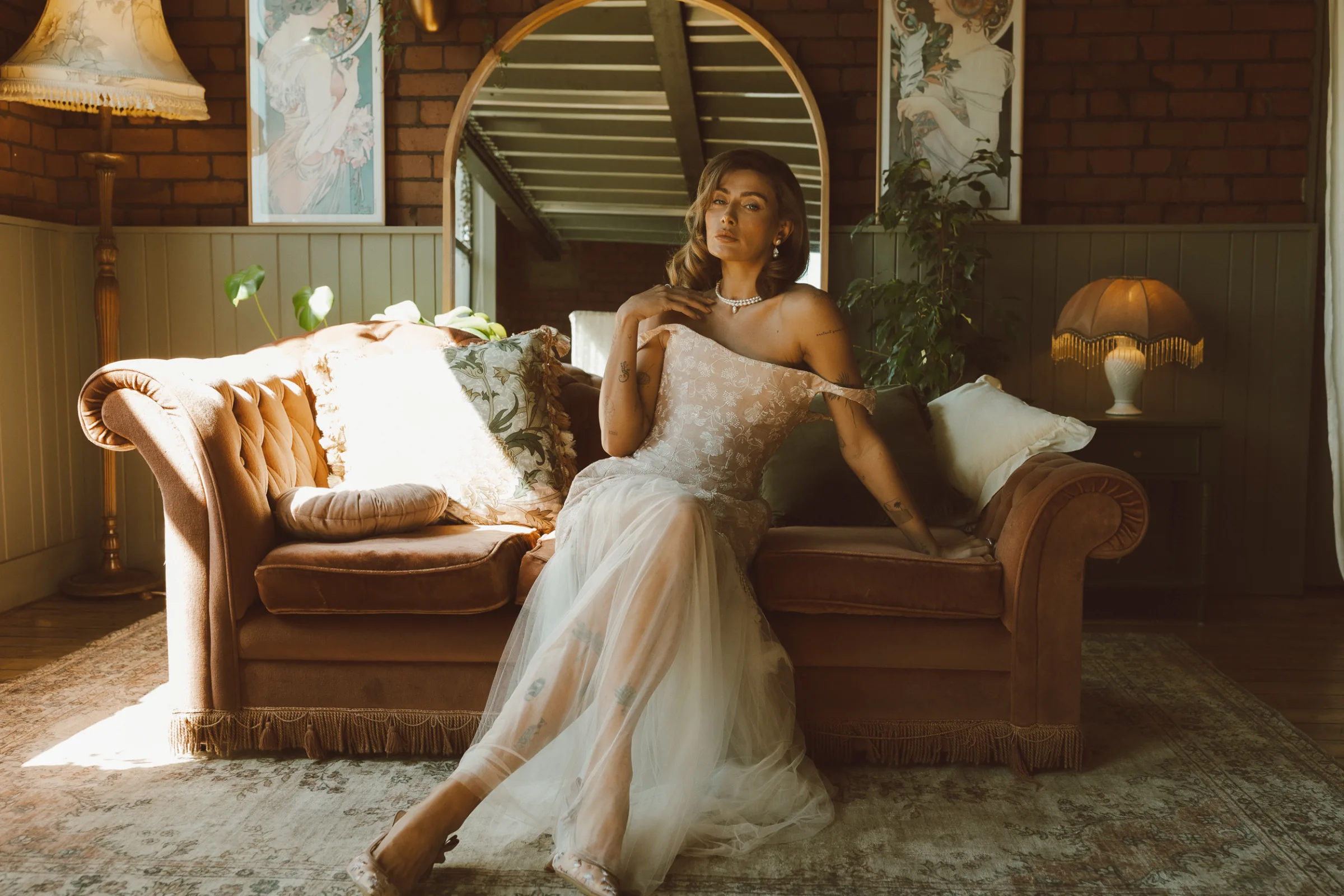
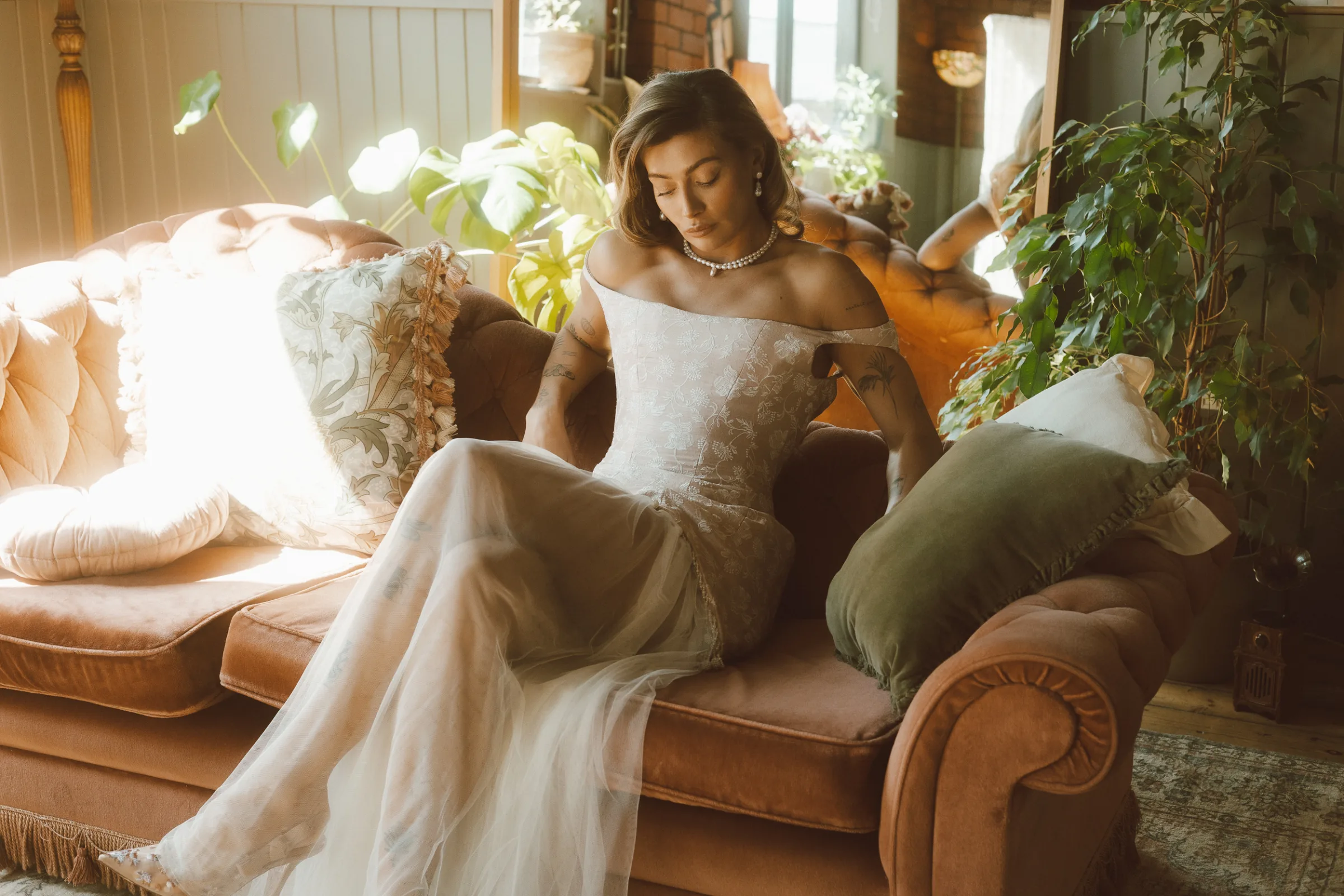
The design of Oria was influenced by a sudden interest in vintage interior aesthetics, specifically a mid-century dusky pink lamp discovered by the designer. This transition from interior design to wearable art is a common thread in high-fashion couture, where silhouette and structure often mirror architectural or decorative forms. The gown is constructed from dusky pink silk dupion—a fabric chosen for its crisp texture and subtle sheen—and features an intricate ivory embroidered overlay.
The technical specifications of the Oria gown include:
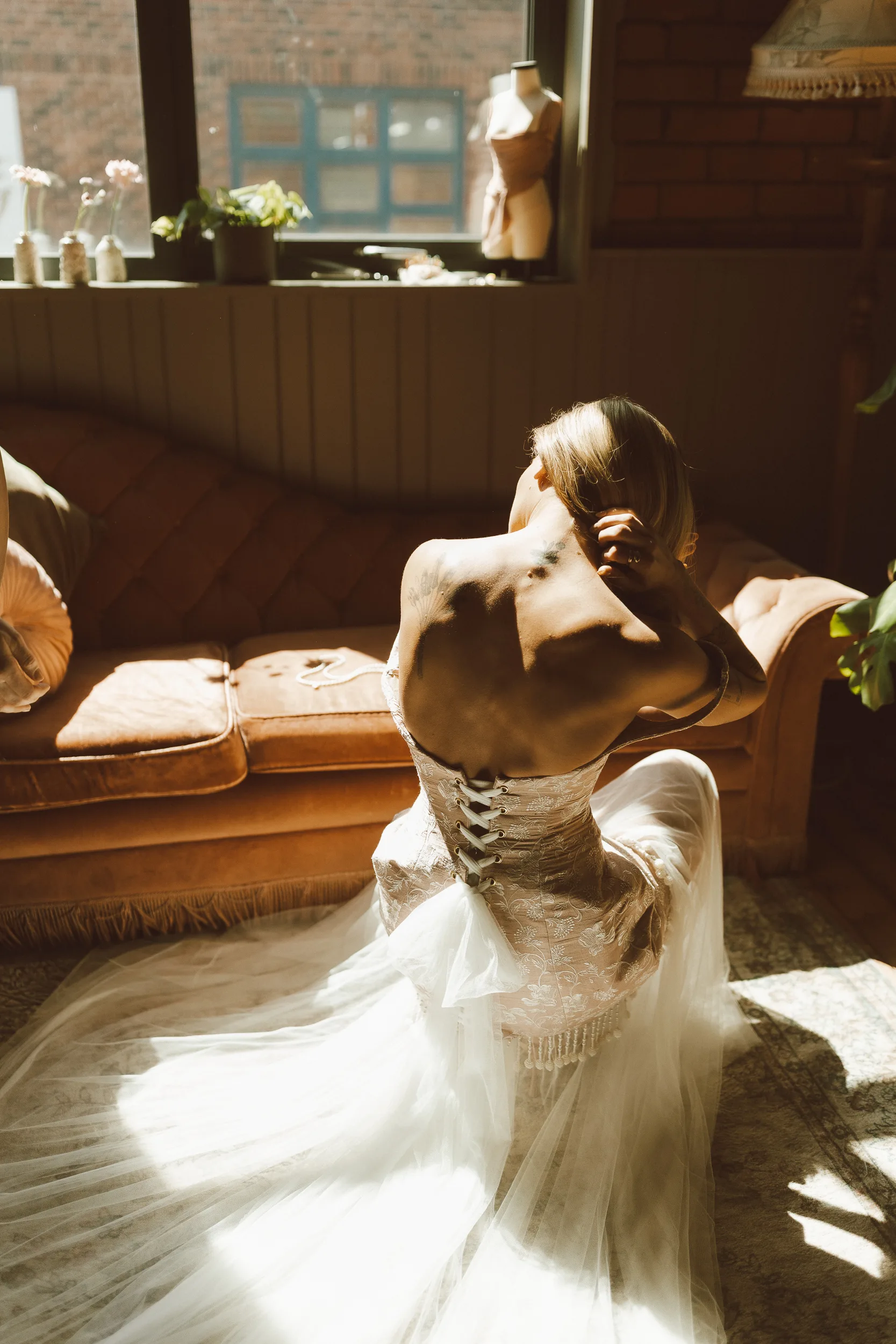
- Structured Corsetry: An internal boning system designed to provide support while maintaining a clean, off-the-shoulder neckline.
- Exaggerated Silhouette: The use of structured padding to create "exaggerated hips," a historical reference to 18th-century panniers reimagined for a modern aesthetic.
- Artisanal Detailing: Pearl fringing at the hemline, which provides movement and a tactile quality to the mini-dress base.
- Versatility: A multi-layered tulle skirt that is fully removable, allowing the bride to transition from a formal floor-length ceremony look to a playful evening ensemble.
Chronology of Development
The transition to the new Manchester studio followed a structured timeline that reflects the steady growth of the Bronwen Bridge brand:
- Autumn Assessment: Following a high-volume summer wedding season, Bridge identified the logistical limitations of her previous workspace. The need for a dedicated area for large-scale fabric cutting and private client hosting became the primary driver for the move.
- Site Selection and Renovation: The designer secured a larger unit within the same historic school building she had previously occupied, allowing for business continuity while significantly increasing square footage.
- Inspiration and Prototyping: During the move, the "Oria" concept was developed. This phase involved sourcing specific silk dupion and experimenting with the weight of pearl fringing to ensure the garment’s balance.
- Collaborative Production: The final quarter saw the assembly of a creative team to document the new space. This included Alessandra of Ariel in Blue for photography, Sophie Griffiths for hair and makeup, and Joannah & Grace for bespoke jewelry.
- The Documentary Shoot: The project culminated in a multi-media photoshoot using both digital and 35mm film to capture the "lived-in" reality of the studio.
Market Analysis and Supporting Data
The expansion of independent designers like Bronwen Bridge is supported by broader economic trends within the UK wedding industry. According to market research, the UK bridal wear market is valued at approximately £1.3 billion annually. However, consumer behavior is shifting; a 2023 industry report indicated that 35% of modern brides are prioritizing "sustainability and craftsmanship" over brand names, leading to a surge in demand for local, independent designers.
The "Slow Fashion" movement has also permeated the bridal sector. Unlike fast-fashion retailers, bespoke designers operate on a made-to-order basis, which virtually eliminates inventory waste. By focusing on high-quality materials like silk and handmade lace, these garments are designed for longevity and can often be repurposed or passed down as heirlooms, aligning with the environmental values of younger demographics.
Collaborative Synergy and Professional Responses
The successful launch of the new studio and the Oria design was dependent on a network of regional specialists. The choice of Alessandra (Ariel in Blue) as the photographer was instrumental in conveying the brand’s identity. By utilizing 35mm film, the project captured a grainy, authentic texture that digital photography often lacks, emphasizing the "human hand" behind the clothes.
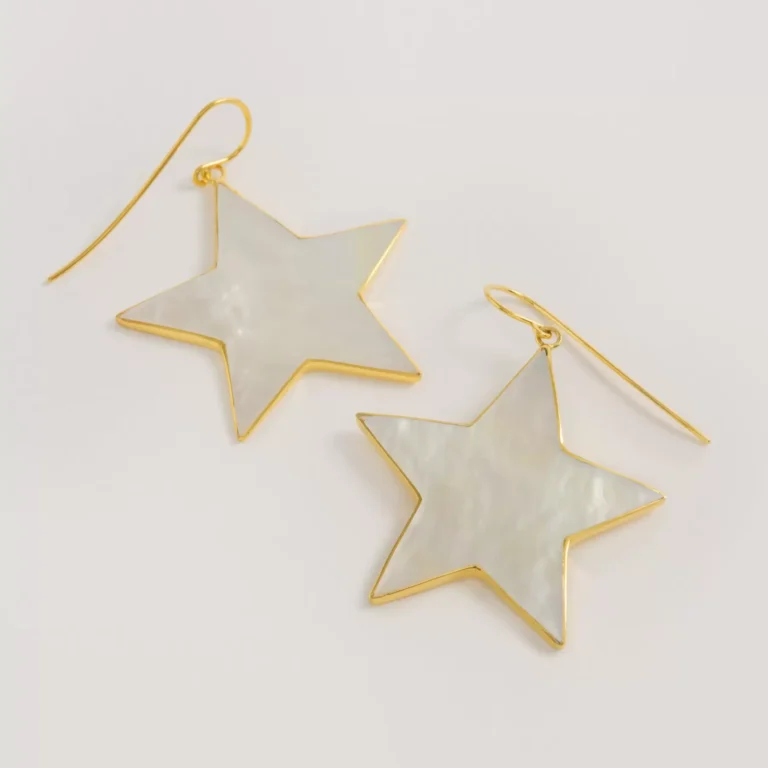
Sophie Griffiths, a prominent figure in the Northern beauty industry, provided the glamorous styling for model Lisa May Jolley, while Joannah & Grace contributed handmade pearl jewelry. This collaboration underscores the importance of the "creative cluster" in Manchester, where independent businesses support one another to create a comprehensive luxury offering.
Industry observers have noted that Bridge’s approach demystifies the bespoke process. While custom-made gowns are often perceived as inaccessible, the documentary-style photography of the studio—showing pins, measuring tapes, and half-finished seams—positions the process as a transparent, albeit highly skilled, service. This transparency is key to building trust in the high-stakes environment of wedding planning.
Broader Implications for the Fashion Industry
The growth of Bronwen Bridge’s studio has implications that extend beyond the bridal market. It serves as a case study for the viability of specialized manufacturing in the UK. As global supply chains become more volatile, the return to localized production offers a more resilient model for luxury fashion.
Furthermore, the focus on "feminine design references" and "interiors" suggests a blurring of lines between different creative disciplines. The studio is not merely a factory; it is a curated environment where the atmosphere informs the product. This holistic approach to branding—where the workspace is as much a part of the product as the dress itself—is becoming a requirement for luxury brands looking to differentiate themselves in a saturated digital landscape.
Future Outlook
Looking ahead, the Bronwen Bridge studio is positioned to become a cornerstone of the Manchester bridal scene. The mezzanine structure provides room for future scaling, potentially allowing for the apprenticeship of new tailors and seamstresses, which would further contribute to the preservation of traditional garment-making skills in the region.
The Oria gown, as a flagship piece for the new studio, sets a high bar for future collections. It demonstrates that contemporary bridal wear can be both avant-garde and deeply rooted in historical craftsmanship. As more brides seek out experiences that offer "care, integrity, and a genuine understanding" of their needs, the collaborative, studio-based model pioneered by designers like Bridge is likely to become the gold standard for the industry.
In conclusion, the opening of the new Manchester studio is a testament to the enduring appeal of bespoke fashion. It proves that even in an era of mass production, there is a profound appetite for work created with intention. By combining the industrial grit of Manchester with the delicate refinement of bridal couture, Bronwen Bridge has created a space that honors the past while looking firmly toward the future of independent design.