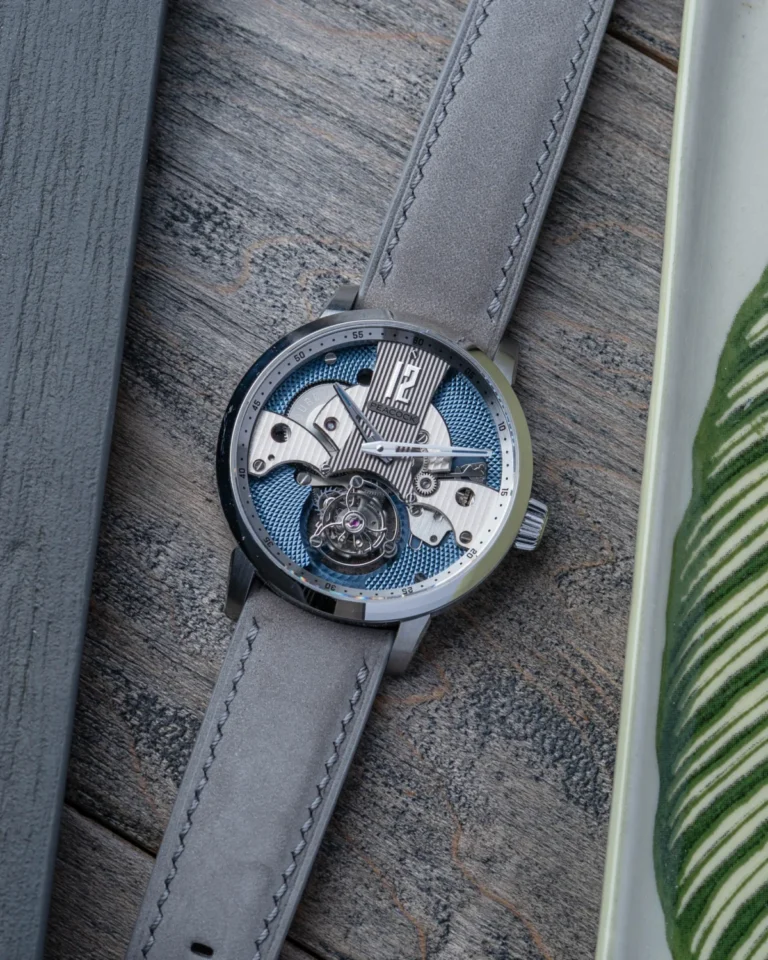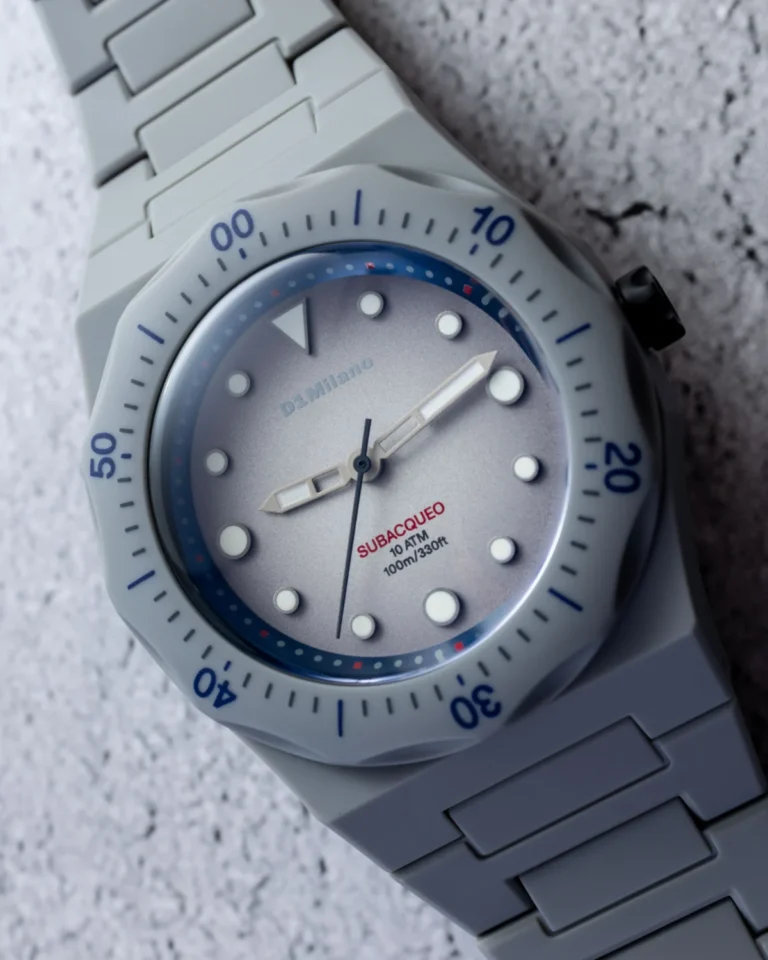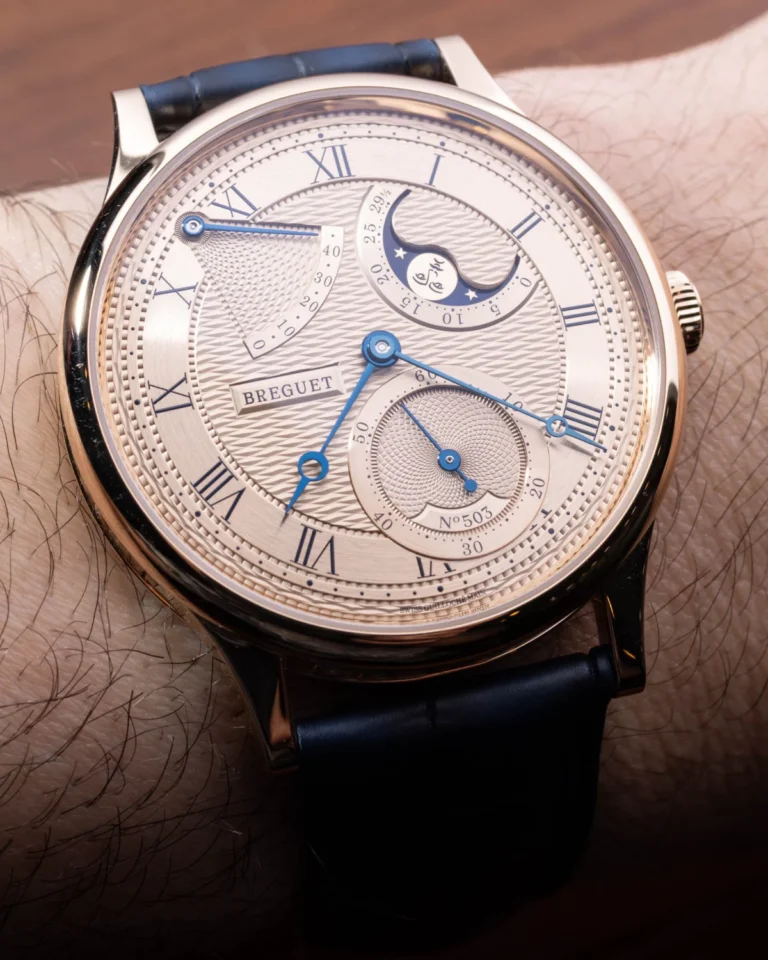









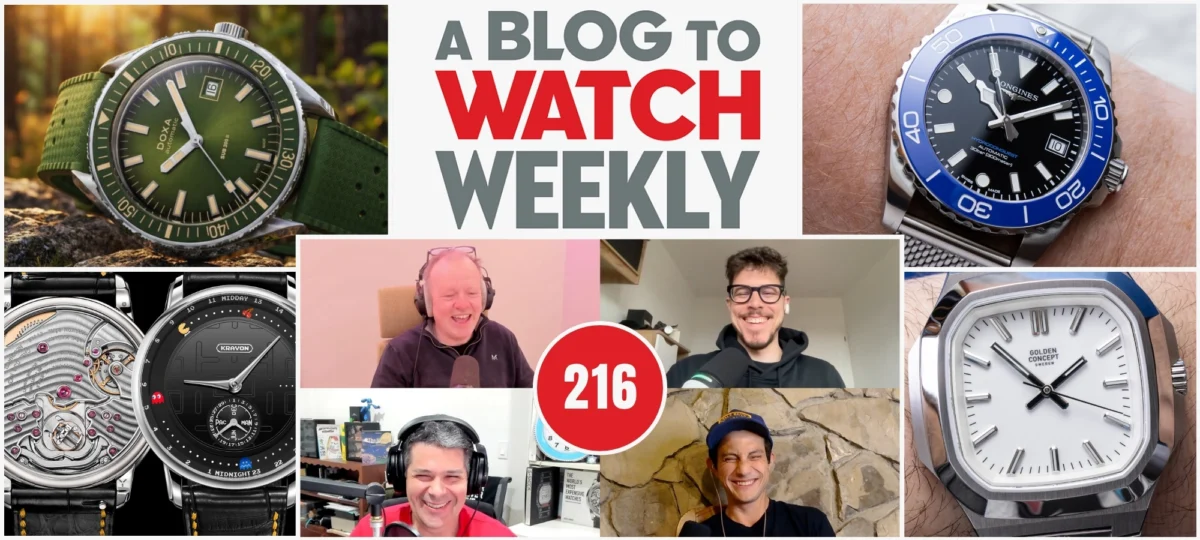
The latest episode of aBlogtoWatch Weekly, a popular podcast and video series dedicated to authentic watch conversations, delves into a series of intriguing topics that have captured the attention of the horological community. Hosted by Rick, Ariel, David, and Ripley, the discussion navigates the often-unpredictable landscape of watchmaking, from the surprising emergence of affordable tourbillons to the curious intersection of beverage brands and timepieces, and the ongoing debate surrounding Longines’ design philosophy.
The Enigmatic Budget Tourbillon: A Case of Audacity or Innovation?
The episode opens with an exploration of a tourbillon watch that, by all accounts, offers the complication at a price point that challenges conventional understanding. The hosts express a blend of fascination and bewilderment, questioning the target audience for such a timepiece and the manufacturing strategies that enable its existence. A tourbillon, historically the pinnacle of watchmaking complexity and a symbol of horological mastery, has long been exclusive to the highest echelons of luxury watchmaking due to its intricate design and demanding assembly. The average cost of a tourbillon watch from established haute horlogerie brands can range from tens of thousands to hundreds of thousands of dollars, with some exceptional pieces reaching well into the millions.
The emergence of tourbillons at significantly lower price points, often in the sub-$10,000 or even sub-$5,000 range, has been a growing trend over the past decade. This phenomenon is largely attributed to advancements in manufacturing technology, particularly in China, which has become a significant hub for producing watch movements, including complex ones like the tourbillon. Manufacturers have streamlined production processes, leveraged economies of scale, and often employed less exotic materials or finishing techniques compared to Swiss high-end counterparts.
However, the hosts’ discussion suggests that this particular budget tourbillon pushes the boundaries, prompting a debate on its ultimate value proposition. Is it a genuine democratization of a once-exclusive complication, offering enthusiasts an accessible entry point into appreciating the mechanics of a tourbillon? Or does it represent a dilution of the complication’s prestige, potentially prioritizing sheer technical display over the nuanced craftsmanship and heritage that traditionally define luxury watches? The conversation hints at a watch that might be "unhinged" in its ambition, provoking questions about its long-term reliability, the ethical sourcing of its components, and the overall market demand for such a product. This raises broader implications for the watch industry, as it forces a reevaluation of what constitutes value in a luxury good and how technological accessibility can reshape established market hierarchies.
Beverage Branding and Timepieces: A Questionable Confluence?
The discussion then takes a sharp turn into the realm of unexpected brand collaborations, specifically focusing on energy drink-inspired watches. This segment seems to have sparked considerable, perhaps even humorous, debate among the hosts, questioning the strategic rationale behind such partnerships. The integration of beverage branding into watch design is not entirely unprecedented. Brands like Coca-Cola and Pepsi have, at various times, licensed their logos for use on watches, often targeting a mass-market audience with affordable quartz timepieces. Similarly, sports-related brands or teams often have watch collaborations.
However, the discussion appears to center on a more direct integration, where the essence or aesthetic of an energy drink is translated into a watch design. This could involve vibrant, almost neon color schemes, aggressive font choices, or even design elements that mimic the packaging or branding of popular energy drinks. The hosts’ reactions suggest a degree of skepticism, posing the fundamental question: should a consumer’s beverage choice and their wrist adornment ever be part of the same product strategy?

From a marketing perspective, such collaborations can aim to tap into a younger demographic that identifies with the lifestyle and brand image of energy drinks. These consumers might be less concerned with traditional watchmaking heritage and more attracted to bold, statement-making accessories that reflect their personal identity and consumption habits. The energy drink market itself is a multi-billion dollar industry, indicating a significant consumer base. However, the hosts’ apprehension suggests a potential disconnect between the perceived sophistication of watchmaking and the often-ephemeral nature of beverage trends.
The implications of such partnerships are multifaceted. For the watch brand, it offers potential access to a new, potentially younger demographic. For the energy drink brand, it provides a tangible, wearable extension of their brand identity. However, it also risks alienating traditional watch enthusiasts who may view the collaboration as a gimmick or a dilution of the watch brand’s credibility. The long-term impact on brand perception for both entities is a significant consideration. Will these watches become sought-after collectibles for a niche audience, or will they fade into obscurity as beverage trends shift? The hosts’ animated discussion likely reflects a genuine concern about the erosion of watchmaking’s inherent artistic and technical value when intertwined with rapidly changing consumer fads.
Longines and the Specter of Design Familiarity: A Conservative Approach in a Dynamic Market
The conversation shifts to a more established and respected brand, Longines, and a recent release that has ignited considerable discussion regarding its design inspiration. The hosts delve into the perceived familiarity of the aesthetic, prompting a debate about the brand’s strategic choices in the current competitive watch market. Longines, a brand with a rich heritage dating back to 1832, is known for its elegant designs, often drawing inspiration from its extensive archives of vintage timepieces. This approach has generally been well-received, contributing to its appeal among collectors who appreciate classic aesthetics.
However, the recent release has evidently struck a chord, with some observers suggesting that the design leans heavily on existing, successful models, both within Longines’ own portfolio and potentially from other brands. This raises questions about the fine line between paying homage to heritage and merely replicating past successes. In the current watch market, which is characterized by a resurgence of interest in vintage-inspired pieces and a strong demand for accessible luxury, brands are often under pressure to deliver designs that resonate with consumer preferences. Data from industry reports, such as those by Deloitte and the Federation of the Swiss Watch Industry (FH), consistently highlight the strong performance of brands that offer compelling designs at accessible price points, with vintage-inspired models often leading the charge.
The discussion highlights several key aspects of brand strategy:
- Design Inspiration vs. Replication: The core of the debate lies in discerning whether Longines is skillfully reinterpreting its heritage or conservatively relying on proven formulas. While homage is a legitimate design tool, excessive reliance can lead to accusations of a lack of originality.
- Brand Positioning: Longines occupies a crucial space in the market, positioned as a premium accessible brand, bridging the gap between entry-level quartz watches and high-end luxury. Its design choices are therefore critical in maintaining this delicate balance and attracting its target demographic.
- Market Dynamics: The watch industry is highly competitive. Brands like Longines face pressure from both established heritage brands and newer independent watchmakers. A perceived lack of innovation could allow competitors to capture market share.
- Watch Collecting Psychology: Consumers often seek watches that evoke a sense of history, craftsmanship, and enduring style. However, they also appreciate novelty and innovation. The challenge for Longines, and indeed many heritage brands, is to satisfy both desires simultaneously.
The hosts’ analysis suggests that while a conservative approach can be safe and yield predictable results, it may also stifle creativity and long-term brand growth. The implications for Longines are significant. If the brand is perceived as resting on its laurels, it could lose its edge and appeal to collectors seeking fresh perspectives. Conversely, a successful reinterpretation of classic designs can solidify its position as a leader in accessible luxury. The debate also touches upon the broader implications for the Swiss watch industry, where heritage is a powerful asset, but innovation remains crucial for sustained relevance. The discussion emphasizes that while "copying what already works" might seem like a logical short-term strategy, it can undermine a brand’s unique identity and long-term appeal in a discerning market.
Conclusion: The Ever-Evolving Conversation of Horology
The aBlogtoWatch Weekly episode, as described, offers a microcosm of the ongoing discussions within the watch enthusiast community. It showcases the dynamic interplay between technological advancement, market trends, brand strategy, and the inherent appeal of mechanical timekeeping. From the audaciousness of budget tourbillons to the strategic considerations of brand collaborations and the nuanced art of design interpretation, the hosts engage in what they term "authentic watch conversations." These discussions, characterized by strong opinions and a deep, if sometimes playfully unorthodox, understanding of the watch world, highlight the passion and intellectual engagement that define the hobby. The value of such platforms lies in their ability to dissect complex issues, provoke thought, and foster a community united by a shared appreciation for the intricate world of watches, even when those conversations venture into the delightfully peculiar.