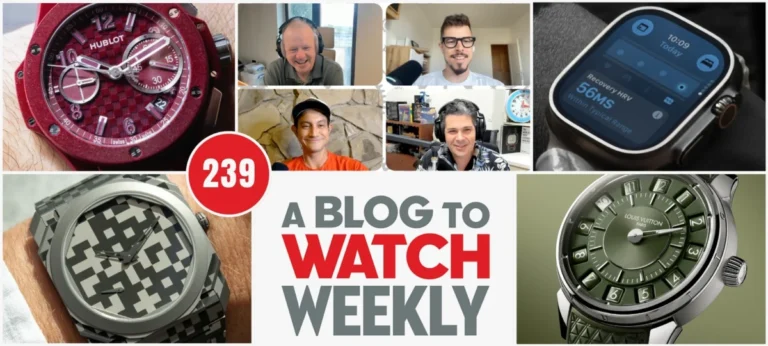








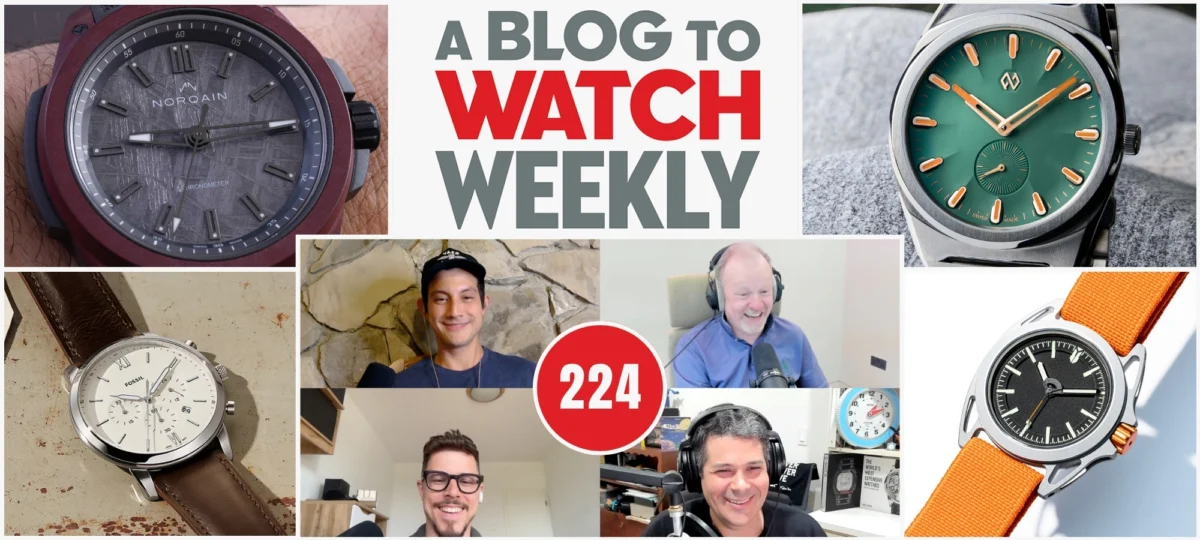
The latest installment of the popular "aBlogtoWatch Weekly" podcast, released following the prestigious Couture watch event in Las Vegas, delves into a multifaceted exploration of the current horological landscape. Hosts Rick, Ariel, Ripley, and David engage in a spirited discussion that spans the surprising resurgence of accessible fashion watch brands, the ambitious pricing strategy of the new Formex Aria, and the burgeoning fascination with timepieces designed for extraterrestrial adventures. The episode, available for viewing and listening, offers a comprehensive look at industry trends, brand evolutions, and the evolving preferences of watch enthusiasts.
The Unexpected Renaissance of Fashion Watches
A significant portion of the episode is dedicated to the re-evaluation of brands traditionally categorized as "fashion watches," including prominent names like Fossil, Timex, and Movado. The hosts highlight a notable shift in the market, suggesting a potential comeback for these brands, which were once primarily associated with department stores and mass-market appeal. This resurgence, they posit, is driven by a confluence of factors, including evolving retail strategies and a changing demographic of watch enthusiasts.
Historically, brands like Fossil and Timex have been lauded for their accessibility and trend-driven designs. Fossil, in particular, built a global empire on its ability to translate runway fashion into wearable accessories, often incorporating licensed intellectual property from fashion houses. Timex, with its iconic "weekender" and more robust offerings, has long been a gateway into watch collecting for many. Movado, known for its minimalist Museum dial, has occupied a slightly more premium space within the fashion watch segment, often appealing to those seeking understated elegance.
The podcast hosts suggest that a recalibration of their business models, potentially focusing on enhanced quality, more sophisticated movements, and direct-to-consumer sales channels, could be contributing to their renewed relevance. The changing enthusiast market, which has seen a growing interest in entry-level mechanical watches and accessible Swiss Made timepieces, may also be creating an opening for these brands to capture a new segment of collectors.
"We’re seeing a fascinating pivot," commented one of the hosts during the episode, referencing the data points suggesting increased engagement with these brands. "It’s not just about the price anymore; it’s about brands finding a new narrative that resonates with a more informed consumer who still appreciates value and style." This sentiment underscores the idea that the lines between traditional luxury, microbrands, and fashion watches are becoming increasingly blurred.
Formex Aria: A Bold Leap into Higher Price Tiers
The discussion then shifts to the new Formex Aria, a model that has generated considerable interest due to its significant jump in price compared to previous Formex offerings. The hosts engage in a detailed debate regarding the brand’s strategic decision to position the Aria in a much higher price bracket, exploring whether this represents a natural evolution of the brand or a potentially risky endeavor.
Formex has historically carved out a niche for itself by offering robust, well-engineered sports watches with distinctive designs and accessible pricing, often appealing to the enthusiast community through direct sales. Their models have frequently been praised for their value proposition, offering features and build quality that punch above their weight class.
The introduction of the Aria, however, signals a departure from this established formula. The hosts dissect the technical specifications and design elements of the Aria, scrutinizing what justifies its elevated cost. Topics of discussion include the incorporation of micro-rotor movements, the perceived value of these intricate mechanisms, and the overall justification for a premium price tag in a competitive market.

"The Aria is a beautiful watch, no doubt," remarked another host, "but the question is, are consumers ready to pay significantly more for Formex when there are established players at this price point with decades of heritage? It’s a bold move, and the market’s reaction will be telling."
The implication of this strategy is multifaceted. On one hand, it could signal Formex’s ambition to ascend the horological ladder, aiming to compete with more established luxury brands. This could involve a renewed focus on higher-end materials, more complex finishing, and potentially a more curated retail experience. On the other hand, it risks alienating the core enthusiast base that has supported the brand for its value-driven offerings. The success of this strategy will likely depend on Formex’s ability to articulate the increased value proposition of the Aria and to consistently deliver on the promise of superior craftsmanship and innovation.
The Cosmic Appeal: Meteorite Dials and Space Exploration Watches
The latter part of the episode ventures into the increasingly popular realm of space-themed watches and timepieces featuring unique celestial materials. The hosts express fascination with the growing trend of meteorite dials, which offer a genuinely out-of-this-world aesthetic due to their extraterrestrial origins.
The use of meteorite in watchmaking is not entirely new, with several high-end brands having experimented with it over the years. However, its increasing adoption across a broader spectrum of brands, from independent watchmakers to larger conglomerates, indicates a growing consumer appetite for such distinctive dials. Each meteorite dial is inherently unique, showcasing the swirling patterns and metallic inclusions that are a hallmark of these cosmic fragments, making every watch a one-of-a-kind piece.
Beyond meteorite, the conversation touches upon the broader fascination with watches engineered for extreme environments and the concept of space exploration. This includes discussions about watches designed to withstand the rigors of space travel, often featuring advanced materials, robust construction, and specialized functionalities. The allure of these timepieces lies not only in their technical prowess but also in their association with humanity’s quest to explore the unknown.
"There’s an undeniable romance to space," stated one of the hosts. "When you have a watch that incorporates a piece of a meteorite, or is built with the resilience needed for a space mission, it connects you to something bigger than yourself. It’s a tangible piece of history and future."
This trend can be linked to several factors, including the ongoing advancements in space exploration by both governmental agencies and private companies, the enduring cultural impact of the space race, and a general fascination with the mysteries of the universe. Watch brands are capitalizing on this by not only creating watches with space-inspired aesthetics but also by highlighting their technical capabilities and historical connections to astronautics.
Additional Tangents and Concluding Thoughts
The episode is further enlivened by a series of entertaining tangents, including a discussion about the potential chaos surrounding celebrity brand ambassadors and a brief but spirited detour into the world of Ferrari. These segments, while seemingly unrelated, contribute to the podcast’s signature blend of in-depth horological analysis and lighthearted camaraderie.
The recurring theme throughout the episode is the dynamic and ever-evolving nature of the watch industry. From the accessibility of fashion watches to the ambitious ventures of established brands and the aspirational allure of space-themed timepieces, the "aBlogtoWatch Weekly" podcast continues to provide valuable insights and engaging commentary for watch enthusiasts worldwide. The hosts’ ability to dissect complex industry trends with both expertise and enthusiasm ensures that each episode offers a rich and rewarding listening experience. The continued success of such discussions underscores the enduring passion and intellectual curiosity that define the modern watch collecting community.