







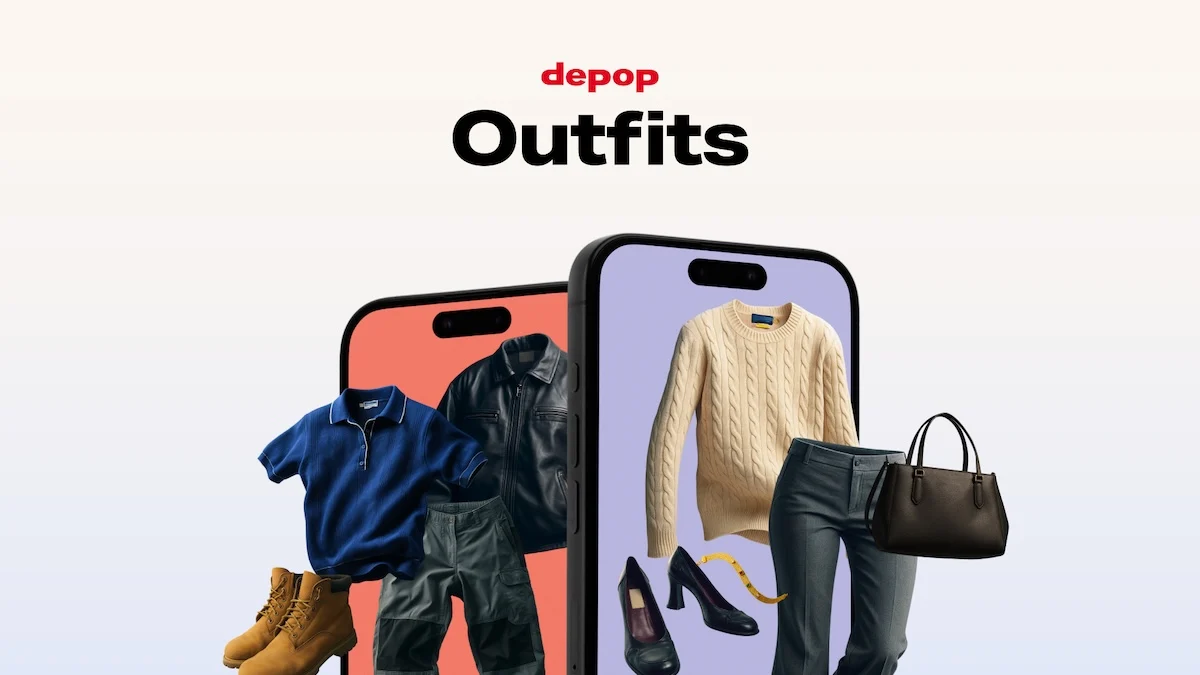
The fashion resale platform Depop announced on Wednesday the launch of a new styling and collaging tool, "Outfits," designed to transform how users discover, curate, and purchase secondhand clothing. This new feature introduces a mood board-like interface within the mobile application, allowing the platform’s predominantly Gen Z user base to design digital fashion collages. By enabling users to pair individual items together in a single visual frame, Depop aims to bridge the gap between social media inspiration and direct e-commerce, providing a creative outlet for stylists and a streamlined shopping experience for buyers.
The Mechanics of the Outfits Feature
The "Outfits" tool is integrated directly into the existing Depop interface, accessible through a streamlined workflow designed for mobile-first users. To initiate a collage, a user selects a specific item they wish to style—whether it is an item from their own shop, a "liked" item, or a piece discovered through the search function. Upon selecting the item, a scissors icon appears on the right side of the screen. This icon activates the customization suite, which allows users to "cut out" the item and place it onto a digital canvas.
The customization options are extensive, catering to the aesthetic-driven nature of modern fashion influencers. Users can choose from a variety of colorful backgrounds to set the tone of the outfit, adjust the sizing and orientation of various clothing images, and layer accessories over primary garments. For those seeking structural guidance, Depop has included a series of layout templates that act as a framework for professional-looking compositions.
A critical component of this feature is its full integration with Depop’s marketplace backend. Every item featured within a collage is instantly shoppable. If a user views a collage and decides they want the specific vintage leather jacket or platform boots depicted, they can click through to the original listing. In a strategic move to maintain engagement even when inventory is low, the app utilizes an algorithmic recommendation engine. If a specific item featured in a collage has already been sold, the app automatically generates suggestions for similar alternatives available on the platform, ensuring that the "inspiration" leads to a successful transaction regardless of item availability.
Strategic Alignment with Gen Z Consumer Habits
The introduction of "Outfits" is a calculated response to the shifting digital habits of Gen Z, a demographic that currently dictates much of the momentum in the global resale market. For this generation, fashion is not merely about utility; it is a form of digital identity and social currency. The rise of "aesthetic" culture on platforms like TikTok and Instagram has popularized the use of collages—often referred to as "mood boards" or "starter packs"—to communicate specific style subcultures, such as "coquette," "gorpcore," or "Y2K."
Depop’s new tool mimics the functionality of standalone creative apps that have previously seen viral success. Most notably, Pinterest launched "Shuffles" in 2022, a dedicated collage-making app that quickly climbed the App Store charts due to its popularity among young users. Pinterest eventually integrated Shuffles’ functionality into its main ecosystem after recognizing that users were increasingly using collages to plan wardrobes and home decor. By bringing these tools in-house, Depop eliminates the friction of users having to use third-party editing software to create promotional content for their shops.
Furthermore, the "Outfits" feature includes robust sharing capabilities. Users can export static images of their curated outfits to external platforms like Pinterest and Instagram. This creates a powerful marketing loop: a user creates a collage on Depop, shares it to their Instagram Story, and drives their external followers back to the Depop app to purchase the items. This strategy leverages the "creator economy" model, where individual sellers act as their own creative directors and marketing agencies.

Financial Performance and Market Position
The launch of "Outfits" comes at a period of significant financial momentum for Depop and its parent company, Etsy. In its Q2 2025 earnings report, Etsy revealed that Depop’s Gross Merchandise Sales (GMS) increased by 34.7% year-over-year on a currency-neutral basis. This surge in volume is particularly notable given the broader fluctuations in the e-commerce sector. The report indicates that Depop is currently on track for a $1 billion annual GMS run rate, a milestone that cements its status as a top-tier player in the global resale economy.
To put this growth in perspective, Depop is increasingly outperforming several of its direct competitors in specific regional markets. For instance, the Japanese-owned marketplace Mercari reported a Gross Merchandise Value (GMV) of $728 million for the fourth quarter of 2024. While Mercari remains a formidable competitor, particularly in the US and Japan, Depop’s hyper-focus on fashion and its successful cultivation of a social-media-style ecosystem have allowed it to capture a higher concentration of high-frequency Gen Z shoppers.
Etsy’s acquisition of Depop in 2021 for $1.62 billion was initially met with some skepticism by analysts who questioned if the platform could maintain its "cool factor" under corporate ownership. However, the recent GMS data and the rollout of features like "Outfits" suggest that the platform has successfully scaled while remaining deeply embedded in youth culture.
A Chronology of Depop’s Evolution
Since its founding in 2011 by Simon Beckerman, Depop has evolved from a social network for readers of PIG magazine to a global powerhouse in the circular fashion economy. The platform’s history is marked by a series of strategic pivots that have led to its current market dominance:
- 2011–2014: Founded in Milan and later moved to London, Depop began as a community-based platform where users could buy and sell items featured in fashion editorials.
- 2015–2019: The platform experienced explosive growth in the UK and US, becoming the go-to app for "cool-girl" vintage and DIY fashion. It successfully raised over $100 million in funding rounds during this period.
- 2021: Etsy acquired Depop for $1.62 billion, the largest acquisition in Etsy’s history. The move was intended to help Etsy capture the younger demographic and expand its footprint in the apparel sector.
- 2022–2024: Post-acquisition, Depop focused on improving its search algorithms and seller tools while navigating the post-pandemic shift in consumer spending. It also began experimenting with AI-driven descriptions and image recognition.
- 2025: The launch of "Outfits" represents the platform’s latest attempt to merge the creative aspects of fashion with the transactional nature of e-commerce.
Industry Implications and the Future of Social Commerce
The introduction of styling tools within a marketplace highlights a broader trend in the industry: the "socialization" of e-commerce. As platforms like TikTok Shop continue to gain ground by blending entertainment with shopping, traditional marketplaces are under pressure to provide more than just a list of products. They must provide an experience.
Industry analysts suggest that the "Outfits" tool will likely increase the "time spent in app" metric, a key indicator of long-term platform health. By providing a creative utility, Depop ensures that users visit the app even when they do not have a specific purchase in mind. This "window shopping" behavior, facilitated by digital collages, often leads to impulse purchases and higher overall basket sizes.
From a sustainability perspective, features like "Outfits" also play a role in promoting the circular economy. By helping users visualize how a secondhand item can fit into their existing wardrobe, Depop reduces the "uncertainty" that often prevents consumers from buying used clothing. The ability to see a complete look—including shoes, bags, and accessories—removes the mental barrier of wondering if a vintage piece will "work" with modern trends.
As Depop moves toward its $1 billion GMS goal, the success of "Outfits" will be a bellwether for whether creative tools can drive meaningful revenue growth. If the feature results in higher conversion rates, it is likely that competitors like Vinted or Poshmark will follow suit with their own iterations of digital styling suites. For now, Depop remains at the forefront of the intersection between social media aesthetics and the thriving resale market, proving that in the world of Gen Z fashion, the way an item is presented is just as important as the item itself.