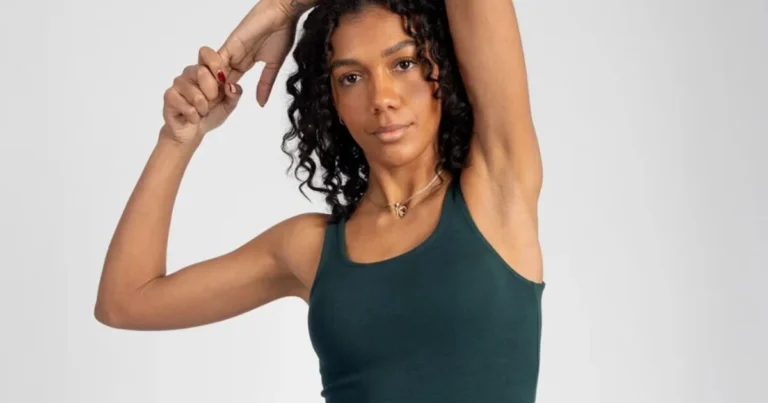










Co-ords and suits, distinguished by their matching two-piece sets designed for cohesive or individual wear, have consistently maintained a prominent position in contemporary fashion. These ensembles offer an unparalleled ability to project an instantly polished and considered aesthetic, securing their status as perennial wardrobe staples that defy fleeting trends. This enduring relevance positions them as ideal candidates for sustainable consumption, aligning with a growing consumer demand for longevity, versatility, and ethical production. This article explores the sustainable aspects of investing in co-ords and suits, highlighting brands that meet rigorous environmental and social standards, and the broader implications for the fashion industry. Our editorial process involves curating highly-rated brands, first assessed by our stringent ratings system. Purchases made through our provided links may generate a commission, directly supporting our ongoing work and research. Further details on our editorial mission are available for transparency.
The Historical Trajectory and Timeless Versatility of Matching Sets
The concept of matching separates, while seemingly modern, boasts a rich history in fashion. From the tailored "power suits" that defined professional wear for women in the 1980s and 90s, symbolizing empowerment and equality in the workplace, to the more relaxed yet equally chic co-ordinated sets of the mid-20th century, these garments have consistently adapted to societal shifts and evolving aesthetics. Their fundamental appeal lies in their inherent versatility. A blazer from a suit can seamlessly elevate a casual dress, while the trousers can be paired with a myriad of different tops for diverse occasions. Similarly, a skirt from a co-ord set can be reimagined with various blouses, extending its utility beyond the original pairing. When worn together, these matching items intrinsically convey an impression of thoughtful curation and effortless sophistication, making them invaluable components of a minimalist or capsule wardrobe philosophy. This adaptability not only maximizes styling potential but also aligns with sustainable principles by encouraging greater wear per garment, thereby reducing the perceived need for constant new acquisitions.
The Imperative of Sustainable Fashion in a Globalized Industry
The fashion industry, particularly its fast fashion segment, has come under increasing scrutiny for its significant environmental footprint and social impact. Reports from organizations such as the United Nations Environment Programme (UNEP) indicate that the fashion industry is responsible for 8-10% of global carbon emissions, more than all international flights and maritime shipping combined. Furthermore, textile production often requires vast amounts of water; for instance, producing a single cotton shirt can consume up to 2,700 liters of water. The proliferation of synthetic fibers also contributes to microplastic pollution, while textile waste continues to overwhelm landfills globally. A 2023 report by McKinsey & Company on the State of Fashion highlighted that 66% of consumers now consider sustainability when making a purchase, a figure that has steadily climbed over the past five years, underscoring a critical shift in consumer values. This growing awareness is not merely a trend but a fundamental recalibration of priorities, pushing brands to re-evaluate their supply chains, material sourcing, and labor practices.
In response to these challenges, the sustainable fashion movement advocates for practices that minimize environmental harm, promote ethical labor conditions, and extend the lifespan of clothing. This includes the use of organic, recycled, or upcycled materials, fair wages and safe working conditions for garment workers, reduced water and energy consumption in manufacturing, and a commitment to transparency across the supply chain. For consumers, choosing sustainable fashion means investing in pieces designed for longevity, embracing repair culture, and prioritizing second-hand options.
The Role of Independent Ratings Systems: Guiding Conscious Consumption
Navigating the complex landscape of sustainable fashion can be challenging for consumers, given the prevalence of "greenwashing"—the deceptive marketing practice of portraying products or services as environmentally friendly without genuinely being so. This is where independent rating systems play a crucial role. Platforms like Good On You employ a comprehensive methodology to assess fashion brands’ impact on people, the planet, and animals. Their rigorous ratings system evaluates thousands of data points, including a brand’s policies, certifications, supply chain transparency, and actual practices.
Brands are assigned ratings such as "Good" or "Great" based on their performance across these criteria. A "Good" rating typically signifies that a brand is making substantial efforts to reduce its environmental impact, uphold fair labor standards, and minimize animal cruelty, often with verifiable certifications or robust internal policies. A "Great" rating indicates industry leadership, with brands demonstrating exemplary practices across all three pillars of sustainability, often innovating in areas like circular design, regenerative agriculture, or advanced recycling technologies. By providing transparent, evidence-based ratings, these platforms empower consumers to make informed choices, supporting brands that genuinely commit to ethical and sustainable practices rather than merely claiming to. This not only fosters a more responsible industry but also builds trust between brands and their increasingly discerning customer base.
Prioritizing Circularity: The Case for Second-Hand and Tailoring
Before considering new purchases, the most impactful sustainable choice often involves extending the life of existing garments or acquiring second-hand items. The fashion industry’s linear model of "take-make-dispose" generates an enormous amount of waste; the Environmental Protection Agency (EPA) reported that in 2018, textile waste accounted for 17 million tons in US landfills. Embracing the circular economy model, where resources are kept in use for as long as possible, extracting maximum value from them whilst in use, then recovering and regenerating products and materials at the end of each service life, is paramount.
Suits and co-ords are particularly abundant in second-hand markets. Thrift stores, vintage boutiques, and online resale platforms offer a vast selection of beautifully crafted two-piece sets that can be acquired at a fraction of their original cost. This practice not only diverts textiles from landfills but also offers a unique opportunity to discover high-quality garments with character and history. A common barrier to purchasing second-hand clothing is sizing; however, this is easily overcome. Investing in a trip to a local tailor to adjust the fit of a pre-loved suit or co-ord can yield significant dividends. A well-fitted garment, even if originally mass-produced, can feel bespoke and sophisticated, dramatically extending its wearability and appeal. This emphasis on repair, alteration, and reuse is a cornerstone of true sustainable fashion, encouraging consumers to value craftsmanship and longevity over transient trends.
Curated Sustainable Selections: Investing in Timeless Style
For those seeking new additions to their wardrobe, the market for sustainably produced co-ords and suits is growing, featuring brands committed to ethical practices and durable design. These brands prioritize materials like organic cotton, linen, Tencel, recycled polyester, and innovative upcycled fabrics, ensuring that their products contribute to a more responsible supply chain. The following curated selection showcases options from "Good" and "Great"-rated brands, offering both classic tailoring and contemporary interpretations of matching sets that promise to be cherished additions to any conscious wardrobe.
Elegant Tailoring and Professional Ensembles:
- Dressarte Paris Made-to-Measure Blazer and Trousers: Exemplifying personalized sustainability, Dressarte Paris offers made-to-measure garments, drastically reducing waste associated with standard sizing and overproduction.
- ZEROBARRACENTO Bemberg Blouse and Trousers: This brand focuses on zero-waste patterns and uses innovative materials like Bemberg, a regenerated cellulose fiber derived from cotton linter, known for its luxurious feel and breathability.
- WE-AR4 Blazer and Shorts: Demonstrating a commitment to innovative material use, WE-AR4 integrates recycled and upcycled fabrics into its sophisticated designs.
- 1 People Blazer and Shorts: Focused on ethical manufacturing and sustainable materials, 1 People offers stylish yet responsible options for professional and casual wear.
- Facettes Studio Cotton-Canvas Vest and Trousers: Emphasizing natural fibers and durable construction, Facettes Studio crafts timeless pieces designed to last.
- WILDA.ECO Personalisable Blazer and Trousers: Offering personalization options, WILDA.ECO ensures garments are cherished and worn repeatedly, supporting their longevity.
- Akyn Noor Jacket and Trousers: Akyn is recognized for its commitment to ethical production and quality craftsmanship, producing garments that stand the test of time.
- Dedicated Striped Jacket and Trousers: Dedicated is known for its certified organic and recycled materials, ensuring a reduced environmental footprint.
Modern Co-ords and Casual Sets:
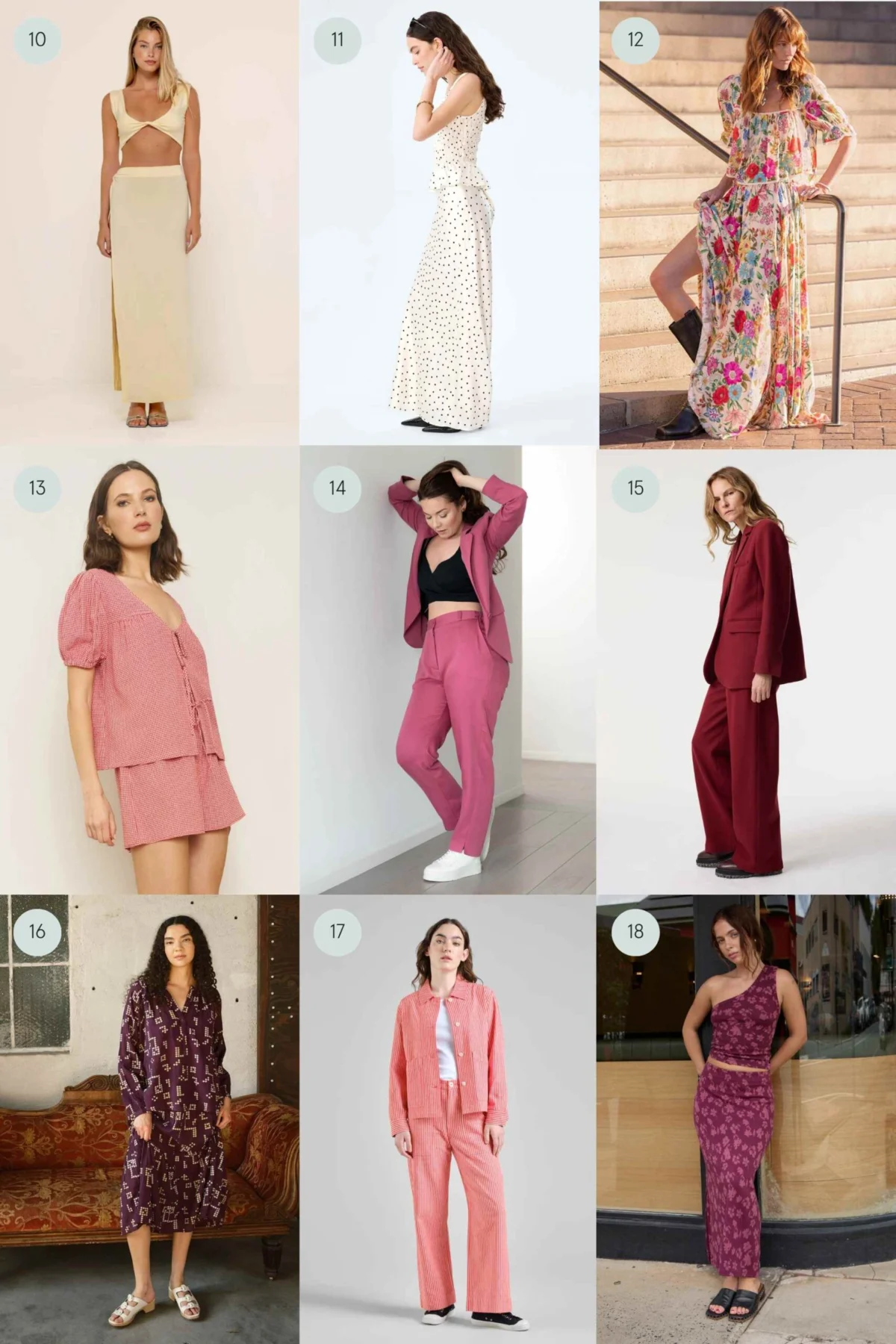
- E.L.V Denim Contrast Denim Shirt and Jeans: E.L.V. Denim champions circularity by crafting all its garments from discarded denim, giving new life to pre-consumer waste.
- Triarchy Western Denim Jacket and Mini Skirt: Triarchy is lauded for its use of organic cotton and responsible water usage in denim production, a notoriously water-intensive process.
- SeamsFriendly Convertible Dress/Skirt/Top: Offering multi-functional garments, SeamsFriendly promotes versatility and reduces the need for multiple purchases.
- The Summer House Pomelo Tunic Set: This brand focuses on natural fabrics and artisan craftsmanship, ensuring fair wages and sustainable production practices.
- Coco & Kandy Top and Skirt: Coco & Kandy provides comfortable yet chic co-ords, often made from responsibly sourced materials.
- OMNES Polka Dot Top and Skirt: OMNES is committed to using sustainable materials like LENZING™ ECOVERO™ Viscose and recycled fabrics.
- Spell Valley of the Dolls Blouse and Skirt: Spell is known for its bohemian aesthetic and increasing use of organic cotton and other sustainable fibers.
- Whimsy & Row Birdie Gingham Top and Shorts: Whimsy & Row produces limited runs of garments from deadstock and organic fabrics in Los Angeles, minimizing waste.
- Ace & Jig Daryl Blouse and Skirt: Ace & Jig is celebrated for its unique, handcrafted textiles, supporting artisan communities and traditional weaving techniques.
- Afends Marin Top and Skirt: Afends integrates hemp and recycled materials into its collections, advocating for sustainable practices in surf and streetwear.
These selections represent a spectrum of styles and applications, from formal office wear to relaxed weekend ensembles, all united by a commitment to sustainability.
Broader Impact and Implications for the Fashion Industry
The shift towards sustainable co-ords and suits carries significant implications across the fashion ecosystem. Economically, it signifies a move away from the high-volume, low-cost model of fast fashion towards a focus on quality, durability, and fair pricing. This encourages brands to invest in better materials and ethical labor, potentially leading to a re-evaluation of pricing structures that more accurately reflect the true cost of production. For consumers, while the initial investment might be higher, the extended lifespan and versatility of these garments offer greater value over time, aligning with the "cost per wear" philosophy.
Environmentally, the widespread adoption of sustainable practices in suit and co-ord production could lead to substantial reductions in carbon emissions, water consumption, and textile waste. The emphasis on natural, organic, recycled, and upcycled materials contributes to biodiversity protection and reduces reliance on virgin resources. Socially, supporting brands committed to transparency and fair labor practices can uplift garment workers globally, ensuring living wages, safe working conditions, and respect for human rights within the supply chain.
Industry experts suggest that the demand for sustainable fashion is not a passing trend but a fundamental reshaping of consumer expectations. According to a recent report by the Boston Consulting Group, the market for sustainable fashion is projected to grow significantly, driven by younger demographics who prioritize ethical considerations. This pressure is compelling even larger, more traditional fashion houses to integrate sustainable practices, invest in green technologies, and explore circular business models, such as rental services and take-back programs. The evolution of co-ords and suits, from symbols of power and leisure to emblems of conscious consumption, mirrors this broader transformation in the global fashion industry.
Conclusion: A Future Woven with Purpose
The enduring appeal of co-ords and suits, coupled with the escalating imperative for sustainable practices, presents a compelling narrative for the future of fashion. These versatile, timeless garments offer a practical entry point for consumers to embrace more responsible purchasing habits without compromising on style. By prioritizing second-hand options, supporting "Good" and "Great"-rated brands, and valuing the longevity and adaptability of their wardrobe choices, individuals can contribute meaningfully to a more ethical and environmentally sound fashion industry. The journey towards a fully circular and sustainable fashion ecosystem is ongoing, but informed choices regarding fundamental pieces like co-ords and suits represent a powerful step in the right direction, blending impeccable style with unwavering purpose. For those seeking further exploration into matching sets, our curated loungewear edit provides additional sustainable options.
This article was updated on 9 April 2026. Our editorial team frequently revises articles to ensure currency and accuracy, refreshing selections of websites and brands to reflect the latest offerings and ratings. The feature image is courtesy of Akyn, with all other images provided by the respective brands mentioned. Good On You remains dedicated to publishing the world’s most comprehensive ratings of fashion brands’ impact on people, the planet, and animals, with our directory serving as a resource for thousands of rated brands.