







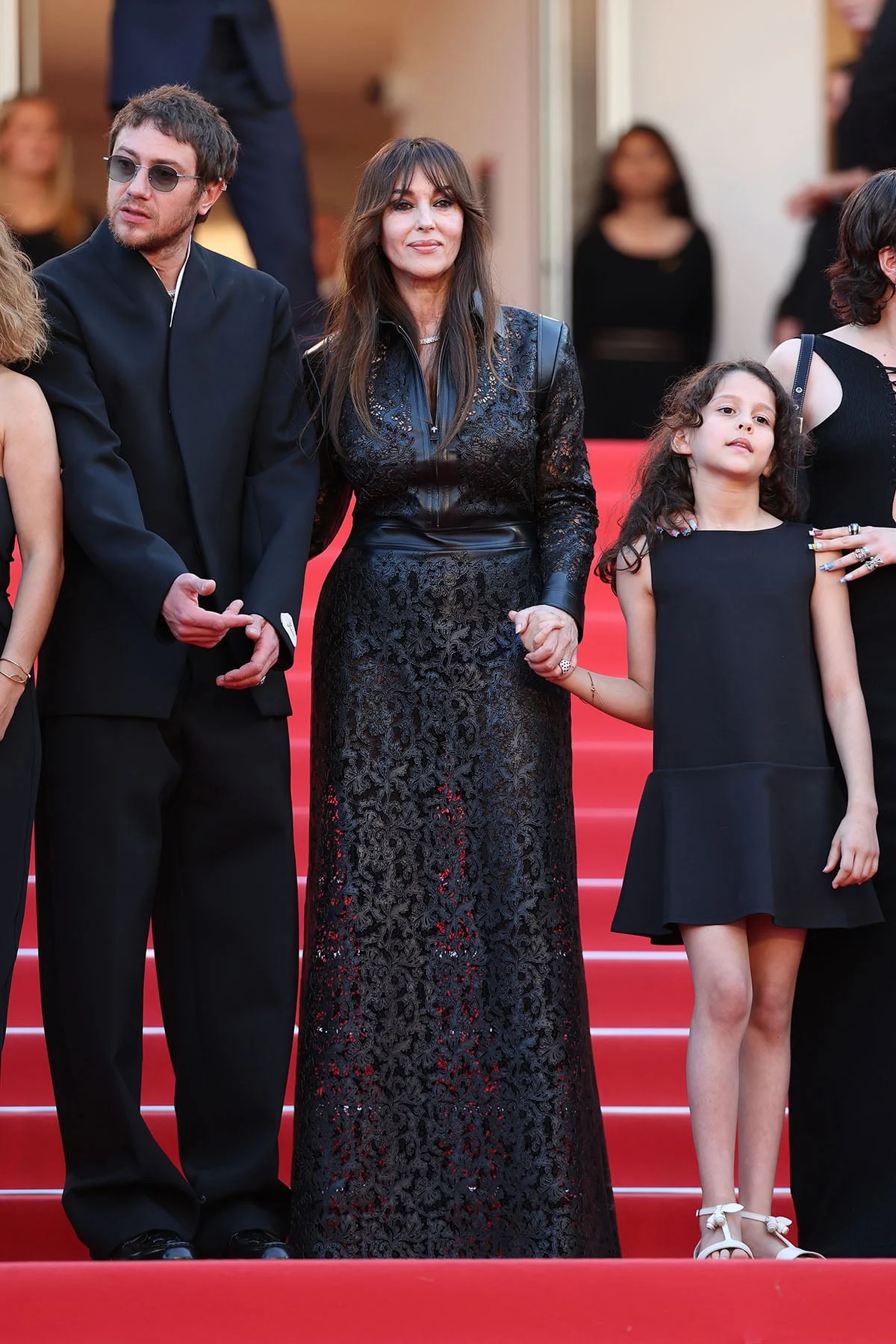
The 79th annual Cannes Film Festival reached a definitive aesthetic peak this evening as Italian cinema icon Monica Bellucci arrived at the Palais des Festivals for the world premiere of her latest feature, Histoires De La Nuit (The Birthday Party). Amidst the high-glamour atmosphere of the Croisette, Bellucci’s appearance signaled a significant stylistic evolution, as she stepped away from her long-standing associations with traditional Italian houses to embrace a sharper, more avant-garde silhouette. The actress, a perennial fixture of the French festival, utilized the premiere of the Laurent Cantet-directed drama to debut a custom creation from the Fendi Fall 2026 collection, designed by Maria Grazia Chiuri. The look has immediately sparked discourse among fashion historians and industry analysts regarding the intersection of heritage craftsmanship and modern edge.
A Technical Breakdown of the Fendi Fall 2026 Custom Gown
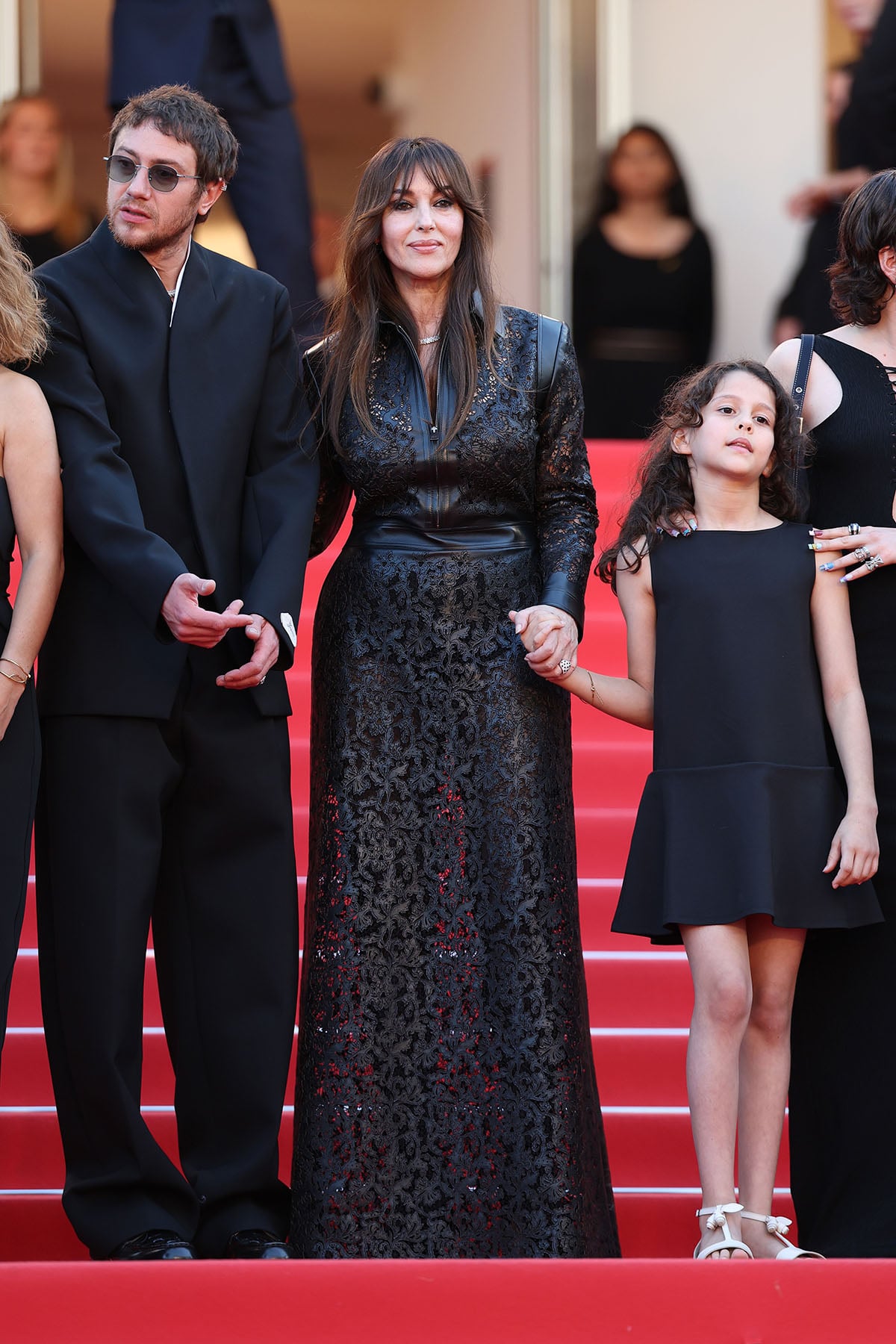
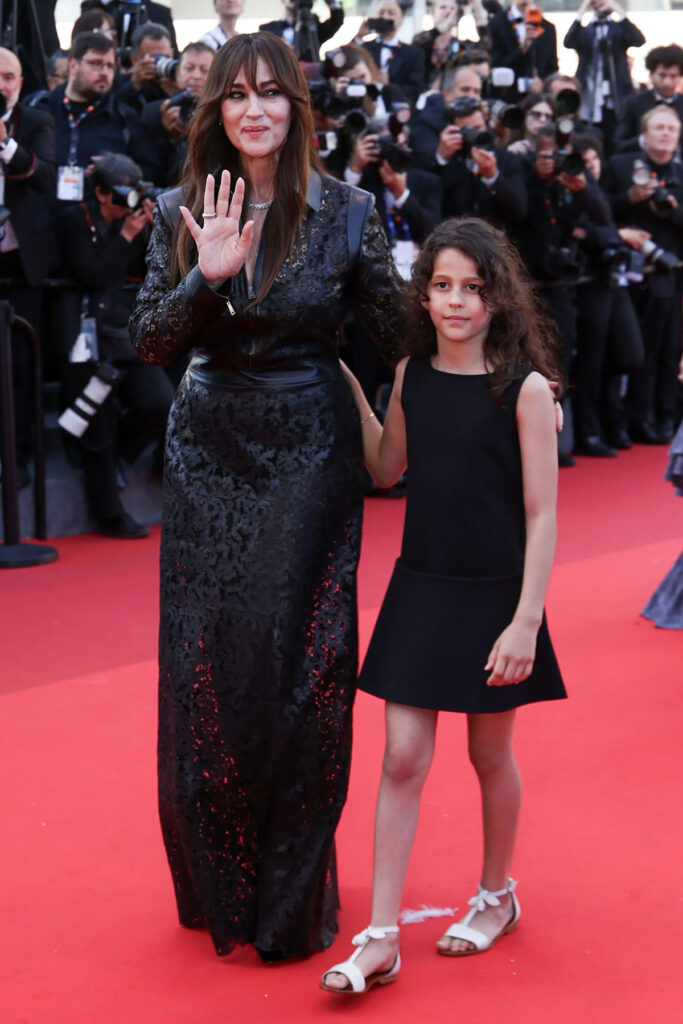
The garment worn by Bellucci represents a sophisticated synthesis of textile engineering and classical Roman elegance. Originally debuted on the Fendi Fall 2026 runway as a midi-length piece, the gown was customized for the actress to feature a floor-sweeping hemline, enhancing the statuesque presence for which Bellucci is renowned. The dress is constructed primarily from high-grade, matte-finish black leather, featuring intricate laser-cut patterns that mimic the delicacy of traditional needlepoint lace.
This juxtaposition of "hard" and "soft" materials—leather and lace—serves as the centerpiece of the design. The bodice and sleeves utilized structured leather paneling to provide a sharp, architectural frame, while the laser-cut perforations allowed for a subtle play of light and shadow against the skin. The lace inserts, strategically placed along the décolletage and the lower skirt, introduced a level of transparency that balanced the weight of the leather. By extending the length of the original runway design, the atelier created a more fluid silhouette that moved with a rhythmic grace during Bellucci’s ascent of the iconic red-carpeted stairs.
Industry experts have noted that the construction of such a piece requires hundreds of hours of manual labor, specifically in the bonding of the leather to the delicate lace backing to ensure structural integrity without sacrificing the garment’s drape. The choice of a monochromatic black palette further emphasized the textural contrasts, allowing the craftsmanship of the Fendi atelier to remain the focal point.
Shifting Paradigms: From Sicilian Glamour to Modern Edge
For much of her three-decade career, Monica Bellucci has been synonymous with "Sicilian glamour," largely fueled by her prolific relationship with Domenico Dolce and Stefano Gabbana. Her red carpet history is replete with corseted lace, floral prints, and hyper-feminine silhouettes that lean into the "femme fatale" archetype of mid-century Italian cinema. Occasionally, she has pivoted toward the sharp, masculine-inspired tailoring of Saint Laurent, particularly under the creative direction of Anthony Vaccarello.
However, the choice of Fendi—and specifically a design by Maria Grazia Chiuri—marks a departure from these established tropes. Analysts suggest this shift reflects a broader trend among veteran A-list actresses who are moving toward "intellectual fashion"—looks that prioritize texture, silhouette, and artisanal technique over overt ornamentation.
"Bellucci has always been a master of the red carpet, but this Fendi look feels like a new chapter," noted one fashion commentator present at the premiere. "It retains her signature sensuality but filters it through a darker, sleeker, and more modern lens. It is less about the ‘diva’ and more about the ‘artist’."
The Significance of the Cannes Film Festival Context
The Cannes Film Festival remains the most prestigious platform for global cinema and high fashion, with an estimated 4,000 journalists and thousands of industry professionals in attendance annually. For Bellucci, Cannes has served as the backdrop for some of her most career-defining moments, dating back to the early 2000s.
The premiere of Histoires De La Nuit is particularly significant as it marks Bellucci’s return to a leading role in a major French production. The film, an adaptation of the acclaimed novel by Laurent Mauvignier, is a tense psychological thriller that unfolds over the course of a single evening. The "darker, sleeker energy" of Bellucci’s Fendi gown was viewed by many as a thematic nod to the film’s noir-adjacent atmosphere.

The festival’s strict dress code—frequently debated but rarely ignored—demands a level of formality that often results in safe, traditional evening wear. Bellucci’s decision to wear a leather-heavy ensemble was a calculated risk that paid off, providing a "quiet confidence" that stood out against the sea of tulle and sequins typically found at the Palais.
Chronology of the Evening: The Premiere of Histoires De La Nuit
The evening began at approximately 6:30 PM CET, as the first wave of guests arrived for the screening. The atmosphere was charged with anticipation, given Laurent Cantet’s history at the festival (having previously won the Palme d’Or for The Class).
- 18:45: The supporting cast and production team arrived, setting the stage for the film’s leads.
- 19:05: Monica Bellucci’s vehicle arrived at the entrance of the Croisette. As she stepped out, the flashbulbs of the international press corps intensified, capturing the first full view of the custom Fendi gown.
- 19:10: Bellucci was joined by her co-stars and director Laurent Cantet. The group paused for the mandatory photocall on the red carpet.
- 19:20: The actress made her ascent of the stairs. Fashion observers noted her minimal use of jewelry—opting for simple, high-jewelry diamond earrings—which allowed the complex texture of the dress to remain unencumbered.
- 19:30: The cast entered the Grand Théâtre Lumière to a sustained standing ovation from the audience, a traditional mark of respect for cinema legends.
The screening concluded later that evening with a seven-minute standing ovation, with critics praising Bellucci’s performance as nuanced and haunting, further cementing the evening as a triumph for the actress both professionally and stylistically.
Broader Implications for Red Carpet Trends
Bellucci’s Fendi look is expected to have a ripple effect on upcoming red carpet seasons. The successful integration of leather into high-formal wear challenges the notion that leather is exclusively for "edgy" or casual contexts. By utilizing laser-cutting and lace integration, Fendi has demonstrated how heavy materials can be rendered with the delicacy of couture.
Furthermore, the "lengthening" of runway looks for the red carpet is a growing trend among stylists who seek to balance high-fashion relevance with the traditional demands of a gala environment. Bellucci’s stylist was credited with recognizing that the original midi length might have felt too contemporary for the gravity of a Cannes premiere, whereas the floor-length customization anchored the look in timeless elegance.
From a brand perspective, the appearance is a significant win for Fendi. While the house has always been a powerhouse in luxury leather goods, its presence on the most prestigious red carpets has occasionally been overshadowed by more "red carpet-centric" brands. Bellucci’s endorsement of this Fall 2026 vision positions Fendi as a formidable player in the high-stakes world of celebrity dressing.
Critical Reception and Reaction
Initial reactions from the fashion press have been overwhelmingly positive. Reviews have highlighted the "unexpectedness" of the pairing between Bellucci and Fendi. Vogue contributors noted that the look was "one of the most refreshing entries in Bellucci’s extensive style file," praising the "quietly subversive" nature of the leather-lace hybrid.
On social media, the look trended among fashion enthusiasts, with many noting the actress’s "timeless" appeal. The minimalist approach to her hair—softly layered and worn down—and naturalistic makeup further emphasized the theme of "quiet confidence." This departure from the heavily styled, "done" looks of previous years suggests a move toward a more authentic, less performative version of glamour.
Conclusion: A Masterclass in Evolution
Monica Bellucci’s appearance at the premiere of Histoires De La Nuit serves as a reminder of her enduring influence on both the cinematic and fashion landscapes. By choosing a custom Fendi look that broke from her established style narrative, she demonstrated an acute understanding of the power of evolution.
As the Cannes Film Festival continues, the image of Bellucci in laser-cut leather and lace will likely remain one of the defining visual markers of the 2026 edition. It was a moment where the history of Italian craftsmanship met the future of modern design, executed by an actress who remains, unequivocally, a master of the global stage. The look did not just capture the attention of the photographers; it provided a blueprint for how legacy stars can continue to innovate and surprise, ensuring their relevance in an ever-shifting cultural climate.