






The ubiquitous trouser, a foundational element in wardrobes globally, transcends fleeting trends with its diverse forms—from flowing culottes and sophisticated wide-legs to contemporary barrel-legs and classic straight fits. As consumer awareness regarding environmental and social responsibility in manufacturing grows, the demand for ethically produced garments, particularly durable staples like trousers, has surged. This article curates a selection of highly-rated brands, rigorously assessed for their commitment to sustainability, offering a pathway for consumers to make informed choices that align with responsible consumption practices.
The Urgency of Ethical Fashion: Beyond the Hanger
The fashion industry, a colossal global enterprise, has long been under scrutiny for its significant environmental footprint and concerning social practices. Fast fashion, characterized by rapid production cycles, low costs, and disposability, exemplifies many of these issues. The production of a single pair of conventional trousers, for instance, can involve extensive water usage, chemical dyes polluting waterways, and substantial carbon emissions throughout the supply chain. Synthetic fibers like polyester and nylon, prevalent in mass-produced garments, are derived from fossil fuels, are not biodegradable, and contribute to microplastic pollution with every wash.
Beyond environmental degradation, the human cost of fast fashion is equally severe. Labor exploitation, unsafe working conditions, and inadequate wages are rampant in many garment-producing regions, often in developing countries. Workers, predominantly women, are frequently subjected to long hours, forced overtime, and a lack of basic human rights, perpetuating cycles of poverty. This stark reality underscores the imperative for a paradigm shift towards more ethical and transparent manufacturing models.
Defining Sustainable Trousers: Quality, Longevity, and Materials
For a garment to be truly sustainable, it must consider its entire lifecycle, from raw material sourcing to end-of-life disposal. This ethos is particularly pertinent for trousers, which are often subjected to frequent wear and require robust construction. A well-made pair of trousers, crafted from quality materials, can withstand years of use, reducing the need for constant replacement—a core tenet of sustainable consumption. Conversely, fast fashion options are typically designed for obsolescence, with flimsy stitching, poor-quality elastic, and non-breathable synthetic fabrics that quickly degrade.
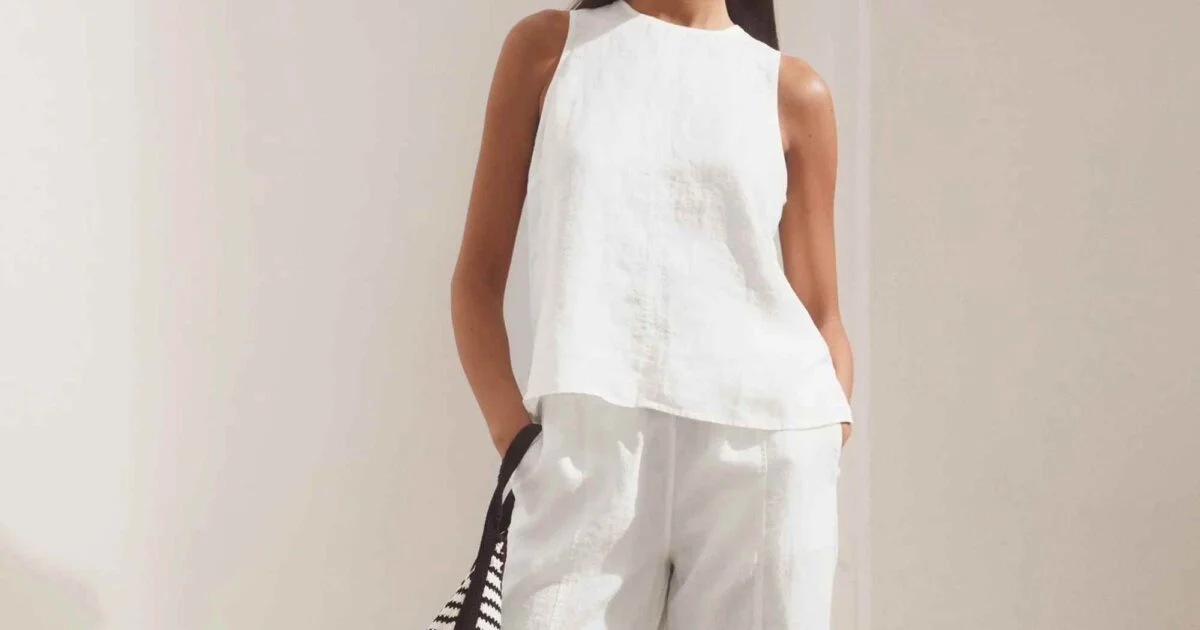
The allure of diverse silhouettes, such as the comfortable wide-leg jersey culotte, the crisp linen straight leg, the smart pleated office trouser, or the trend-driven barrel leg, remains undiminished. However, the origin and composition of these garments are now paramount. Ethical brands prioritize materials that minimize environmental impact, such as organic cotton, which avoids harmful pesticides and uses less water than conventional cotton. Hemp, a rapidly renewable fiber, requires minimal water and no pesticides, offering exceptional durability. TENCEL Lyocell, a regenerated cellulosic fiber, is produced in a closed-loop system that recycles water and solvents. Brands also increasingly utilize recycled materials, diverting textile waste from landfills and conserving resources.
Good On You’s Commitment: A Beacon for Conscious Consumers
Navigating the complexities of ethical fashion can be challenging for consumers. To address this, organizations like Good On You provide a comprehensive and transparent rating system for fashion brands. Their methodology assesses a brand’s impact across three key areas: Planet, People, and Animals. This rigorous evaluation considers factors such as energy use, water management, waste reduction, chemical use, labor practices (including fair wages and safe conditions), and animal welfare policies.
The editorial team at Good On You curates brands that demonstrate a genuine commitment to improving their impact, going beyond mere greenwashing. These businesses actively strive for transparency in their supply chains and manufacturing processes. For instance, some brands featured are entirely vegan, others champion labor justice, and a significant portion eschew synthetic fibers in favor of lower-impact alternatives. The platform’s commitment to supporting sustainable journalism is also transparent, with disclosures about earning commissions through affiliate links, ensuring that editorial independence and integrity remain paramount. This model allows consumers to make choices backed by credible, third-party assessment.
Spotlight on Leading Ethical Trouser Brands
The market for sustainable trousers is expanding, offering a variety of styles and ethical considerations. The following brands exemplify a commitment to responsible production, each with a unique approach to fostering a better fashion industry:
Afends: Pioneering Hemp Innovation
Hailing from Byron Bay, Australia, Afends is at the forefront of the "hemp revolution." This brand embodies a mission to create more sustainable clothing through innovation, action, and positive change, deeply influenced by environmental consciousness, streetwear, and surf culture. Recognizing hemp’s immense potential as a regenerative and low-impact fiber, Afends took the significant step of purchasing 100 acres of farmland, Sleepy Hollow, to cultivate its own hemp crops. This vertical integration not only ensures the quality and ethical sourcing of their primary material but also demonstrates a deep commitment to sustainable agriculture. Hemp requires substantially less water and no pesticides compared to conventional cotton, making it an environmentally superior choice. Afends’ dedication to this fiber offers a blueprint for how brands can invest in their supply chains to achieve greater sustainability. Their range, typically available in sizes XS-XL, reflects a blend of style and conscious production.
ISTO.: The Art of Timeless Staples
The Portuguese brand ISTO. operates on a refreshingly simple mandate: to create enduring garments that transcend seasonal trends and serve as year-round wardrobe staples. Eschewing the fast fashion model of multiple collections per year, ISTO. maintains a single, permanent collection, prioritizing quality over quantity. This approach inherently promotes longevity and reduces waste associated with rapidly changing trends. A cornerstone of their philosophy is radical transparency, particularly regarding the true cost of their garments. Consumers are provided with detailed breakdowns of production expenses, fostering trust and enabling informed purchasing decisions. By utilizing organic materials and focusing on timeless design, ISTO. encourages a more thoughtful consumption pattern, where items are cherished and worn for many years. The brand’s sizing typically spans XS-XL.
IRO IRO: Weaving Circularity and Craft
Based in Jaipur, India, IRO IRO stands as a beacon of circular design and traditional craftsmanship. This collective employs low-waste design and cutting principles, ensuring minimal fabric waste during production. Their commitment extends to utilizing lower-impact materials and, significantly, championing traditional crafts indigenous to India. By supporting local artisans and preserving ancestral techniques, IRO IRO not only creates unique, high-quality garments but also contributes to the socio-economic well-being of these communities. Their approach is a powerful antidote to the homogenizing effects of mass production, celebrating cultural heritage while adhering to stringent environmental standards. The brand offers sizes from XS to XXL.
WE-AR4: Rescuing Luxury, Redefining Waste
WE-AR4, a US-based brand, exemplifies innovative sustainability by focusing on material rescue and intelligent design. Founded by fashion industry veterans, the brand consciously chooses to "thrift" high-quality leathers and luxury textiles that are left over from other brands, essentially giving these exquisite materials a second life. This approach significantly reduces the demand for new material production, lessening the environmental impact associated with raw material extraction and processing. In addition to utilizing deadstock, WE-AR4 incorporates certified lower-impact materials, further solidifying its commitment to reducing waste and promoting circularity within the luxury segment. Their range, available in sizes XS-L, offers an effortless style rooted in responsible practices.
SANTICLER: Modern Silhouettes, Responsible Sourcing
SANTICLER, a US-based label, offers timeless collector’s pieces that marry modern silhouettes with a strong emphasis on sustainability. Founded by an early advocate of slow fashion, the brand designs and produces its collections with the explicit intention of reducing waste. This commitment is evident in their material choices, which include GOTS-certified cotton and responsibly sourced wool. GOTS certification ensures that cotton is organic and processed according to strict environmental and social criteria. Responsibly sourced wool often implies adherence to animal welfare standards and sustainable land management. By curating contemporary yet enduring womenswear, SANTICLER encourages investment in pieces that will last, counteracting the disposable nature of fast fashion. Most items are available in sizes XS-L.
Opera Campi: Balanced Sustainability, Social Impact
Italian brand Opera Campi, established in 2017, distinguishes itself through a balanced approach to sustainability. They craft premium quality garments using locally-sourced raw materials, thereby reducing transportation emissions and supporting local economies. The brand makes conscious choices throughout its supply chain, reflecting a holistic understanding of environmental and social impact. Beyond their production practices, Opera Campi demonstrates a profound social commitment by donating 4% of its profits to social causes. This direct contribution to community welfare adds another layer to their ethical framework, positioning them as a brand that not only cares for the planet but also actively invests in societal betterment. The brand is inclusively sized from 3XS to 3XL.
OhSevenDays: Circularity from Leftovers
OhSevenDays, founded by Australian-Canadian Megan Mummery, embodies the "power of circularity" by creating slow fashion from the leftovers of fast fashion. Based in Istanbul, a major garment manufacturing hub, the brand reclaims end-of-roll fabrics from local factories. These materials, often destined for landfill, are ingeniously transformed into sharp, everyday womenswear that is both stylish and responsible. This innovative approach to upcycling directly tackles textile waste, one of the most pressing issues in the fashion industry. By utilizing existing resources, OhSevenDays significantly reduces the demand for new production, minimizing resource consumption and pollution. Their garments are available in sizes XS-XL, with custom sizing also offered, promoting inclusivity and reducing waste from overproduction.
Näz: Enduring Style, Lower-Impact Materials
Näz, a Portuguese brand, focuses on creating timeless womenswear using lower-impact materials. Their design philosophy prioritizes longevity and versatility, offering garments that are not only stylish but also built to last. By consciously selecting materials that have a reduced environmental footprint, Näz contributes to mitigating the adverse effects of textile production. The brand’s commitment to enduring style actively combats the ephemeral nature of seasonal trends, encouraging consumers to build a more sustainable and functional wardrobe. Most garments are available in sizes S-L.
tentree: Reforestation and Fair Production
Canadian brand tentree has a powerful, measurable commitment to environmental regeneration: for every item purchased, they plant ten trees. Since its inception, tentree has planted over 65 million trees, contributing significantly to ecosystem restoration, carbon sequestration, and biodiversity enhancement. This initiative also creates vital planting jobs in communities around the world, demonstrating a dual environmental and social impact. All of tentree’s products are developed with an "Earth-first approach," meaning they are manufactured under fair and safe working conditions. They exclusively use lower-impact and recycled materials, such as organic cotton, recycled polyester, and hemp. The brand’s transparency regarding its impact and its tangible contributions to reforestation make it a leader in sustainable apparel. tentree’s clothes are typically available from XS-XL, with an exclusive offer of 10% off orders over $100 for Good On You readers.
Jyoti – Fair Works: Empowering Communities Through GOTS
Jyoti – Fair Works, a German-based brand, combines robust ethical practices with high-quality textile production. They specialize in GOTS-certified cotton products, ensuring that their materials are organic and that the entire supply chain adheres to stringent environmental and social criteria. A core tenet of Jyoti – Fair Works is its profound social mission: providing employment opportunities for individuals from marginalized or disadvantaged groups in India. This commitment directly addresses social inequality, offering stable employment, fair wages, and dignified working conditions. By supporting Jyoti – Fair Works, consumers contribute to a model that values both ecological integrity and social justice. Sizes available are S-XL.
Toad&Co: Adventure-Ready, Conscientiously Made
Toad&Co, a US brand, is celebrated for its commitment to operating in a socially and environmentally minded way. Their women’s and menswear collections are designed with versatility in mind, equally suited for the rigors of outdoor adventures and the casual comfort of a tavern setting. This focus on adaptable and durable clothing inherently promotes a more sustainable lifestyle, encouraging consumers to invest in fewer, higher-quality items that can serve multiple purposes. Toad&Co’s dedication to thoughtful production processes and sustainable materials ensures that their garments are not only built to last but also produced with respect for both people and the planet. Most items are available in sizes XS-2XL.
Seek Collective: Craft, Community, and Transparency
Seek Collective, a US brand, stands out for its dedication to transparency, authenticity, craft, and sustainability. Their philosophy revolves around establishing profound connections between art, product, consumers, process, and makers. All items are meticulously made in India through partnerships with like-minded communities and individuals, ensuring ethical labor practices and fair compensation. By emphasizing traditional craftsmanship and supporting local artisans, Seek Collective helps preserve cultural heritage while providing economic opportunities. Their commitment to transparency allows consumers to understand the journey of their garments, fostering a deeper appreciation for the artistry and ethical labor involved. Find most products in XS-L, with an extended sizing range up to 4XL.
LA Relaxed: Simplicity with a Sustainable Core
"Simplicity, sustainability, style" is the guiding motto for LA Relaxed. This brand actively works to reduce its climate impact by integrating renewable energy sources throughout its supply chain. This proactive measure significantly lowers the carbon footprint associated with manufacturing. LA Relaxed also prioritizes the use of lower-impact materials, including organic cotton and TENCEL Lyocell. TENCEL, known for its soft hand-feel and excellent drape, is produced from sustainably sourced wood pulp in a closed-loop system, minimizing waste and resource consumption. By focusing on essential, comfortable pieces made with sustainable practices, LA Relaxed offers consumers a straightforward path to an ethical wardrobe. The collection is available in sizes XS-XL.
The Broader Tapestry: Consumer Power and Fashion’s Future
The collective shift towards ethical and sustainable fashion represents more than just a trend; it signifies a fundamental re-evaluation of consumption patterns and industry practices. Consumer choices hold immense power, influencing brands to adopt more responsible manufacturing processes and transparent supply chains. As awareness continues to grow, so too will the demand for innovations in material science, circular design, and fair labor practices.
The future of fashion is increasingly envisioned as circular, where garments are designed for longevity, repairability, and eventual recycling or composting. Transparency will become non-negotiable, with brands openly sharing information about their environmental and social performance. Technological advancements, coupled with a renewed appreciation for craftsmanship and quality, are poised to transform the industry into a more equitable and ecologically sound sector. Initiatives like Good On You serve as critical tools in this evolution, empowering individuals to be part of the solution. For those seeking options tailored to specific needs, guides for petite and tall trousers from sustainable brands further exemplify the industry’s growing inclusivity and thoughtful consideration for diverse consumer requirements.
Editor’s Note
Feature image via Armedangels, all other images via brands mentioned. Good On You publishes the world’s most comprehensive ratings of fashion and beauty brands’ impact on people, the planet, and animals. Use our directory to search thousands of rated brands.
This article was updated on 11 May 2026. Our editors frequently make updates to articles to ensure they are up to date, and this refresh included an updated round-up of brands and products.