




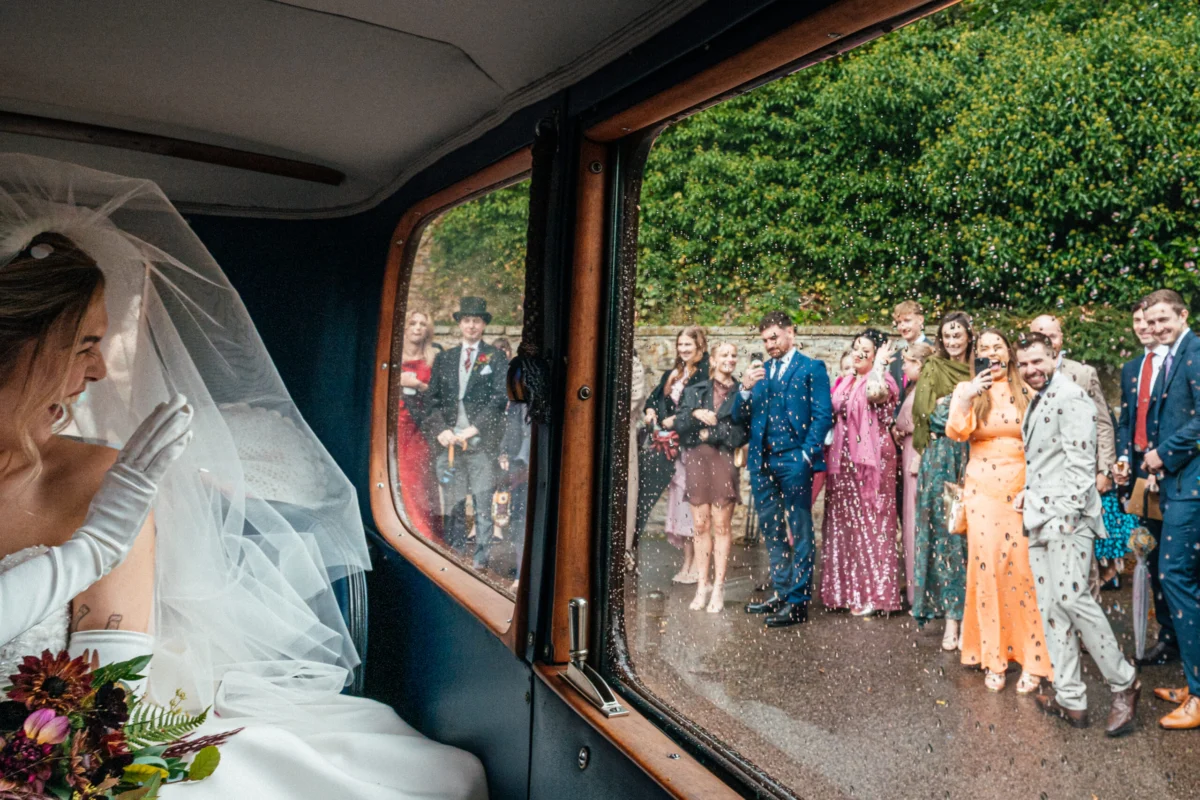
The modern wedding industry has long been dominated by the "Extrovert Ideal," a cultural preference for individuals who are gregarious, assertive, and comfortable in the spotlight. In the specific field of wedding photography, this often manifests as the "director" archetype—a professional who commands large crowds, employs booming vocal instructions, and maintains a high-energy persona throughout a twelve-hour workday. However, a significant shift is occurring within the professional circuit as more couples and industry experts recognize the strategic advantages of the introverted photographer. Simon Dewey, a prominent documentary wedding photographer based in Derby, UK, has emerged as a leading voice in this movement, arguing that the ability to remain on the periphery is not a personality flaw but a critical professional "operating system" that facilitates high-level artistic documentation.
The Extrovert Ideal versus Observational Reality
For decades, the standard expectation for a wedding photographer was rooted in the ability to manage a room. This expectation often placed introverted professionals at a perceived disadvantage. Early in his career, Dewey reported receiving feedback that, while his photographic output was highly regarded, his presence was noted as "quiet" or "in the background." This critique highlights a broader societal bias explored by author Susan Cain in her seminal work, Quiet: The Power of Introverts in a World That Can’t Stop Talking. Cain’s research suggests that Western culture has historically undervalued those who listen more than they speak and who do their best work in low-stimulation environments.
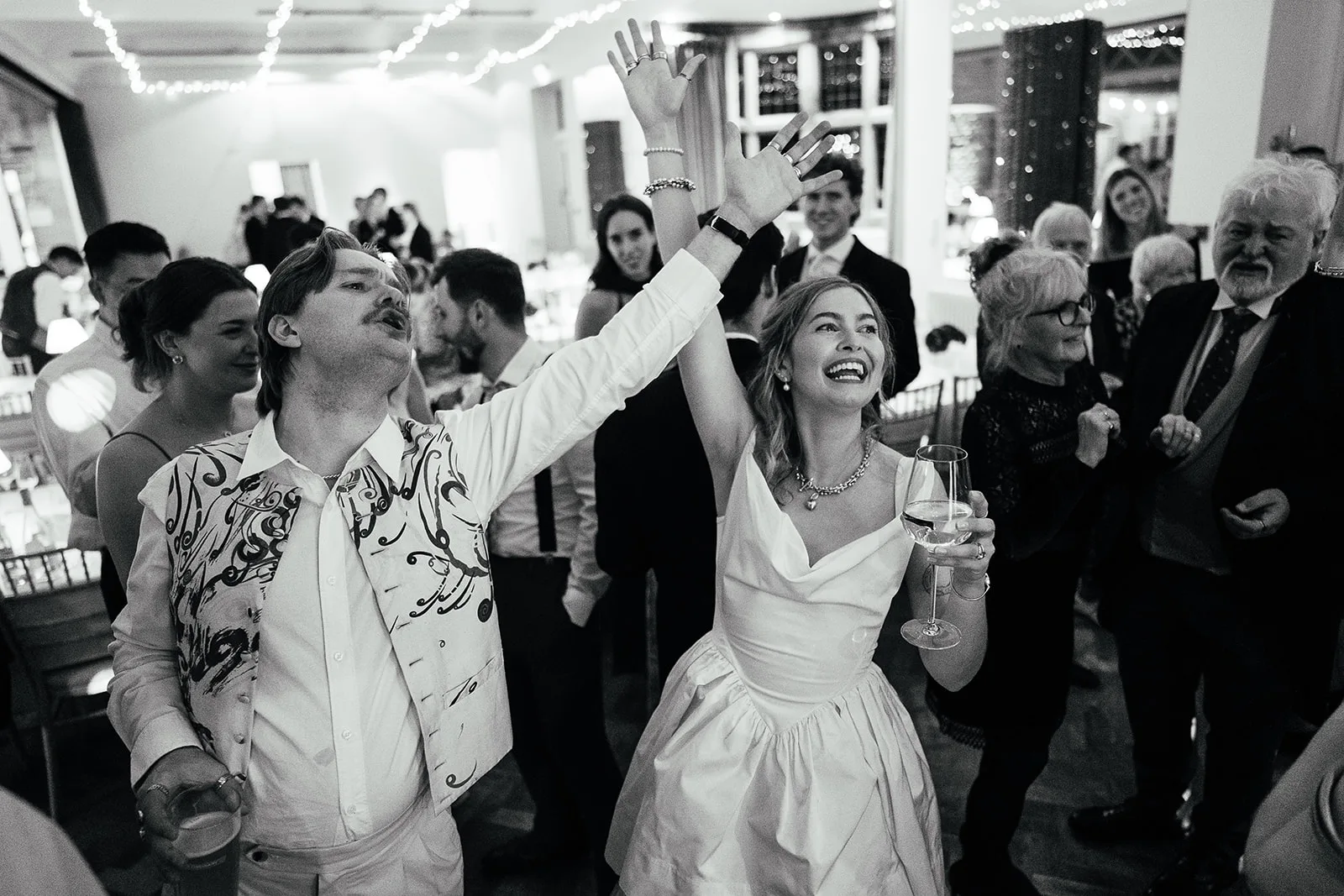
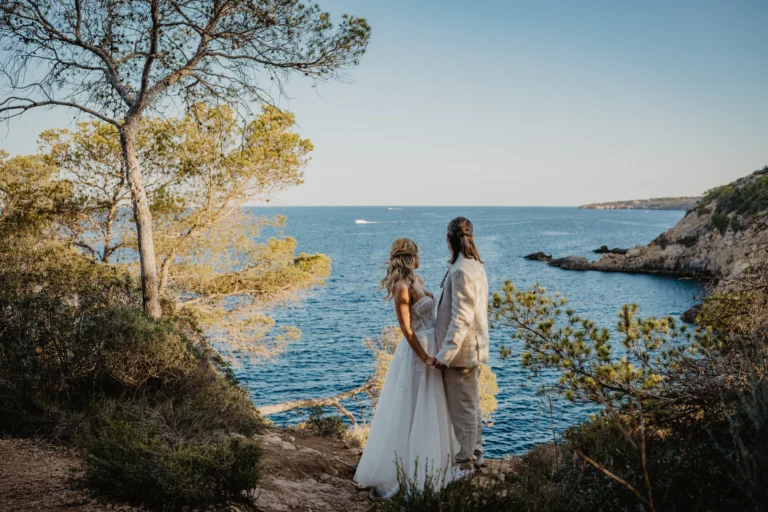
In the context of a wedding, the "quiet" approach allows a photographer to pick up on subtle emotional cues and peripheral events that more assertive, directive photographers might overlook. By prioritizing observation over participation, introverted photographers are able to capture the "decisive moment"—a concept popularized by Henri Cartier-Bresson—without the subjects being influenced by the photographer’s own energy or presence. This results in a documentary style that focuses on authenticity rather than performance.
A Chronology of Professional Evolution
The evolution of the introverted photographer’s role can be traced through a series of professional adjustments designed to leverage natural strengths while mitigating logistical challenges. For Dewey, the primary challenge of introversion initially manifested during the coordination of large group photographs. The process of "wrangling" dozens of guests who are engaged in social interaction requires a specific type of assertive energy that can be draining for an introvert.
Rather than attempting to force an extroverted persona—a tactic that often leads to professional burnout—Dewey and many of his peers have developed a delegated management system. By identifying and nominating a naturally assertive guest, such as a teacher, judge, or vocal family member, the photographer can outsource the verbal direction of the crowd. This allows the photographer to remain focused on the technical and artistic aspects of the shot. This strategic pivot marks a transition from "trying to fix" a personality trait to "working with" it, a hallmark of sustainable professional practice in the creative arts.
Data and Industry Trends in Documentary Photography
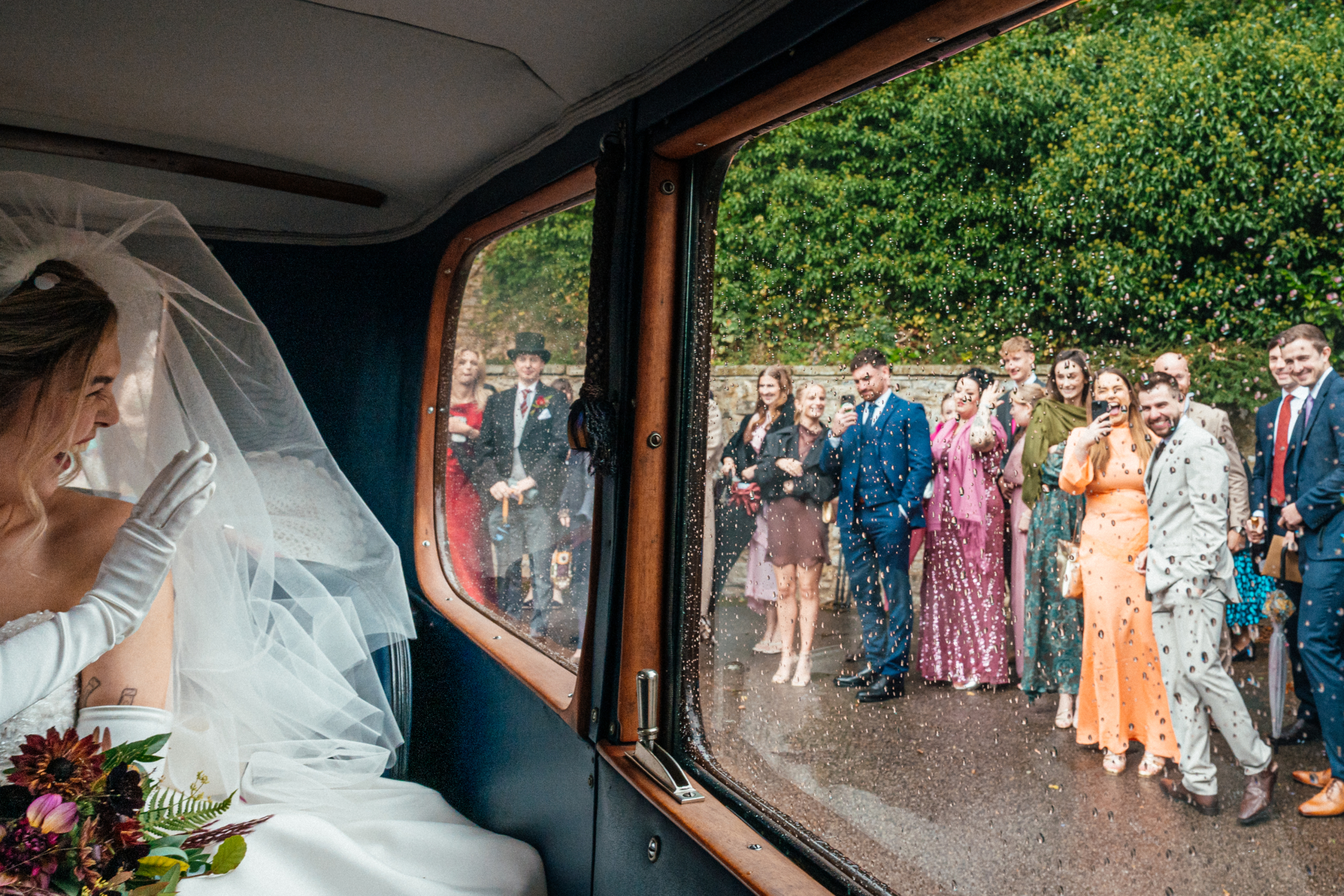
Market data suggests a growing preference for documentary and "candid" wedding photography over traditional, heavily posed styles. According to industry surveys, approximately 65% of modern couples list "authenticity" and "unposed moments" as their top priorities when selecting a photographer. This shift directly favors the introverted professional.
Furthermore, psychological studies on introversion suggest that introverts often possess a higher degree of sensitivity to their surroundings. In a high-stakes environment like a wedding, where multiple emotional narratives are unfolding simultaneously, this heightened sensitivity serves as a data-gathering tool. While an extroverted photographer may be busy creating energy, the introverted photographer is busy mapping the room, identifying key relationships, and anticipating moments before they occur.
Historical Precedents of the Invisible Photographer
The philosophy of the "quiet photographer" is rooted in a rich historical tradition of street and documentary photography. Several iconic figures in the medium’s history operated with a preference for invisibility, providing a blueprint for modern wedding professionals.
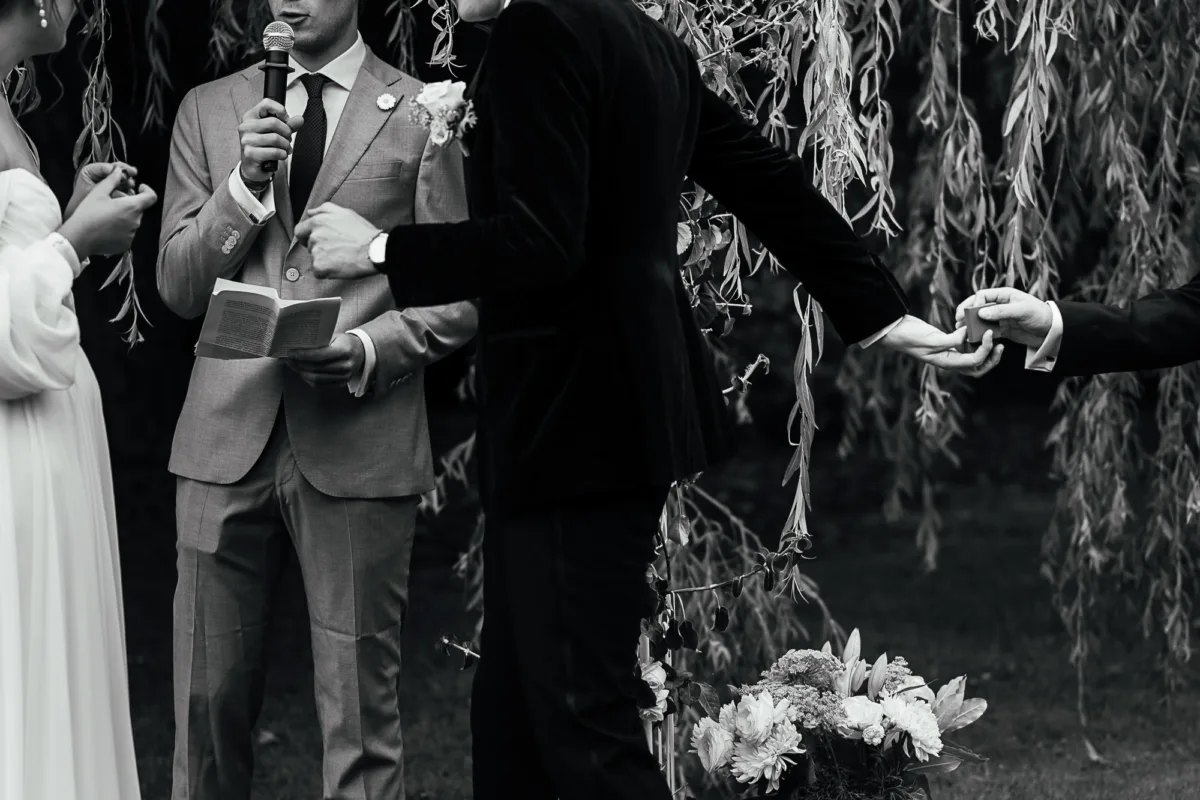
- Vivian Maier: A nanny who took over 150,000 photographs during her lifetime, Maier remained intensely private, never showing her work to the public. Her ability to document the intricacies of urban life in Chicago and New York was predicated on her status as an outsider—someone who watched without being seen.
- Henri Cartier-Bresson: Often considered the father of modern photojournalism, Cartier-Bresson famously covered the silver parts of his Leica camera with black tape to minimize its visibility. His objective was to be a "silent observer," ensuring that his presence did not alter the reality of the scene he was capturing.
- Saul Leiter: A pioneer of color photography, Leiter spent decades photographing his neighborhood in New York City. His work is characterized by a sense of quietude and abstraction, often shooting through windows or from a distance to maintain a sense of detached observation.
These historical figures demonstrate that some of the most enduring images in human history were produced not through the force of personality, but through the power of quiet, persistent observation.
The Ecosystem of the Quiet Professional
The benefits of the introverted approach extend beyond photography into other sectors of the wedding industry. Industry analysis reveals that "quiet professionals" in roles such as hair and makeup artistry and venue coordination play a vital role in the emotional regulation of the event.
A wedding morning is often a period of high anxiety for the bridal party. Hair and makeup artists who can "read the room" and provide a calm, non-performative presence allow the clients to exist in a state of reflection rather than being forced into social performance. Similarly, venue coordinators who operate behind the scenes—solving logistical problems before they are noticed by the couple—provide a sense of stability that is essential for a successful event. These professionals are often introverts who excel at "absorbing" problems rather than adding to the noise of the day.

Broader Impact and Psychological Implications for Couples
The presence of a calm, observant photographer has a documented "calming effect" on the subjects. In an environment where everything is "spinning," as Dewey describes it, the photographer serves as a grounding force. For couples who are themselves introverted or who find the spotlight overwhelming, an introverted photographer provides a sense of solidarity.
The final product of this approach is a visual record that reflects the actual experience of the wedding rather than a curated or "produced" version of the event. When couples review their galleries and discover moments they were unaware were being photographed, it reinforces a sense of trust in the professional’s ability to document their history accurately. This "invisible" service is increasingly being recognized as a premium offering in the luxury wedding market, where discretion and authenticity are highly valued.
Professional Analysis of Documentary Ethics
The move toward introverted, documentary-style photography also raises important questions about the ethics of documentation. By refusing to "shape" the day through their presence, introverted photographers adhere more closely to the principles of photojournalism. They act as historians of a private event, ensuring that the visual narrative belongs to the couple and their guests, rather than being a reflection of the photographer’s brand or personality.
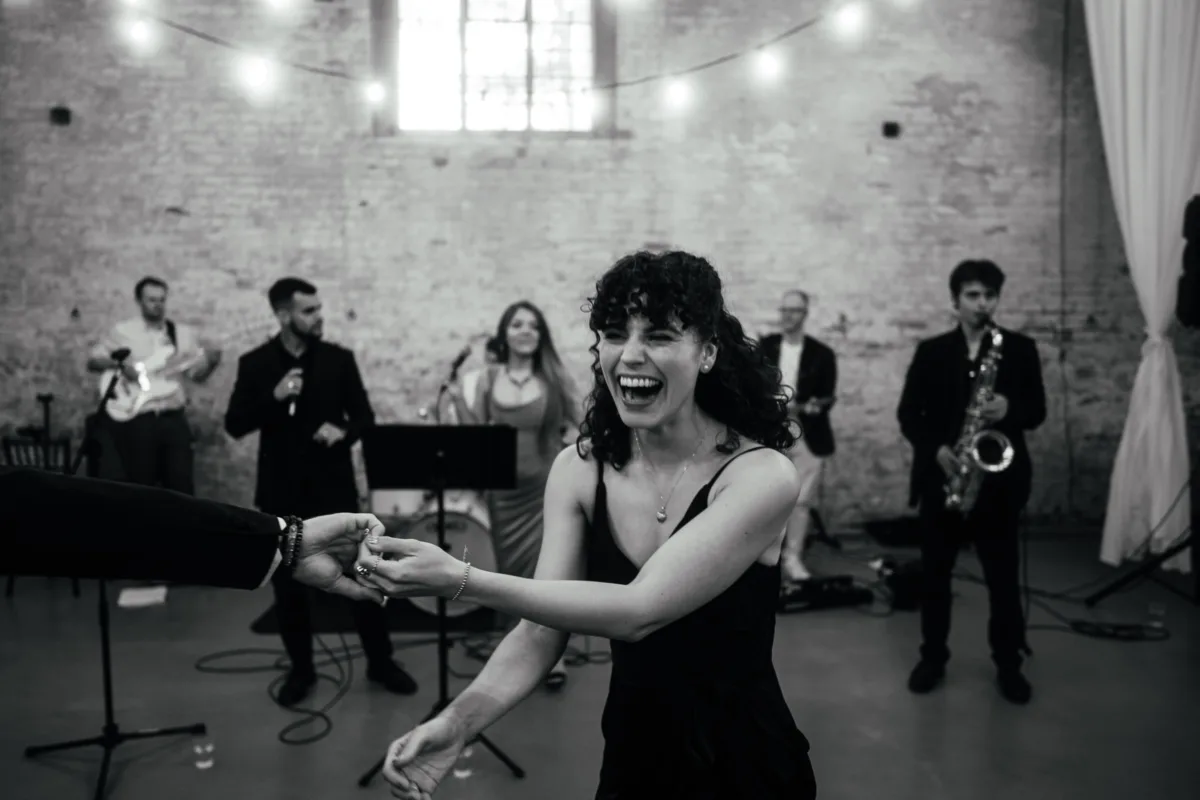
In conclusion, the rise of the "quiet photographer" represents a maturation of the wedding industry. It marks a departure from the need for constant entertainment and a move toward meaningful, artistic observation. Professionals like Simon Dewey demonstrate that introversion is not merely a personality trait to be managed, but a sophisticated tool for capturing the human experience. As the industry continues to evolve, the value of the "invisible" professional is likely to remain a cornerstone of high-quality, authentic event documentation. For the modern couple, the photographer who "wasn’t really there" may ultimately be the one who saw the most.