









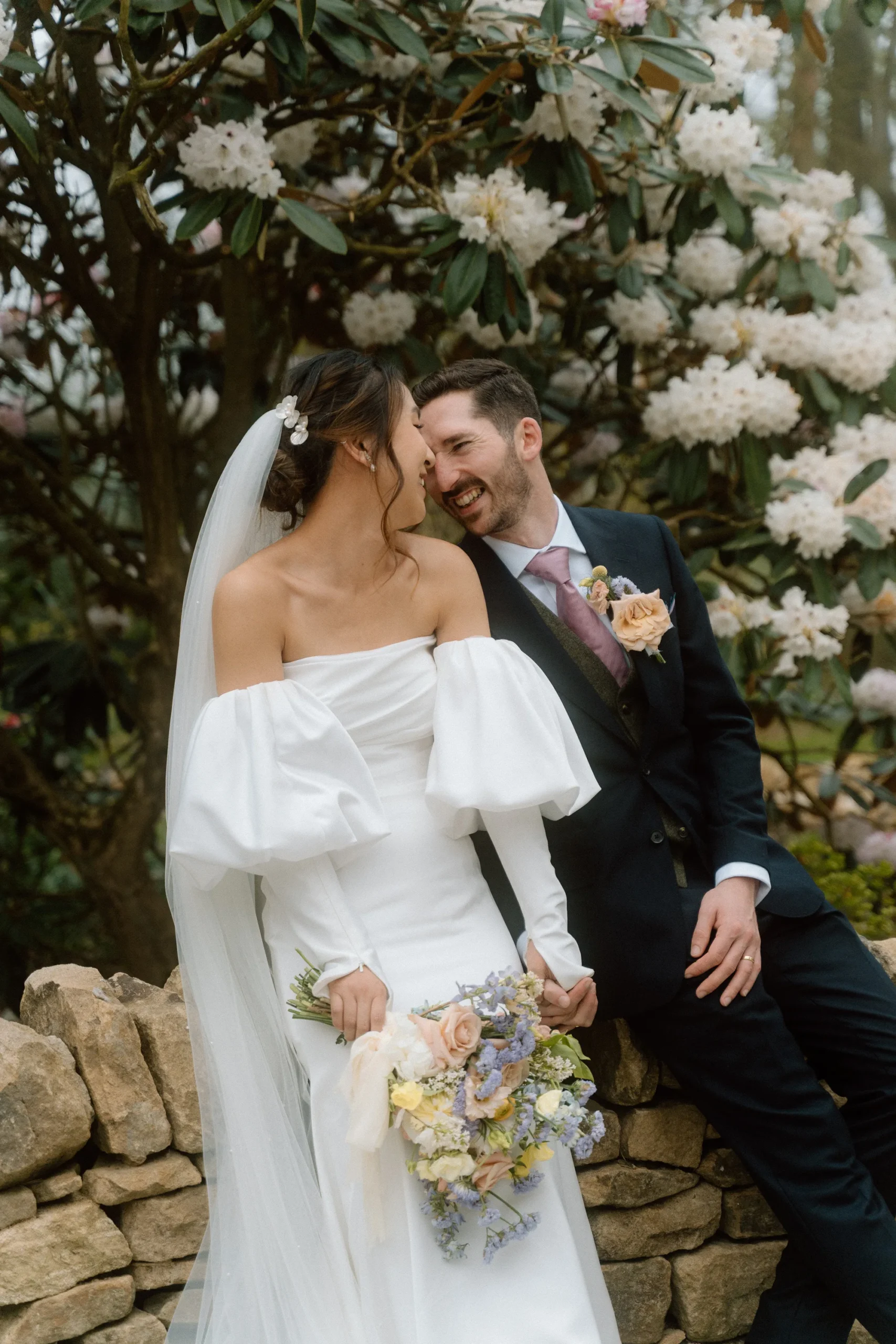
The wedding of Vivian and Edward, celebrated over the May Day bank holiday weekend, represents a sophisticated synthesis of traditional British ecclesiastical customs and ancient Chinese matrimonial rituals. The multi-day event, which transitioned from the historic St Mary’s Church in Staindrop, County Durham, to the contemporary pastoral setting of Halton Grove in Northumberland, highlights a growing trend in the United Kingdom’s £14.7 billion wedding industry: the rise of the "fusion wedding." These ceremonies meticulously blend diverse cultural heritages to create a bespoke narrative that honors both the past and the couple’s modern identity.
A Chronology of Tradition and Transition
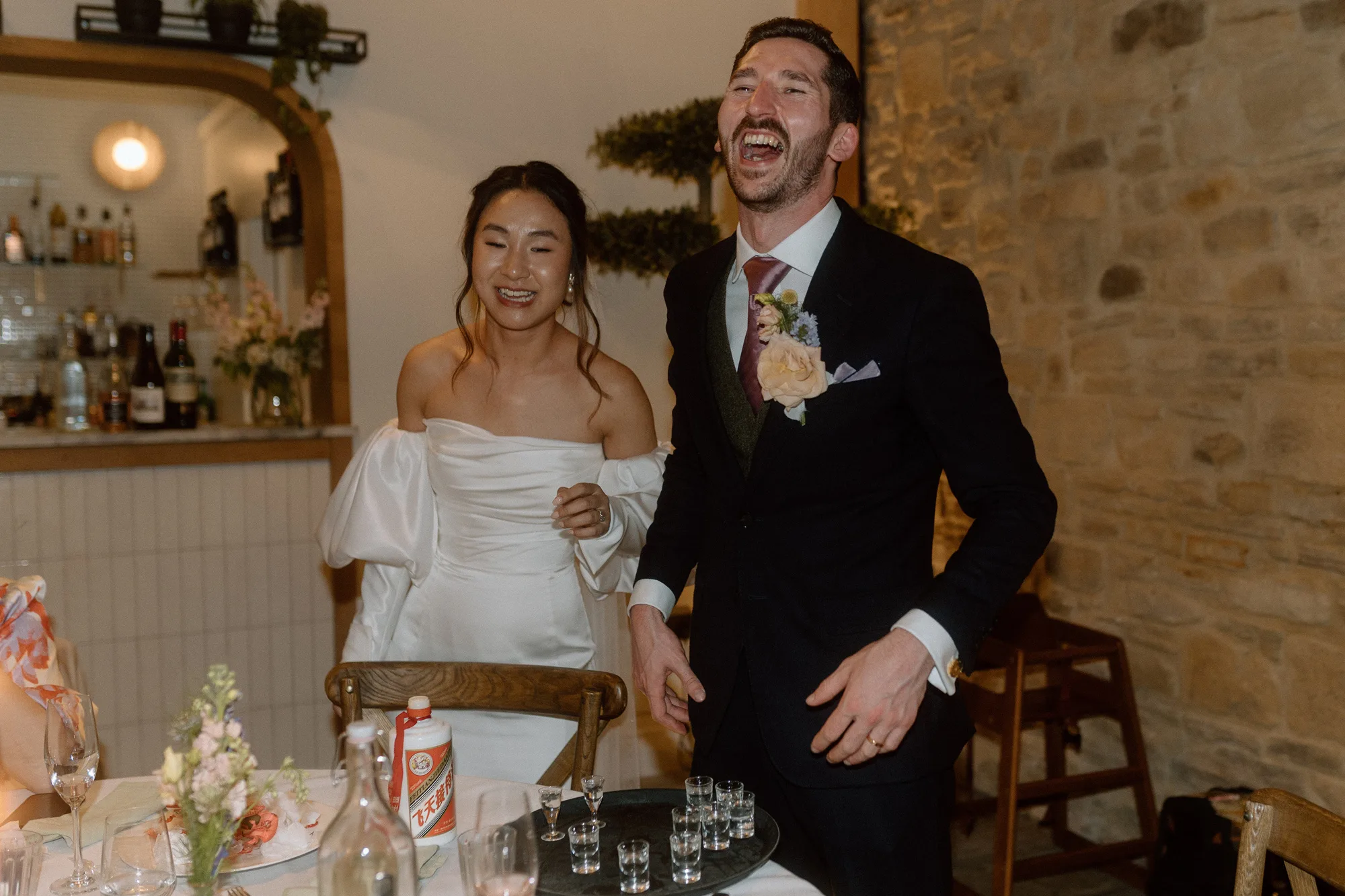
The celebrations commenced on the eve of the wedding with the "hair brushing" ceremony (Shang Tou), a pivotal rite in Chinese culture. Conducted in the absence of the groom, the bride donned traditional red pyjamas as a female relative or "woman of good fortune" brushed her hair ten times. Each stroke was accompanied by auspicious blessings for longevity, fertility, and harmony. The ritual concluded with the consumption of tangyuan, a glutinous rice ball dessert. The red and white spheres symbolize union and success; within this specific family context, tradition suggests that the quantity consumed by the groom’s father correlates with the number of future grandchildren, adding a layer of lighthearted familial expectation to the solemnity.
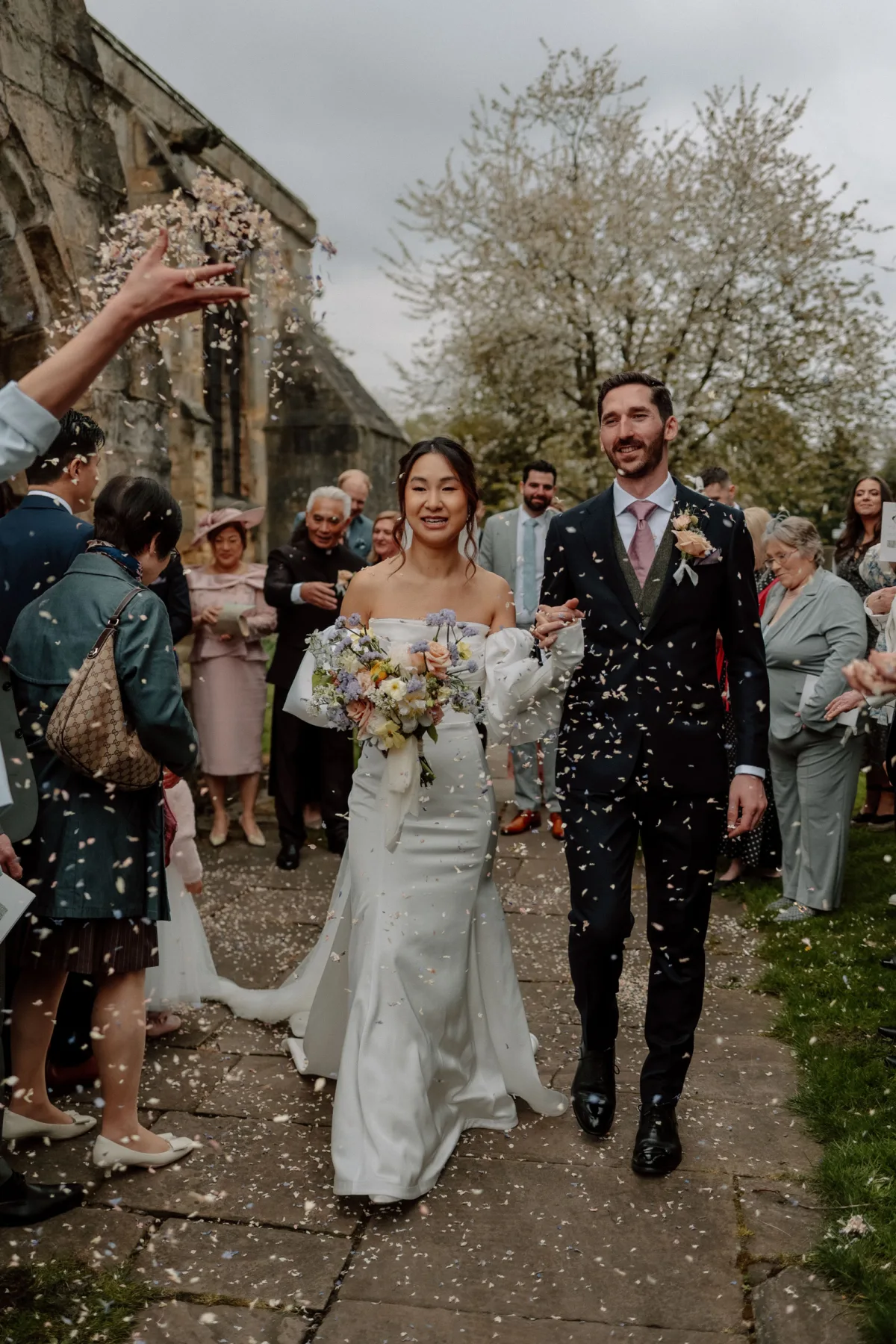
On the following morning, the proceedings shifted to St Mary’s Church in Staindrop. The location held deep ancestral significance for the groom, whose grandparents had previously wed at the site and whose grandfather had served as the parish organist. The ceremony, officiated by the Reverend Canon Eileen Harrop, incorporated bilingual elements to accommodate the diverse guest list. Readings included the "Song of Songs" (2:10-13), chosen for its seasonal relevance to the spring meadow theme, and a Chinese reading of Colossians (3:12-17), which emphasizes the virtues of love and thankfulness.
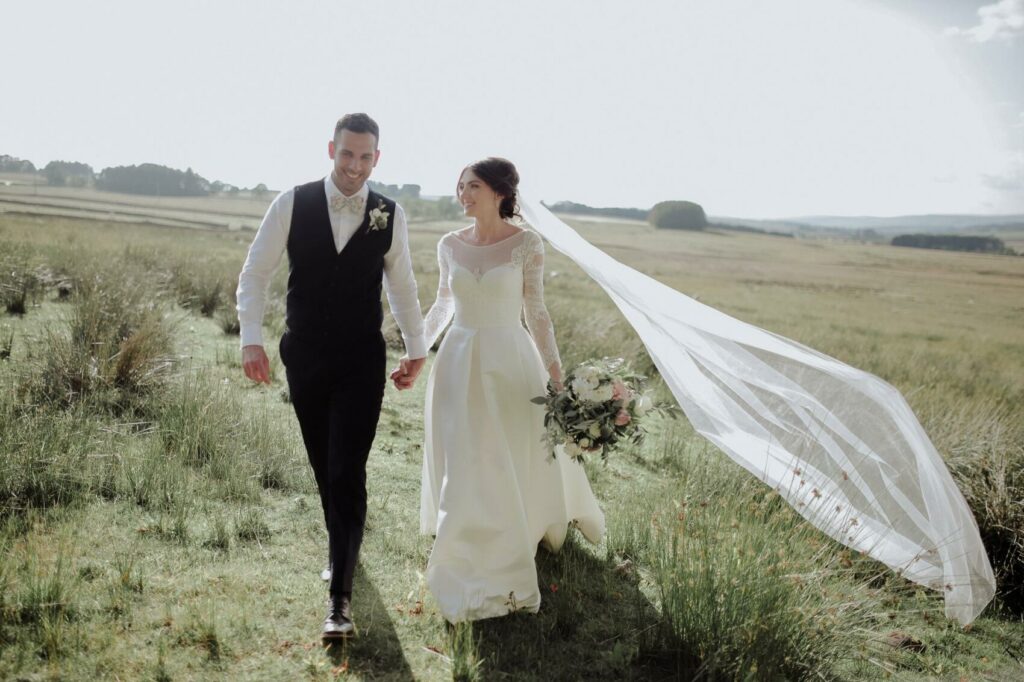
Following the church service, the party relocated to Halton Grove for the formal Chinese tea ceremony. This ritual serves as the official introduction of the couple to their respective families. Serving tea to elders—including parents, aunts, and uncles—symbolizes the joining of two lineages. In exchange for the tea, which is brewed with red dates and lotus seeds to represent prosperity and the "arrival of children," the couple received hongbao (red envelopes) containing monetary gifts and gold jewellery, the latter traditionally representing the bride’s dowry and inherent wealth.
The Architectural and Aesthetic Framework
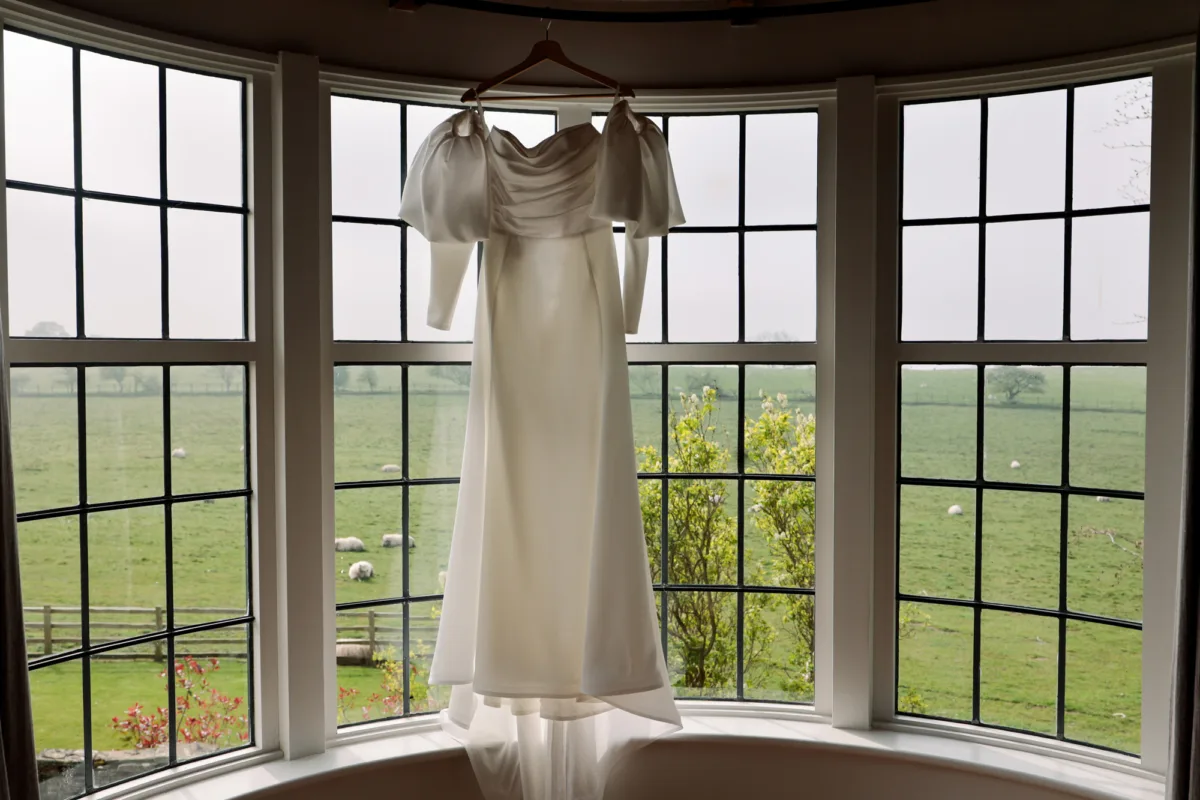
The selection of Halton Grove as the reception venue was a calculated risk for the couple, as they secured the booking before the site had completed construction. Located in the Northumberland countryside, the venue is characterized by its modern-rustic architecture, featuring exposed timber beams and expansive floor-to-ceiling windows designed to integrate the interior space with the surrounding landscape.
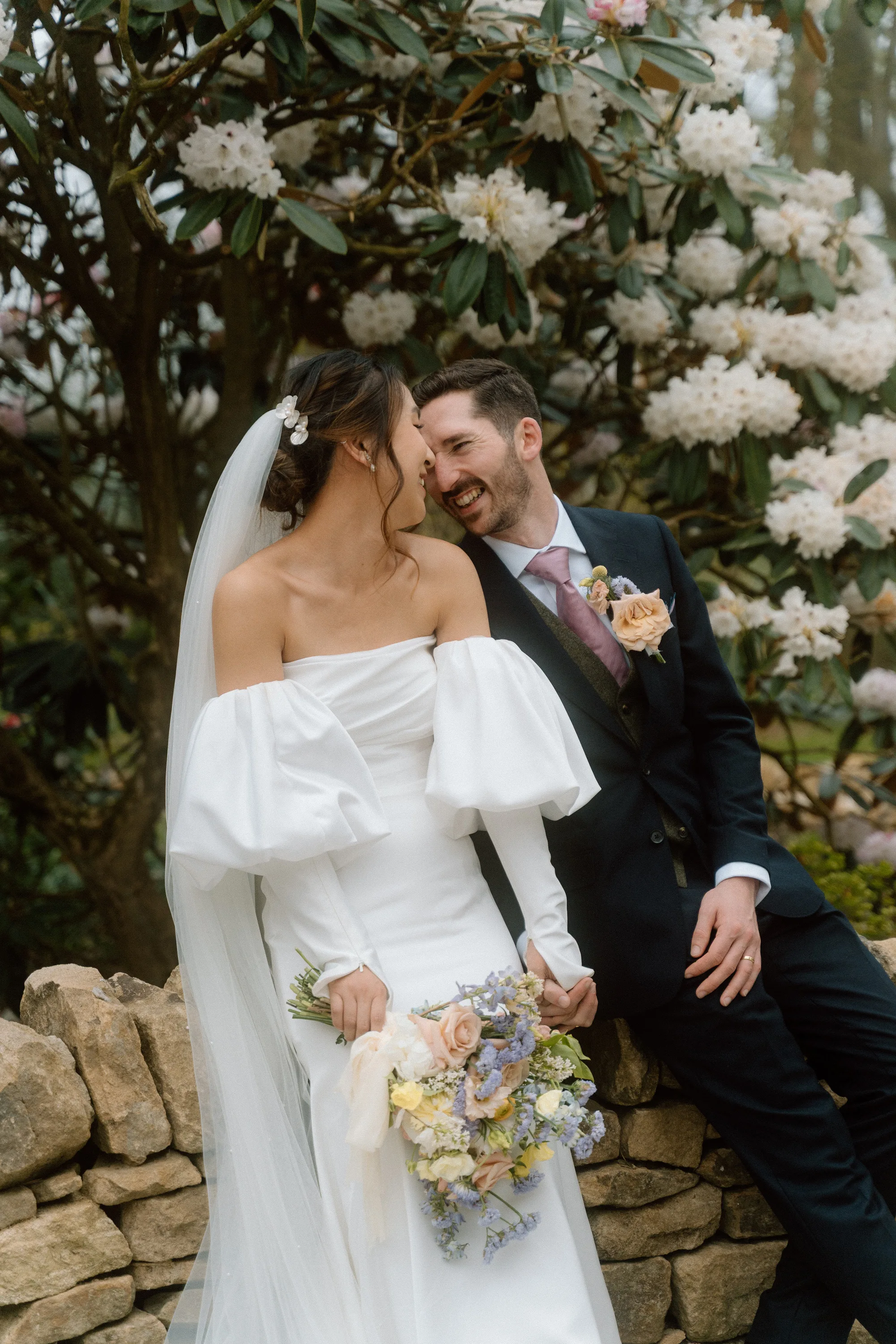
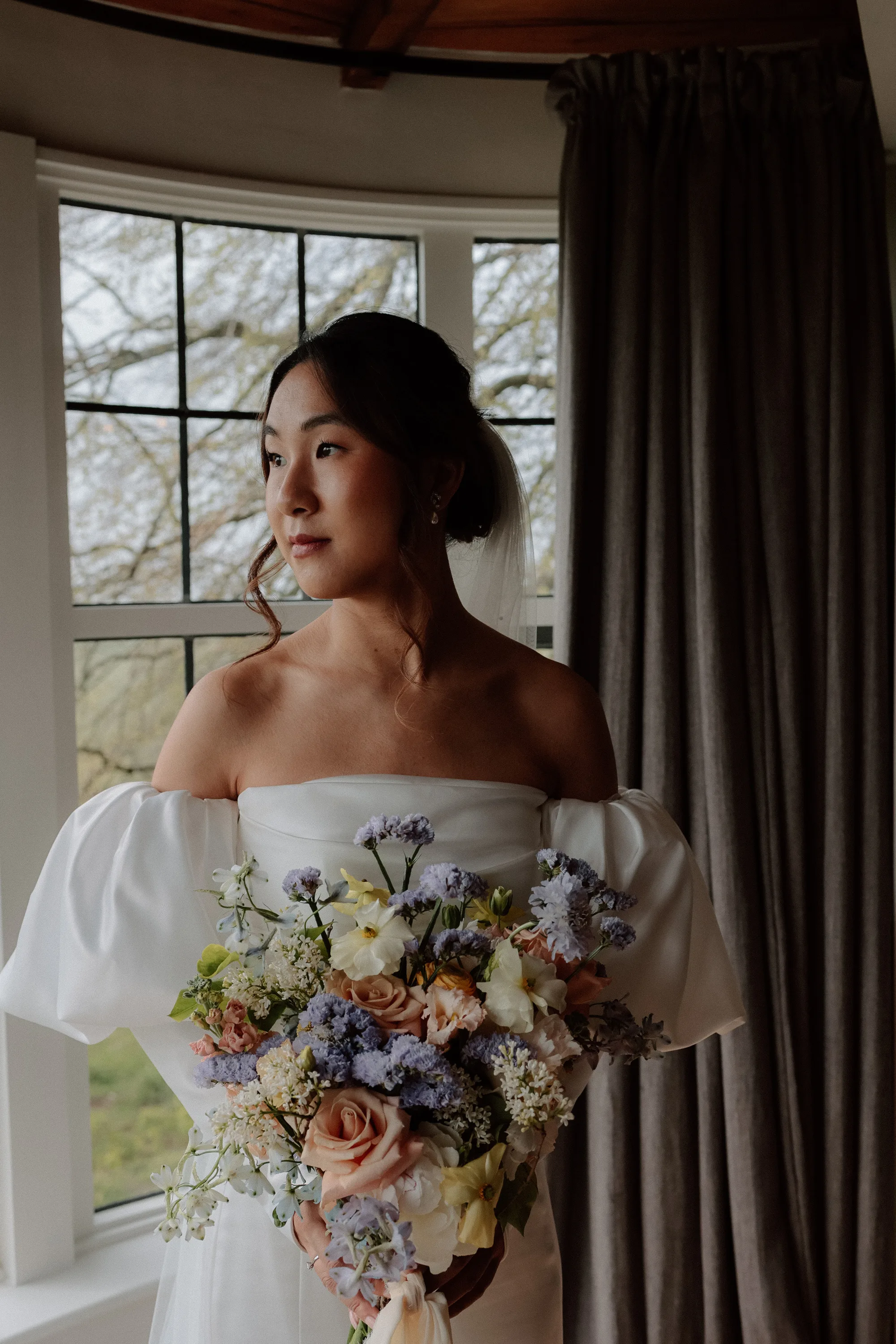
Inspired by the May Day timing, the aesthetic palette focused on blush pink, lilac, and yellow ochre. This "spring meadow" concept was executed through a combination of professional floral design and extensive "pro-DIY" contributions from the bride, a professional designer operating under the moniker Square Balloons Studio.
Design and Personalization Data
- Stationery: All invitations, orders of service, and menus were designed by the bride and produced using high-end letterpress techniques by Blush Publishing.
- Sustainability: Floral arrangements were curated by Periwinkle Barn, a member of the "Flowers from the Farm" network. This movement promotes the use of locally grown, seasonal British flowers, reducing the carbon footprint associated with imported blooms.
- Historical Integration: The groom wore cufflinks fashioned from coins minted in the year of his late father’s birth, while the bride wore heirloom pearl earrings.
Culinary Integration and the Guest Experience
In contemporary wedding planning, the culinary offering is often cited as the highest priority for couples, second only to the venue itself. The catering at Halton Grove, led by Emily Owen, focused on high-quality, locally sourced ingredients. The menu was designed to complement a curated wine pairing, reflecting a broader shift toward "fine dining" experiences within the wedding sector.
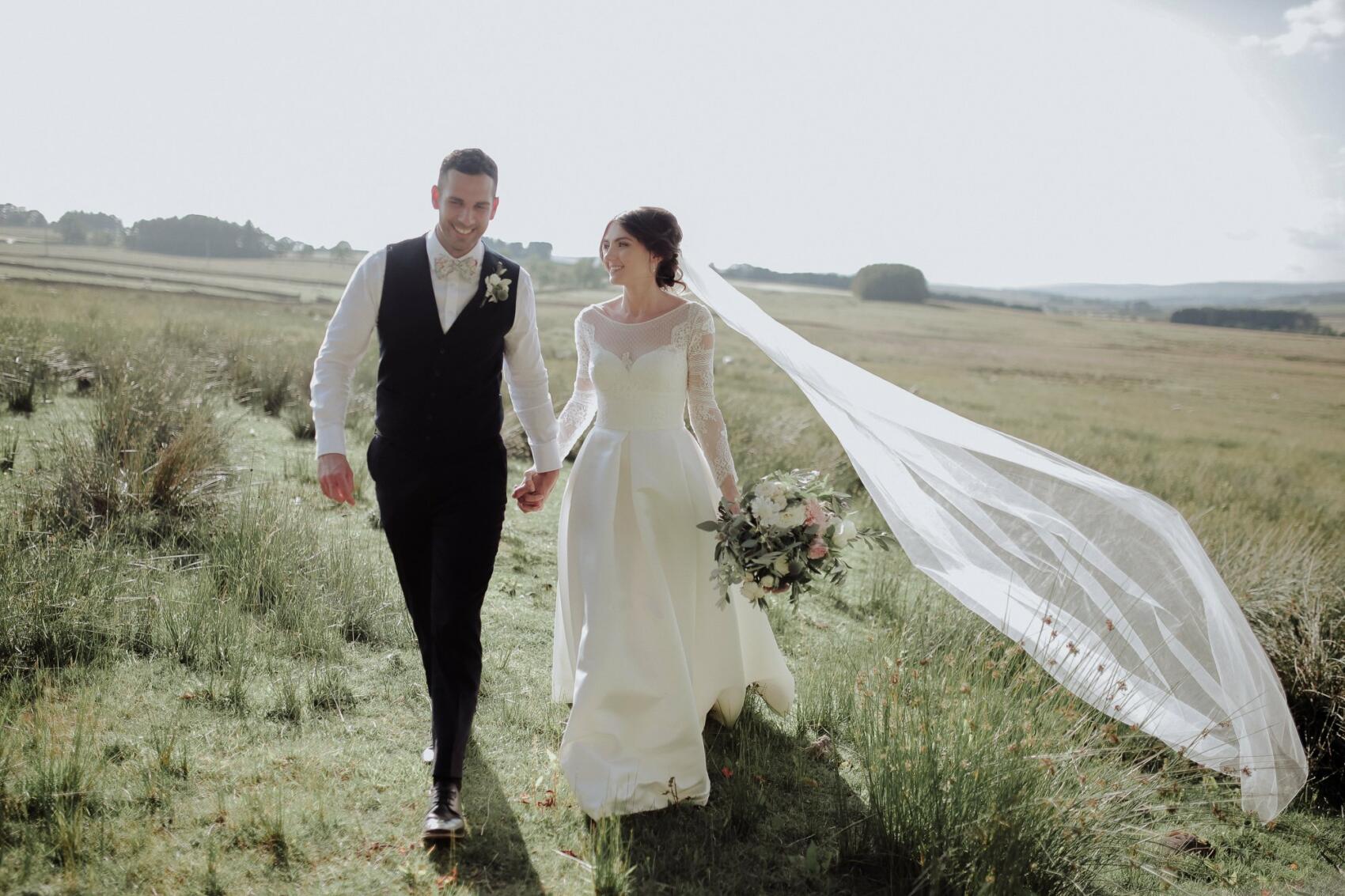
The wedding cake, designed by Frances and Rae Cake Design, mirrored the event’s visual motifs. The three-tier structure featured raw-edge icing and edible gold leaf, echoing the letterpress details of the stationery. In a nod to the groom’s personal interests, the evening’s entertainment was provided by the Electric Idols, an indie band from Leeds. The couple’s first dance to "Melt" by the Mystery Jets further personalized the event, moving away from traditional ballroom standards in favor of contemporary indie-rock.
Broader Implications for the UK Wedding Market
The success of the Vid-Ed wedding provides a case study for several emerging trends in the high-end matrimonial market.
1. The Rise of the "Weekend Wedding"
The extension of the celebration across multiple days—from the Friday night ritual to the Sunday breakfast—is becoming increasingly common. This format allows for the integration of multiple cultural rites that would otherwise feel rushed if condensed into a single twelve-hour window. Data from industry analysts suggest that "multi-day" bookings have seen a 15% increase in the luxury sector over the last three years.
2. Cultural Fusion as a Standard
As the UK population becomes more diverse, the "fusion wedding" is no longer a niche category. Venues like Halton Grove are increasingly required to provide logistical support for non-Western rituals, such as designated spaces for tea ceremonies or specific kitchen requirements for traditional foods.
3. The Professionalization of DIY
The bride’s involvement in the stationery and signage highlights the "pro-DIY" trend, where couples with professional creative skills take on the branding of their own weddings. This results in a level of aesthetic cohesion that often surpasses what can be achieved through third-party vendors alone.
Official Responses and Wedded Wisdom
Reflecting on the logistical complexities of the day—including a one-hour transit between the church and the reception venue—the couple emphasized the importance of "contingency time" in wedding schedules. "Your budget will likely exceed initial projections if you have a clear, uncompromising vision," the couple noted in a post-event summary. They specifically recommended that couples schedule "time alone" during the day, citing their private drive from the church to the venue as a critical moment of reflection amidst the high-intensity celebrations.
The groom’s speech, partially delivered in Chinese, was noted by guests as a highlight of the evening. Taught by the bride’s sister, the gesture served as a final, formal bridge between the two families, reinforcing the theme of the weekend: the harmonious integration of distinct identities into a singular, shared future.
Conclusion
The wedding at Halton Grove stands as a testament to the evolving nature of British matrimonial traditions. By honoring the historical weight of a County Durham church ceremony while embracing the cultural depth of Chinese ancestral rites, Vivian and Edward created a template for modern, multicultural celebration. The event not only showcased the scenic beauty of the North East but also demonstrated how sustainable practices, professional design, and deep-seated tradition can coexist in the modern age. As the wedding industry continues to adapt to a globalized society, events of this caliber serve as a benchmark for cultural sensitivity and aesthetic excellence.