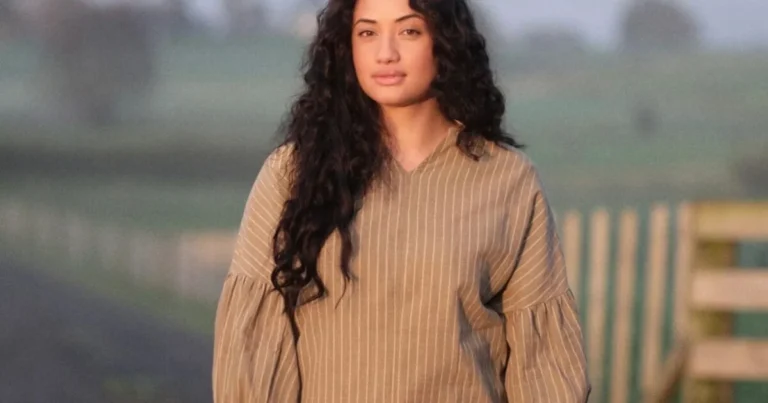







Dresses, whether for professional settings or leisure, represent a timeless wardrobe staple designed for longevity. However, a significant portion of the global fashion industry, particularly well-known brands, has faced increasing scrutiny for insufficient commitment to environmental stewardship, human rights, and animal welfare. This comprehensive guide, informed by rigorous brand assessments, spotlights ethically-minded dress brands categorized by region, empowering consumers to make informed choices that align with their values.
The Hidden Cost of Convenience: Unpacking Fast Fashion’s Legacy
The modern fashion landscape has long been dominated by the rapid cycles of "fast fashion," characterized by inexpensive, mass-produced garments that quickly move from design to retail. While offering apparent affordability and trend responsiveness, this model has exacted a severe toll on the planet and its people. Annually, the fashion industry contributes significantly to global pollution, consuming vast quantities of natural resources and generating colossal waste. For instance, the Ellen MacArthur Foundation estimates that a truckload of textile waste is landfilled or incinerated every second, with less than 1% of clothing being recycled into new garments. In the United States alone, the Environmental Protection Agency reported that over 11.3 million tons of textile waste ended up in landfills in 2018, underscoring the scale of this environmental challenge.
Beyond landfill issues, the production of conventional clothing is highly resource-intensive. Cotton, a widely used natural fiber, requires substantial amounts of water and pesticides; an estimated 2,700 liters of water are needed to produce a single cotton t-shirt, equivalent to what one person drinks in 2.5 years. Synthetic fibers like polyester, while durable, are derived from fossil fuels and contribute to microplastic pollution in oceans and waterways with every wash. Dyeing processes release toxic chemicals into water systems, impacting local ecosystems and human health in production regions. Furthermore, the industry’s extended supply chains, often spanning multiple continents, contribute significantly to global carbon emissions through transportation and energy-intensive manufacturing.
The social dimension of fast fashion is equally troubling. Millions of garment workers, predominantly women in developing countries, often endure exploitative conditions, including low wages, excessive working hours, unsafe factory environments, and a lack of basic labor rights. Tragedies like the 2013 Rana Plaza collapse in Bangladesh, which killed over 1,100 garment workers, starkly revealed the dire consequences of unchecked industry practices and inadequate safety regulations. Such incidents ignited a global movement for greater transparency and accountability in fashion supply chains, pushing for fair wages, safe conditions, and the eradication of child labor.
The Rise of Conscious Consumerism and Ethical Frameworks
In response to these pervasive issues, a powerful wave of conscious consumerism has emerged, challenging the status quo and demanding greater transparency and sustainability from brands. Consumers are increasingly aware of the provenance of their clothing and its broader impact, shifting preferences towards brands that prioritize ethical production. A 2021 study by Statista revealed that nearly 60% of consumers globally are willing to change their purchasing habits to reduce environmental impact, highlighting a growing appetite for sustainable options. This shift has fostered the growth of the ethical fashion market, projected to expand at a compound annual growth rate (CAGR) of 10-15% in the coming years, indicating a sustained movement rather than a fleeting trend.
Organizations like Good On You have played a pivotal role in this transformation by demystifying brand ethics and empowering consumers with actionable information. Good On You’s rigorous rating system assesses fashion and beauty brands across three core pillars: People, Planet, and Animals. This methodology delves into critical aspects such as a brand’s labor policies (worker safety, wages, freedom of association), environmental footprint (resource use, waste management, chemical policies), and animal welfare practices (use of animal products, certifications). By providing transparent, easily digestible ratings, Good On You helps individuals understand how brands impact the issues they care about most, fostering a direct connection between purchasing decisions and global well-being. This editorial mission is not merely about highlighting good brands but also about driving systemic change within the industry by rewarding ethical practices with consumer support.
Defining an Ethical Dress: Beyond Fabric and Style
An ethical dress transcends mere aesthetics; its true value lies in its journey from raw material to finished garment. This encompasses a holistic approach to design, production, and distribution that prioritizes sustainability, social responsibility, and animal welfare. The choice of materials is foundational, with a strong emphasis on lower-impact alternatives to conventional fabrics.
Sustainable Materials Innovations
While traditional materials like silk, cotton, cupro, and linen offer natural appeal, ethical considerations extend to how these are sourced and processed. Organic cotton, for instance, is cultivated without synthetic pesticides, fertilizers, or genetically modified organisms (GMOs), significantly reducing its environmental footprint compared to conventional cotton. Innovations have also led to the widespread adoption of recycled materials, such as recycled polyester made from post-consumer plastic bottles, which diverts waste from landfills and reduces the demand for virgin fossil fuels. Regenerated cellulosic fibers like Tencel (lyocell) and Modal, derived from sustainably managed wood sources, offer soft, breathable alternatives with closed-loop production processes that minimize chemical and water waste. Hemp and linen, known for their durability and minimal water requirements, are also gaining traction. The exploration of bio-based materials, such as those made from agricultural waste or algae, represents the cutting edge of sustainable textile innovation, promising a future where fashion can be truly regenerative.
Transparent Production & Supply Chains
Ethical production demands transparency throughout the supply chain. This means brands are accountable for knowing where their materials come from, who makes their clothes, and under what conditions. It involves rigorous auditing, supplier partnerships built on trust, and a commitment to continuous improvement. Brands that trace most of their supply chain and visit suppliers regularly demonstrate a higher level of commitment to ethical practices. Local production, where feasible, can further enhance transparency, reduce transportation emissions, and support regional economies.
Fair Labor Practices
The "People" pillar is non-negotiable for ethical fashion. Brands must ensure fair wages that cover living costs, safe and hygienic working conditions, reasonable working hours, and the absence of forced or child labor. Certifications like Fairtrade and Global Organic Textile Standard (GOTS) often include stringent social criteria, ensuring workers are treated equitably. Beyond compliance, truly ethical brands invest in their workers’ well-being, offering training, healthcare, and opportunities for advancement, thereby fostering empowered communities.
The Circularity Imperative
The concept of "circularity" is central to future-proof fashion. This involves designing garments for durability, repairability, and recyclability, thereby extending their lifespan and minimizing waste. Ethical dresses are not just made well; they are made to last and to be part of a closed-loop system where materials can be reused or composted at the end of their life. This contrasts sharply with the linear "take-make-dispose" model of fast fashion. Brands promoting capsule wardrobes, offering repair services, or utilizing deadstock (leftover fabrics from other productions) are embracing circular principles, ensuring that fewer resources are extracted and less waste is generated.
A Global Tapestry of Ethical Style: Regional Spotlights
In line with the mission to guide conscious consumers, Good On You has curated a selection of ethical dress brands, demonstrating that style and sustainability can coexist beautifully. These brands, chosen for their commitment to people, planet, and animals, are conveniently organized by region to facilitate local and responsible shopping.
Oceania: Pioneering Responsible Design
Australia and New Zealand have a growing cohort of brands blending unique aesthetics with ethical principles.
- Spell: An Australian brand, Spell draws inspiration from bohemian aesthetics and vintage treasures. Proudly designed and sampled in Byron Bay, its garments are produced responsibly in factories globally, focusing on timeless pieces. Available in sizes 2XS-2XL, Spell embodies a commitment to thoughtful creation.
- Elk: Founded in Melbourne in 2004, Elk is an independent Australian design pioneer. Its bi-annual collections marry simplicity with sustainability, informed by a strong design ethos. Elk offers most items in AU sizes 6-18, championing a blend of modern design and responsible manufacturing.
Europe: Innovation and Social Impact
Europe is a hub for ethical fashion, with brands leveraging innovative materials and strong social missions.
- Jyoti – Fair Works: Based in Germany, Jyoti – Fair Works crafts GOTS certified cotton products. Its core mission is social empowerment, providing employment opportunities for marginalized groups in India, ensuring fair wages and safe conditions. Available in sizes S-XL, Jyoti exemplifies fashion with a profound social purpose.
- Coco & Kandy: This Bulgarian brand focuses on creating high-quality, uncomplicated clothes ideal for warm weather. It commits to using lower-impact materials, transparently traces most of its supply chain, and regularly visits its suppliers to ensure ethical practices.
- Thinking MU (Spain): Featured in the initial introduction for its stunning printed, pleated midi, Thinking MU is another European brand known for its vibrant designs and strong ethical stance, often incorporating organic and recycled materials.
The UK: Crafting a Sustainable Wardrobe
The United Kingdom has seen a burgeoning movement of brands committed to more ethical and sustainable womenswear.
- OMNES: A UK-based brand dedicated to making responsible fashion both high quality and accessible. OMNES explicitly states its mission: "to help change the way you shop, wear and think about clothing," aiming to inspire broader industry change. Most items are available in sizes 6-20.
- Baukjen: This London-based womenswear brand prioritizes ethical and sustainable style. Designing clothes "for you, and designed for good," Baukjen incorporates lower-impact materials, including recycled fabrics, to reduce chemical use, water consumption, and wastewater generation. The range is available in sizes XS-L.
- Beaumont Organic: A slow fashion brand from the UK, Beaumont Organic combines simple, elegant styles with responsible production. Founded by Hannah Beaumont-Laurencia, the brand also supports its own charitable foundation, assisting communities in Fiji, reflecting a holistic approach to impact. Available in sizes XS-L.
- COSSAC: Promoting a minimalistic capsule wardrobe concept, COSSAC believes in creating timeless, versatile, and feminine apparel responsibly. It exclusively uses organic or lower-impact materials and partners with small factories for limited production runs to minimize waste and deadstock, ensuring each piece is cherished beyond seasonal trends. Most of the range is available in sizes S-L.
North America: From Vintage Inspiration to Community Building
North American brands are redefining ethical fashion through local production, community initiatives, and innovative material sourcing.
- Christy Dawn: A US brand that rates "Great" on the Good On You system, Christy Dawn offers vintage-inspired women’s clothing and footwear. It stands out for its commitment to local production using surplus "deadstock" fabrics, minimizing waste. Available in standard sizes XS-XL, with Extended and Petite collections.
- Kotn: This Certified B Corp from Canada goes beyond ethical production, actively investing in its farming communities in the Nile Delta. With every purchase, Kotn helps fund school infrastructure, educational materials, and teacher salaries, addressing low literacy rates. Kotn’s range is available in sizes XS-2XL.
- Minimalist: Anchored in timeless design, Minimalist offers a curated collection of women’s ready-to-wear pieces, all made in New York City. The brand focuses on circularity, designing garments to be recycled at their end of life. It uses certified lower-impact materials and ensures fair wages and work conditions in its local factories. Available in sizes XS-L.
- Whimsy + Row: A US-based lifestyle brand established in 2014, Whimsy + Row is driven by a love for quality goods and responsible practices. It utilizes deadstock fabrics and short production runs to reduce waste, and actively manages water resources. Most products are available in XS-XL, with an extended sizing range up to 3XL.
Asia: Heritage, Empowerment, and Innovation
Asia, a critical manufacturing hub, is also home to pioneering ethical brands that blend traditional crafts with modern sustainability.
- The Summer House: This Indian brand creates elegant women’s wear using locally made, lower-impact fabrics. It fosters community development by partnering with local artisans and NGOs, providing economic opportunities in the region. Look for its distinctive prints and flowing silhouettes in sizes XS-XL.
- No Nasties: Another leader in responsible fashion from India, No Nasties crafts simple, stylish clothing from Fairtrade organic cotton. The brand actively works to grow the ethical consumer market in India, demonstrating a commitment to both local and global impact. Styles are available in sizes 2XS-3XL.
- SukkhaCitta: A certified B Corp from Indonesia, SukkhaCitta creates "timeless modern heirlooms" by leveraging heritage crafts. The brand empowers rural artisans, preserving traditional techniques while producing beautiful, ethically made garments. The range is available in sizes XS-L.
- SeamsFriendly: This brand creates tailored pieces designed for all body types, emphasizing function and utility. It uses lower-impact materials like organic cotton and linen and offers extensive customization options (neck style, sleeve length, garment length, fabric) to ensure a perfect fit across a wide range of bust and waist sizes, including a kids’ range. This bespoke approach significantly reduces waste and promotes longevity.
- Dorsu: Based in Cambodia, Dorsu specializes in everyday basics and signature favorites that form the foundation of a conscious wardrobe. Its focus on essential, high-quality pieces promotes mindful consumption. The full range is available in XS-XL.
- I was a Sari: An innovative Indian brand, I was a Sari recontextualizes traditional styles for the modern age. It transforms used saris and deadstock fabrics into vibrant, unique products sold worldwide, embodying upcycling and cultural preservation. Pieces are available in sizes S-L.
- OhSevenDays: Founded by Australian-Canadian Megan Mummery in Istanbul, OhSevenDays champions slow fashion and circularity. The brand reclaims end-of-roll fabrics from the city’s garment factories, transforming "fast fashion’s leftovers" into sharp, responsible everyday womenswear. Garments are available in sizes XS-XL or custom sizing.
The Broader Implications: Shaping the Future of Fashion
The collective efforts of these ethical brands, along with the growing consumer demand for responsible choices, are fundamentally reshaping the fashion industry. This shift signifies more than just a trend; it represents a paradigm change towards a more sustainable and equitable future for clothing production and consumption.
Shifting Industry Paradigms
The success and visibility of ethical brands exert pressure on larger, conventional fashion houses to re-evaluate their practices. As transparency becomes a market expectation rather than a niche demand, more brands are compelled to invest in sustainable materials, improve labor conditions, and adopt circular design principles. While the industry still grapples with the immense scale of change required, the blueprint for a better way forward is being continuously refined by these pioneering brands.
The Consumer’s Role
Consumers are no longer passive recipients of fashion trends but active participants in driving change. By consciously choosing brands that prioritize ethical considerations, they cast a vote for sustainability, fair labor, and animal welfare. This collective power of purchasing decisions sends a clear signal to the market, rewarding responsible practices and holding exploitative ones accountable. The availability of resources like Good On You’s ratings simplifies this process, making it easier for individuals to align their wardrobes with their values.
Overcoming Greenwashing and Challenges
However, the path to a fully ethical fashion industry is not without its challenges. "Greenwashing," where brands falsely or misleadingly market their products as sustainable, remains a significant concern. Consumers must remain vigilant and rely on credible third-party assessments like Good On You to discern genuine commitments from superficial claims. Scalability is another hurdle; ethical production, often involving artisanal techniques, smaller runs, and higher quality materials, can sometimes lead to higher price points, limiting accessibility for some consumers. The industry also faces the complex task of establishing robust infrastructure for textile recycling and closed-loop systems globally.
The Path to True Circularity
The ultimate goal for ethical fashion is true circularity, where waste is eliminated, and resources are continually reused. This vision requires collaboration across the entire value chain—from farmers and material innovators to designers, manufacturers, retailers, and consumers. Investment in new technologies for textile-to-textile recycling, innovative business models like rental and resale, and comprehensive consumer education on garment care and end-of-life disposal will be critical in realizing this future.
In conclusion, the timeless appeal of a dress can now be enjoyed with a clear conscience. The emergence and growth of ethically-minded brands worldwide offer a compelling alternative to the detrimental impacts of fast fashion. By understanding the journey of a dress and supporting brands committed to positive change, consumers hold the power to shape a fashion industry that is not only stylish but also sustainable, equitable, and responsible. This ongoing evolution underscores that conscious choices, when multiplied, can indeed weave a better future for people and the planet.