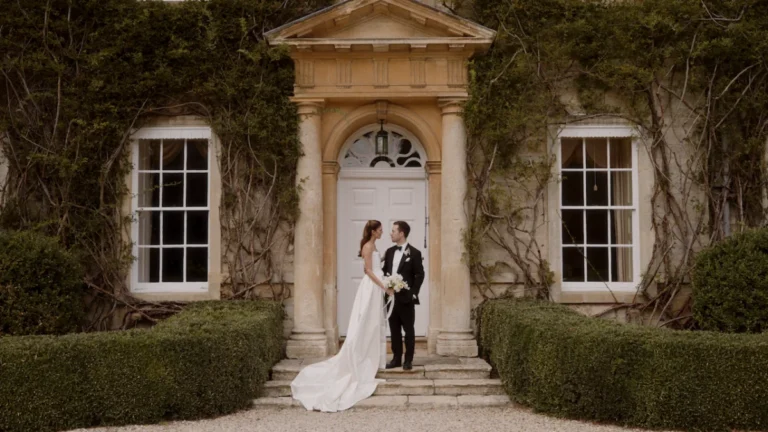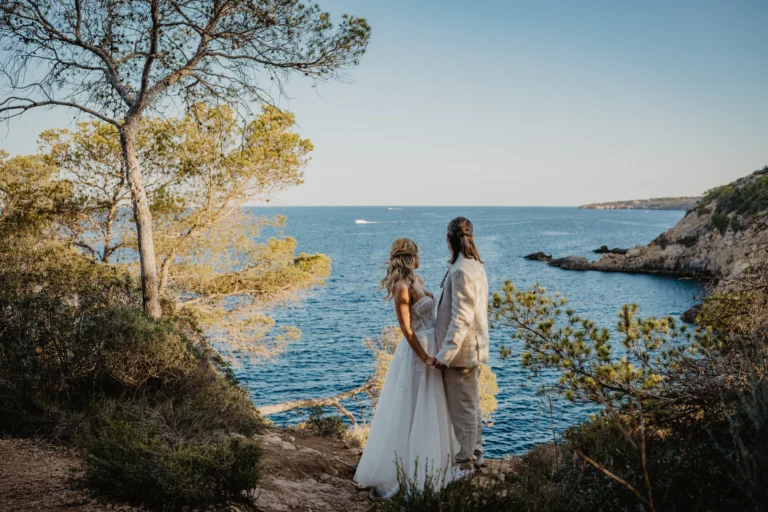






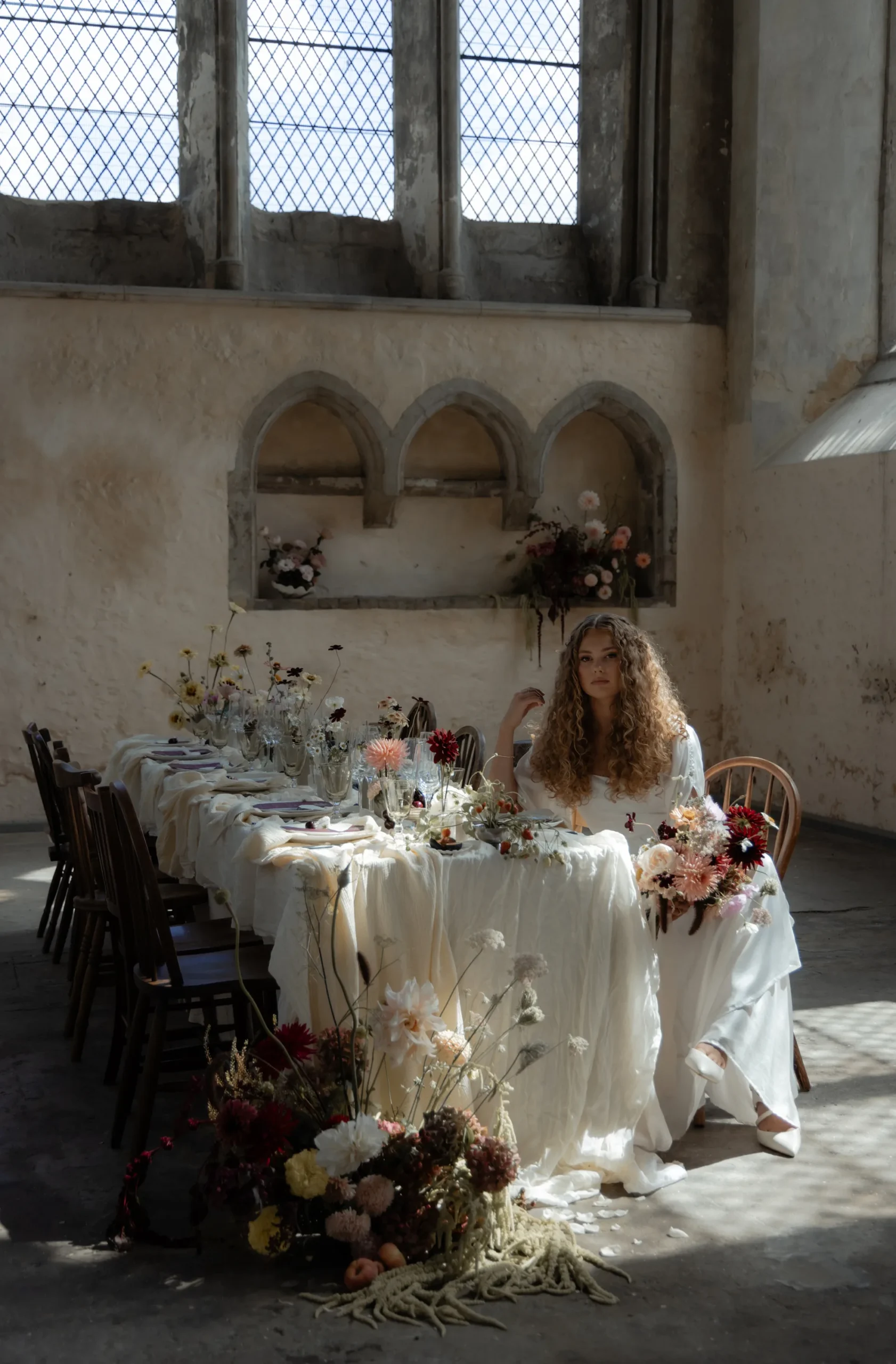
The Guildhall in Chichester, a historic site of profound architectural significance in West Sussex, recently served as the atmospheric stage for a sophisticated bridal editorial designed to bridge the gap between classical art and contemporary wedding aesthetics. This collaborative production, led by West Sussex-based Lucy Fergusson Photography, sought to move beyond traditional wedding portraiture by invoking the spirit of the Pre-Raphaelite Brotherhood, utilizing a combination of digital precision and the nostalgic grain of 35mm film. The editorial features a curated assembly of the South East’s premier wedding suppliers, including Whimsy’s Floral Design and the styling collective Luna And The Lane, highlighting a growing industry trend toward "soulful" and "painterly" wedding celebrations that prioritize atmosphere over rigid curation.
Historical Resonance and the Choice of Venue
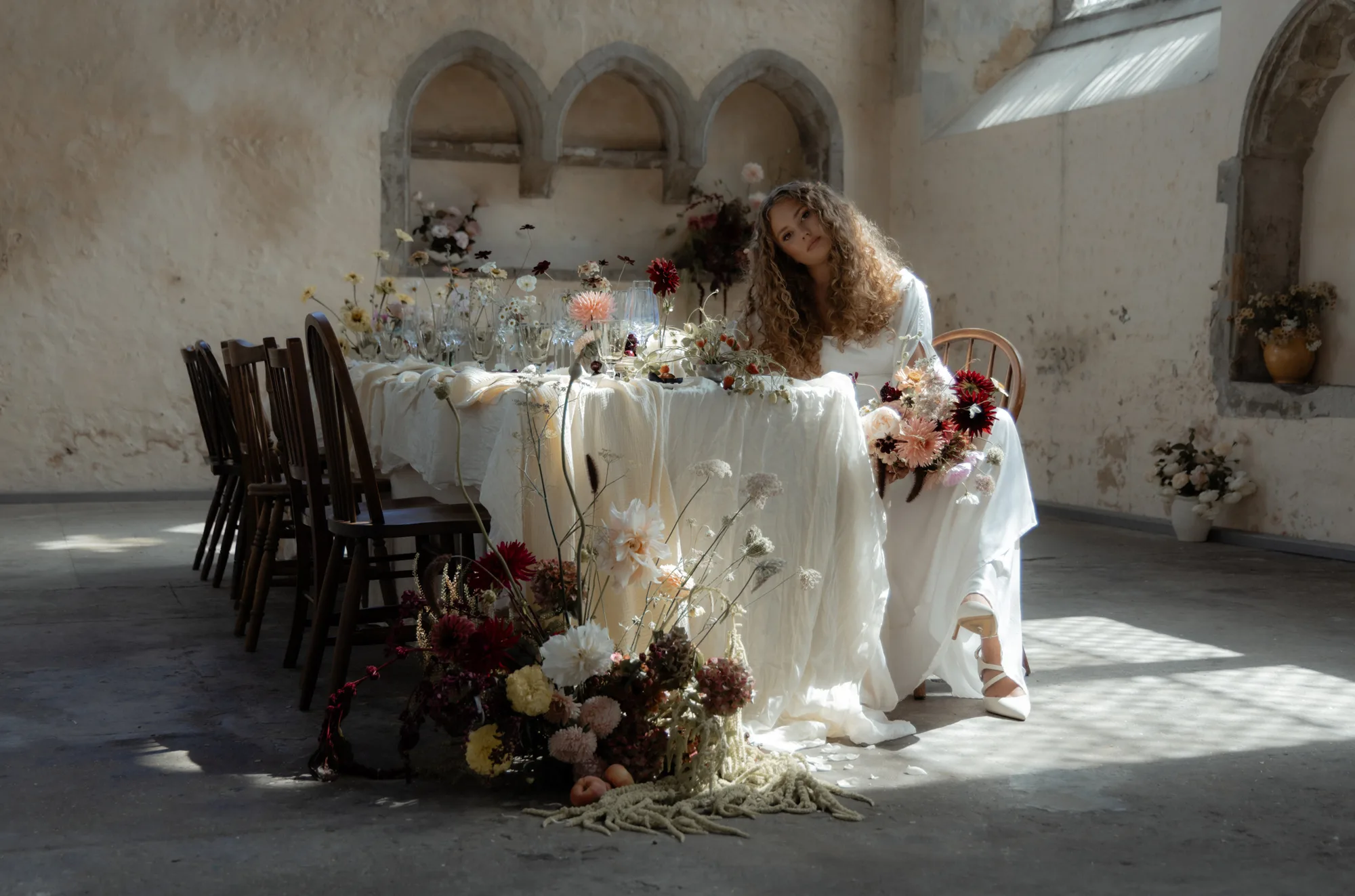
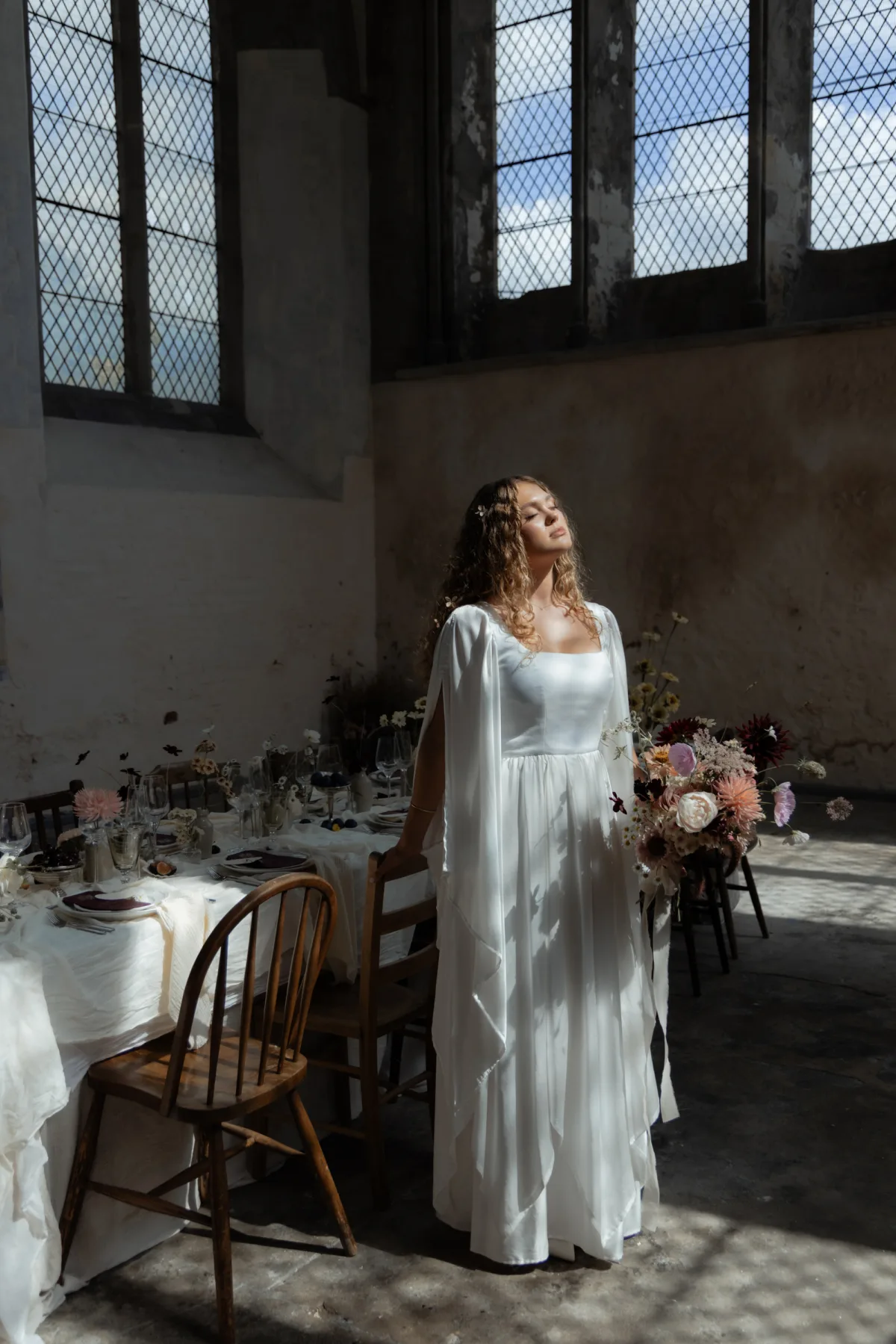
The selection of The Guildhall as the primary location for the shoot was a deliberate move to leverage the venue’s raw, unpolished historic character. Situated within the grounds of Priory Park, The Guildhall is a Grade I listed building with origins dating back to the late 13th century. Originally built as the chancel of a Greyfriars’ church, the structure is characterized by its soaring ceilings, vast windows, and weathered stone walls—elements that provide a neutral yet textures-rich canvas for high-concept styling.
In the context of bridal photography, the "raw" state of the venue serves to ground the more ethereal elements of the fashion and floral arrangements. The high-vaulted ceilings allow for a natural play of light and shadow, which is essential for recreating the chiaroscuro effects found in 19th-century oil paintings. For this editorial, the production team utilized the venue’s existing narrative—its sense of endurance and quiet history—to frame a modern bridal story that feels both timeless and grounded in the present.
Methodological Approach: The Intersection of Digital and Analog Photography
A defining feature of this editorial is Lucy Fergusson’s use of a hybrid photography medium. While digital photography remains the industry standard for its reliability and sharpness, Fergusson wove 35mm film throughout the session to achieve a specific artistic objective. The decision to incorporate analog film was driven by the desire to capture "movement and softness" that digital sensors often sharpen into clinical clarity.
From a technical perspective, 35mm film introduces a natural grain and a specific color science that mimics the depth of a canvas. In an era where "perfection" is often manufactured through post-processing, the return to film represents a broader shift in the wedding industry toward authenticity and "honest documentary storytelling." Fergusson’s approach emphasizes the "timeless, painterly quality" of the grain, which particularly complements the fluid movement of the bridal gowns and the wild, untamed nature of the floral installations. This methodology ensures that the final gallery functions not just as a record of the day, but as a cohesive artistic collection.
Aesthetic Orchestration: The Pre-Raphaelite Influence
The conceptual heart of the shoot is the Pre-Raphaelite aesthetic, a style derived from the mid-19th-century English art movement. This movement was characterized by a return to rich detail, intense colors, and complex compositions, often featuring subjects with a sense of romantic melancholy or ethereal grace. In this editorial, the influence is visible in every layer of the production:
1. Bridal Styling and Texture
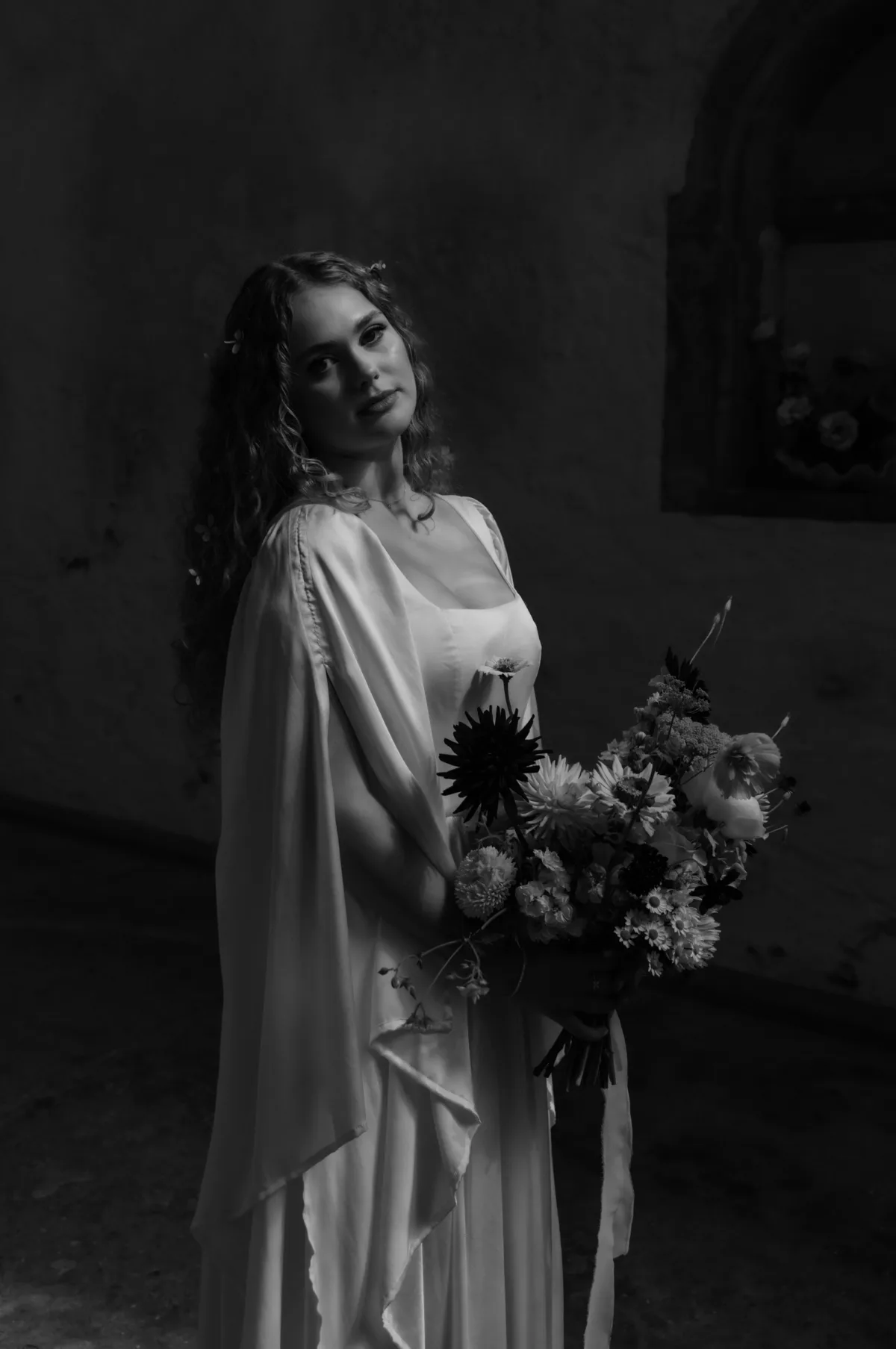
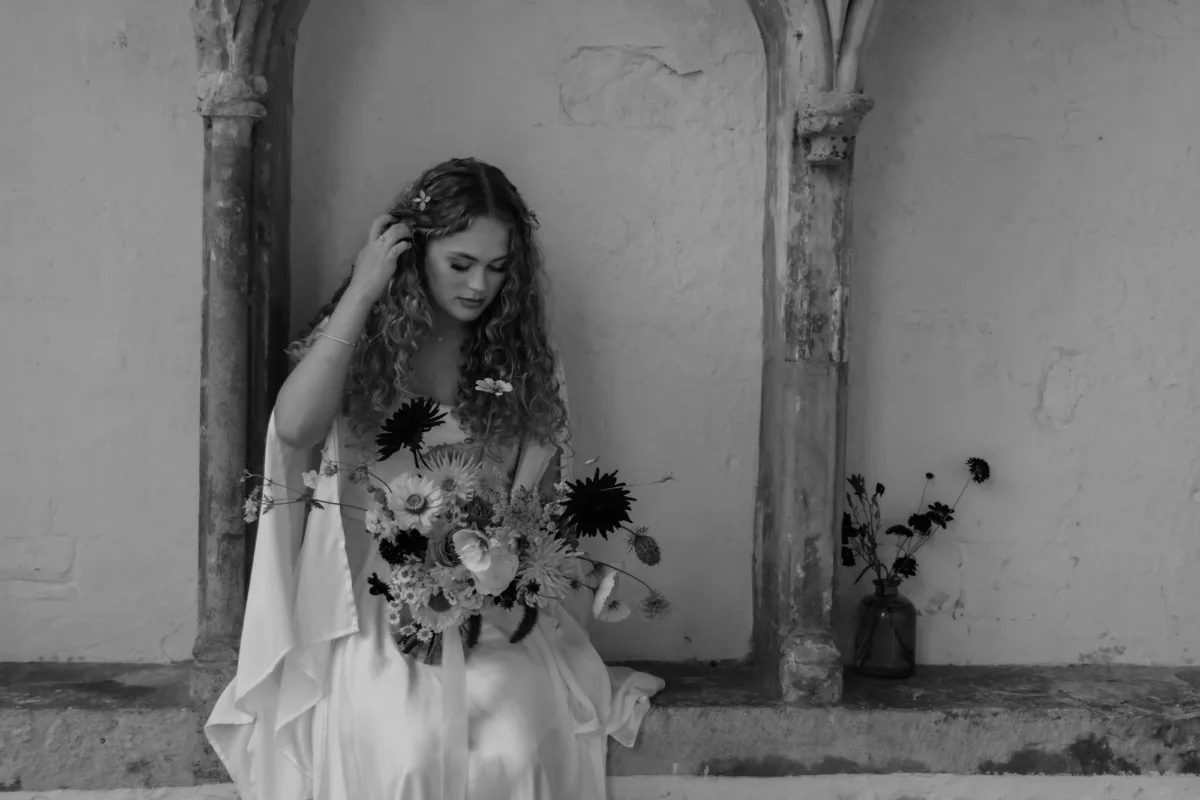
The model’s hair was styled into expansive, wild curls, echoing the "untamed beauty" found in the works of Dante Gabriel Rossetti and John Everett Millais. The gowns selected for the shoot featured fluid layers of fabric designed to catch the light during movement. This focus on "ethereal and grounded" textures allowed the styling to feel alive rather than static, a critical component of the "storytelling" aspect of the shoot.
2. Floral Design and Color Theory
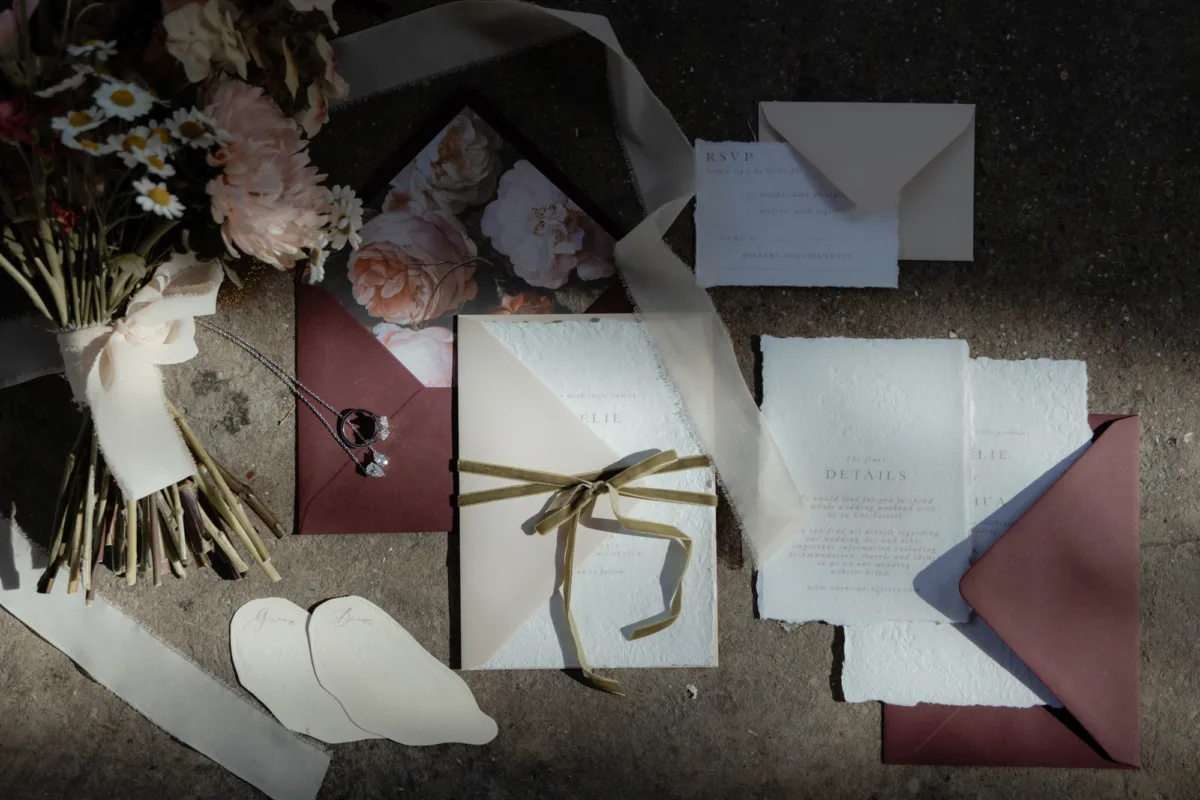
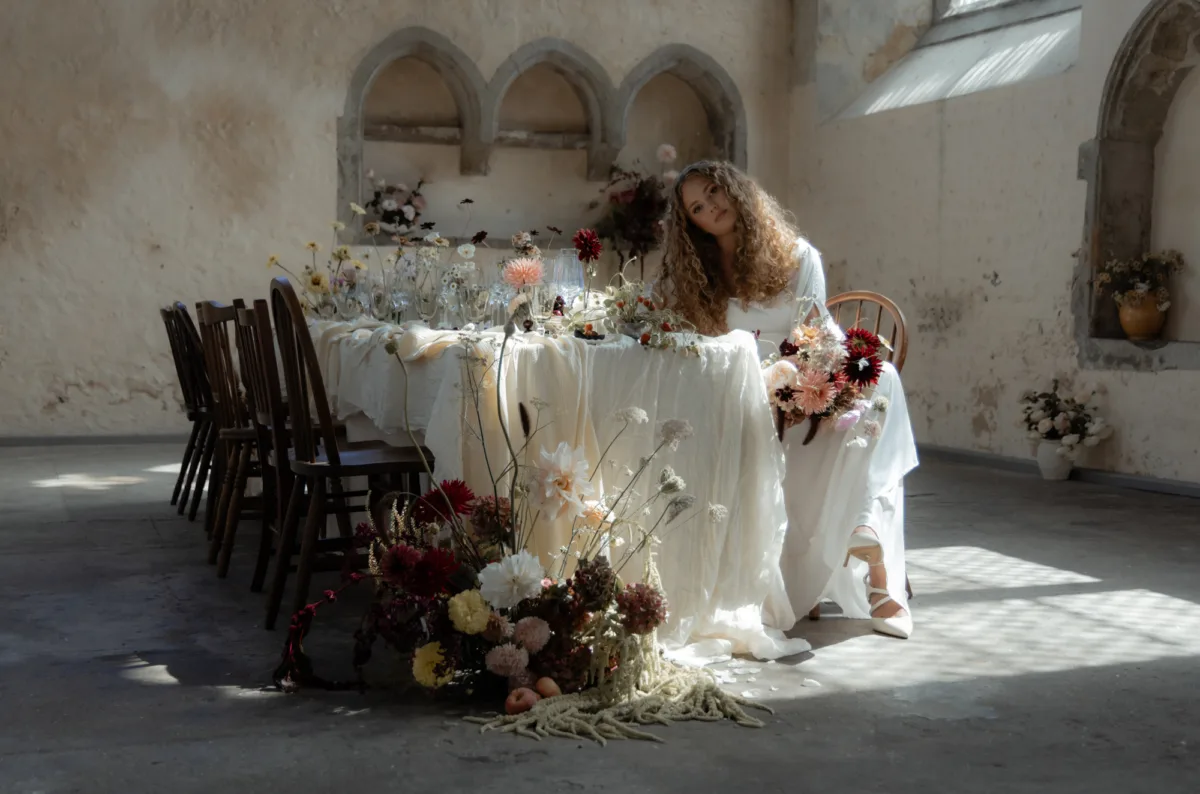
Whimsy’s Floral Design provided the botanical framework for the editorial. The arrangements eschewed the tight, symmetrical structures common in traditional weddings in favor of an abundant, organic look. The color palette was a sophisticated study in contrast: a base of cream and butter yellow provided a light, airy foundation, while the strategic use of deep, dark plum accents provided the "dramatic statement" necessary to cut through the neutral tones of the stone walls. This use of dark floral tones is a hallmark of the Pre-Raphaelite style, which often used nature to symbolize deeper emotional states.
3. Table Scapes and Materiality
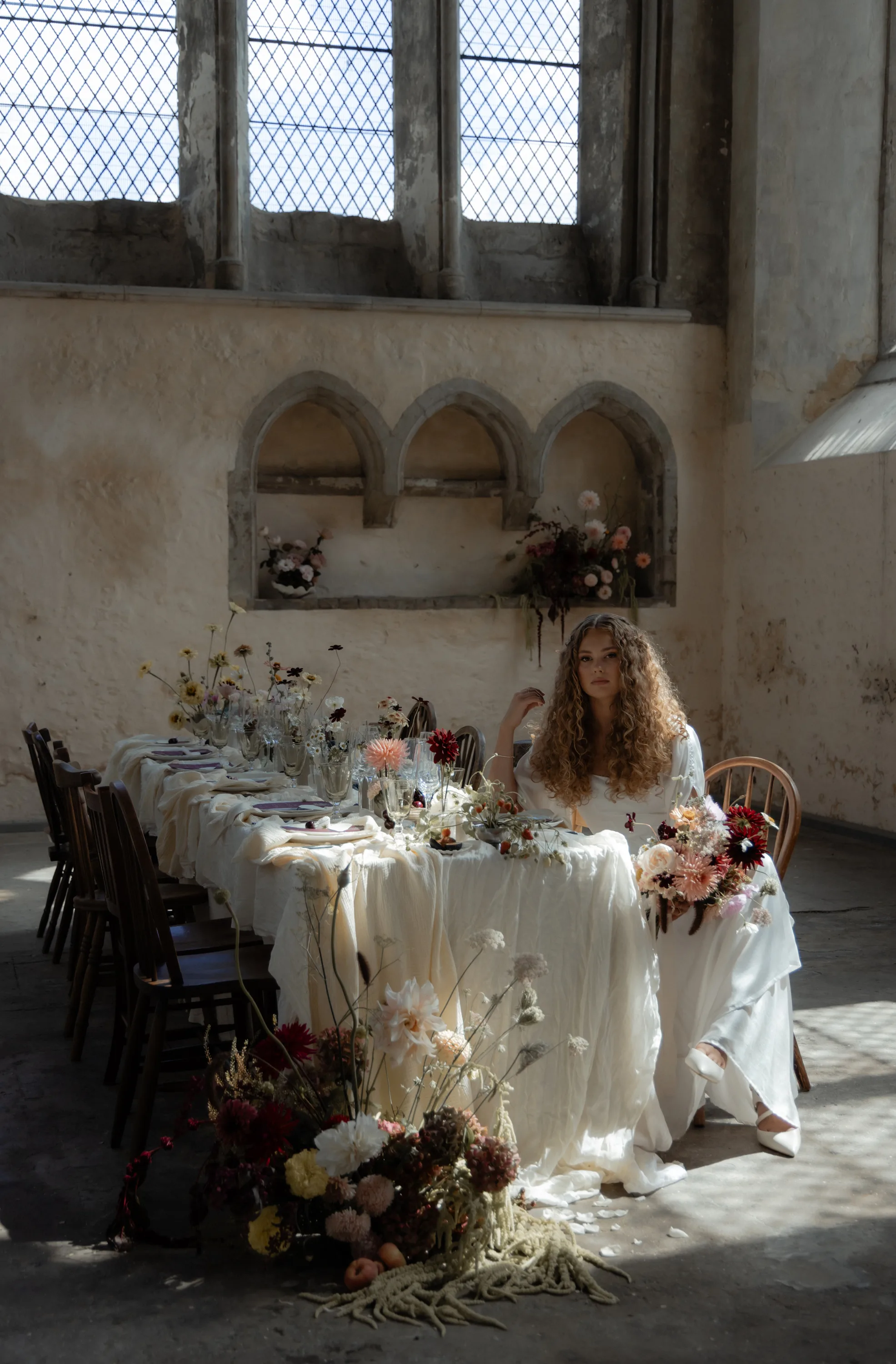
Sally of Luna And The Lane oversaw the styling of the dining and ceremony areas. The design utilized a mix of flowing fabrics draped over ceremony plinths and dining tables to create a sense of whimsical continuity. The choice of materials—clay, glass, and porcelain—emphasized a "natural and earthy" feel. By pairing these delicate materials with vintage wooden chairs, the team achieved a balance between the fragility of the bridal aesthetic and the robustness of the historic setting.
Industry Statements and Supplier Perspectives
The success of such high-concept editorials depends on the synergy of the creative team. Sally from Luna And The Lane articulated the vision behind the table settings, noting that the goal was to maintain a sense of airiness while introducing "natural drama." According to Sally, the use of "clay and glass vases and porcelain" was intended to create a scene that couples could "simply step into," suggesting that the modern wedding is less about the curation of objects and more about the creation of a feeling.
Lucy Fergusson’s role as the lead photographer and visionary for the shoot further reinforces this perspective. Her work is increasingly defined by "honest documentary storytelling with a soft editorial feel." Fergusson argues that the beauty of this specific aesthetic lies in its "soulful and deeply personal" nature. This sentiment reflects a growing demand among modern couples for wedding photography that captures the "atmosphere" of the event rather than just the checklist of participants.
Chronology of the Editorial Production
The development of this shoot followed a meticulous timeline to ensure the "painting-like" vision was realized:
- Conceptualization (Phase I): The project began with the identification of the Pre-Raphaelite theme, focusing on the interplay of light, fabric, and "quiet storytelling."
- Venue Selection (Phase II): The Guildhall in Chichester was secured due to its architectural alignment with the 19th-century aesthetic.
- Supplier Alignment (Phase III): A team of South East-based specialists was assembled, including Whimsy’s Floral Design and Luna And The Lane, to ensure every visual element—from the "big, wild curls" to the "darkest plum accents"—was cohesive.
- Execution (Phase IV): The shoot took place over a single day, utilizing natural light to maximize the "timeless" quality of the 35mm film.
- Post-Production (Phase V): The blending of digital and film imagery was finalized to create a gallery that feels like a singular "love story."
Broader Impact and Implications for the Wedding Market
This editorial at The Guildhall serves as a benchmark for the "Editorial Wedding" trend currently dominating the UK market. As couples move away from traditional, formulaic celebrations, there is a rising valuation of "venue-responsive" design. This approach involves tailoring the decor and photography to the specific history and architecture of the site, rather than imposing a generic wedding style upon it.
Furthermore, the emphasis on hybrid photography (film and digital) indicates a shift in how wedding memories are "consumed." The nostalgic, imperfect quality of film is seen as a luxury service, offering a "painterly" alternative to the hyper-saturated, high-contrast imagery often found on social media. By highlighting the work of suppliers like Lucy Fergusson Photography through curated directories and high-end editorials, the industry is signaling a return to craftsmanship and artistic intent.
In conclusion, the Chichester Guildhall editorial is more than a showcase of bridal fashion; it is a demonstration of how history, art, and modern technique can converge to create a "timeless" aesthetic. By focusing on atmosphere and soulful storytelling, the creative team has provided a blueprint for the next generation of romantic, high-concept weddings in the South East of England and beyond. The collaboration underscores the importance of the "creative talent" found within regional wedding directories and sets a high standard for future editorial work in the sector.