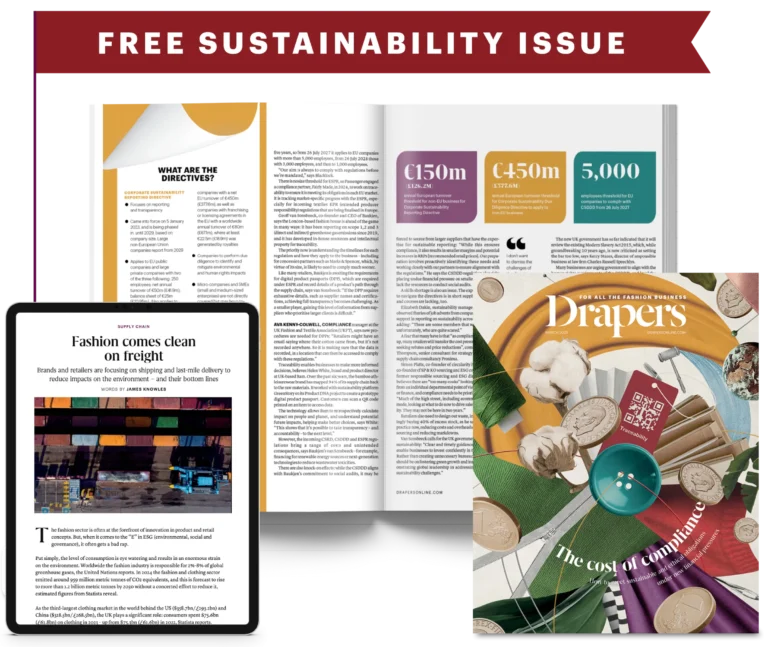












The Drapers Future of Fashion conference, a pivotal annual gathering for industry leaders, innovators, and technologists, concluded this week, setting a new benchmark for discussions surrounding the integration of artificial intelligence within the global apparel sector. From May 20-21, 2026, the London event served as a dynamic forum where the concepts of Agentic AI, autonomous AI agents, advanced chatbots, and the burgeoning field of conversational commerce were not merely theoretical talking points but central themes underscoring the immediate future of fashion retail and supply chain management. The palpable excitement, tempered with a dose of strategic caution, highlighted an industry poised on the cusp of a profound technological transformation, moving beyond foundational digital tools to embrace more sophisticated, autonomous systems.
The Evolving Landscape of Fashion Technology: Drapers Conference as a Barometer
For decades, the Drapers Future of Fashion conference has been renowned for its ability to predict and dissect the trends that shape the industry. From the rise of e-commerce in the early 2000s to the imperatives of sustainability in the 2010s and the digital acceleration post-pandemic, the conference has consistently provided a crucial platform for dialogue. The 2026 iteration, however, marked a definitive shift, signaling AI’s maturation from an experimental tool to an indispensable strategic imperative. The pervasive presence of AI in every keynote, panel, and workshop underscored a collective understanding that artificial intelligence, in its myriad forms, is no longer an optional add-on but the very fabric of future operational efficiency, customer engagement, and creative innovation.
Attendees, comprising CEOs, CTOs, marketing directors, supply chain managers, and emerging tech specialists, engaged in robust discussions that moved beyond the theoretical potential of AI to practical implementation strategies and the ethical considerations accompanying such widespread adoption. The conference agenda meticulously peeled back the layers of AI’s impact, demonstrating how these technologies are not just automating existing processes but fundamentally reshaping business models and consumer interactions.
Agentic AI: The Next Frontier in Fashion Automation
A recurring and intensely debated topic was Agentic AI. Unlike traditional AI systems that perform specific tasks based on predefined rules or human prompts, Agentic AI refers to autonomous systems capable of understanding high-level goals, breaking them down into sub-tasks, planning execution steps, and then self-correcting or adapting based on real-time feedback and environmental changes. These AI agents possess a degree of autonomy and proactive decision-making that marks a significant leap from previous generations of artificial intelligence.
In the fashion context, the implications of Agentic AI are revolutionary. Imagine an AI agent tasked with optimizing a brand’s entire seasonal collection. This agent could autonomously monitor global fashion trends, analyze sales data from previous seasons, evaluate material availability and pricing from various suppliers, predict consumer demand with unprecedented accuracy, and even suggest design modifications to maximize profitability and minimize waste. It could then engage with manufacturing partners, negotiate terms, and oversee production timelines, all with minimal human intervention.
Keynote speakers at the conference presented several compelling use cases for Agentic AI:
- Supply Chain Optimization: AI agents could autonomously manage inventory, predict disruptions, reroute logistics, and even proactively reorder materials based on real-time global events, such as shipping delays or geopolitical shifts. This could lead to substantial reductions in lead times, waste, and operational costs.
- Hyper-Personalized Design: Agents could analyze vast datasets of consumer preferences, social media trends, and individual purchase histories to generate bespoke design concepts or variations, offering truly unique products tailored to micro-segments or even individual customers.
- Dynamic Pricing and Promotion: Agentic systems could continuously adjust pricing strategies and promotional campaigns in real-time, responding to competitor actions, inventory levels, and fluctuating demand, maximizing revenue and minimizing markdown losses.
- Sustainable Sourcing: AI agents could identify and vet suppliers based on complex sustainability metrics, ensuring ethical labor practices and environmentally friendly material procurement across a global network.
The potential for such autonomous systems to drive unprecedented efficiency and innovation resonated deeply with the audience, though it also prompted questions regarding oversight, accountability, and the evolving role of human decision-makers.
The Rise of AI Agents and Advanced Chatbots
Building upon the concept of Agentic AI, discussions frequently turned to the more specific manifestations of these technologies, particularly AI agents and advanced chatbots. While chatbots have been present in customer service for several years, the 2026 conference highlighted their evolution into sophisticated, context-aware, and often proactive AI agents.
Modern AI agents, powered by advanced Large Language Models (LLMs) and deep learning, are no longer confined to answering simple FAQs. They are capable of understanding complex queries, inferring user intent, accessing and synthesizing information from multiple databases (CRM, ERP, inventory systems), and even initiating actions. For instance, an AI agent on a fashion e-commerce site could:
- Offer Stylistic Advice: Based on a customer’s uploaded photo or stated preferences, the agent could recommend outfits, suggest accessories, and explain why certain styles would suit them.
- Facilitate Returns and Exchanges: Guiding customers through the process, scheduling pickups, and processing refunds or new orders seamlessly.
- Proactive Engagement: Noticing a customer browsing a specific category for an extended period, the agent might offer tailored suggestions or notify them of relevant promotions.
The distinction between a "chatbot" and an "AI agent" became clearer: while a chatbot typically interacts in a conversational interface, an AI agent implies a broader capacity for autonomous action and decision-making, often leveraging conversational abilities as one mode of interaction. These agents are becoming integral to streamlining operations, from internal HR and IT support to external customer relationship management, promising a future where interactions are not just automated but intelligent and personalized.
Conversational Commerce: Reshaping the Customer Journey
The confluence of advanced chatbots and AI agents naturally led to extensive exploration of "conversational commerce." This paradigm shift refers to the integration of chat, messaging apps, and voice assistants into the entire customer journey, from discovery and selection to purchase and post-sale support. For the fashion industry, conversational commerce represents a potent avenue for deeper engagement and personalized shopping experiences, mimicking the personalized advice one might receive from a trusted stylist or salesperson in a high-end boutique.

Panelists showcased how leading fashion brands are leveraging conversational commerce in 2026:
- Personalized Product Discovery: Customers can simply describe what they are looking for ("a dress for a summer wedding, budget around £200, something floral") and the AI assistant will curate a selection, asking clarifying questions as needed.
- Virtual Try-On Experiences: Integrated AI can now facilitate highly realistic virtual try-ons, allowing customers to see how garments look on their own body avatars, receiving real-time feedback on fit and style from the AI.
- Seamless Transactional Flow: From adding items to a cart, processing payments, to tracking orders, the entire purchase journey can be managed through a natural language interface, eliminating friction points.
- Post-Purchase Support: AI-powered systems handle queries about delivery, care instructions, and warranty information, providing instant resolutions and enhancing customer satisfaction.
The benefits articulated by industry leaders included increased conversion rates, reduced cart abandonment, higher customer loyalty, and a richer data stream for understanding consumer preferences. A major fashion e-tailer executive, speaking anonymously during a closed session, shared projections of a 15% increase in customer lifetime value directly attributable to advanced conversational commerce strategies implemented over the past year.
Supporting Data and Market Projections
The enthusiasm for AI was not merely anecdotal; it was underpinned by robust market data and forward-looking projections. According to a recent report by Grand View Research, the global artificial intelligence in retail market, valued at approximately $6.5 billion in 2023, is projected to reach over $40 billion by 2030, with a significant portion of this growth driven by fashion and apparel. Investments in AI technologies by fashion brands have surged by an estimated 30% year-over-year since 2024, indicating a clear strategic pivot.
Furthermore, consumer surveys conducted in early 2026 reveal a growing acceptance and even preference for AI-driven interactions. A McKinsey & Company study indicated that 65% of consumers are comfortable interacting with AI for product recommendations, and 50% for complex customer service issues, provided the interaction is efficient and helpful. This growing comfort level provides fertile ground for the widespread adoption of agentic AI and conversational commerce. The demand for personalized experiences, fueled by the digital age, finds its ultimate fulfillment in AI’s capacity to tailor every touchpoint.
A Brief Chronology of AI in Fashion Leading to 2026
The journey to 2026’s AI-centric fashion landscape has been incremental yet accelerating:
- Late 2010s: Early AI applications focused on basic data analytics, trend forecasting based on social media, and rudimentary chatbots for FAQ management.
- Early 2020s: Advancements in Natural Language Processing (NLP) and computer vision enabled more sophisticated chatbots, image recognition for visual search, and initial forays into personalized recommendations. The COVID-19 pandemic accelerated digital transformation, making AI adoption a necessity for remote operations and enhanced online experiences.
- Mid-2020s (2023-2025): The emergence of powerful Generative AI models (like GPT-4 and its successors) revolutionized content creation, enabling AI to assist in design, marketing copy generation, and virtual model creation. This period saw a significant leap in chatbot capabilities, becoming more conversational and context-aware. Experimentation with early forms of agentic AI began in niche areas like supply chain optimization.
- 2026 (Present): The Drapers conference highlights the shift from experimental AI to strategic, integrated agentic AI and widespread conversational commerce. The focus is now on autonomous systems that can manage complex tasks and entire customer journeys.
Statements and Reactions from Industry Innovators
The consensus among the "leading innovators" present at Drapers was that AI is no longer a tool to be merely adopted but a fundamental shift in business philosophy. "We are moving from AI-assisted operations to AI-driven enterprises," remarked one CEO during a panel on digital transformation. "The competitive advantage will not just be in having AI, but in how intelligently and ethically you integrate agentic capabilities across your entire value chain."
A prominent Head of Innovation from a luxury brand emphasized the creative liberation AI offers: "Many feared AI would stifle creativity, but we’re finding the opposite. Our AI agents handle the repetitive, data-heavy aspects of design, allowing our human designers to focus purely on conceptualization, storytelling, and pushing aesthetic boundaries. AI is a powerful co-creator, not a replacement."
However, the discussions were not without a sober acknowledgment of the challenges. "The ethical considerations are paramount," stated a legal expert specializing in AI governance. "Bias in training data, transparency in AI decision-making, and the protection of intellectual property in AI-generated content require robust frameworks. Fashion brands must invest in responsible AI development to maintain consumer trust." Concerns about job displacement were also addressed, with many speakers advocating for extensive reskilling and upskilling initiatives to prepare the workforce for new roles centered around AI management and human-AI collaboration.
Broader Impact and Implications for the Fashion Industry
The insights from the Drapers Future of Fashion conference paint a clear picture of AI’s profound and multifaceted impact:
- Economic Efficiency and Growth: Agentic AI promises unprecedented levels of efficiency, reducing operational costs across the supply chain, optimizing inventory, and minimizing waste. Conversational commerce, by enhancing customer experience, is expected to drive higher sales conversion rates and customer lifetime value, contributing significantly to revenue growth.
- Elevated Customer Experience: Hyper-personalization, seamless 24/7 support, and intuitive shopping experiences will become the new standard, raising consumer expectations and pushing brands to innovate constantly. The ability to engage with customers on their preferred platforms, with intelligent and context-aware interactions, will be a key differentiator.
- Sustainability Imperatives: AI’s capacity for data analysis and predictive modeling is invaluable for achieving sustainability goals. From optimizing material sourcing to reducing carbon footprints in logistics, and even designing for circularity, AI agents can play a critical role in making fashion more environmentally responsible.
- Transformation of the Creative Process: While AI can generate designs, its true power lies in augmenting human creativity. Designers can leverage AI to explore countless variations, analyze trend data in real-time, and streamline repetitive tasks, freeing them to focus on high-level artistic vision and emotional resonance.
- Ethical and Societal Considerations: The widespread adoption of agentic AI raises critical questions about data privacy, algorithmic bias, and the future of work. Fashion companies are compelled to develop strong ethical guidelines, ensure transparency in their AI systems, and invest in workforce transformation to mitigate potential negative impacts. The challenge lies in balancing innovation with responsible deployment.
- Competitive Dynamics: The rapid advancement of AI creates a clear divide between early adopters and those slow to integrate these technologies. Brands that strategically invest in agentic AI and conversational commerce now will likely gain a significant competitive edge in efficiency, customer loyalty, and market share.
The Road Ahead
The Drapers Future of Fashion conference in May 2026 unequivocally asserted that AI is not merely a technological trend but a fundamental paradigm shift for the fashion industry. The discussions around Agentic AI, AI agents, chatbots, and conversational commerce illustrated a future where intelligence is embedded at every level of operations and customer interaction. The challenge for fashion leaders now is to navigate this complex landscape with foresight, strategic investment, and a steadfast commitment to ethical innovation. The imperative is clear: embrace AI not just as a tool, but as a core enabler of the fashion industry’s evolution, ensuring that it serves to enhance creativity, efficiency, and ultimately, the human experience of style.