

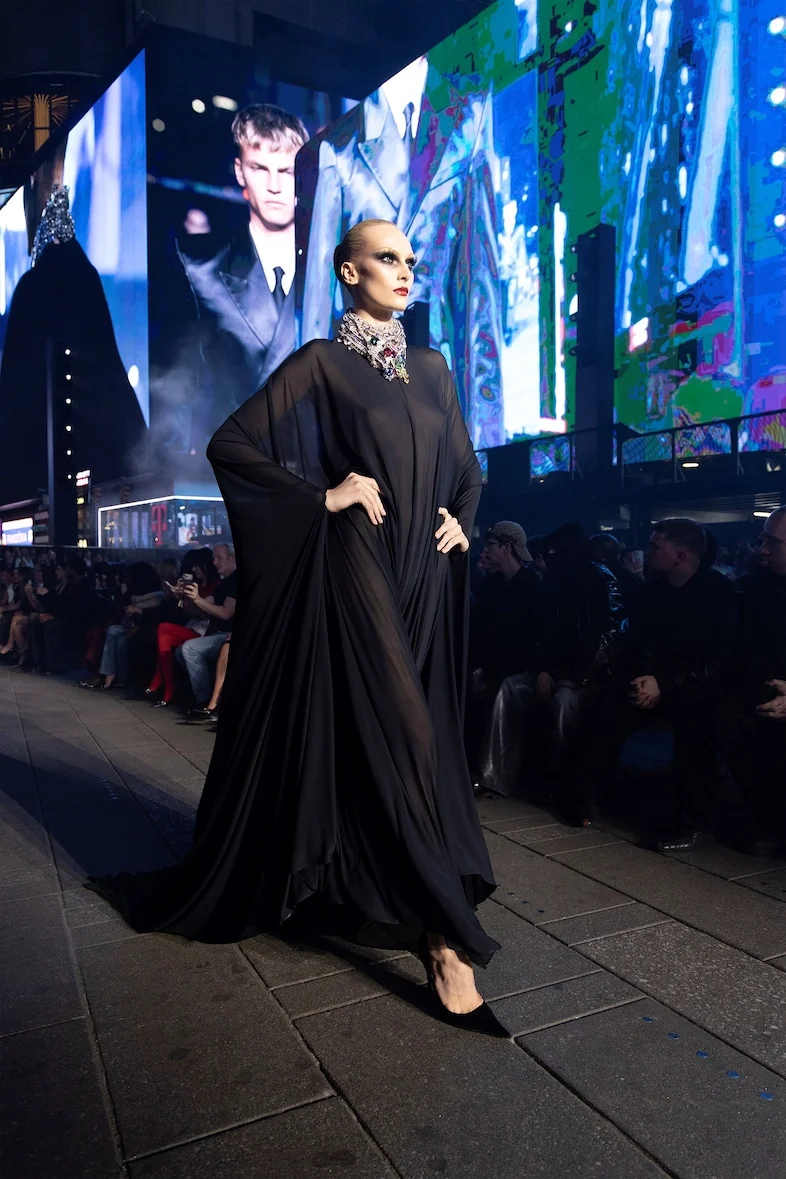
In a bold strategic move that underscored a new direction for the storied Italian house, Gucci, under the creative direction of Demna, presented its inaugural Cruise collection, aptly titled "GucciCore," amidst the dazzling, cacophonous spectacle of Times Square. Staged on a recent evening as the New York skyline transitioned from twilight to electric luminescence, the event was a deliberate immersion into the very heart of American commercialism and cultural dynamism, signaling a definitive statement about the brand’s future. This unconventional choice of venue and the collection’s underlying philosophy mark a pivotal moment for Gucci, marrying high fashion with an astute understanding of contemporary digital culture and urban reality.
The Crucible of Commerce: Times Square as a Fashion Stage
Times Square, often dubbed the "Crossroads of the World," served as far more than a mere backdrop; it was an integral component of the "GucciCore" narrative. For decades, this iconic Manhattan intersection has functioned as an unparalleled advertising canvas, its colossal LED screens broadcasting the aspirational messages of global corporations. With an estimated daily foot traffic exceeding 330,000 and annual visitors nearing 50 million, Times Square represents a pinnacle of consumer engagement, where brands vie for retina space and mindshare. Demna’s decision to stage a high-fashion runway show here transformed the quintessential advertising space into an advertisement for advertising itself, pushing the boundaries of traditional presentation formats.
The choice resonated with Gucci’s long-standing connection to New York City, a relationship that began over seven decades ago with its presence on Fifth Avenue. This event was, as Demna articulated in a post-show manifesto, a "homecoming" for the brand, a re-anchoring in a city synonymous with ambition, diversity, and relentless evolution. By placing "GucciCore" within this urban crucible, Demna intentionally blurred the lines between high art and pervasive commerce, challenging the traditional exclusivity of fashion shows and democratizing the spectacle for the teeming crowds gathered outside the show’s perimeter.
A Digital Spectacle: AI-Generated Advertisements
Central to the Times Square presentation was a groundbreaking digital takeover orchestrated by artist Ryan Drake. The colossal advertising screens that typically assault the senses with a kaleidoscope of commercial messages were commandeered by Gucci. These weren’t static billboards; they were dynamic, AI-generated videos, reminiscent of oversized Instagram Reels, that advertised an expanded "Gucci universe." The visuals showcased not only apparel but also an ambitious range of hypothetical Gucci products: underwear, fine jewelry, motor vehicles, pet accessories, and even a "Gucci hotel." Each digital creation was infused with the house’s signature blend of sex appeal, glamour, provocation, and the quintessential Italian dolce vita.
This prominent integration of AI-produced art immediately sparked industry discourse. Artificial intelligence in creative fields remains a contentious subject, with widespread concerns regarding its impact on human creativity, intellectual property, and the future of creative labor. Critics often fear a devaluation of artistic skill and the potential for AI to displace human artists. However, Demna, known for his provocative stances and willingness to challenge norms, appeared unconcerned by these debates. His message was clear and unapologetic: "AI is here, get on board." This move positioned Gucci not just as a fashion innovator but as a leading voice in the broader cultural conversation surrounding technology’s role in artistic expression, effectively endorsing AI as a legitimate tool for creative expansion and brand storytelling. The visuals, while generated by algorithm, were meticulously curated to embody Gucci’s brand identity, showcasing a potential future where digital tools seamlessly extend a brand’s narrative across diverse product categories, even those that currently exist only in concept.
The Urban Symphony and the Collection’s Pulse
Beneath the towering, flashing screens, a show space was delineated by black fences, a necessary barrier against the sheer volume of onlookers that swelled Times Square beyond its usual claustrophobic density. While the physical crowds were contained, the city’s omnipresent soundtrack—a cacophony of human chatter, blaring car horns, and wailing sirens—infiltrated the space, merging with the curated musical score to create a truly immersive, authentic New York experience. This unplanned auditory layer underscored Demna’s commitment to reflecting the city’s raw energy.
The collection itself was a direct homage to New York, drawing inspiration from its diverse archetypes. Demna meticulously observed and distilled the essence of the city’s inhabitants: the swift, purposeful cycling city boys; the focused yoga mat-toting professionals; the meticulously "dolled up" women heading for a night out; and the swaggering men in their wake. These figures, spanning the geographical and cultural spectrum from Madison Avenue to Brooklyn, SoHo to Harlem, were not rendered as tired clichés. Instead, they were "Guccified"—transformed into current, precise representations that were both tongue-in-cheek and acutely observed, embodying a new, urbane vision of Americana.
A Diverse Canvas: Casting and Beauty Ideals
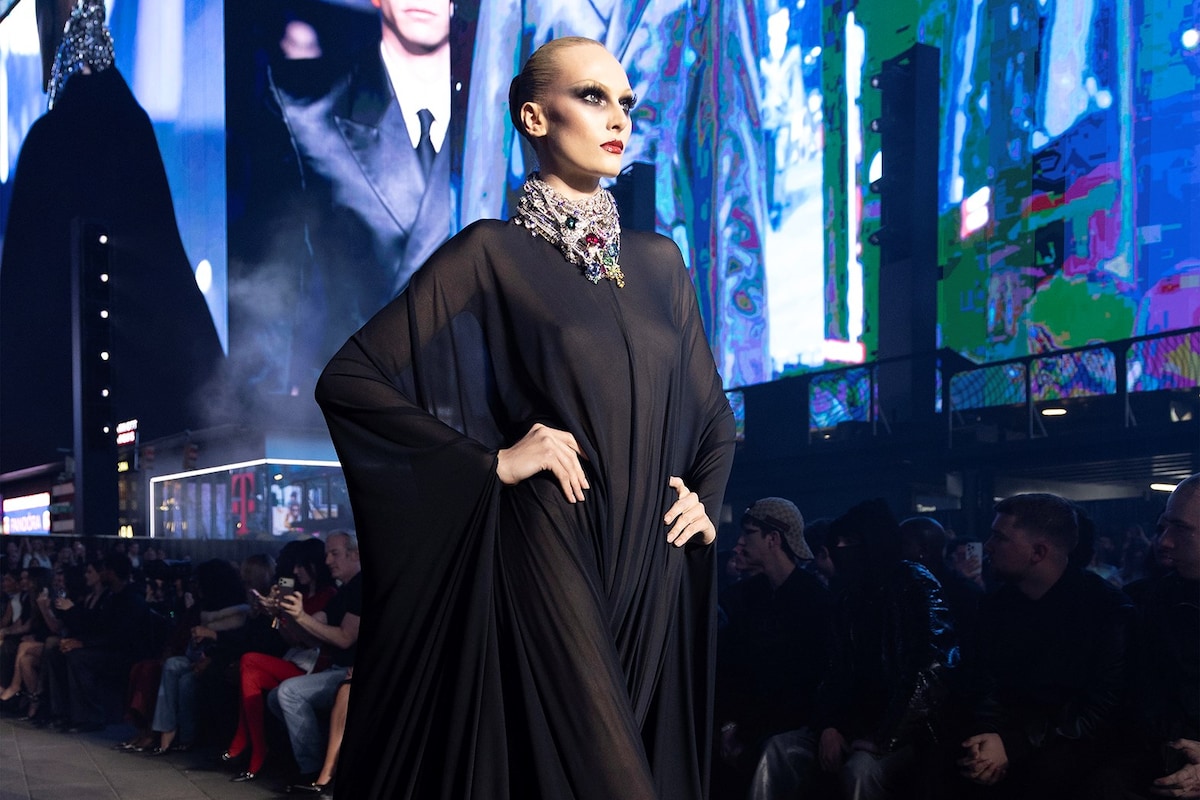
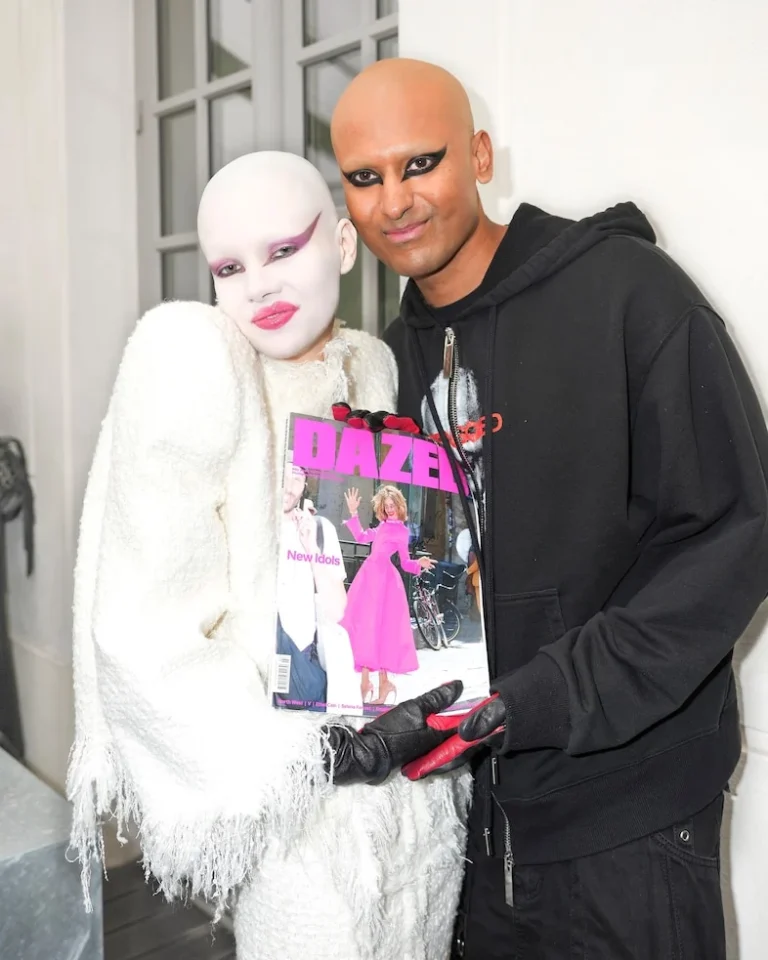
To bring this multifaceted vision to life, Demna assembled an extraordinarily diverse cast that transcended traditional runway norms. It was a potent mix of vintage power couples like Cindy Crawford and Tom Brady, signifying enduring influence; pop culture royalty such as Emrata and Paris Hilton (notably appearing as a brunette, a stark departure from her iconic blonde persona); runway luminaries like Alex Consani and Anok Yai, representing contemporary high fashion; internet personalities and "baddies" Gabbriette and Amelia Gray, tapping into digital youth culture; and seasoned models like Victoria’s Secret alumnus Candice Swanepoel and Dazed cover star Vivian Wilson. Crucially, this star-studded lineup was augmented by a significant number of street-cast models, individuals whose unique faces and authentic styles further cemented the collection’s connection to real-world New York.
This casting strategy was a deliberate statement on evolving beauty ideals. Demna, known for "poking at" established notions of good taste, presented an "unprejudiced reflection of our current beauty ideals." This included "shrunken forms, swollen lips, glassy foreheads and contoured faces"—a direct acknowledgment of contemporary aesthetic trends widely seen on social media and in popular culture, even if not traditionally celebrated on high fashion runways. By showcasing these diverse representations, Demna posed a rhetorical question: if these aesthetics are ubiquitous elsewhere, from social feeds to major cultural events like the Met Gala, why should the runway remain an insulated bastion of conventional beauty? It was a powerful endorsement of inclusivity and a challenge to the fashion industry to broaden its definition of aspirational beauty.
"GucciCore": A Foundation for the Future
The garments themselves reflected a synthesis of Gucci’s rich heritage and Demna’s distinctive design language. The collection conspicuously nodded to the sensual, overtly sexualized aesthetic of Tom Ford’s influential tenure at Gucci. This was evident in the prevalence of short skirts, provocatively high heels—which many in the industry would characterize as "slaggy" in an appreciative sense—and the lavish use of sensual feathers, luxurious leathers, and opulent faux furs. The accessories, particularly the bags, were presented as slick, slouchy reinterpretations of Gucci’s most beloved models, designed to elicit immediate desire across a broad consumer base.
For men, the tailoring showcased a range from sharply cinched silhouettes to more experimental forms cocooned in tubular pillows, indicating a playfulness with volume and structure. The casual wear segment embraced a street-led sensibility, featuring sheeny tracksuits and shiny denim coated in latex, injecting a bold, contemporary edge into everyday luxury. The overall aesthetic was characterized by its flashiness and inherent fun—qualities that many argue are central to Gucci’s identity and appeal.
Demna’s vision for "GucciCore" was further clarified in his manifesto, where he described it as "a permanent collection that will evolve over time, shaping my vision by building the foundation of a Gucci wardrobe grounded in pragmatic, wearable pieces that are unmistakably Gucci." This statement is highly significant. In an industry often driven by seasonal trends and transient collections, the concept of a "permanent collection" suggests a move towards foundational, enduring pieces. This aligns with broader luxury market trends where consumers are increasingly prioritizing investment pieces that offer longevity and versatility over fleeting trends.
Broader Implications and Market Positioning
This "GucciCore" presentation and its underlying philosophy carry substantial implications for Gucci’s brand strategy and the wider luxury fashion landscape. By grounding his vision in "pragmatic, wearable pieces," Demna signals a strategic shift towards commercial viability without sacrificing the brand’s avant-garde edge. This approach seeks to broaden Gucci’s appeal, making its luxury more accessible in a practical sense, while maintaining its aspirational allure through provocative marketing and innovative design.
The fusion of Gucci’s established codes with Demna’s signature elements—layered irony, internet fluency, wry observation, and playful provocation—creates a distinct brand identity for this new era. It’s a luxury brand that understands and engages with digital culture, acknowledges diverse beauty standards, and isn’t afraid to challenge conventional notions of taste or presentation. In a competitive luxury market, where brands are constantly vying for consumer attention and loyalty, this multi-faceted strategy positions Gucci as a forward-thinking entity, deeply connected to contemporary cultural currents.
The emphasis on a "Gucci wardrobe" of wearable pieces is likely to resonate strongly with consumers who seek both style and functionality from their luxury purchases. This pragmatic approach, combined with the undeniable "Guccified" aesthetic, suggests a collection designed not just for the runway, but for real life, albeit a highly stylized one. The strategic decision to integrate AI so prominently also positions Gucci at the forefront of technological adoption in fashion, potentially influencing how other luxury brands approach digital innovation and creative content generation. While the ethical debates surrounding AI in art will continue, Gucci’s bold endorsement may accelerate its acceptance and integration within the industry.
Ultimately, "GucciCore" in Times Square was more than just a fashion show; it was a cultural event, a statement on the evolving nature of luxury, advertising, and creativity in the digital age. It signaled a clear and compelling direction for Gucci, one that is rooted in its heritage but fearlessly looks towards a future where fashion is intrinsically linked to technology, urban life, and an ever-broadening definition of beauty and style. The collection offers a clear sense of what this new era of Gucci looks like: unmistakably Gucci, profoundly Demna, and poised to capture the imagination and purchasing power of a global audience.