







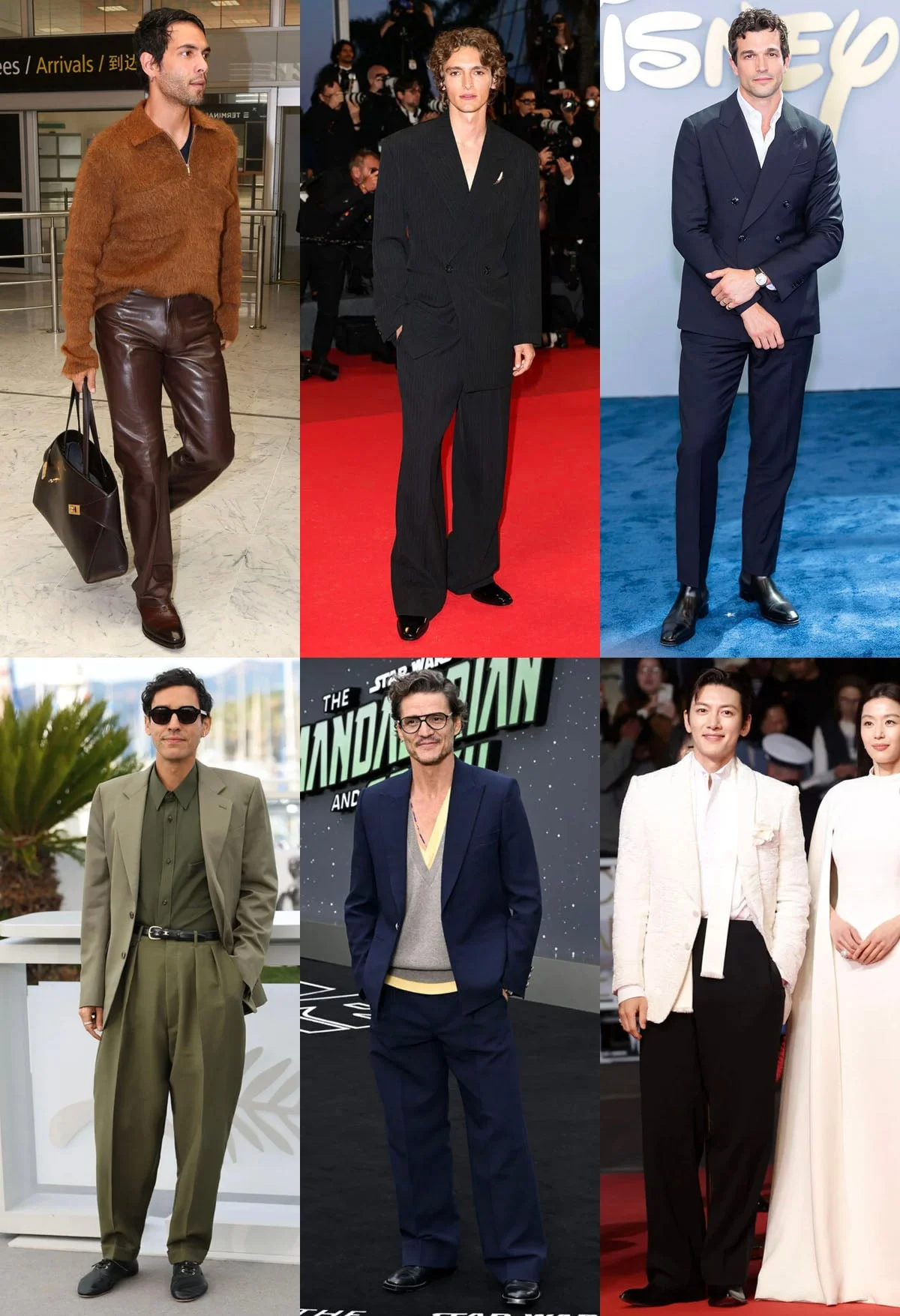
The 77th Cannes Film Festival served as a definitive turning point for global menswear, signaling a departure from the rigid constraints of traditional black-tie attire in favor of artisanal craftsmanship and brand-specific narratives. Throughout the twelve-day event, the Croisette transformed into a high-stakes runway where the intersection of cinema and luxury fashion was more pronounced than ever before. This year’s festival was characterized by a diverse array of silhouettes, ranging from the architectural minimalism of Bottega Veneta to the flamboyant classicism of Valentino, reflecting a broader industry shift toward individualized masculinity. As luxury houses increasingly look toward the red carpet as a primary medium for brand storytelling, the selections made by actors, athletes, and musicians at Cannes 2024 provide a comprehensive case study in the current state of the global luxury market.
The Vanguard of Modern Tailoring: Notable Appearances and Brand Strategy
The curation of talent and wardrobe at this year’s festival highlighted the strategic alliances between heritage fashion houses and contemporary cultural icons. Among the most discussed appearances was Owen Cooper, who represented the aesthetic shift at Bottega Veneta. Under the creative direction of Matthieu Blazy, the brand has moved away from overt logos toward "quiet luxury," focusing instead on texture and silhouette. Cooper’s appearance underscored the brand’s commitment to high-concept leatherwork and unconventional cuts that challenge the standard tuxedo.
Similarly, the presence of Charles Leclerc in Armani demonstrated the enduring power of Italian tailoring. Leclerc, a Scuderia Ferrari Formula 1 driver, has become a pivotal figure in bridging the gap between high-performance sports and luxury lifestyle. His choice of Armani—a brand synonymous with effortless elegance—reinforced the "Sprezzatura" aesthetic that Giorgio Armani has championed for decades. This sentiment was echoed by Paul Anthony Kelly, also in Armani, suggesting a concerted effort by the house to maintain its dominance in the realm of formalwear while appealing to a multi-generational audience.
The versatility of modern actors was further exemplified by Diego Calva, who made multiple high-profile appearances. Calva’s transition from the structured, heritage-focused designs of Ferragamo to the more experimental and avant-garde offerings of Louis Vuitton illustrated the fluid nature of contemporary red-carpet styling. This dual representation allows actors to showcase different facets of their public persona—one rooted in classical Hollywood glamour and the other in the forward-thinking, streetwear-adjacent luxury currently championed by Pharrell Williams at Louis Vuitton.
Chronology of Style: A Twelve-Day Evolution
The 77th Cannes Film Festival followed a rigorous schedule that dictated the tone of the fashion presented on the red carpet. The opening days were marked by a reverence for tradition, while the mid-festival premieres allowed for greater experimentation.
Phase I: The Opening Galas
The initial days of the festival saw a return to "Old Hollywood" values. During this period, figures like Toheeb Jimoh appeared in Hermès, showcasing the brand’s unparalleled dedication to fabric quality and understated luxury. The Hermès aesthetic at Cannes remains a benchmark for sophistication, avoiding the trend-chasing nature of many of its contemporaries. This period also featured the arrival of Colman Domingo in Valentino. Domingo has established himself as a "red carpet powerhouse," often utilizing vibrant colors and bold structural elements that honor the late Pierpaolo Piccioli’s vision for the house.
Phase II: The Mid-Festival Shift
As the festival progressed toward its midpoint, the attire became notably more daring. Vassili Schneider’s appearance in Saint Laurent epitomized the "indie sleaze" and rock-and-roll chic that Anthony Vaccarello has perfected. The Saint Laurent silhouette—characterized by slim lines, silk blouses, and a moody, Parisian aesthetic—stood in stark contrast to the broader cuts seen earlier in the week. Simultaneously, Pedro Pascal’s choice of Chanel marked a significant moment in the breakdown of gendered fashion norms. By incorporating elements from a house traditionally associated with womenswear, Pascal signaled a growing comfort among leading men to explore softer textures and unconventional accessories.
Phase III: The Closing Ceremonies
The final days of the festival were dominated by the "powerhouses" of the industry. Louis Vuitton’s presence was felt strongly through appearances by BamBam and François Civil. The inclusion of BamBam, a K-pop sensation, highlights the critical importance of the Asian market to French luxury houses. His Louis Vuitton ensemble was a blend of high-fashion tailoring and the youthful, energetic spirit that has come to define the brand’s new era. Pierre Niney, appearing in Balenciaga, provided a counterpoint with a look that leaned into the house’s reputation for deconstructed luxury and subversive silhouettes.
Supporting Data: The Economic Impact of the Red Carpet
The influence of these fashion choices extends far beyond aesthetic appreciation; it is rooted in significant economic data. According to industry analysts at Launchmetrics, the "Media Impact Value" (MIV) generated by a single high-profile appearance at Cannes can exceed several million dollars. For instance, the presence of K-pop stars and international athletes often yields higher MIV than traditional film stars due to their massive, digitally native fanbases.
In 2024, the "K-wave" continued to dominate the data. Ji Chang-wook’s appearance in Tom Ford generated significant social media engagement across the Asia-Pacific region, a key growth demographic for the brand. Tom Ford’s transition under new creative leadership has relied heavily on maintaining its image of "hyper-masculine luxury," and Ji Chang-wook’s polished, cinematic look served that objective effectively.
Furthermore, the "Celine effect" was palpable through Adam Bessa’s appearances. Under Hedi Slimane, Celine has cultivated a cult-like following for its ultra-slim tailoring and 1970s-inspired aesthetic. Data suggests that Bessa’s alignment with Celine appeals to a younger, "art-house" demographic that values brand consistency and a specific subcultural identity.
Official Responses and Industry Sentiment
While luxury houses rarely issue traditional "statements" regarding red carpet appearances, the strategic placement of their ambassadors speaks volumes. Sources close to the major fashion houses indicate that the selection process for Cannes begins months in advance, with custom fittings and exclusive fabric selections tailored to the specific theme of the film being premiered.
Stylists involved in the festival, such as those working with Paapa Essiedu, have noted that the goal is no longer just to "look good" but to "tell a story." Essiedu’s choices often reflect a blend of his British heritage and a global, modern sensibility, working with brands that allow for a degree of theatricality. Similarly, the collaboration between Pierre Niney and Balenciaga was seen by critics as a "perfect match" of French cinematic talent and avant-garde French design, reinforcing the cultural sovereignty of French artistry on the world stage.
Market analysts suggest that the diversity of brands seen this year—from the historic Hermès to the more subversive Balenciaga—indicates a healthy, fragmented luxury market where "identity" is the primary currency. The "one-size-fits-all" approach to menswear is officially obsolete, replaced by a landscape where an actor’s wardrobe is as much a part of their professional portfolio as their filmography.
Broader Implications: The Future of Masculinity in Fashion
The 77th Cannes Film Festival has solidified several key trends that will likely dictate the direction of menswear for the remainder of the decade. First is the "Globalized Red Carpet," where the distinction between Hollywood, European cinema, and the K-drama industry has blurred, creating a singular, global stage for luxury.
Second is the "Return to Craft." As seen in the Bottega Veneta and Hermès appearances, there is a burgeoning fatigue with "logomania." Consumers and critics alike are gravitating toward garments that demonstrate visible quality—hand-stitched lapels, unique fabric blends, and bespoke fits. This shift favors heritage brands that have maintained their artisanal roots.
Finally, the festival highlighted the "Softening of the Silhouette." Whether it was Pedro Pascal in Chanel or the flowing fabrics of Valentino, the rigid, boxy tuxedo is being replaced by garments that allow for movement and expression. This reflects a broader societal shift toward a more fluid definition of masculinity, where vulnerability and elegance are no longer seen as being at odds with one another.
In conclusion, the 77th Cannes Film Festival was more than a series of film premieres; it was a comprehensive exhibition of the power of the modern wardrobe. From the precision of Armani to the experimentation of Louis Vuitton, the men of Cannes 2024 proved that the red carpet remains the most influential platform for the intersection of culture, commerce, and character. As the industry looks toward the next season, the precedents set on the Croisette this year will undoubtedly serve as the blueprint for the next generation of style.