





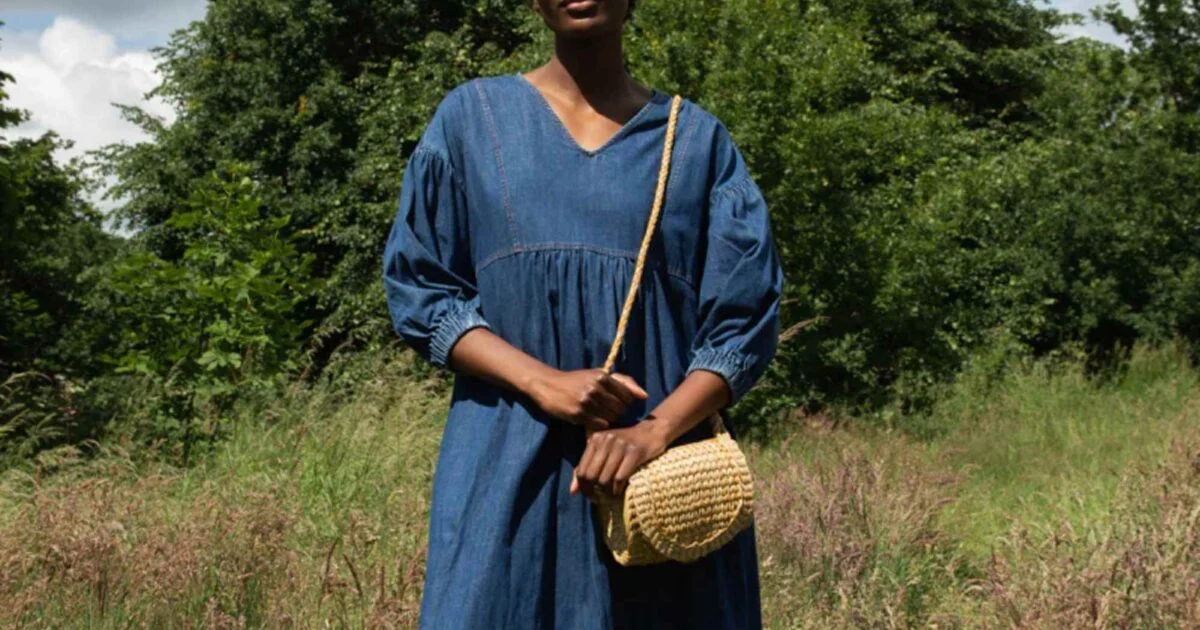
The ubiquitous dress, a garment celebrated for its versatility and timeless appeal across cultures and occasions, now stands at the forefront of a profound shift in consumer values. While its aesthetic draws remain undeniable, a growing chorus of voices demands transparency and accountability in its creation, challenging the conventional fashion industry’s often detrimental impact on people, the planet, and animals. This comprehensive guide illuminates the path for discerning consumers, showcasing brands committed to ethical practices, regionally curated to foster local economies and reduce environmental footprints.
The Unraveling Thread: Exposing Fast Fashion’s Hidden Costs
For decades, the global fashion industry has operated largely unchecked, driven by a relentless cycle of rapid production, fleeting trends, and disposable consumption. This "fast fashion" model, while making clothing more accessible, has come at an exorbitant cost, creating a complex web of environmental degradation and social injustice that permeates every stage of a garment’s lifecycle.
Environmentally, the figures are stark. The textile industry is a major polluter, accounting for an estimated 20% of global wastewater due to dyeing and finishing processes that often release toxic chemicals into waterways. Furthermore, synthetic fabrics, prevalent in fast fashion, shed microplastics with every wash, contributing to oceanic pollution. The production of cotton, a natural fiber, is notoriously water-intensive, requiring thousands of liters of water for a single cotton dress, often in drought-prone regions. Annually, approximately 85% of all textiles produced end up in landfills, where they can take hundreds of years to decompose, releasing methane and other greenhouse gases. The industry’s carbon footprint is equally alarming, contributing between 4-10% of global greenhouse gas emissions, a figure projected to rise significantly if current trends continue.
Socially, the human cost is immeasurable. The quest for ever-cheaper production has led to widespread exploitation of garment workers, predominantly women, in developing countries. Reports consistently highlight alarmingly low wages—often below the legal minimum and far from a living wage—excessive working hours, unsafe and unsanitary factory conditions, and a pervasive lack of basic labor rights. The tragic collapse of the Rana Plaza factory in Bangladesh in 2013, which killed over 1,100 workers, served as a grim global awakening to the hidden realities of fast fashion supply chains. This incident galvanized public awareness and sparked a broader movement advocating for transparency and ethical labor practices.
Beyond environmental and social concerns, the industry’s impact on animal welfare is also under scrutiny. The sourcing of materials like wool, leather, and silk can involve practices that cause significant suffering to animals, from intensive farming conditions to cruel methods of harvesting. Ethical consumers are increasingly seeking out brands that offer cruelty-free alternatives or ensure responsible and humane treatment within their supply chains.
The paradox of the "timeless classic" dress, a garment designed for longevity in a personal wardrobe, being produced through such transient and destructive industrial processes, has become a powerful catalyst for change. Consumers, now more informed and empowered, are actively seeking alternatives that align with their values.
Weaving a New Future: The Rise of Ethical Fashion and Consumer Empowerment
In the wake of heightened awareness, particularly post-Rana Plaza, a new paradigm for fashion has begun to emerge: ethical and sustainable fashion. This movement is characterized by a commitment to minimizing environmental harm, upholding fair labor practices, ensuring animal welfare, and promoting a circular economy model where products are designed for durability, repairability, and recyclability.
Consumer demand has been a significant driver of this shift. Numerous surveys indicate a growing willingness among consumers to pay more for products that are ethically and sustainably produced. A 2021 study by Statista revealed that over 50% of consumers globally consider sustainability an important purchasing factor. This rising consciousness has put pressure on brands to re-evaluate their practices, leading to a surge in transparent initiatives and the adoption of more responsible manufacturing methods.
Platforms like Good On You have become indispensable in this evolving landscape. By providing accessible and comprehensive ratings of fashion and beauty brands based on their impact on people, the planet, and animals, Good On You bridges the information gap between brand claims and actual practices. Their rigorous rating system analyzes various factors, including environmental policies, labor conditions in the supply chain, and animal welfare commitments, empowering consumers to make informed purchasing decisions that reflect their values. This move towards greater transparency is crucial in an industry often plagued by greenwashing and vague sustainability claims.
Defining "ethical" and "sustainable" in fashion encompasses several key pillars. It involves the careful selection of materials, prioritizing lower-impact options like organic cotton (grown without harmful pesticides and with less water), recycled fabrics (reducing waste and resource consumption), and deadstock fabrics (utilizing leftover materials from other productions to prevent waste). It also mandates fair labor practices, ensuring living wages, safe working conditions, and respect for human rights throughout the entire supply chain. Animal welfare considerations mean adopting cruelty-free practices and responsibly sourcing any animal-derived materials. Ultimately, the goal is to move away from a linear "take-make-dispose" model towards a circular economy where products are valued, reused, repaired, and recycled, minimizing waste and maximizing resource efficiency.
Global Threads, Local Impact: A Curated Selection of Ethical Dress Brands
The quest for an ethically produced dress no longer means compromising on style or choice. Across the globe, innovative brands are demonstrating that fashion can be both beautiful and responsible. Good On You’s curated list highlights regional leaders, enabling consumers to shop locally and support businesses that prioritize people, planet, and animals.
Oceania’s Sustainable Style: A Blend of Bohemian Spirit and Responsible Craftsmanship
Australia and New Zealand, renowned for their stunning natural landscapes, are home to a burgeoning ethical fashion scene where brands are increasingly aligning with environmental stewardship and community values.
Spell, an Australian fashion brand, embodies a bohemian spirit inspired by far-off places, vintage treasures, and childhood memories. With its roots firmly planted in Byron Bay, where designs are proudly conceived and sampled, Spell extends its commitment to responsible production through carefully vetted factories worldwide. This approach emphasizes transparency and ethical supply chains, ensuring that their durable, timeless pieces are crafted under fair conditions. Their dedication to enduring style combats the disposability of fast fashion, encouraging consumers to cherish their garments for years.
Elk, founded in Melbourne in 2004, has pioneered independent Australian design with a clear ethos where simplicity and sustainability meet innovation. Elk creates bi-annual collections that are not only aesthetically pleasing but also informed by a deep commitment to ethical production. The brand prioritizes lower-impact materials and transparent supply chain practices, making it a reliable choice for consumers seeking stylish and responsibly made clothing. Most items are available in AU sizes 6-18, reflecting a commitment to broader inclusivity.
European Excellence in Ethical Design: Innovation and Fair Labor at the Forefront
Europe, with its rich history of textile craftsmanship and increasingly stringent regulatory frameworks, is a fertile ground for ethical fashion innovation, blending tradition with modern sustainability.
Jyoti – Fair Works, based in Germany, is a prime example of a brand with a strong social mission. They produce GOTS certified cotton products, a crucial indicator of organic status and responsible processing. Beyond materials, Jyoti provides vital employment opportunities for people from marginalized or disadvantaged groups in India, directly impacting lives and fostering economic empowerment within their supply chain. Their dresses, available in sizes S-XL, represent a direct investment in both environmental integrity and social justice.
From Bulgaria, Coco & Kandy focuses on creating uncomplicated, high-quality clothes ideal for warmer climates. This brand distinguishes itself by using lower-impact materials and diligently tracing most of its supply chain. Regular visits to suppliers underscore their commitment to transparency and direct oversight of manufacturing conditions, ensuring that ethical standards are maintained from raw material to finished garment.
While not explicitly detailed in the original excerpt, Thinking MU from Spain, mentioned in the introduction for its stunning printed, pleated midi, is another European brand often lauded for its commitment to organic materials and fair trade practices, exemplifying the region’s broader ethical movement.
The UK’s Commitment to Conscious Couture: Accessibility Meets High Standards
The UK’s dynamic fashion scene is home to a growing number of brands that are making ethical and sustainable style more accessible without compromising on high standards of design and quality.
OMNES, a UK-based brand, positions itself as a leader in creating responsible and affordable high-quality womenswear. Their stated mission is ambitious: "We created OMNES to help change the way you shop, wear and think about clothing. And to encourage the rest of the industry to do it, too." This brand directly addresses the common misconception that ethical fashion must be prohibitively expensive, offering stylish options in sizes 6-20 that are both conscious and accessible.
Baukjen, a London-based womenswear brand, places a strong emphasis on ethical and sustainable style. Their garments are designed for both the wearer and for good, utilizing lower-impact materials, including recycled components. This strategic choice helps to significantly limit the use of chemicals, water, and the generation of wastewater during production, demonstrating a holistic approach to environmental responsibility. The brand caters to sizes XS-L, ensuring a broad fit.
Beaumont Organic exemplifies slow fashion from the UK, blending simple, elegant style with deeply responsible production practices. Founded by Hannah Beaumont-Laurencia, the brand’s commitment extends beyond its garments, featuring its own charitable foundation that actively supports communities in Fiji, illustrating a powerful link between fashion and broader social impact. Available in sizes XS-L, their pieces are designed to be cherished.
COSSAC advocates for the minimalistic concept of capsule wardrobes, creating timeless, feminine, and versatile apparel responsibly. By offering contemporary classics intended to be worn and cherished beyond fleeting seasonal trends, COSSAC actively combats overconsumption. They exclusively use organic or lower-impact materials and collaborate with small factories on limited production runs to minimize waste and deadstock, showcasing a strong commitment to circularity and waste reduction. Most of their range is available in sizes S-L.
Indilisi further enriches the UK’s ethical landscape by focusing on heritage crafts and handweaving. Their innovative use of surplus fabrics sourced from deadstock material highlights a dual commitment: preserving traditional artisanal skills and significantly reducing textile waste, turning what would be discarded into vibrant, new products.
North American Pioneers in Responsible Production: From Local Sourcing to Community Impact
North America’s ethical fashion sector is marked by a focus on local production, innovative material use, and profound community engagement, demonstrating diverse approaches to sustainability.
Christy Dawn, a US-based brand, offers a minimalist showroom of vintage-inspired women’s clothing and footwear. A key pillar of their sustainability model is local production in Los Angeles, utilizing surplus (deadstock) fabric. This approach not only supports local economies and craftsmanship but also intercepts high-quality materials from ending up in landfills, showcasing a practical and impactful waste reduction strategy. Their extensive sizing, from XS-XL in standard, and dedicated extended and petite collections, promotes inclusivity.
Certified B Corp Kotn, based in Canada, stands out for its exceptional commitment to social responsibility. Beyond producing beautifully made garments, Kotn partners with local NGOs in the Nile Delta to provide quality education for every child in their farming communities. Every purchase directly contributes to funding school infrastructure, materials, and teacher salaries, illustrating a powerful model of direct social investment linked to consumer choice. Kotn offers sizes XS-2XL.
Minimalist, based in New York City, grounds its philosophy in timeless design and local production. All their curated women’s ready-to-wear pieces are made in New York and designed for end-of-life recycling, aiming to be part of the solution for a more sustainable fashion industry. They achieve this by using certified lower-impact materials and ensuring fair wages and working conditions in the local NYC factories they support, fostering regional economic benefits and ethical manufacturing. Available in sizes XS-L.
Whimsy + Row, a US-based lifestyle brand founded in 2014, is driven by a deep love for quality goods and responsible practices. Their strategies include the extensive use of deadstock fabrics and short production runs to minimize waste. They also prioritize reducing packaging waste and carefully managing precious water resources, reflecting a holistic approach to environmental stewardship. Most products are available in XS-XL, with an extended sizing range up to 3XL.
Asia’s Artisanal & Regenerative Approach: Craftsmanship, Community, and Circularity
Asia, often at the heart of global manufacturing, is also home to pioneering ethical brands deeply rooted in traditional craftsmanship, community development, and innovative circularity models.
The Summer House from India exemplifies this by creating beautiful womenswear using locally made, lower-impact fabrics. The brand actively partners with local artisans and NGOs, providing crucial opportunities and supporting traditional crafts within the region. Their elegant prints and flowing silhouettes offer a blend of cultural heritage and contemporary style, available in sizes XS-XL.
No Nasties, another leader in responsible fashion from India, crafts simple yet stylish clothing from Fairtrade organic cotton. Beyond its products, the brand is actively working to grow the ethical consumer market in India, demonstrating a commitment to systemic change within the local industry. Their styles, available in sizes 2XS-3XL, offer comfort and conscience.
SeamsFriendly from India provides a truly unique proposition: beautiful tailored pieces for all body types with an unparalleled level of customization. Shoppers can personalize designs to their exact preferences, modifying neck style, depth, sleeve length, garment length, and even fabric. This "mass customization" model significantly reduces waste inherent in standard production and ensures garments perfectly fit and are cherished longer, embodying a "buy less, buy better" philosophy. Their extensive and customizable sizing (bust 26″-70″, waist 19″-63″ for womenswear; chest 34″-76″ for menswear, plus a kids’ range) ensures inclusivity for all.
Based in Cambodia, Dorsu creates everyday basics and key signature favorites that form the core of any conscious wardrobe. Their focus on essential, responsibly made pieces underscores the importance of ethical choices even for the most fundamental items of clothing, available in sizes XS-XL.
I was a Sari, an Indian brand, innovatively brings traditional styles into the modern age by transforming used saris and deadstock fabrics into vibrant new products. This powerful example of upcycling not only reduces waste but also celebrates cultural heritage and empowers local artisans, available in sizes S-L.
Finally, OhSevenDays, started by Australian-Canadian Megan Mummery and based in Istanbul, champions slow fashion and the "power of circularity." The brand ingeniously reclaims end-of-roll fabrics from Istanbul’s garment factories, transforming fast fashion’s leftovers into sharp, wearable, and responsible everyday womenswear. This model provides a compelling narrative of waste transformation, offering garments in sizes XS-XL or custom sizing.
The Ripple Effect: Broader Implications and the Path Forward
The growing momentum of ethical fashion carries significant broader implications for the global economy, policy-making, and technological innovation. Economically, the shift towards sustainable practices is redirecting investment towards greener technologies, supporting local economies through fair wages and responsible sourcing, and creating new "green jobs" across the supply chain.
From a policy perspective, the increased consumer and NGO pressure is prompting governments and international bodies to consider stricter environmental and labor regulations within the fashion industry. Initiatives like the EU Strategy for Sustainable and Circular Textiles signal a future where accountability is mandated, not just optional.
Technological innovation is also playing a crucial role, with advancements in sustainable materials such as bio-based fabrics (e.g., made from orange peels or mushrooms), lab-grown alternatives to animal products, and sophisticated recycling technologies that can convert textile waste back into high-quality fibers. Digital tools are enhancing supply chain traceability, offering unprecedented transparency into a garment’s journey.
The ultimate goal for the fashion industry is to fully embrace a circular economy model, moving away from the linear "take-make-dispose" system. This involves designing products with their end-of-life in mind, facilitating repair, encouraging reuse through resale and rental markets, and ensuring robust recycling infrastructure.
For consumers, the responsibility extends beyond just buying. It encompasses conscious care for garments to extend their lifespan, supporting repair services, and actively participating in recycling programs. Choosing an ethical dress is not merely a transaction; it is an active step towards a more just, equitable, and sustainable future for fashion. By supporting brands vetted by organizations like Good On You, consumers are empowered to weave their values into their wardrobes, making a tangible difference with every conscious choice.