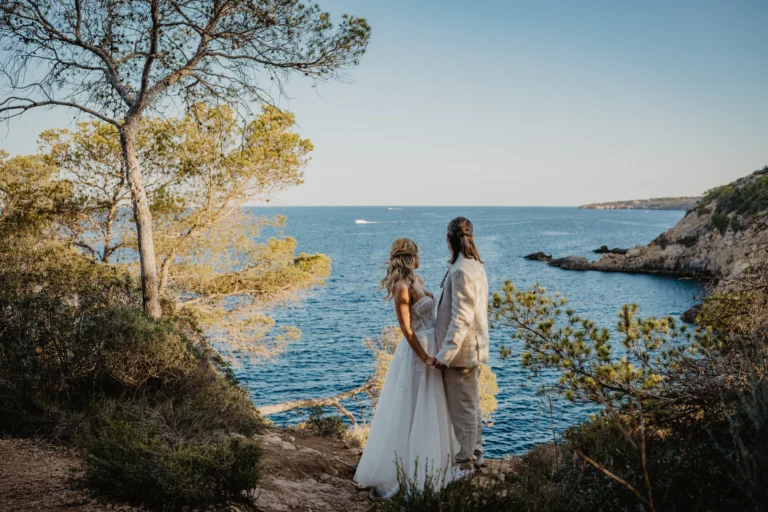











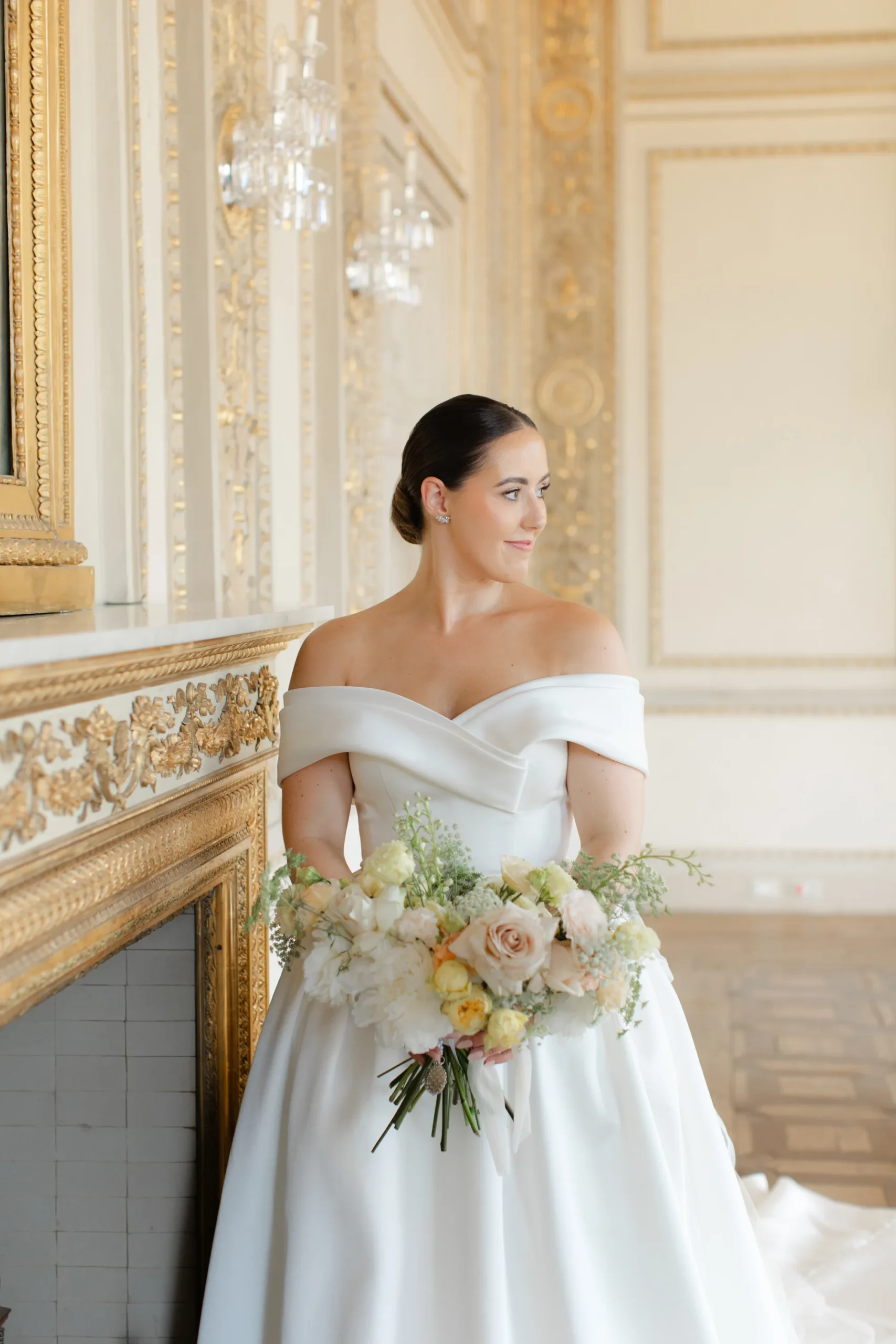
In a convergence of athletic discipline and classical romance, sports therapist Megan and professional boxer Zachary formalized their union in the heart of the Eternal City this June. The multi-day event, characterized by its adherence to traditional elegance and a "black tie" aesthetic, commenced with a formal Catholic ceremony at The Church of San Pietro in Montorio, followed by a high-profile reception at the historic Villa Aurelia. Orchestrated by renowned destination wedding planner Denise More, the celebration served as a testament to the couple’s long-standing affinity for Italian culture and the Catholic faith.
A Chronology of the Relationship: From Martial Arts to the Malvern Hills
The foundation of Megan and Zachary’s relationship is rooted in their shared history within the martial arts community. The pair first encountered one another in 2017 through the competitive circuit, where their professional paths crossed at various tournaments. This shared background in high-performance sports—one as a therapist specializing in athlete recovery and the other as a professional boxer—provided a unique common ground that sustained the early stages of their relationship.
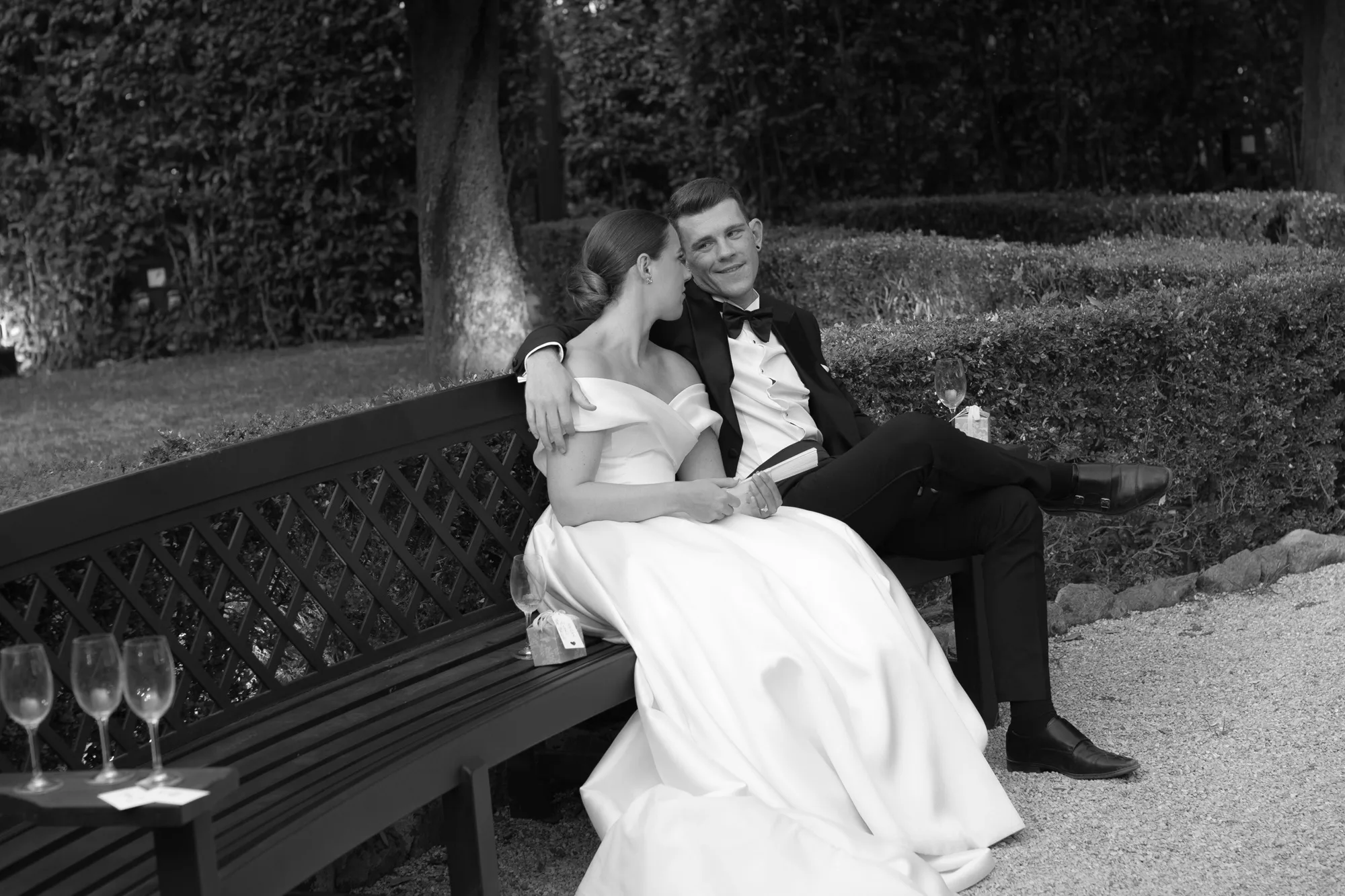
The couple navigated a long-distance relationship for approximately two years before consolidating their lives in York. This period of geographic separation was followed by a move to Zachary’s hometown, where they purchased their first residence in 2021. The transition from professional acquaintances to domestic partners culminated in a proposal that took place on the Malvern Hills. Despite inclement weather, Zachary chose the summit of this iconic English landscape to propose, marking the beginning of an 18-month planning phase that would ultimately lead them back to Italy.
The decision to host the wedding in Rome was not a matter of recent deliberation but rather a commitment made early in their partnership. Having first visited the city only eight months into their dating life, the couple established a profound connection with the Roman landscape, gastronomy, and cultural heritage. For Zachary, the religious significance of Rome was paramount, aligning with his Catholic upbringing and the desire for a legally and religiously binding ceremony in a location of historical spiritual weight.
The Ceremonial Proceedings at San Pietro in Montorio
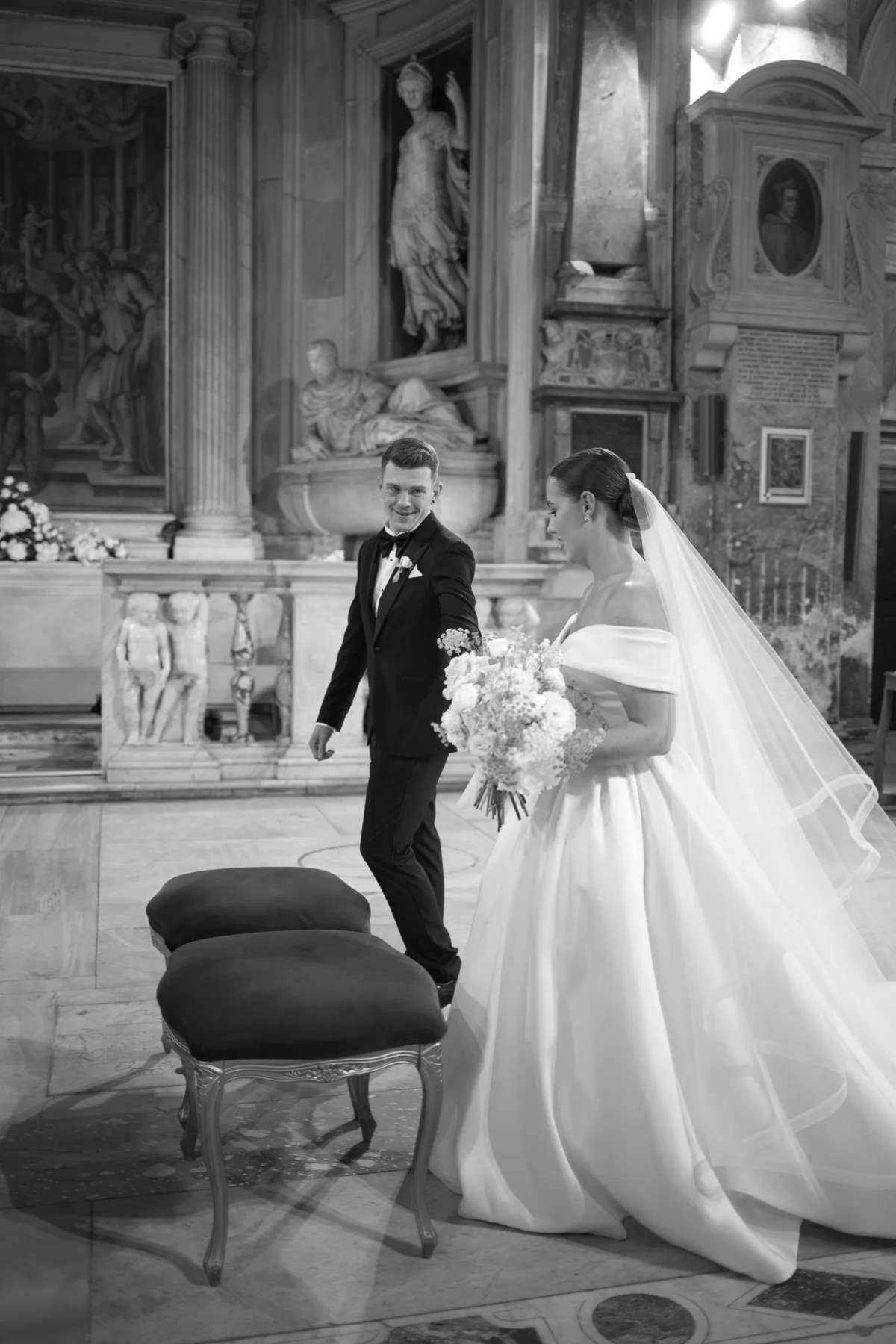
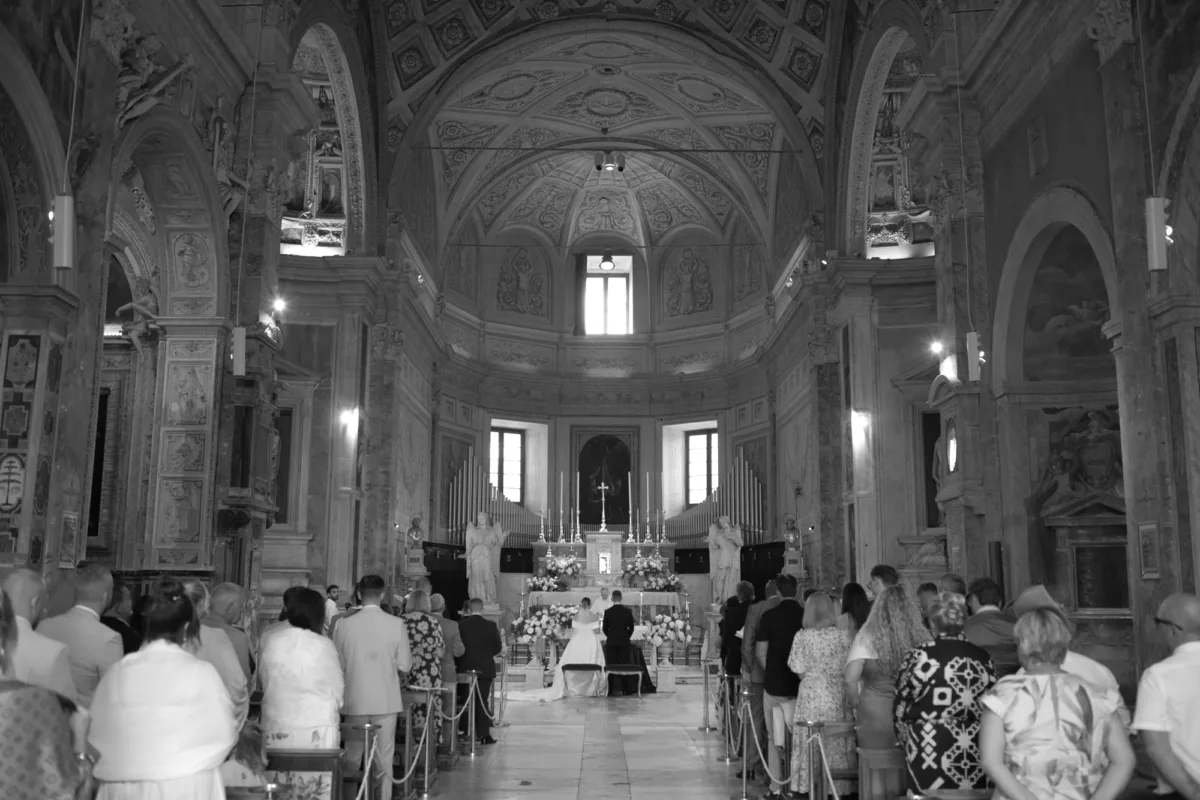
The Church of San Pietro in Montorio, situated on the Janiculum Hill, provided the architectural backdrop for the nuptials. The site, which is famously associated with the site of St. Peter’s crucifixion and home to Bramante’s Tempietto, is regarded as a pinnacle of Renaissance architecture. The selection of this venue dictated much of the wedding’s stylistic direction, including the bride’s choice of attire.
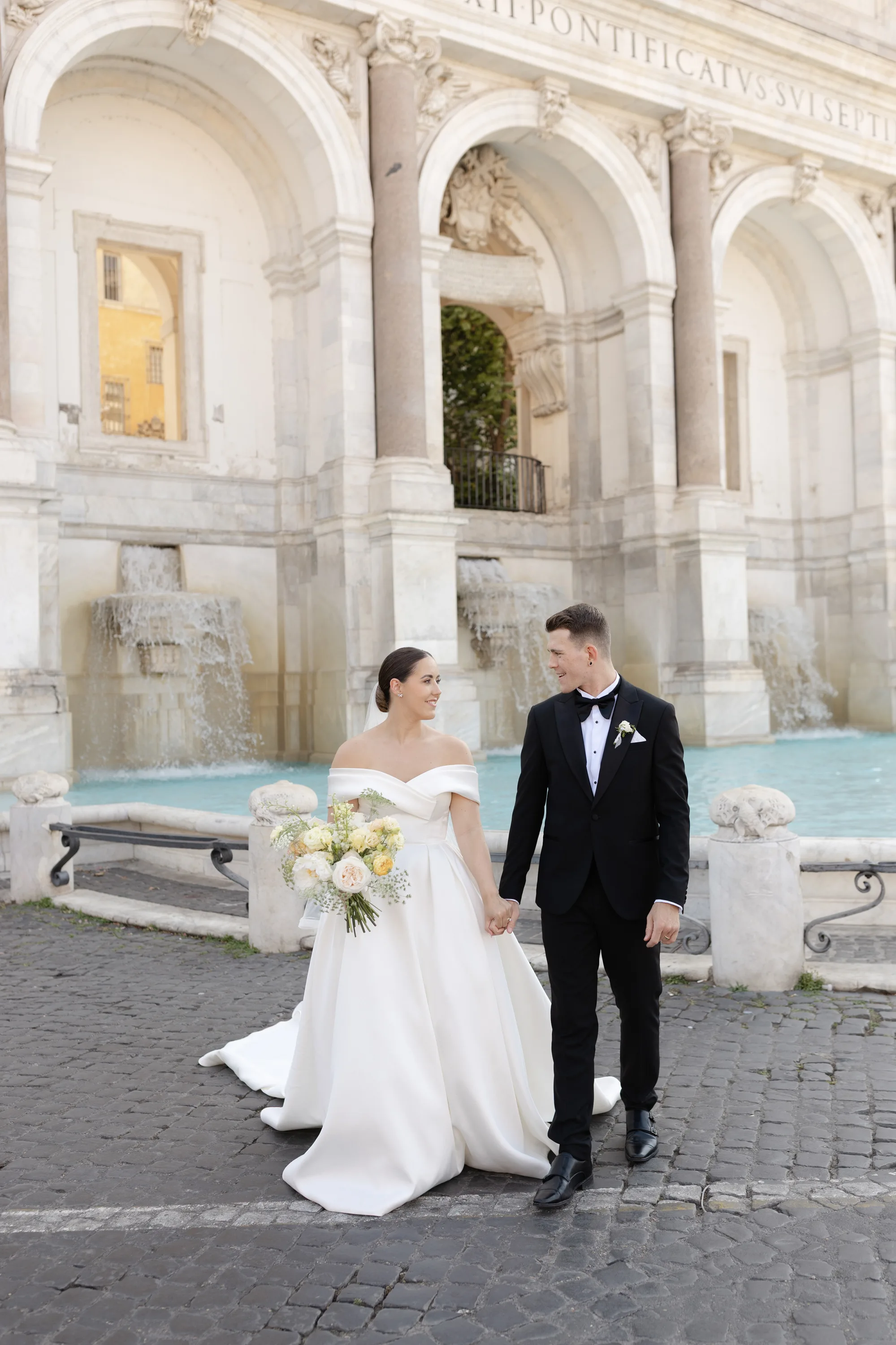
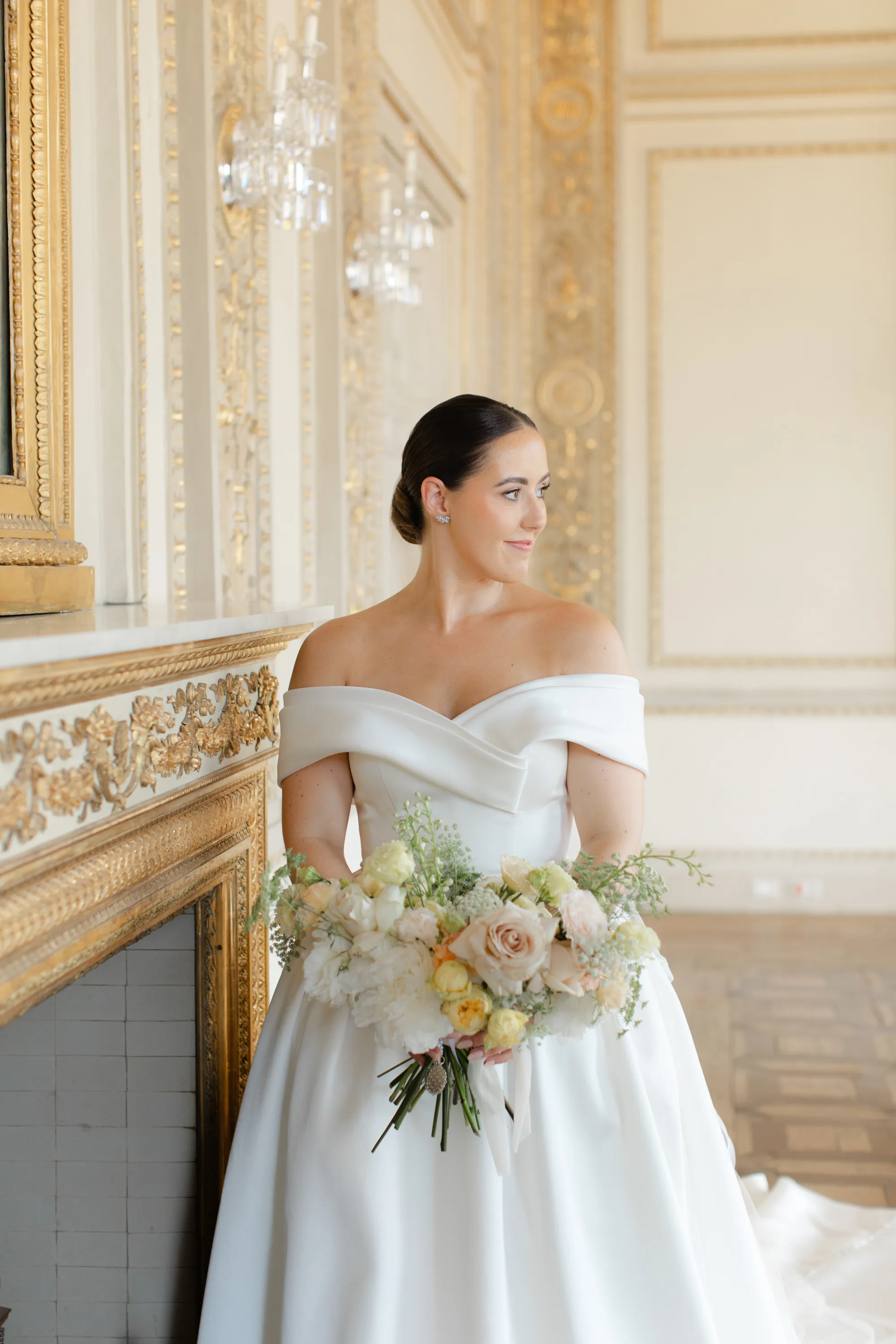
Megan opted for a gown by Milla Nova, sourced from the Wedding Belles of Four Oaks boutique in Sutton Coldfield. The garment was specifically chosen for its substantial train, designed to match the grand scale and long aisle of the church. In keeping with the formal requirements of the venue and the couple’s personal preferences, the dress code was strictly black tie, with Zachary appearing in a classic tuxedo.
The ceremony was officiated by Monsignor John Kennedy, whose presence was noted by the couple for bringing a sense of "light and joy" to the solemnity of the Catholic liturgy. In a move that emphasized family integration, the ceremony included active participation from Zachary’s extended family. His aunts and uncles delivered a series of readings, including excerpts from the Book of Sirach 26, Psalm 145, and the First Letter of Saint Paul to the Corinthians. These selections underscored themes of marital virtue and the enduring nature of love, consistent with the couple’s objective of a ceremony that would "age well" in memory.
Musically, the ceremony fulfilled a lifelong ambition for the bride. The processional was accompanied by Pachelbel’s "Canon in D," performed by an organist and a string quartet. This choice of classical instrumentation without vocal accompaniment was intended to maintain a refined atmosphere, a theme that persisted throughout the day’s events. The couple’s wedding rings, sourced from Tiffany & Co., were engraved with their wedding date in Roman numerals, a permanent homage to the city of their union.
Architectural Grandeur and Aesthetic Direction at Villa Aurelia
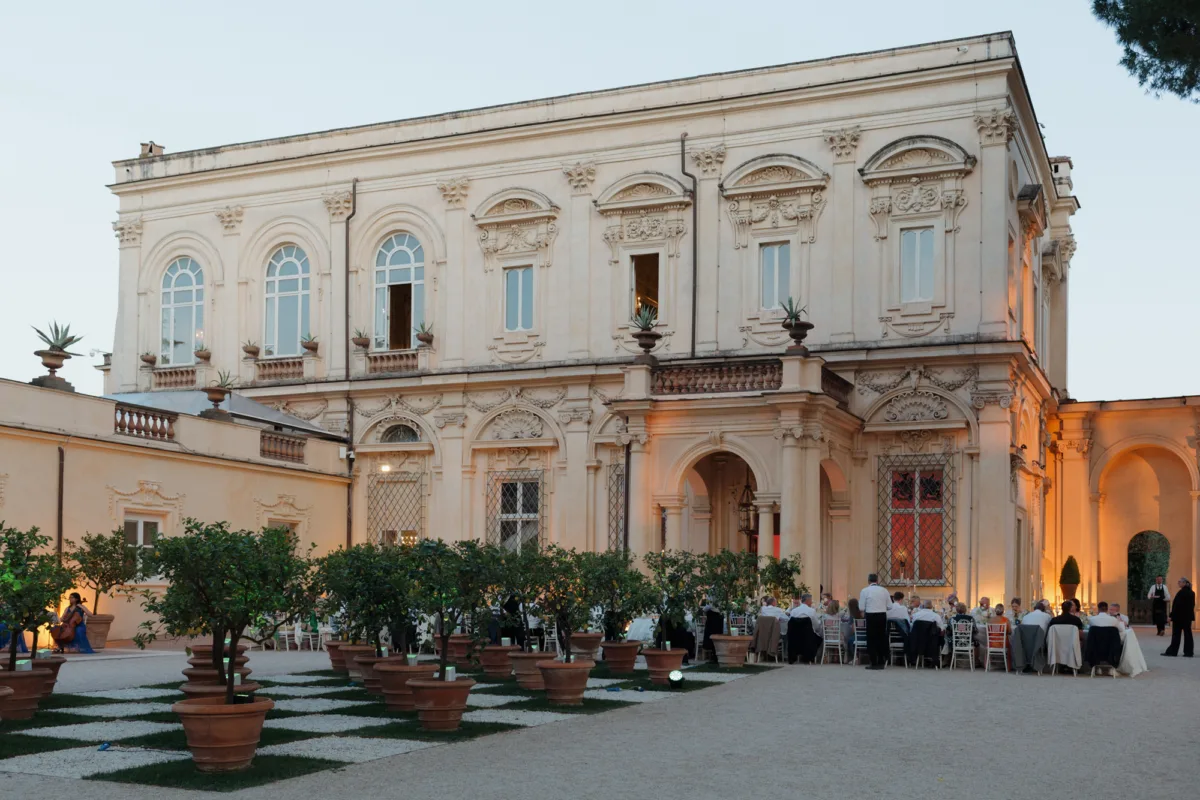
Following the religious rites, the wedding party transitioned to Villa Aurelia for the evening’s festivities. As a property of the American Academy in Rome, Villa Aurelia is one of the city’s most exclusive venues, offering panoramic views of the skyline from its position atop the Janiculum. The villa’s history, dating back to the 17th century, provided a regal environment that required minimal additional decoration.
The aesthetic strategy, developed in conjunction with planner Denise More, focused on "soft and neutral" palettes. Pastel tones were integrated into the floral arrangements provided by Sartoria Floreale. The floral design was a central pillar of the visual experience, with the bride noting that the arrangements exceeded expectations in both the church and the reception hall. To enhance the romantic ambiance of the villa’s grand rooms, the decor relied heavily on candlelight, avoiding bold or trendy colors that might eventually feel dated.
In a departure from commercial products, the wedding favors were a result of family collaboration. Megan’s mother-in-law and her husband assisted the couple in preparing hand-filled bottles of limoncello. This task, completed in a Roman hotel room just two days prior to the wedding, served as a communal activity that bridged the gap between the formal planning and the intimate family experience. For younger guests and non-drinkers, traditional sugar sweets were substituted, maintaining the aesthetic of the gift boxes while ensuring inclusivity.
Entertainment and Technical Execution
The musical arc of the day was carefully curated to transition from the formal to the celebratory. During the cocktail hour (aperitif) and the seated dinner, a string quartet provided a continuous backdrop of classical and contemporary arrangements. This was a strategic decision by the couple to ensure there was "no silence" during the transition periods of the event.
As the evening progressed, the energy shifted with the introduction of a DJ and a live saxophonist. The first dance was performed to Frankie Valli’s "Can’t Take My Eyes Off You," a selection chosen for its timeless appeal and personal significance to the couple. The inclusion of live instrumentation alongside digital music is a growing trend in high-end destination weddings, intended to provide a more immersive and interactive experience for guests.
The documentation of the event was handled by S&M Weddings, an Italian photography and videography team. Their task was to capture not only the couple but the intricate details of the venues and the emotional reactions of the guests. The couple emphasized the importance of a professional yet personal relationship with their photographers, noting that the ability to "feel the day all over again" through the imagery was the primary metric of the project’s success.
Market Context: The Rise of Destination Weddings in Italy
The wedding of Megan and Zachary reflects broader trends in the global wedding industry, where Italy remains a premier destination for international couples. According to data from the Destination Weddings in Italy Observatory, the sector generates hundreds of millions of euros in annual revenue, with Rome, Tuscany, and the Amalfi Coast leading as preferred regions.
Couples from the United Kingdom represent a significant portion of this market, often seeking the "classic and refined" style exemplified by the Megan-Zachary nuptials. The choice of Rome specifically offers a unique combination of religious infrastructure and secular luxury, allowing for legally recognized Catholic ceremonies that are often more complex to arrange in other foreign jurisdictions.
Furthermore, the "black tie" requirement and the engagement of local specialists—such as Roman florists and Italian planners—highlight a trend toward supporting local artisanal economies while maintaining a high standard of international luxury. The couple’s decision to design their own stationery, with artwork contributed by a close friend, also points toward a growing desire for "bespoke" elements within a traditional framework.
Professional Analysis and Conclusion
From a journalistic perspective, the wedding of Megan and Zachary is a case study in disciplined event planning and thematic consistency. By choosing to prioritize "timelessness" over contemporary trends, the couple successfully executed an event that aligns with the historical magnitude of their chosen city. The intersection of their professional lives in the sports world and their personal devotion to classical aesthetics created a celebration that was both a private milestone and a sophisticated production.
The logistical success of the event can be attributed to the early establishment of a clear vision and the delegation of tasks to specialized professionals. The use of a dedicated wedding planner allowed the couple to navigate the complexities of a foreign legal system and high-demand venues like Villa Aurelia. As the couple reflected on the proceedings, their primary "word of wisdom" for future pairs was the importance of presence—taking a moment to breathe and observe the event as it unfolds, acknowledging the rapid pace at which such significant milestones pass.
In the final analysis, the union of Megan and Zachary in Rome stands as a sophisticated example of the modern destination wedding: a blend of personal history, religious tradition, and meticulously curated luxury, set against the backdrop of one of the world’s most enduring cities.