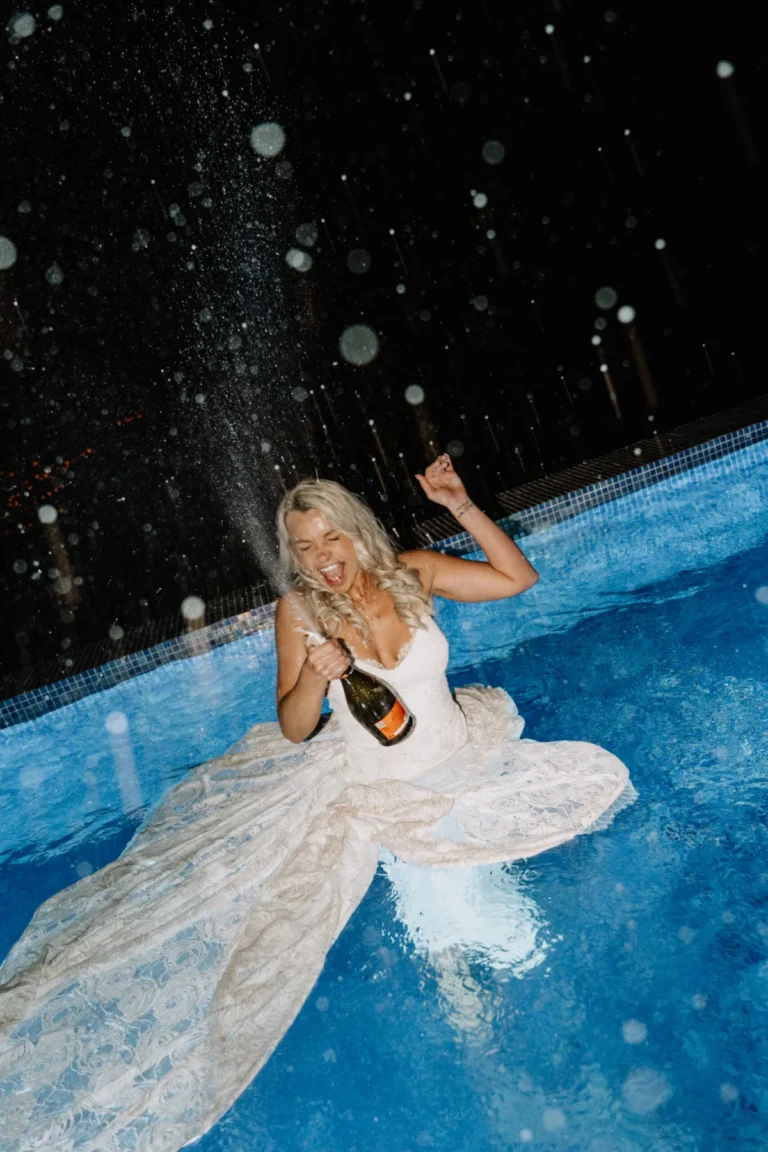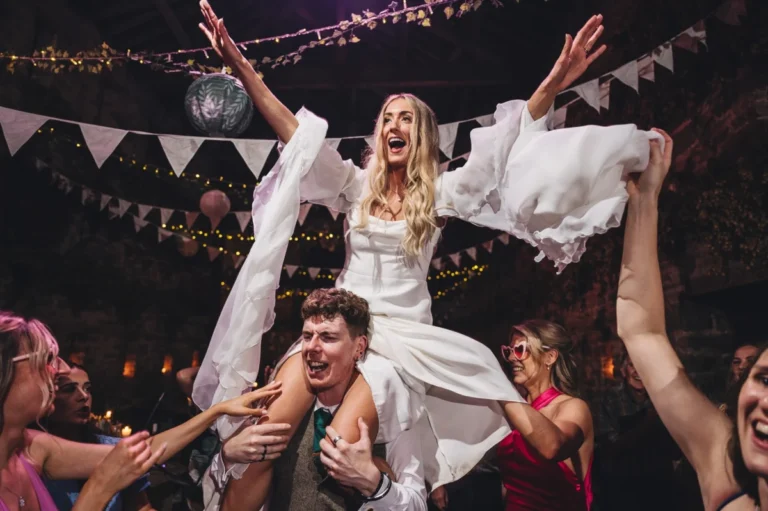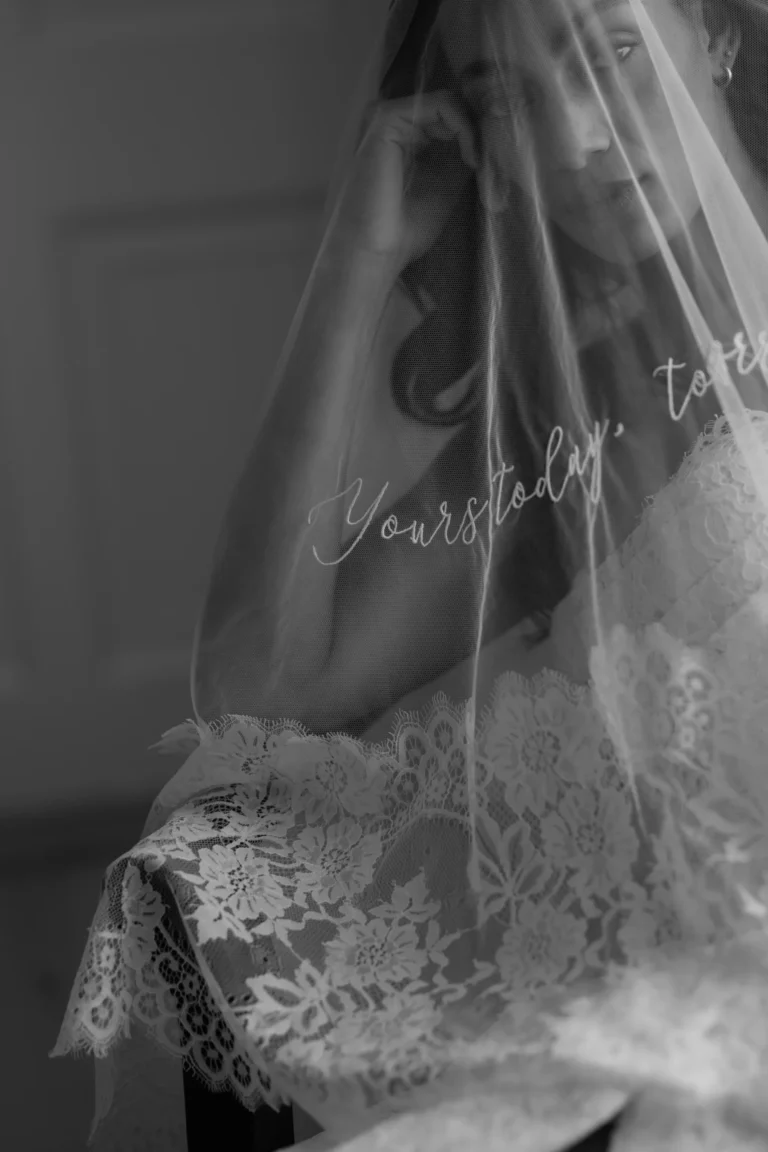


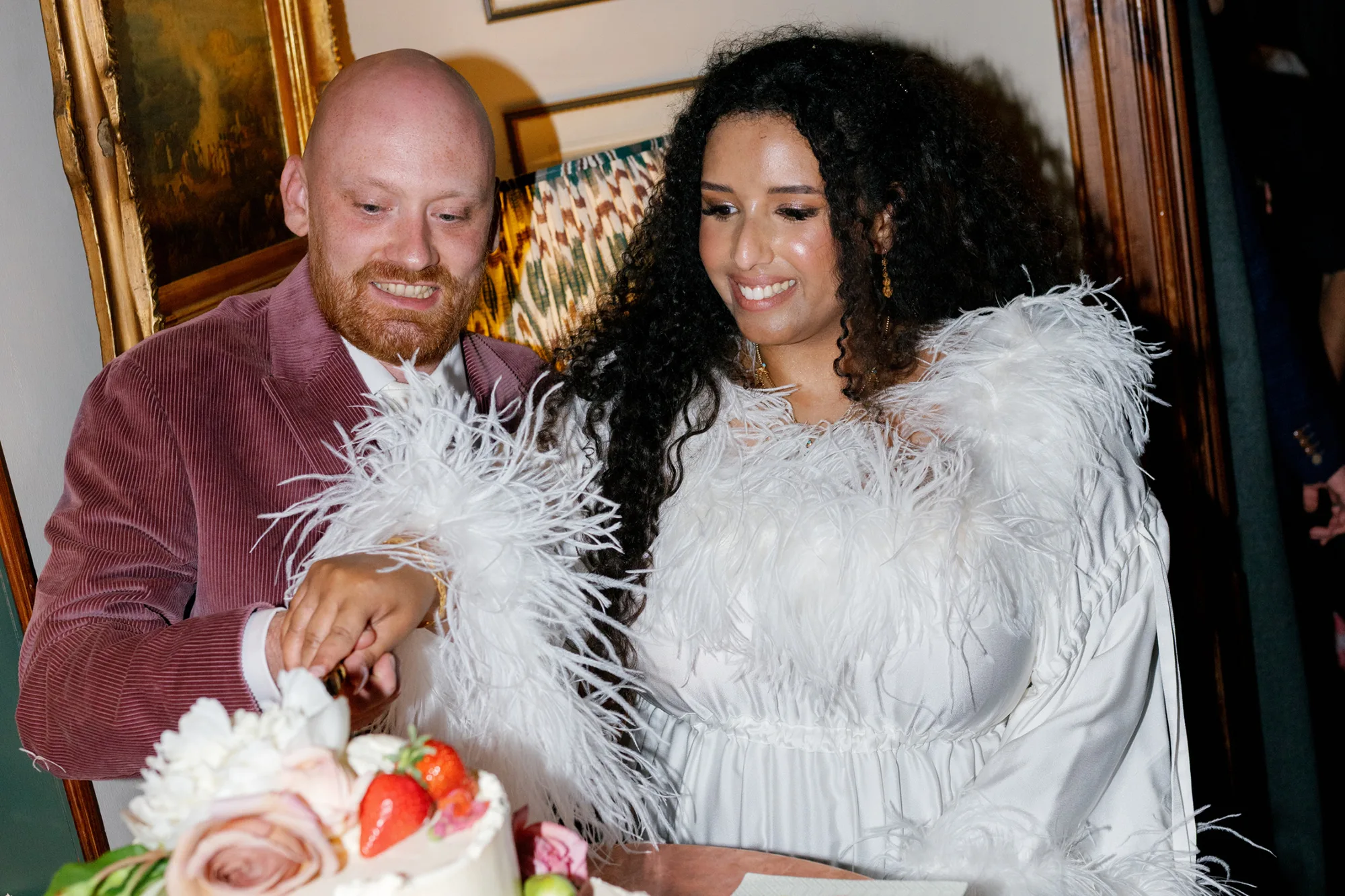
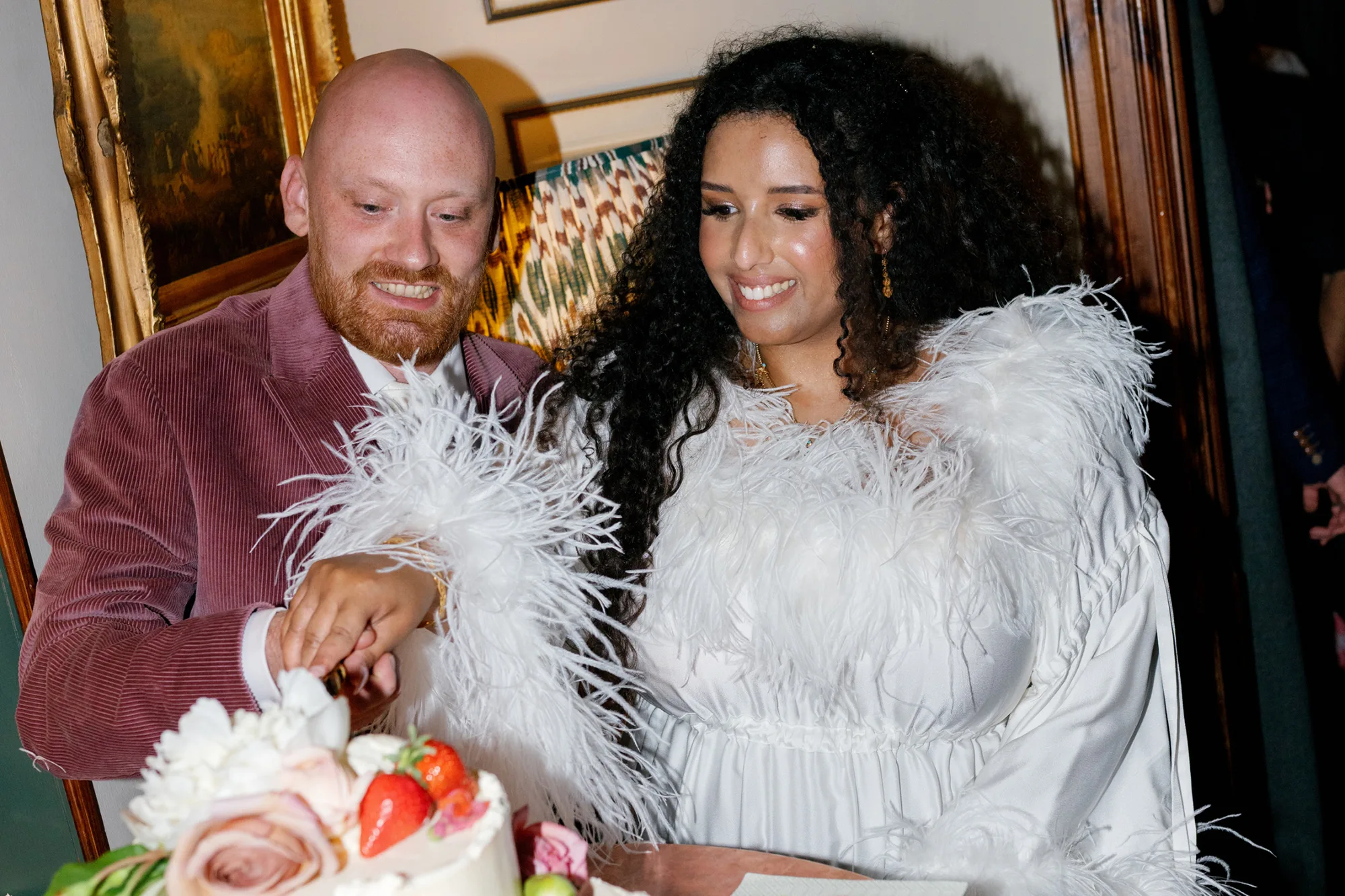
The digital discovery platform Pinterest has released its comprehensive 2026 Wedding Trends Report, revealing a significant evolution in how couples approach the concept of matrimony. Based on an analysis of over 7 billion wedding-related searches and 16.7 billion wedding ideas saved globally over the past year, the data suggests a departure from the highly aestheticized, "Instagram-perfect" weddings of the previous decade. Instead, the upcoming wedding cycle is defined by a pursuit of "emotional realism," characterized by deep personal connection, atmospheric venues, and the reclamation of traditional rituals reimagined for a modern context.
The Evolution of the Digital Mood Board and Wedding Planning Chronology
The role of social media in wedding planning has transitioned through several distinct phases since the early 2010s. Initially serving as a simple repository for visual inspiration, platforms like Pinterest eventually became the primary architects of the "visual language" of modern weddings. Analysts observe that for several years, weddings were often curated through the lens of digital shareability—prioritizing how an event would appear on a screen over the physical experience of the attendees.
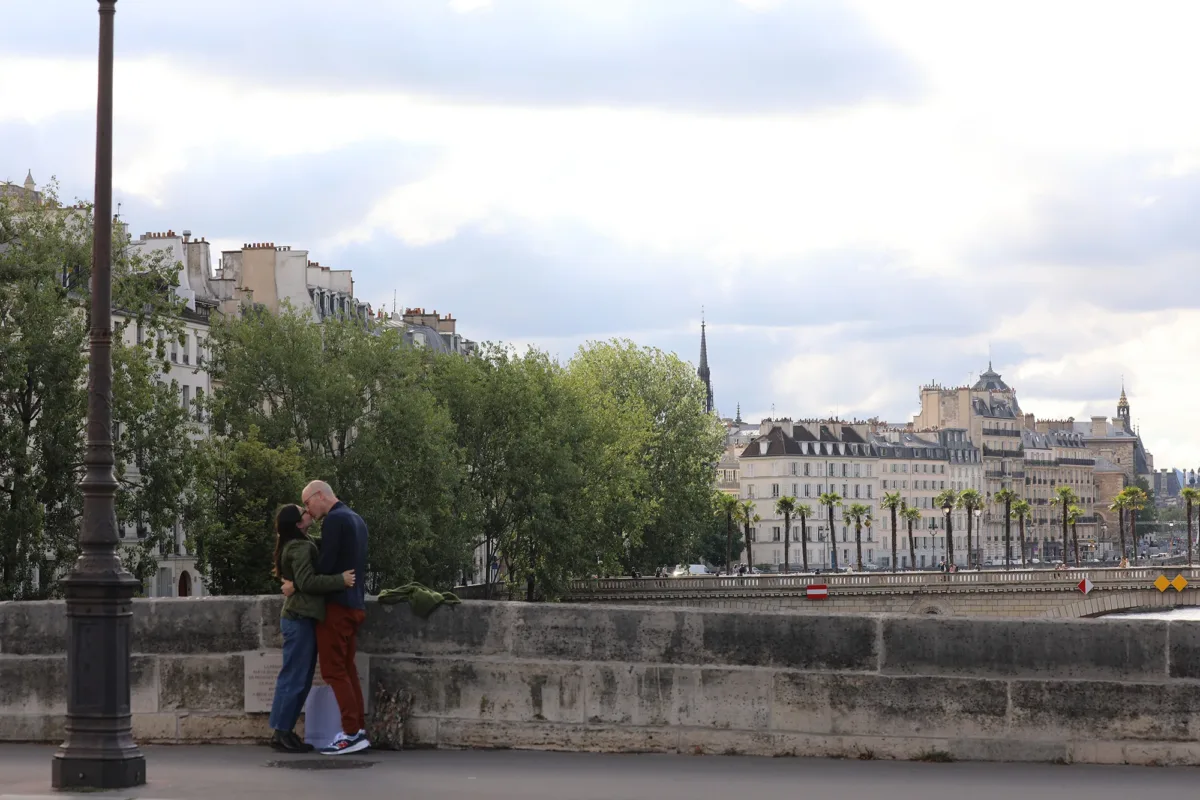
However, the 2026 report indicates a reversal of this trend. The planning timeline itself has expanded, giving rise to what Pinterest identifies as the "Before I Do" movement. This phase extends the wedding experience well beyond the ceremony and reception, incorporating the engagement period as a vital component of the narrative. Data shows a marked increase in searches for candid engagement shoots, "wish cards," and ritualized date nights in familiar locations. This shift suggests that the modern wedding experience now begins with the initial conversations and small, private rituals shared between a couple, rather than the moment they walk down the aisle.
Statistical Analysis of Fashion and Bridal Adornment
The most striking data points in the 2026 report emerge from the fashion sector, where historical silhouettes and modular designs are seeing unprecedented growth. Searches for drop waist corset wedding dresses have surged by 1,405%, signaling a return to structured, romantic aesthetics reminiscent of both the 1980s and fairytale-inspired couture.
Supporting data highlights a diversification of bridal attire:
- Opalite Aesthetic: Searches increased by 2,710%, reflecting a demand for iridescent, dreamlike finishes.
- Traditional Elements: Significant rises were recorded for pearl corsetry, silk backless dresses, and lace wedding gloves.
- Modular Romance: A term coined by industry analyst Chelsea Eileen Jackson in The Ceremony Index, this trend describes the rising demand for versatile bridal wardrobes. Modern brides are increasingly opting for "layers" such as removable sleeves, boleros, and capes, allowing for a transition from a formal ceremony look to a functional reception ensemble.
This modular approach suggests that bridal fashion is no longer viewed as a single, static "reveal," but as a shifting part of the day’s narrative. Designers like the Liverpool-based Unbridled Studio have been noted by industry observers as leaders in this movement, prioritizing movement and personality over rigid traditionalism.
The Reclamation of Ritual and the Analogue Experience
A core finding of the report is the revitalization of "ceremony" in its most human sense. The data indicates a growing appetite for weddings that are "witnessed" rather than merely "viewed." This involves a focus on sensory details that cannot be fully captured or consumed through a digital screen: handwritten vows, live music performances, and slow-unfolding communal meals.
Industry experts, including Chelsea Eileen Jackson, suggest that the wedding ceremony has become one of the few remaining "fully analogue" experiences in a digital-first world. This is reflected in Pinterest’s "Nostalgic Tech" trend, where couples are intentionally choosing lo-fi documentation methods. Searches for analogue camcorders, vinyl record details, and newspaper-style photobooths have increased as couples seek to capture their celebrations with the soft, imperfect texture of a home movie rather than the high-definition polish of professional commercial content.
Venue Trends: From Blank Canvases to Lived-In Spaces
The 2026 report highlights a sharp decline in interest for "blank canvas" or neutral venues. Instead, there is a clear preference for spaces that possess inherent character and historical weight.
- Jazz Club Weddings: Searches rose by 1,115%.
- Atmospheric Interiors: Significant interest was recorded for speakeasies, cinemas, glasshouses, and historic libraries.
Emma Deeley of the venue Tythe has characterized this shift as "The New Wedding Aesthetic: A Sense of Home." The objective for modern couples appears to be finding venues that contribute to the emotional mood of the event through their existing architecture and history, reducing the need for excessive external styling. The venue is no longer just a backdrop; it is a participant in the atmosphere of the day.
Expanding the Guest Experience through Participation
The data suggests that the role of the wedding guest is being redefined from a passive observer to an active participant. Searches for unique wedding activities have risen by 720%, while the demand for commissioned songs written specifically for the couple has increased by 1,975%.
Other rising participatory trends include:
- Interactive Entertainment: Photobooth stickers, dance-offs, and printable games.
- Tactile Memories: Button pictures and shared guest-led creative projects.
This focus on interaction is interpreted by analysts as a reaction against the "content-creation" culture of weddings. By providing guests with tactile, offline activities, couples are fostering an environment of presence and collective memory-making.
The Return of "Peacocking" in Menswear and Gender-Expansive Styling
In a notable departure from previous years, the 2026 report highlights a surge in expressive menswear and jewellery. Traditionally, wedding menswear has been limited in scope, but the current data shows a move toward "peacocking"—a term used to describe bold, decorative styling.
- Men’s Jewellery Aesthetics: Searches increased by 890%.
- Specific Accessories: High interest was recorded for pinky rings, groom brooches, silver earrings, and statement chain necklaces.
Furthermore, the report identifies a growing cultural appetite for gender-expansive fashion. Searches for wedding dresses for men and halter-neck suiting indicate that the boundaries of traditional occasion wear are becoming increasingly fluid, allowing for styling that aligns more closely with individual identity rather than gendered expectations.
Colour Palettes and the "Mood-Driven" Aesthetic
The 2026 colour trends are divided into two distinct emotional camps: grounded realism and escapist fantasy.
- Grounded Tones: Rich, nature-inspired colours such as plum and olive (up 1,380%), merlot, fig, and muted terracotta.
- Fantasy Finishes: Opalescent textures, chrome accents, and "midnight teal."
The culinary sector reflects this mood-driven approach as well. The "formal centrepiece" cake is being replaced by "personality cakes." Trends such as kitsch cakes, tarot-themed cakes, and "lyric cakes" (featuring song lyrics) suggest that couples are using every visual element—including dessert—to communicate a specific narrative or sense of humor.
Broader Implications for the Wedding Industry
The Pinterest 2026 Wedding Trends Report serves as a critical indicator for the global wedding industry, which is valued at billions of dollars annually. The findings suggest that vendors—from florists to photographers—must pivot away from providing "one-size-fits-all" packages and toward bespoke, emotionally intuitive services.
The rise of "Alt Bouquets"—including fuzzy-wire arrangements (up 1,275%) and bouquet purses (up 1,015%)—further illustrates the rejection of convention. Even the traditional floral arrangement is being reconsidered as a sculptural or sentimental object that can be kept long after the wedding day.
Ultimately, the 2026 data points toward a "de-digitalization" of the wedding experience. While platforms like Pinterest remain the starting point for discovery, the end goal for modern couples is an event that feels physically grounded and emotionally resonant. The overarching message of the report is that the most successful weddings of the near future will be those that prioritize human connection and individual truth over the adherence to fleeting visual trends. For the industry, this means a renewed focus on craftsmanship, storytelling, and the creation of immersive environments that facilitate genuine human interaction.