








The Regency Renaissance: Jane Austen’s Influence on the Modern Wedding
The enduring popularity of Jane Austen, fueled by a resurgence in "Regency-core" aesthetics and screen adaptations like Bridgerton, has placed the city of Bath at the forefront of the literary wedding market. The Royal Crescent Hotel & Spa, situated within one of the UK’s most iconic examples of Georgian architecture, serves as a primary destination for this demographic.
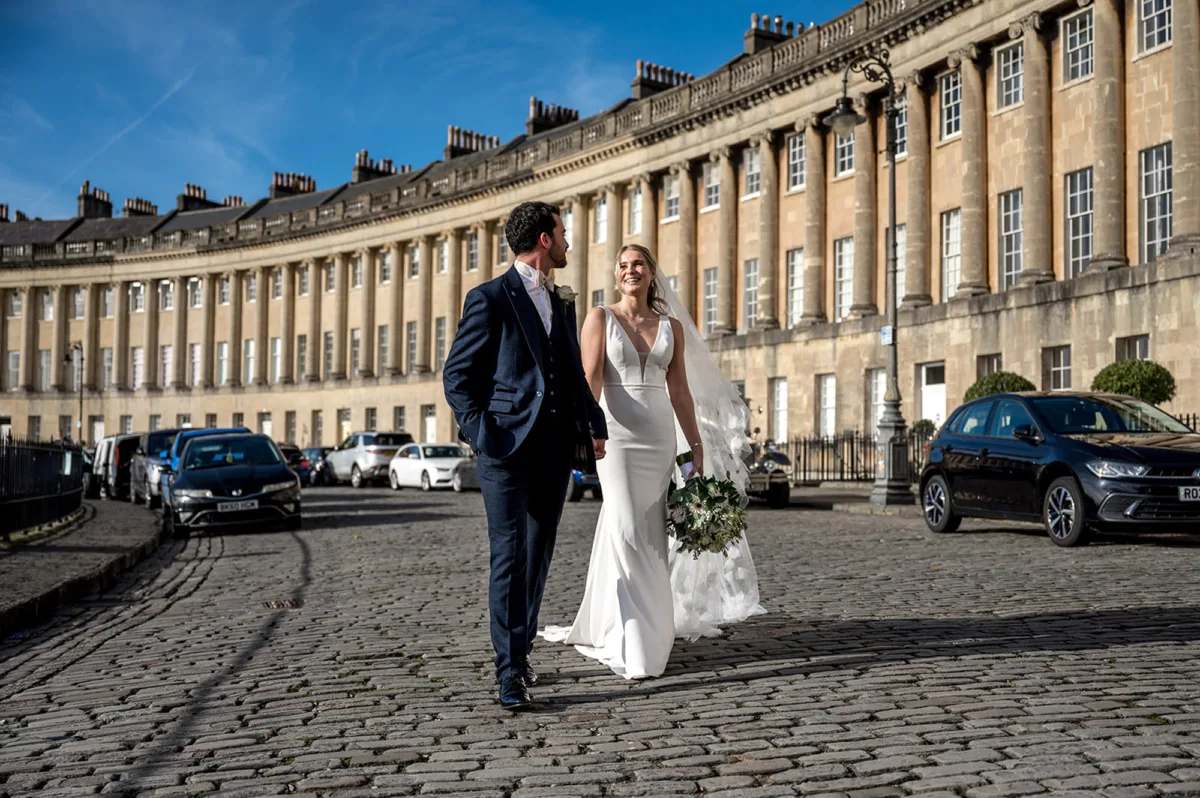
The property recently marked the 250th anniversary of the Royal Crescent’s completion, a milestone that coincided with city-wide celebrations of Austen’s 250th birthday. Austen resided in Bath between 1801 and 1806, and the city provided the backdrop for Northanger Abbey and Persuasion. The hotel offers a secluded "wedding garden" where roses and honeysuckle line the walls, providing a stark contrast to the sweeping, public-facing lawns of the Crescent. For larger parties, the Garden Villa provides a self-contained residence within the grounds, catering to the growing trend of "multi-day wedding residencies."
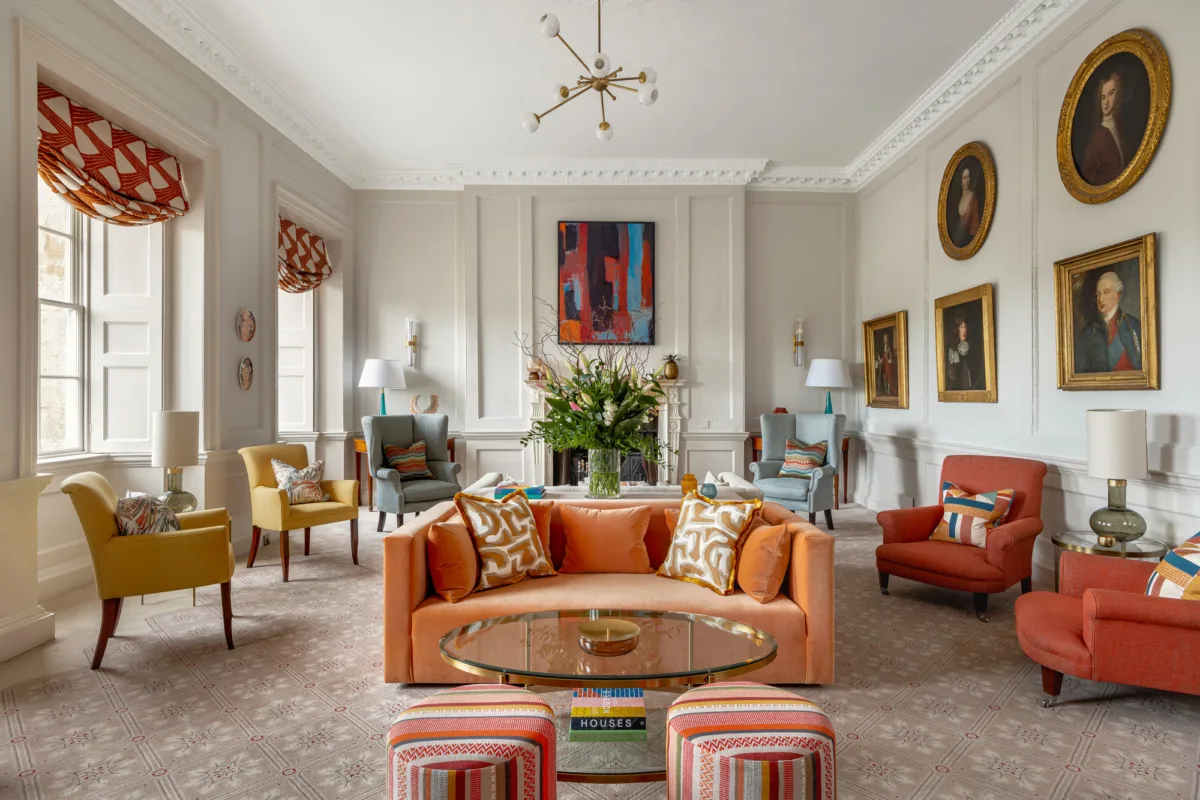
Complementing the Bath experience is Henry’s Townhouse in Marylebone, London. This Grade II listed boutique property was once the home of Henry Austen, Jane’s favorite brother. Historical records indicate that Jane Austen frequented the house, and it is believed that portions of Sense and Sensibility were refined within its walls. The interiors, designed by Russell Sage Studio, utilize a rich palette of jewel tones and 19th-century antiques to maintain an atmosphere of Regency sophistication. With only six bedrooms—each named after an Austen family member—the venue caters specifically to the "micro-wedding" market, which has seen a 25% increase in demand since 2021.
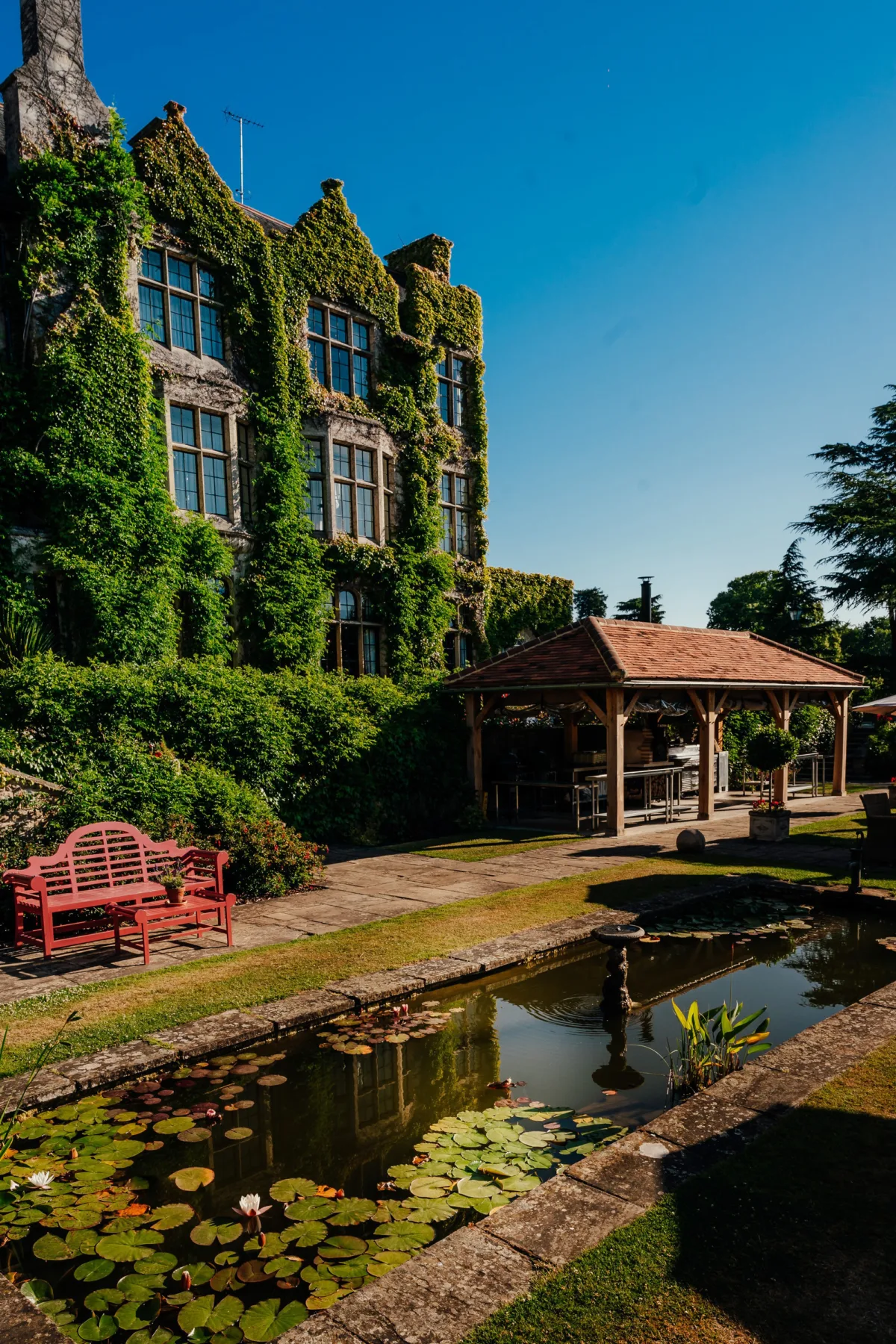
Academic Grandeur and the "Set-Jetting" Phenomenon in Oxford
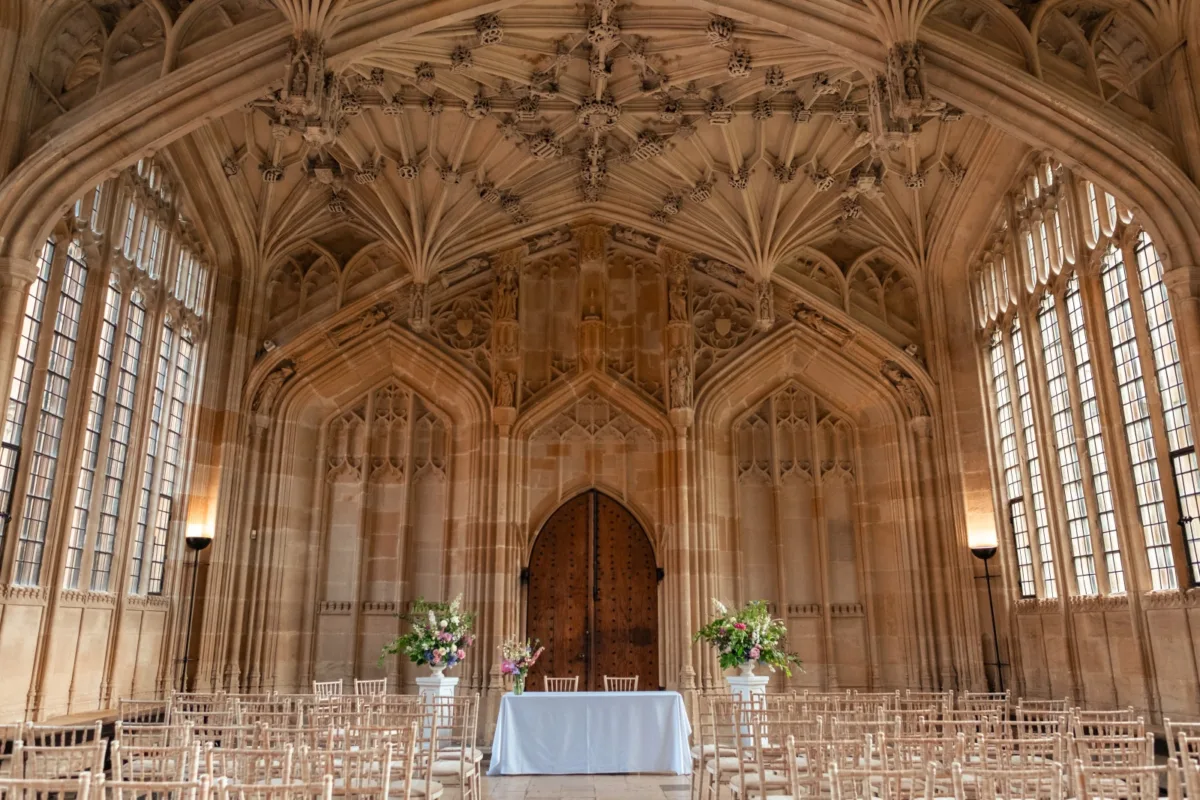
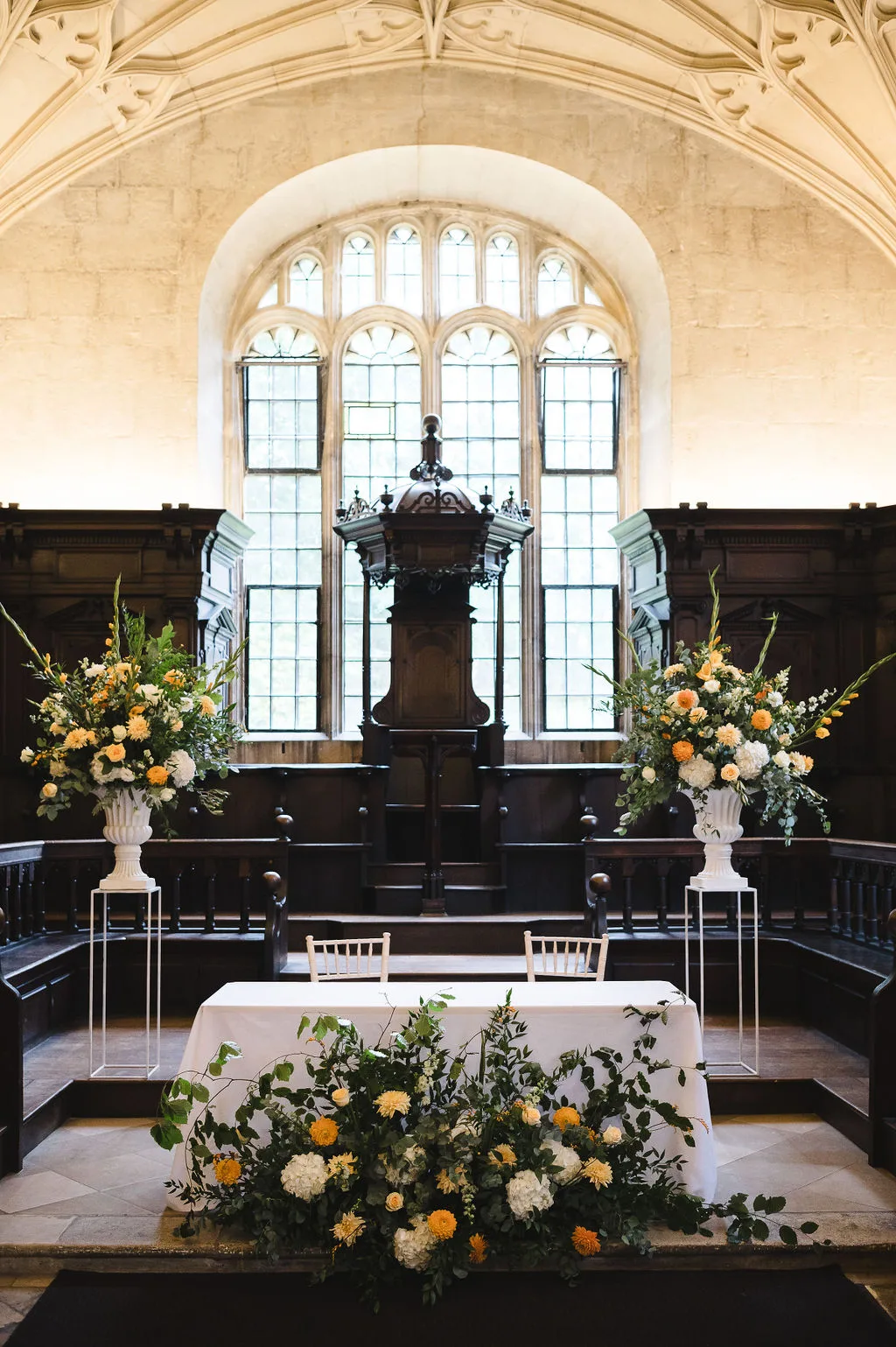
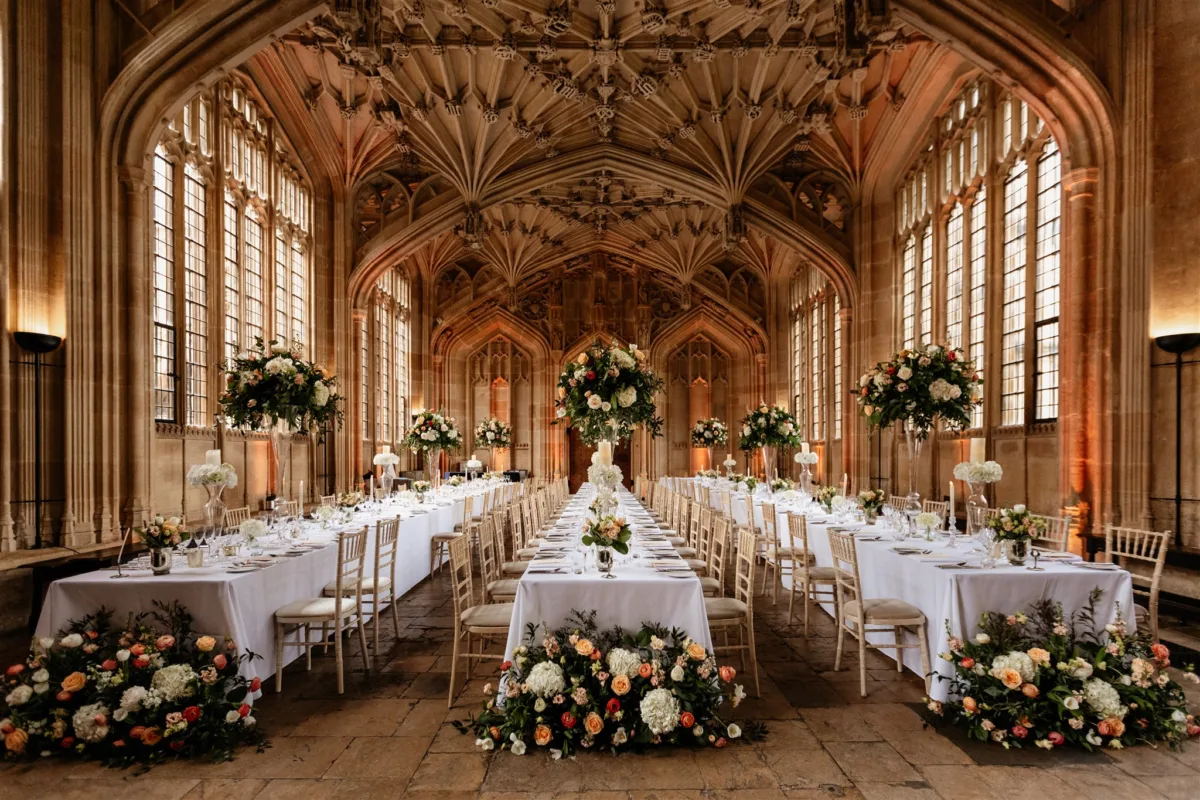
The Bodleian Library at Oxford University represents the pinnacle of Gothic academic architecture. As one of the oldest libraries in Europe, its history spans over five centuries, housing collections that range from Magna Carta copies to rare Shakespearean folios. The Divinity School, completed in 1488, is the library’s premier wedding space, characterized by its intricate stone fan vaulting and 455 carved bosses.
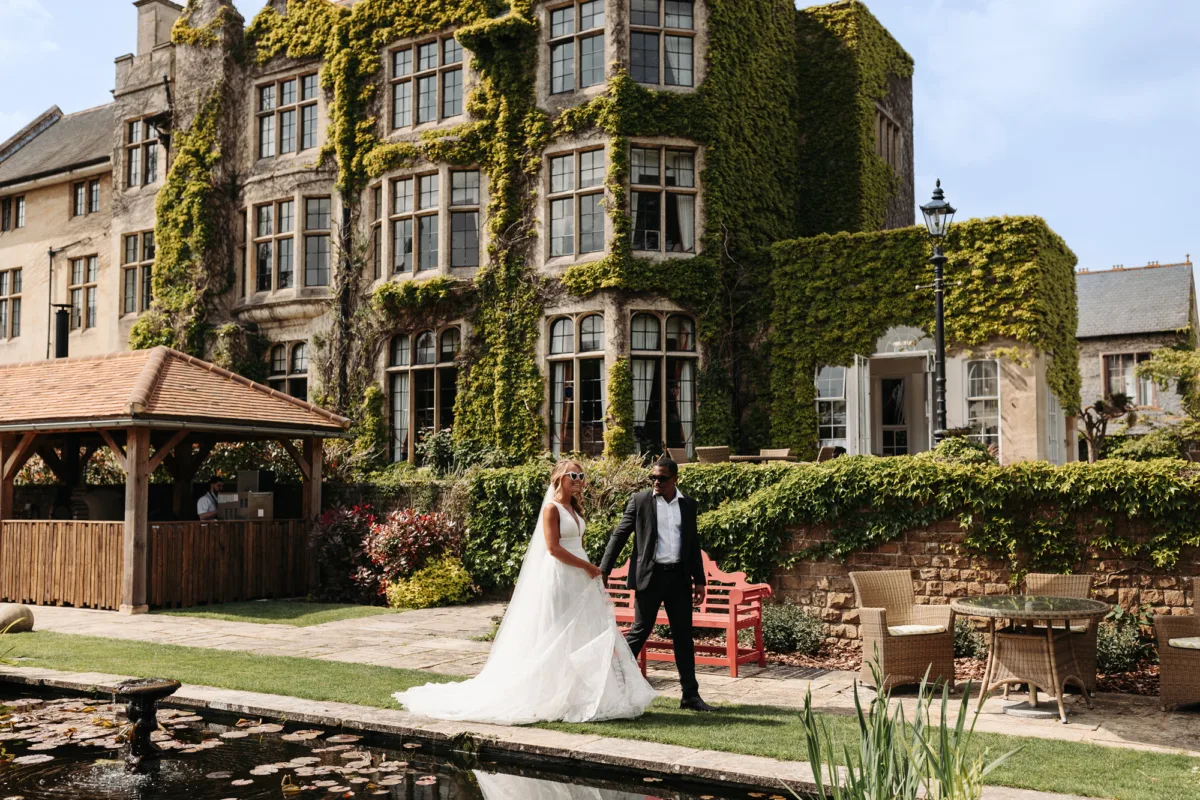
The venue’s appeal is bolstered by "set-jetting"—a travel trend where tourists visit filming locations. The Divinity School famously served as the infirmary in the Harry Potter film franchise, while the nearby Convocation House and Chancellor’s Court offer a more sober, legislative atmosphere for civil ceremonies. Analysts suggest that the intersection of cinematic fame and genuine historical weight allows Oxford venues to command a premium in the global destination wedding market. The Bodleian can accommodate up to 120 guests for a seated dinner, bridging the gap between intimate ceremony and grand reception.
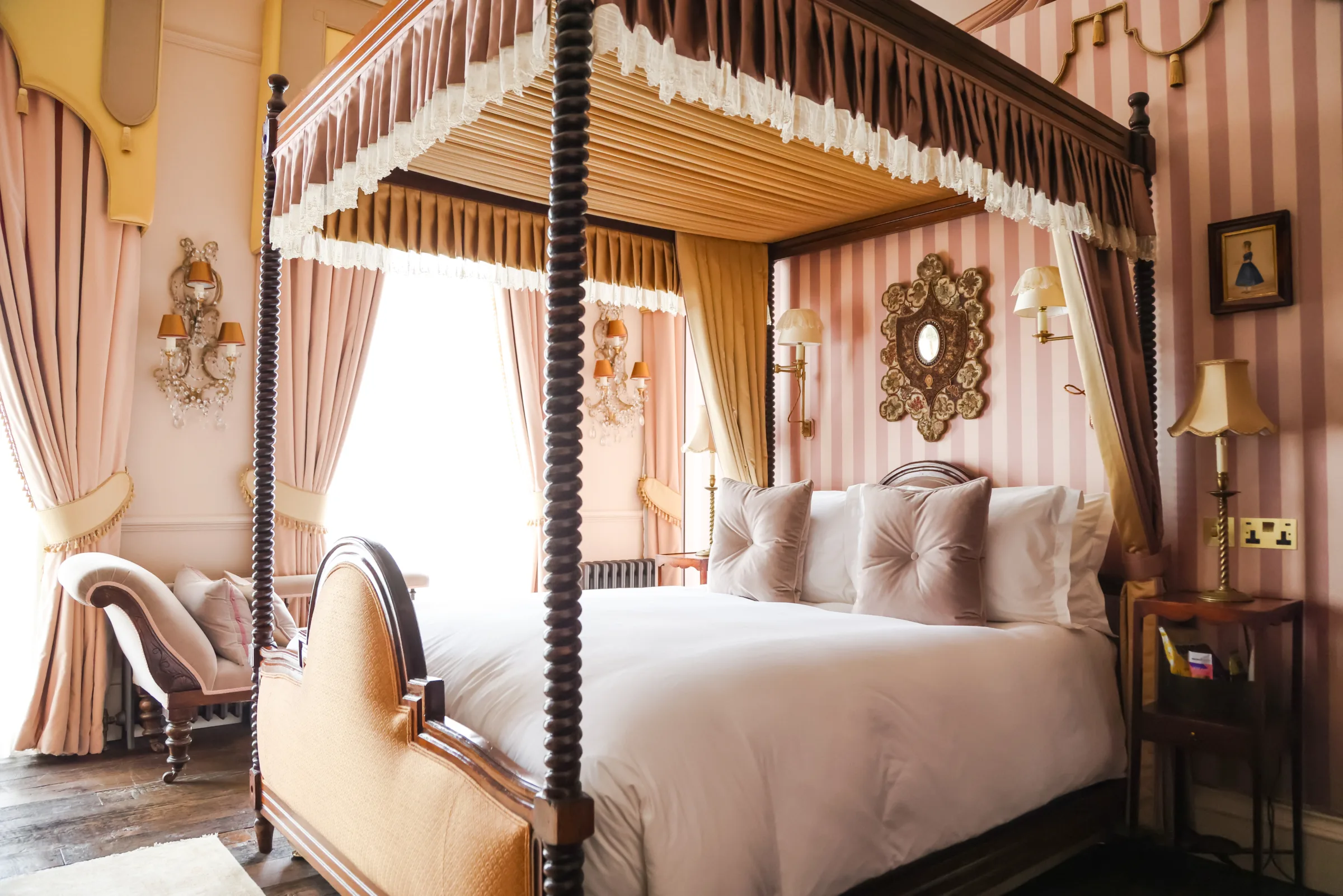
The Golden Age of Mystery: Agatha Christie’s Geographic Legacy
Few authors are as geographically linked to their venues as Agatha Christie. Two distinct UK properties offer couples the chance to integrate the "Queen of Crime’s" biography into their nuptials.
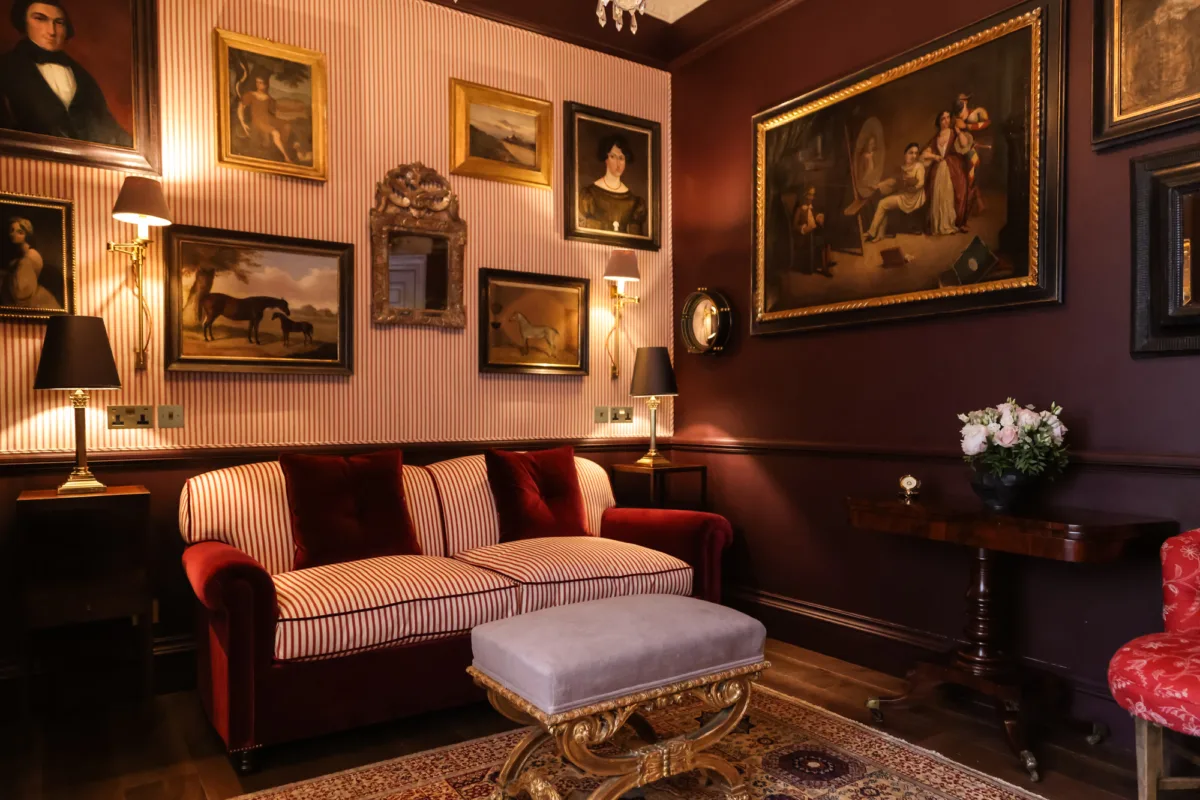
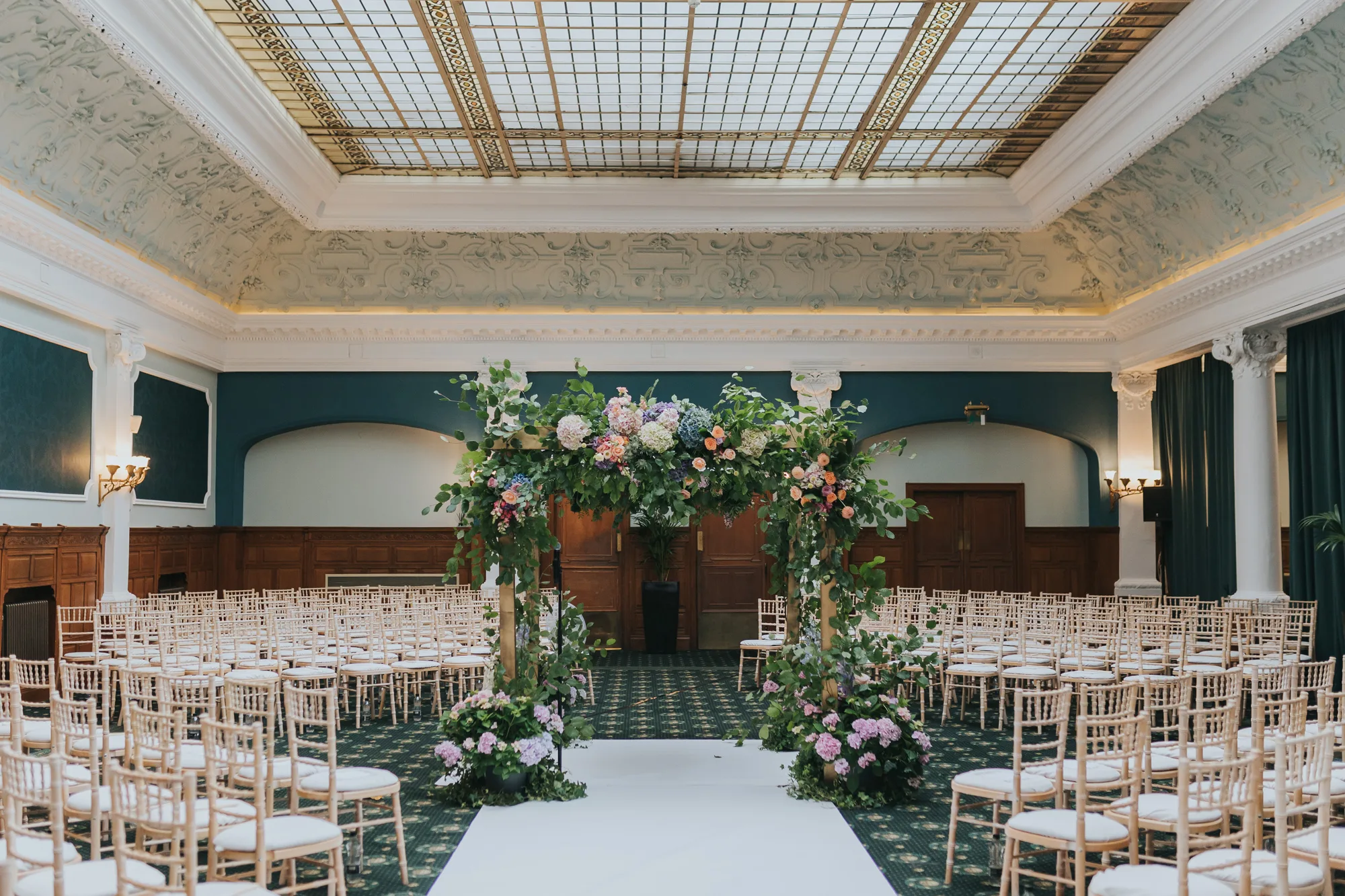
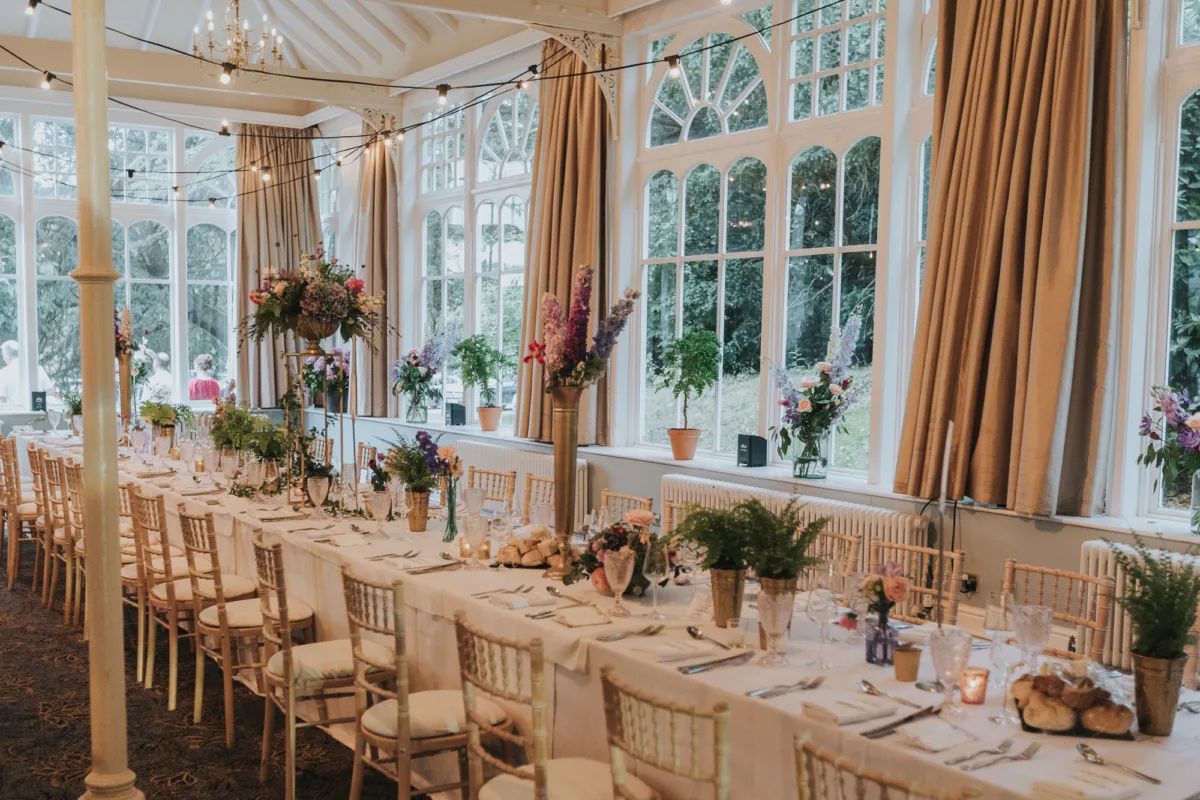
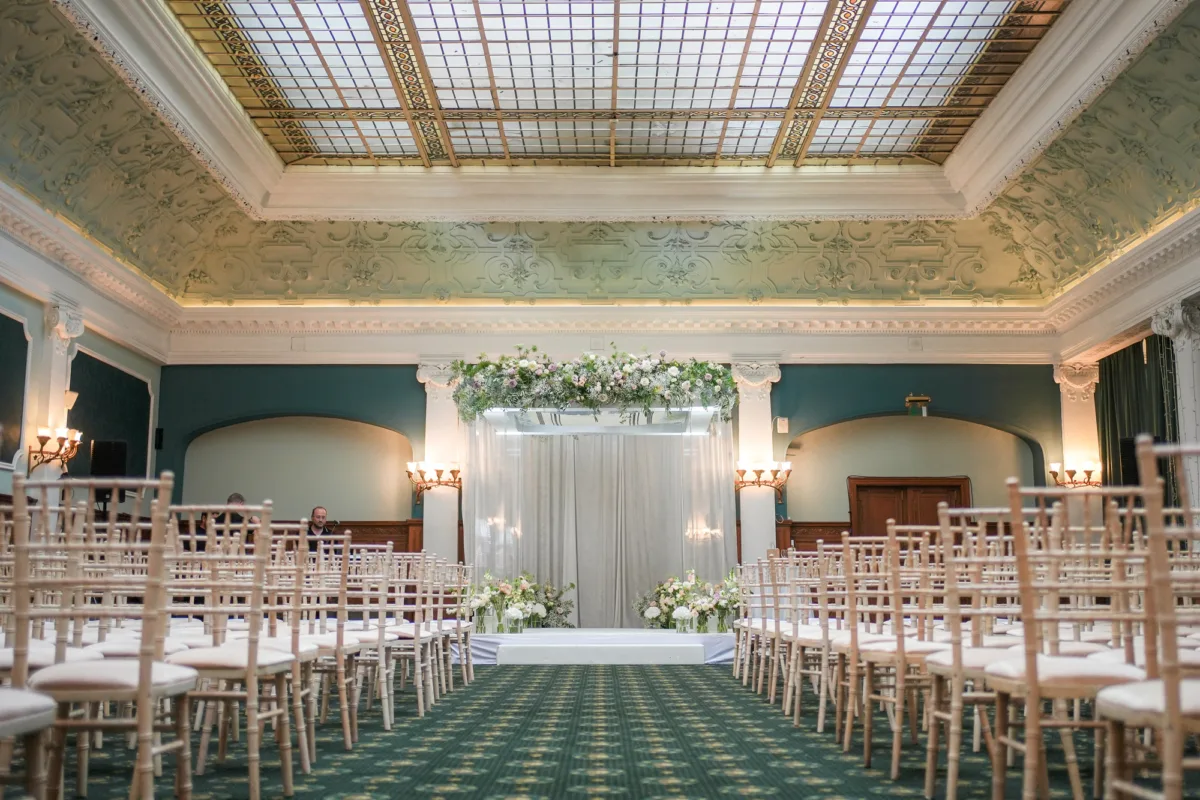
In Harrogate, The Old Swan Hotel remains a site of historical intrigue. In December 1926, Christie famously disappeared from her home in Berkshire, sparking a nationwide manhunt. She was eventually discovered eleven days later at The Old Swan, where she had checked in under the pseudonym of her husband’s mistress. Today, the 200-year-old hotel leverages this mystery, hosting the annual Theakston Old Peculier Crime Writing Festival. The Wedgewood Restaurant, featuring a glass-domed ceiling, provides a late-Victorian setting for wedding breakfasts. The hotel’s wedding team has adapted to current economic pressures by offering "off-peak" and "elopement" packages, reflecting a broader industry move toward pricing flexibility.
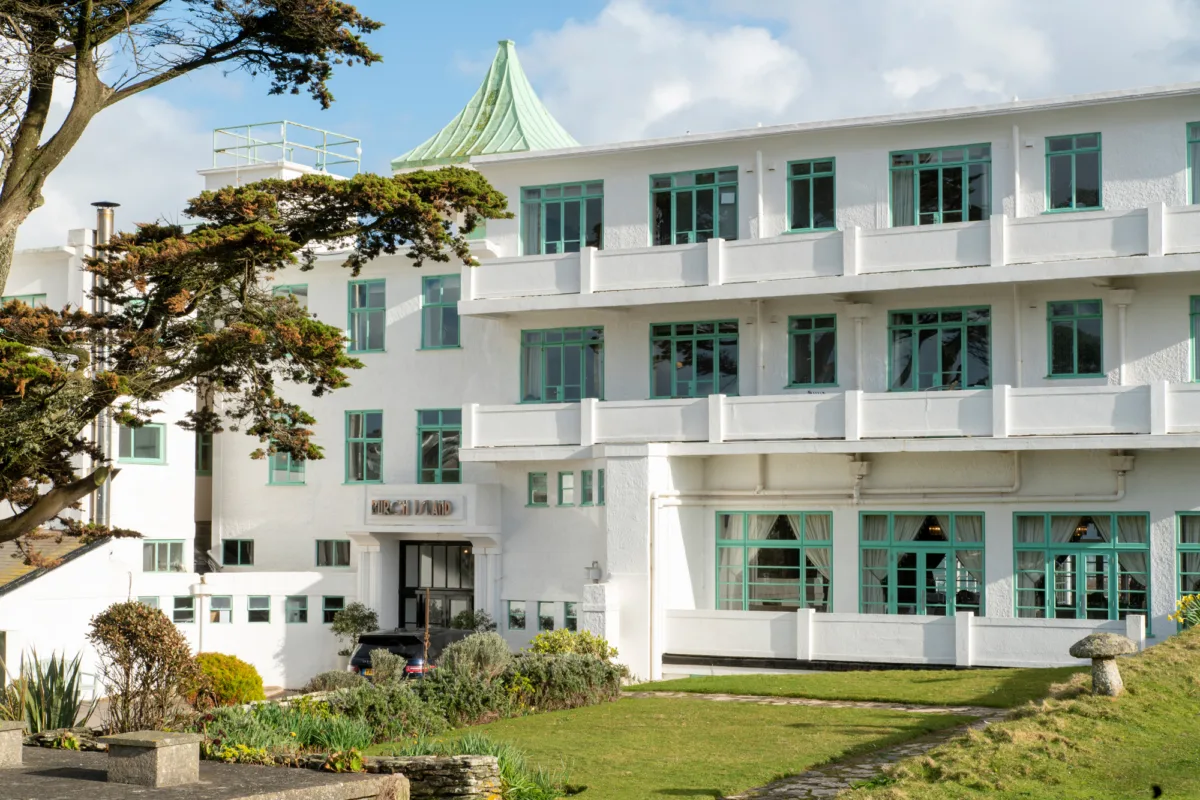
On the South Devon coast, the Burgh Island Hotel offers a different facet of Christie’s life. The Art Deco landmark, accessible only by a sea tractor during high tide, served as a writer’s retreat for Christie. She penned And Then There Were None and Evil Under the Sun while staying in the stilted Beach House suite. The hotel operates as a living museum of the 1930s, maintaining strict dress codes for dinner and featuring original jazz-age murals. For weddings, the hotel requires exclusive hire of its 25 rooms, creating a private island experience that appeals to high-net-worth individuals seeking total seclusion.
The Country House Evolution: Sport, Spa, and Storytelling
The traditional English country house wedding has evolved to incorporate modern wellness and sporting facilities, as evidenced by Pennyhill Park in Surrey. While the 19th-century mansion offers the requisite wood-paneled libraries and grand staircases, it distinguishes itself through its association with elite performance and contemporary literature.
Pennyhill Park serves as the official training base for the England Rugby team, a fact that provides a unique marketing angle for guests interested in British sporting culture. Furthermore, the venue hosts "Between The Covers Live," an event featuring prominent contemporary authors such as David Nicholls and Jojo Moyes. This connection to the modern literary scene allows the venue to market itself to a younger generation of "bookstagrammers" and literary enthusiasts. The property’s 45,000-square-foot spa—one of the largest in the UK—addresses the increasing demand for "wellness-integrated" weddings, where the ceremony is part of a broader retreat focusing on health and relaxation.
Urban Sophistication: Brown’s Hotel and the Mayfair Elite
In the heart of London’s Mayfair, Brown’s Hotel represents the intersection of Victorian hospitality and literary prestige. Established in 1837, it claims the title of London’s first hotel. Its literary credentials are unparalleled: Rudyard Kipling completed The Jungle Book during his stay, and the property served as the inspiration for Agatha Christie’s At Bertram’s Hotel.
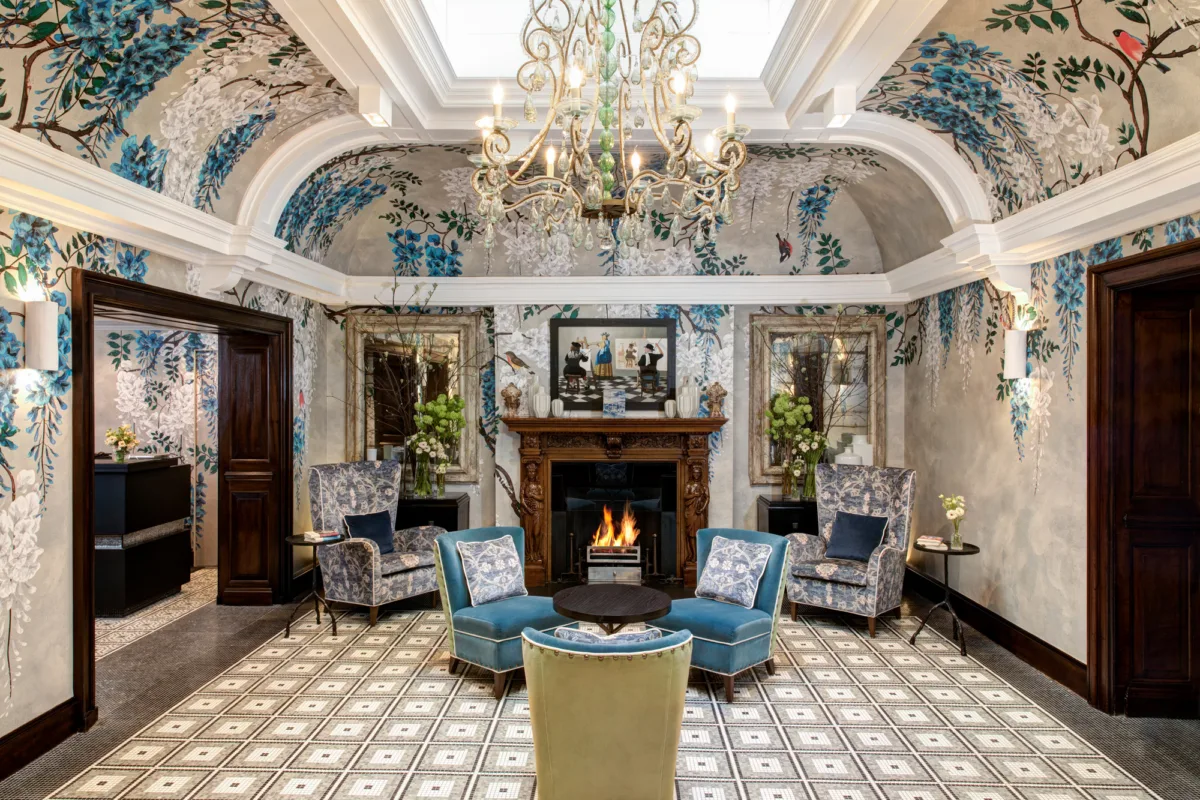
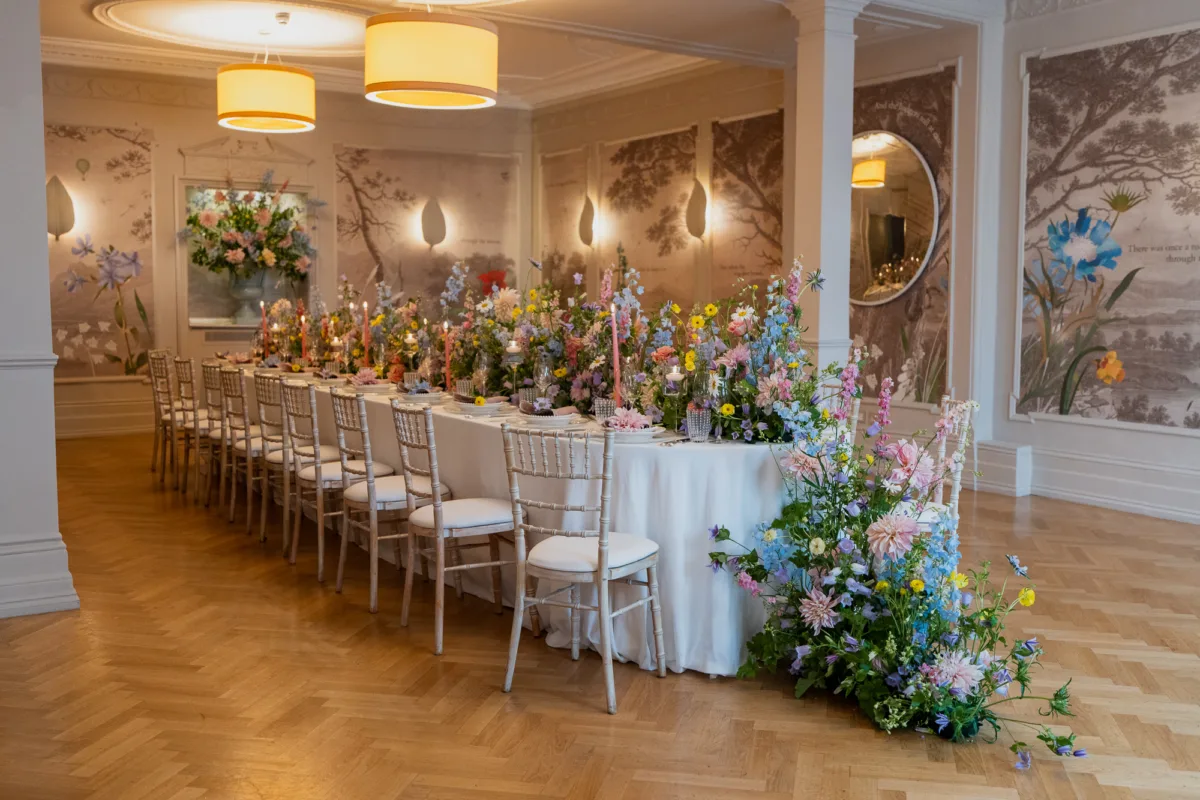
The hotel’s Lord Byron Room, named after the Romantic poet, provides an intimate setting for smaller ceremonies, while the Clarendon Room offers a larger space with hand-painted floral walls. Brown’s has recently collaborated with modern British icons, such as designer Sir Paul Smith, to ensure the historic property remains relevant to contemporary tastes. This blend of "Old World" prestige and modern design is a key driver for the luxury wedding sector in London, where the average spend for a high-end wedding can exceed £100,000.
Chronology of Historical and Literary Milestones
To understand the weight of these venues, one must look at the timeline of their cultural contributions:
- 1488: Completion of the Divinity School at the Bodleian Library, Oxford.
- 1774: Completion of the Royal Crescent in Bath.
- 1837: Opening of Brown’s Hotel, London.
- 1894: Rudyard Kipling completes The Jungle Book at Brown’s Hotel.
- 1926: Agatha Christie’s 11-day disappearance and discovery at The Old Swan, Harrogate.
- 1929: The current Art Deco iteration of Burgh Island Hotel is established.
- 2021-2025: A period of significant anniversaries for Jane Austen and the Georgian architecture of Bath and London.
Economic and Cultural Implications for the UK Wedding Market
The success of these literary and historic venues reflects a broader trend in the "knowledge economy." Couples are no longer satisfied with "blank canvas" venues; they are looking for "narrative-rich" environments. According to data from the National Association of Wedding Professionals (NAWP), venues with a historical or literary USP (Unique Selling Proposition) have seen a 15% higher booking retention rate compared to modern purpose-built venues over the last three fiscal years.
Furthermore, these venues play a crucial role in preserving the UK’s architectural heritage. The revenue generated from weddings often funds the meticulous restoration of Grade I and Grade II listed features. For instance, the maintenance of the Bodleian’s stone carvings or the preservation of the Art Deco fixtures at Burgh Island is directly supported by their commercial operations as event spaces.
Conclusion: The Future of the Narrative Wedding
As the UK wedding industry continues to recover from the disruptions of the early 2020s, the demand for venues that offer a sense of permanence and historical continuity remains robust. By aligning themselves with the legacies of authors like Austen, Christie, and Kipling, these seven venues provide a framework for couples to view their own "love stories" as part of a grander, centuries-old tradition. The synthesis of luxury hospitality and literary history ensures that these properties will remain at the vanguard of the British wedding market for the foreseeable future.