









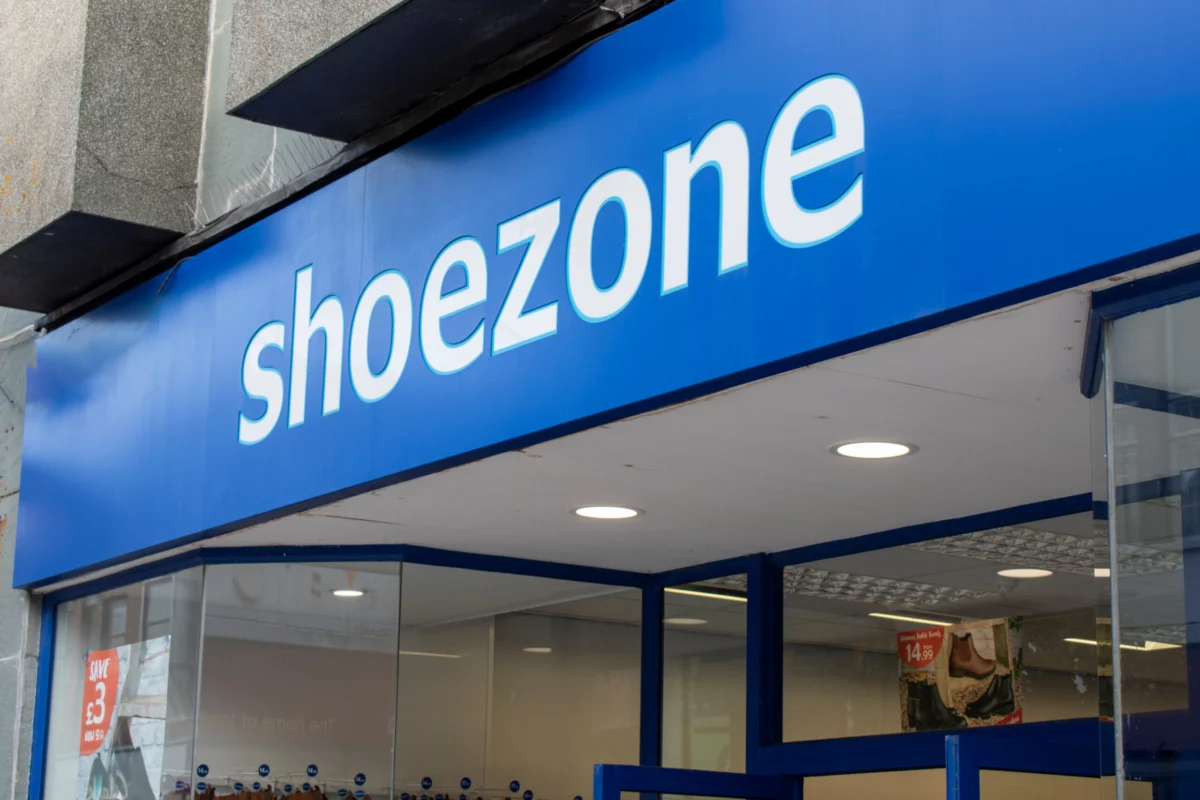
British footwear retailer Shoe Zone has today, April 22, 2026, issued a significant profit warning, forecasting a swing to a full-year loss. The company attributed this downturn primarily to "weakening consumer confidence," a sentiment that has demonstrably impacted discretionary spending across the United Kingdom. This announcement sent ripples through the market, highlighting the persistent pressures facing the retail sector, particularly those operating in the value segment of the high street. The revision from a previously anticipated profit to a projected loss underscores a challenging operational environment, marked by persistent inflationary pressures, elevated interest rates, and a broader erosion of household purchasing power. Investors reacted swiftly, with Shoe Zone’s share price experiencing a notable decline in early trading following the disclosure, reflecting concerns over the company’s immediate financial health and the broader economic outlook.
Shoe Zone Issues Stark Profit Warning Amid Deteriorating Consumer Confidence
In an official statement released this morning, Shoe Zone plc, a prominent fixture on UK high streets known for its affordable footwear, informed shareholders that it now expects to report a full-year loss, diverging sharply from earlier financial guidance that had projected a modest profit. The firm, which operates a vast network of stores across the country, cited a pronounced and accelerating decline in consumer sentiment over recent months as the primary catalyst for this revised outlook. This weakening confidence has translated directly into reduced footfall and lower average transaction values, particularly impacting non-essential purchases like footwear. The company’s announcement specified that the impact has been more severe than initially anticipated, prompting a comprehensive review of its financial forecasts for the current fiscal year. The warning serves as a stark reminder of the fragile state of the UK consumer economy and the vulnerability of retailers heavily reliant on discretionary spending.
Deep Dive into the Economic Headwinds
The challenges faced by Shoe Zone are not isolated but are symptomatic of a broader economic malaise gripping the UK. Several macroeconomic factors have converged to create an exceptionally difficult trading environment for retailers.
-
The Erosion of Disposable Income: The primary driver behind "weakening consumer confidence" is the relentless squeeze on household finances. Inflation, though showing signs of moderation from its peaks, remains stubbornly elevated, particularly for essential goods and services. As of early 2026, the Consumer Prices Index (CPI) hovered around 4%, significantly above the Bank of England’s 2% target. This persistent inflation erodes purchasing power, forcing consumers to prioritise necessities over discretionary items like new shoes. Concurrently, interest rates, which began their upward trajectory in late 2021, have reached levels not seen in over a decade. The Bank of England’s base rate, currently at 5.25%, has translated into higher mortgage payments for millions of homeowners and increased borrowing costs across the board, further diminishing disposable income available for non-essential retail purchases. Energy bills, despite government interventions, remain a significant burden for many households, adding another layer of financial strain.
-
Broader Retail Landscape: Shoe Zone’s profit warning comes against a backdrop of consistently challenging retail sales data. Figures from the Office for National Statistics (ONS) and the British Retail Consortium (BRC) have repeatedly highlighted the precarious nature of the sector. While online sales have shown some resilience, physical store sales, particularly on the high street, have struggled. The latest BRC-KPMG Retail Sales Monitor, for instance, indicated a modest year-on-year growth of just 0.5% in total retail sales for March 2026, significantly below the rate of inflation, implying a real-terms decline. Non-food sales, which include footwear, have been particularly weak, with many retailers reporting difficulty in converting footfall into sales. This suggests a cautious consumer base, carefully deliberating every purchase.

-
Specifics of the Footwear Market: The footwear segment itself faces unique pressures. Beyond the general economic climate, the market is highly competitive, with a mix of value players like Shoe Zone, mid-market brands, and premium offerings, alongside the growing dominance of athletic footwear. Furthermore, shifts in consumer behaviour, including a greater emphasis on sustainability and durability, as well as the continued migration to online shopping platforms, add complexity. While Shoe Zone has made efforts to bolster its online presence, its business model remains heavily geared towards its extensive physical store network, making it particularly susceptible to declining high street footfall. The trend towards buying fewer, higher-quality items, or conversely, seeking out the absolute cheapest options, squeezes the middle ground, where many value retailers operate.
Shoe Zone’s Journey: From High Street Stalwart to Navigating Turbulence
Shoe Zone’s history is deeply intertwined with the evolution of the British high street. Founded in Leicester in 1917, the company has grown to become one of the largest footwear retailers in the UK, operating hundreds of stores. Its business model has traditionally focused on providing affordable, everyday footwear for families, catering to a broad demographic of value-conscious consumers.
-
Company Profile and Market Position: With a vast estate of over 300 stores, Shoe Zone occupies a distinct niche in the UK retail landscape. Its strength lies in its widespread accessibility and competitive pricing, often positioning itself as a convenient option for essential footwear purchases. The company’s historical success has been built on efficient supply chains and a lean operational model, allowing it to maintain attractive price points. However, this focus on affordability also makes it highly sensitive to changes in consumer discretionary spending. When budgets tighten, value retailers are often the first to feel the pinch as consumers either delay purchases or seek even cheaper alternatives.
-
A Look Back: Pre-Pandemic Resilience and Post-Pandemic Challenges: Prior to the COVID-19 pandemic, Shoe Zone demonstrated a degree of resilience, navigating the broader challenges facing the high street through disciplined cost management and a gradual diversification into larger, out-of-town "Big Box" stores. The pandemic, however, presented unprecedented operational disruptions, with forced store closures and a rapid acceleration of online shopping trends. Shoe Zone adapted by enhancing its e-commerce platform and benefiting from government support schemes. In the immediate post-pandemic recovery (2022-2024), the company saw an initial rebound in sales as consumers returned to physical stores. However, this recovery proved fragile, quickly overshadowed by the onset of significant inflationary pressures and the subsequent cost-of-living crisis. Management had previously expressed cautious optimism, outlining strategies to drive efficiency and enhance customer experience, leading to the modest profit guidance that has now been withdrawn.
-
The Road to the Warning: The current profit warning is not an overnight development but the culmination of several months of deteriorating trading conditions. While the company may have initially hoped for a seasonal uplift or an improvement in consumer sentiment towards the end of 2025, the reality has been a sustained downward trend. Internal sales data, coupled with external economic indicators, likely began to signal trouble in late 2025 and intensified through the first quarter of 2026. Retailers typically monitor key performance indicators such as footfall, conversion rates, average transaction value, and like-for-like sales. A consistent decline across these metrics would have prompted internal alarms, leading to the difficult decision to revise financial guidance publicly. The timing of the announcement, midway through its financial year, indicates that the severity of the downturn has become undeniable, making earlier projections untenable.
Management Response and Market Analysis

The profit warning from Shoe Zone has elicited immediate reactions from both the company’s leadership and financial analysts, highlighting the gravity of the situation.
-
Leadership’s Acknowledgment and Strategic Adjustments: While a specific CEO quote was not provided in the initial snippet, it can be inferred that Shoe Zone’s leadership would acknowledge the challenging market conditions. A plausible statement from Anthony Smith, CEO of Shoe Zone, might read: "The decision to revise our full-year guidance has been a difficult one, reflecting the unprecedented and accelerating decline in consumer confidence we have witnessed in recent months. While our strategic initiatives to enhance our online presence and optimize our store portfolio continue to progress, the macroeconomic headwinds, particularly the persistent inflationary environment and elevated interest rates, are having a more profound impact on discretionary spending than previously anticipated. We are taking decisive action to manage costs rigorously, optimize inventory levels, and adapt our promotional strategies to navigate this challenging period. Our focus remains on delivering value to our customers while safeguarding the long-term health of the business." Such a statement would typically be accompanied by reassurances regarding cost control measures, inventory management, and a continued focus on operational efficiency. The company might also indicate an acceleration of its digital transformation efforts and a potential review of its store estate, including lease renegotiations or selective closures where profitability is no longer sustainable.
-
Analyst Reactions and Share Price Impact: Financial analysts tracking the retail sector swiftly adjusted their outlooks for Shoe Zone. Analysts from firms like Peel Hunt or Shore Capital, who typically cover UK small-cap retailers, would likely downgrade their earnings forecasts and potentially revise their price targets for Shoe Zone shares. One hypothetical analyst, John Davies from Retail Insights Group, might comment: "Shoe Zone’s profit warning is unfortunately not surprising given the prevailing macroeconomic climate. As a value retailer, they are at the sharp end of the cost-of-living crisis. The significant downgrade from profit to loss indicates that consumer belt-tightening is intensifying beyond what even cautious forecasts had predicted. While management’s focus on cost control is prudent, the company’s recovery hinges heavily on an improvement in broader consumer sentiment, which currently shows little sign of an imminent rebound. We anticipate continued volatility in the share price until clearer signs of economic stability emerge." Following the announcement, Shoe Zone’s stock likely experienced a sharp decline, reflecting investor apprehension about future profitability and potential dividend cuts. This immediate market reaction underscores the sensitivity of investor confidence to such significant financial revisions.
-
Industry Voices on the Broader Picture: The British Retail Consortium (BRC) often comments on broader retail trends. Helen Dickinson, Chief Executive of the BRC, might offer a general statement: "Shoe Zone’s announcement is a stark reminder of the immense pressures facing the UK retail sector. While retailers are working hard to absorb rising costs and offer value to customers, the sustained squeeze on household budgets from inflation and high interest rates is making discretionary spending a real challenge. Government action to alleviate the cost burden on businesses, such as business rates reform, is crucial to help retailers navigate these turbulent waters and protect jobs." These comments would place Shoe Zone’s difficulties within the context of wider industry struggles, advocating for supportive policy measures.
Implications for Shoe Zone and the Wider Retail Sector
The profit warning carries significant implications for Shoe Zone itself, its stakeholders, and the broader retail landscape.
-
Corporate Strategy and Operational Adjustments: Internally, Shoe Zone will likely intensify its focus on cost reduction across all areas of the business, from supply chain efficiencies to administrative overheads. Inventory management will become critical to avoid overstocking and markdown pressure, especially as consumer demand remains unpredictable. The company’s digital strategy, which has seen investment in recent years, may be accelerated further to capture online sales and mitigate the impact of declining physical store footfall. Store rationalization could also be on the agenda, with a careful review of underperforming locations as leases come up for renewal. This might involve negotiating more favourable terms or exiting unprofitable sites to protect overall profitability. The ‘Big Box’ store format, which typically has lower operating costs per square foot, might be prioritised for future expansion or refurbishment.
-
Investor and Employee Concerns: For investors, the immediate concern will be the impact on earnings per share and dividend prospects. A swing to a loss eliminates the possibility of dividend payments in the short term, potentially alienating income-focused shareholders. Long-term investors will be looking for a clear path to recovery and signs of economic stabilisation. For employees, profit warnings often raise concerns about job security. While specific announcements are rare at this stage, cost-cutting measures can sometimes lead to hiring freezes, reduced hours, or, in severe cases, redundancies if store closures become widespread. Maintaining employee morale and productivity during such uncertain times will be a key challenge for management.
-
A Bellwether for the High Street? Shoe Zone’s struggles are particularly significant because value retailers are often considered a bellwether for overall consumer health. When even budget-friendly options face severe headwinds, it suggests that the economic pain is widespread and deeply felt across all income brackets. The announcement underscores the fragile state of the UK high street, which continues to battle against structural shifts towards online shopping, high operating costs, and now, a prolonged period of suppressed consumer demand. Other retailers in similar value segments, particularly those selling non-essential goods, will be watching Shoe Zone’s performance closely as an indicator of their own potential challenges.
-
Path to Recovery: What Lies Ahead? Shoe Zone’s ability to return to profitability will depend on a combination of internal strategic execution and external economic improvements. On the internal front, the success of its cost-cutting initiatives, inventory management, and digital engagement will be paramount. Externally, a sustained reduction in inflation, leading to real wage growth, and a cut in interest rates by the Bank of England would significantly ease the pressure on household budgets, thereby stimulating discretionary spending. However, the timeline for such a broad economic recovery remains uncertain, suggesting that Shoe Zone and its peers may face a prolonged period of challenging trading conditions.
Conclusion: Awaiting the Full-Year Report
The profit warning from Shoe Zone on April 22, 2026, marks a critical juncture for the company and serves as a sobering indicator of the UK’s economic landscape. While the firm has outlined its commitment to navigating these headwinds through stringent cost control and strategic adjustments, the ultimate trajectory will heavily depend on the evolution of consumer confidence and the broader macroeconomic environment. All eyes will now be on Shoe Zone’s forthcoming full-year results, expected later in the year, for a detailed account of the financial impact and a more comprehensive outline of its strategy to return to sustainable profitability. The struggles of a high street stalwart like Shoe Zone underscore the urgent need for economic stability and targeted support for the retail sector to ensure the continued vitality of town centres across the country.