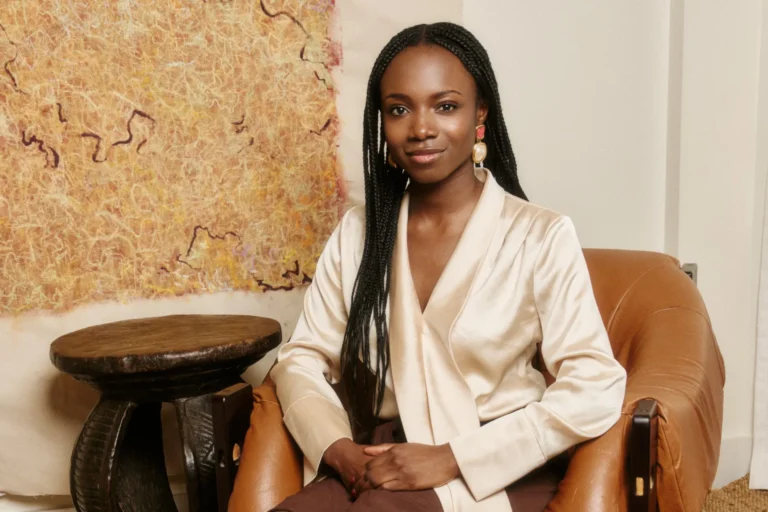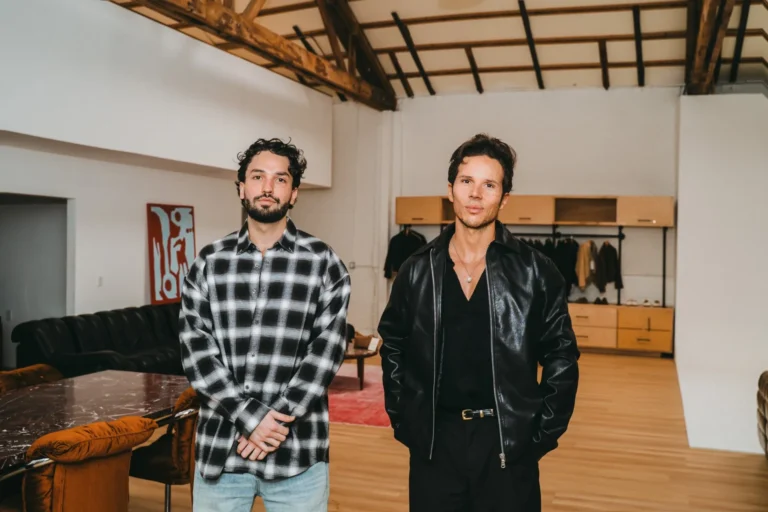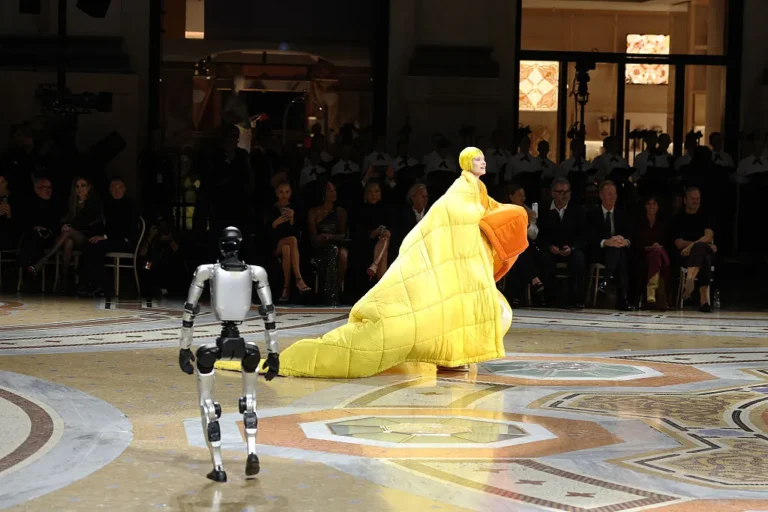




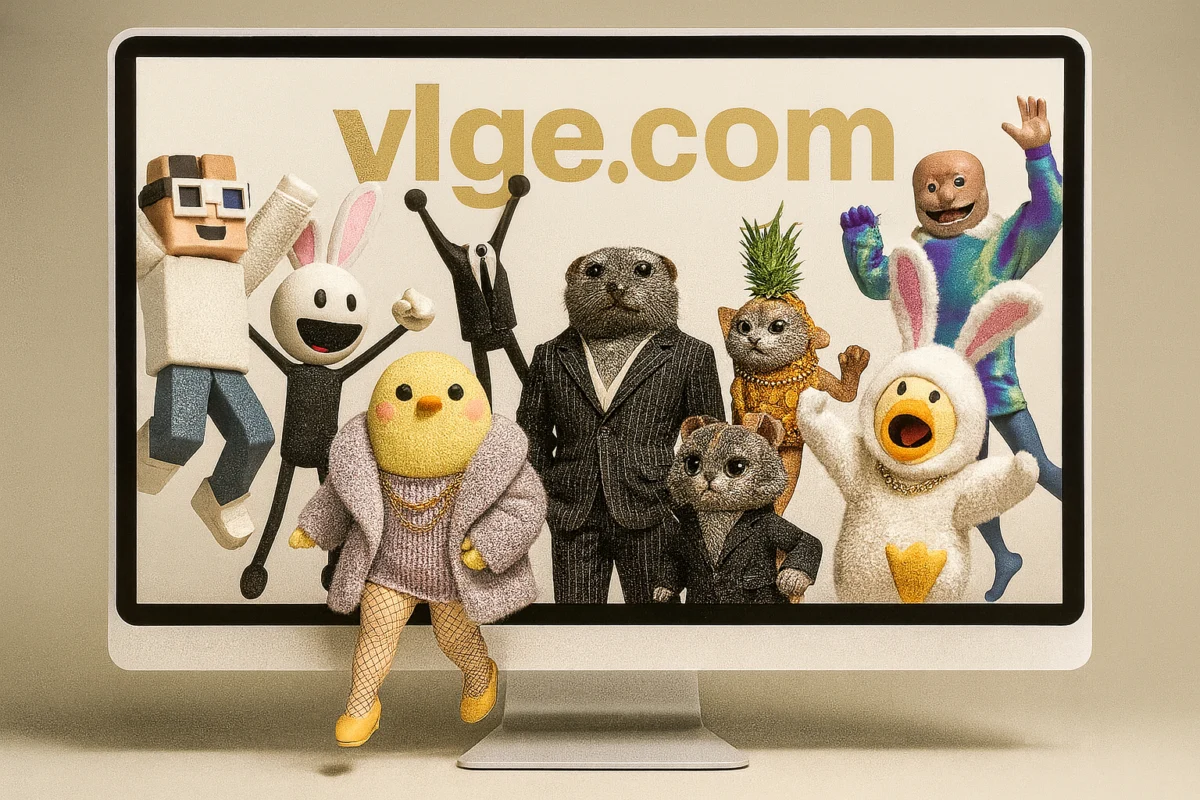
The intersection of high fashion and immersive technology has reached a critical inflection point as VLGE, a pioneering gaming and world-building platform, announces the launch of World Fashion Week. This initiative marks a significant transition in how luxury brands engage with the next generation of consumers, moving away from the carbon-heavy traditions of physical runway shows toward a decentralized, gamified ecosystem. Founded in 2021 by Evelyn Mora, VLGE has positioned itself as the primary architectural bridge between traditional e-commerce and the burgeoning "metacommerce" sector, enabling brands to construct interactive, shoppable environments that can be exported directly to major gaming platforms like Roblox.
The announcement of World Fashion Week represents the first large-scale activation of the VLGE platform, involving 50 fashion brands that will debut their own unique "shoppable worlds." This move is designed to address a long-standing friction point in the industry: the technical and financial barrier to entry for brands seeking a presence in gaming environments. By providing a no-code solution that allows for real-time building across browsers, VLGE is democratizing access to the digital frontier, allowing labels to bypass the traditional six-figure costs and multi-month development cycles associated with custom metaverse builds.
The Genesis of VLGE and the Sustainability Mandate
The origins of VLGE are rooted in the early career observations of Evelyn Mora, an industry veteran who recognized a fundamental disconnect between the sustainability goals of modern designers and the logistical realities of the fashion industry. Traditional fashion weeks, held in hubs like Paris, Milan, and New York, are notorious for their environmental impact, involving massive international travel, temporary construction, and short-lived physical installations. Mora identified that even the most environmentally conscious designers struggled to find a medium that allowed for large-scale storytelling without the accompanying ecological footprint.
Launched in 2021, VLGE was conceived as the solution to this dilemma. By shifting the "theatrical" element of fashion from physical venues to immersive digital worlds, the platform offers a sustainable alternative that does not sacrifice the creative ambition of the brand. This digital-first approach allows for a level of interactivity that physical shows cannot replicate—consumers are no longer passive observers but active participants in a brand’s narrative. The platform’s ability to host interactive content and games provides a deeper level of engagement with Gen Z, a demographic that increasingly prioritizes experiences and digital identity over traditional advertising.
Technical Innovation and the Roblox Frontier
One of the most significant hurdles for brands entering the digital space has been the technical complexity of platforms like Roblox. While Roblox has emerged as a dominant cultural hub for younger demographics, building high-quality, brand-aligned experiences within its ecosystem has traditionally required specialized coding knowledge and significant capital investment. Industry data suggests that hiring a specialized agency to build a custom Roblox world can cost anywhere from $10,000 to $100,000, creating a gatekeeper effect that excludes all but the largest conglomerates.
VLGE disrupts this model by offering a suite of tools that make world-building instant and affordable. The platform’s interoperability is its core strength; worlds built on VLGE can be launched on Roblox without the need for the brand to master Roblox’s proprietary coding language. This "build once, deploy anywhere" philosophy extends beyond Roblox, as VLGE is currently compatible with Unreal Engine and is actively developing integration capabilities for Meta’s Horizon Worlds.
By making digital creation scalable and interoperable, VLGE is bridging the gap between e-commerce and gaming. The platform operates on a tiered subscription model, ranging from a "Freemium" version for independent creators to specialized tiers for small businesses and large enterprises. This structure ensures that the next generation of fashion talent can compete on the same digital stage as established luxury houses.
Strategic Capital and Industry Validation
The rapid scaling of VLGE has been supported by a diverse group of high-profile investors, signaling strong institutional confidence in the future of gamified commerce. The company has raised a total of $5 million in capital to date. Its investor roster includes Lammot J. du Pont of the du Pont family, the L’Oréal Group, and the British Fashion Council. The involvement of these entities highlights the strategic importance of the platform; L’Oréal represents the beauty sector’s interest in virtual "try-on" experiences, while the British Fashion Council reflects the institutional shift toward digital innovation in the UK’s fashion landscape.
VLGE’s portfolio of past collaborators further validates its market position. The platform has successfully executed projects for prestigious names such as Lancôme, Charlotte Tilbury, and Vogue Scandinavia. These partnerships have demonstrated the platform’s versatility, moving beyond simple 3D galleries to create complex, gamified environments where users can interact with products in a social setting.
World Fashion Week: A New Standard for Digital Events
The upcoming World Fashion Week is poised to be the largest demonstration of VLGE’s capabilities. By hosting 50 brands simultaneously, the event will serve as a proof-of-concept for the future of the industry. Each participating brand will offer a shoppable experience where users can purchase both physical merchandise and 3D digital assets. These digital assets, often referred to as "skins" or "wearables," can be exported directly into Roblox, allowing users to outfit their avatars with luxury items.

This "phygital" retail model—the blending of physical and digital products—addresses the growing demand for digital self-expression. As younger consumers spend more time in virtual environments, the value of digital clothing is beginning to rival that of physical apparel. World Fashion Week acts as a bridge for creators to launch these shoppable games, effectively turning a marketing event into a direct revenue generator.
Market Context: The Shift Toward Gamified Commerce
The rise of VLGE occurs against a backdrop of shifting consumer behavior. Recent market analysis indicates that Gen Z and Alpha generations view gaming platforms not just as entertainment hubs, but as social networks and shopping malls. Roblox alone reports over 70 million daily active users, many of whom spend hours exploring user-generated content. For fashion brands, the challenge has been how to enter these spaces authentically without appearing intrusive.
Gamified commerce provides the answer. By embedding products within a game or an interactive story, brands can foster a sense of community and play. VLGE’s infrastructure allows brands to create "loyalty games" and interactive quests that reward users for engagement, creating a much higher conversion rate than traditional display ads or social media posts.
Furthermore, the economic implications of this shift are profound. Traditional e-commerce is often a solitary, transactional experience. In contrast, VLGE-powered worlds are social by design. Users can shop with friends, attend virtual launches, and participate in community events, mirroring the social aspects of physical shopping while removing the geographical constraints.
Broader Implications for the Global Fashion Industry
The success of VLGE and the launch of World Fashion Week suggest a permanent change in the fashion hierarchy. As digital worlds become more sophisticated, the role of the traditional "fashion show" may be relegated to a niche, high-luxury tier, while the majority of consumer interaction moves to the digital plane.
Mora’s vision extends beyond mere aesthetics; it is about the infrastructure of commerce. By creating a platform that is interoperable across different engines and metaverses, VLGE is laying the groundwork for a future where a consumer’s digital wardrobe is as portable and valuable as their physical one. This interoperability is a key requirement for the "open metaverse" concept, where users are not locked into a single platform’s ecosystem.
Industry analysts suggest that the move toward gamified, 3D retail could help brands reduce return rates—a multi-billion dollar problem in fashion e-commerce. Immersive environments allow for better visualization of products and a more "tangible" understanding of a brand’s aesthetic, leading to more informed purchasing decisions.
Conclusion: The Future of the Next-Gen Frontier
As VLGE prepares to launch its dedicated e-tail store, the company is positioning itself as a central hub for the next generation of retail. The store will feature a curated selection of physical items from emerging brands alongside the 3D assets that power the Roblox ecosystem. This dual-revenue stream highlights the pragmatism of Mora’s approach: acknowledging the continued importance of physical goods while aggressively capturing the growth of the digital asset market.
World Fashion Week is not merely a promotional event; it is a demonstration of a new technological standard. By removing the cost and complexity of digital world-building, VLGE is ensuring that the future of fashion is dictated by creativity rather than technical budget. As the 50 participating brands go live, the industry will be watching closely to see how these shoppable games translate into consumer loyalty and sales.
In the words of Evelyn Mora, this moment is about more than fashion—it is about the "infrastructure that will power the next generation of commerce." As the lines between gaming, social media, and retail continue to blur, platforms like VLGE are no longer optional experiments for brands; they are the essential tools for survival in a digital-first economy. The transition from the runway to the Roblox server is well underway, and with $5 million in backing and a roster of global luxury partners, VLGE is leading the charge into this new frontier.