
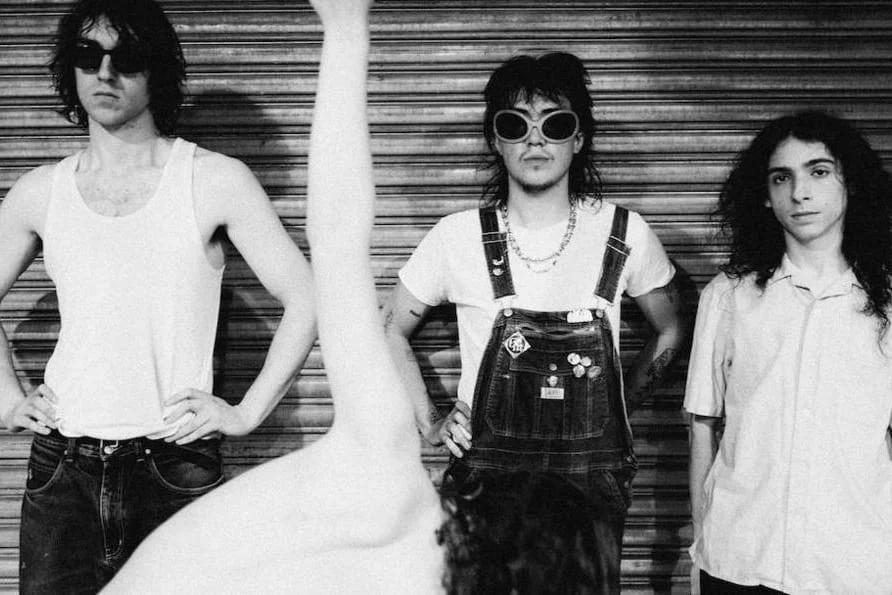
The recent allegations that Gen Z rock band Geese are a "psy-op" have ignited a fervent debate, transcending the familiar accusations of "industry plant" to question the very fabric of authenticity in contemporary music discovery. This controversy centers on the Brooklyn-based quintet, widely acclaimed as a generational voice harking back to an analogue era of rock, now facing scrutiny over their meteoric rise. The term "psy-op," implying a level of insidious control far beyond conventional major-label backing, has thrust Geese into the eye of a storm, forcing fans and industry observers alike to confront uncomfortable truths about how our musical tastes are shaped in the digital age.
The Enduring Specter of the "Industry Plant" in a Digital Era
The concept of an "industry plant" is not new in the music world, referring to artists who appear to achieve organic success but are, in fact, heavily backed by record labels or powerful industry figures, often with their support carefully concealed. Historically, this might have involved strategic radio play, exclusive club bookings, or carefully curated media narratives designed to cultivate an image of grassroots appeal. Over the decades, artists from various genres have faced such accusations, from early 2010s acts like The Tramp Stamps and Raury, often before fading into relative obscurity, to more contemporary figures. The underlying sentiment is usually one of betrayal – fans feel manipulated when they discover that their beloved "underdog" artist had a significant, unacknowledged leg up.
What distinguishes the "Geese-gate" saga from these earlier iterations is the term "psy-op," a psychological operation, which suggests a more sophisticated and arguably more sinister form of manipulation. This shift reflects the evolution of music marketing from traditional public relations and A&R strategies to the intricate world of social media algorithms, data analytics, and covert digital campaigns. In an era where authenticity and direct connection with fans are paramount, the idea that an artist’s entire narrative could be meticulously engineered by an external entity strikes at the heart of consumer trust and the romanticized notion of genuine artistic discovery. It posits that not only is the backing present, but the very perception of a band’s identity and popularity is being actively constructed and disseminated through carefully controlled channels, blurring the lines between genuine fandom and targeted influence.
The Genesis of "Geese-gate": A Detailed Chronology
The controversy surrounding Geese began to unravel not with a whisper, but with a series of public revelations that quickly cascaded into a full-blown industry reckoning. Geese themselves had enjoyed a rapid ascent since their formation in 2016 and subsequent signing with Partisan Records, releasing their debut album Projector in 2021 to widespread critical acclaim. Their sound, often described as a blend of post-punk and art-rock with a nostalgic, analogue feel, resonated deeply with Gen Z audiences, earning them a reputation as one of the most exciting new bands in years. They cultivated an image of artistic integrity, seemingly untouched by the overt demands of social media virality.
The first crack in this carefully constructed façade appeared last month, when Billboard Pro published an illuminating interview with Chaotic Good, a digital marketing company that boasts about its unparalleled ability to "make impressions on anything." The interview detailed their sophisticated tactics, including the deployment of a "fleet of agency-run fan pages" and "advanced algorithmic manipulation" to engineer viral success for their clients. While the interview initially flew under the radar for many, its implications for the authenticity of online music trends were profound.
The narrative gained significant traction with a Substack post titled "Fake Fans" by musician Eliza McLamb, published in early April. McLamb, delving into the practices of digital marketing agencies, made a critical discovery: Chaotic Good’s website, at the time, explicitly listed Geese alongside other artists like Oklou and Mk.gee as clients. McLamb’s post meticulously outlined Chaotic Good’s self-proclaimed prowess in generating online buzz and described their ability to engineer artist success as "unfair," particularly in a landscape where genuine organic growth is increasingly difficult for independent musicians. The revelation that a band like Geese, perceived as a beacon of analogue authenticity, was employing such sophisticated digital strategies sent shockwaves through the music community. Following McLamb’s exposé, Chaotic Good allegedly purged its website of its client list, a move interpreted by many as an admission of guilt or an attempt to obscure their operational scope.
The controversy finally exploded into mainstream consciousness on April 14, when Wired magazine ran a provocative article titled: "The Fanfare Around the Band Geese Actually Was a Psyop." This article served as the ultimate catalyst, cementing the term "psy-op" in the public discourse surrounding Geese and officially initiating "Geese-gate." The use of such a loaded term, traditionally associated with military and political disinformation campaigns, underscored the perceived severity of the manipulation at play, elevating the debate beyond mere industry-plant accusations. The rapid succession of these events—from a boastful interview to a critical exposé and then a mainstream media exposé—created a timeline of revelations that dismantled the perceived organic nature of Geese’s rise.
The Digital Marketing Machine: How "Psy-Ops" Operate
At the heart of the "psy-op" allegation lies Chaotic Good’s reported methodology, which represents the cutting edge of digital music marketing. Their strategies go far beyond traditional advertising, aiming instead to simulate organic virality and fervent grassroots support. This involves several key tactics:
- Agency-Run Fan Pages: Chaotic Good reportedly manages a network of ostensibly independent fan accounts across various social media platforms. These pages, designed to appear as genuine expressions of fan devotion, actively promote artists, share content, and engage in discussions, effectively creating a manufactured ecosystem of support. This astroturfing gives the illusion of widespread, spontaneous adoration.
- Advanced Algorithmic Manipulation: Leveraging deep understanding of social media algorithms, particularly those on platforms like TikTok and Instagram, Chaotic Good strategically deploys content to maximize visibility and engagement. This can include optimizing posting times, using trending sounds or hashtags, and creating content designed to trigger algorithmic boosts. The goal is to make an artist’s music or persona appear to be naturally "breaking through" the noise.
- Narrative Control: Beyond simple promotion, these agencies can also shape the narrative around an artist. By controlling multiple "fan" accounts and engaging in targeted commentary, they can amplify certain aspects of an artist’s image, deflect criticism, or even generate specific talking points that then spread through genuine fan communities.
This approach marks a significant departure from traditional music marketing. Decades ago, securing radio airplay often involved publicists wining and dining DJs, or labels investing heavily in physical promotions. While ethically grey areas existed, the methods were generally more transparent. Today, the scale and subtlety of digital manipulation are vastly different. The global music market is a behemoth, having grown significantly year-on-year, with digital revenues now forming the dominant share. In 2023, the global recorded music industry generated over $28.6 billion, with streaming accounting for more than two-thirds of this revenue. Marketing budgets have consequently shifted, with digital promotion becoming a critical battleground. Research indicates that music labels and artists are investing billions annually in digital marketing, leveraging the pervasive reach of social media platforms like TikTok, which has become an undeniable kingmaker for emerging artists. The increasing sophistication of AI and data analytics further empowers agencies like Chaotic Good to identify trends, target demographics with pinpoint accuracy, and create highly effective, albeit often opaque, campaigns.
Fan Reactions and the Defense of Authenticity
The immediate aftermath of the Wired article saw a wave of intense emotional reactions from Geese’s fanbase. Many expressed anger, not necessarily at Chaotic Good’s practices in isolation, but at the insinuation that their personal affection and connection to the band’s music were anything less than genuine. Direct messages and online comments reflected a sense of betrayal and defensiveness, with terms like "pathetic journalism," "clickbait," and "fake news" frequently hurled at the reporting. For these fans, the music of Geese had genuinely resonated, captivating young people in a way few rock bands had managed in years, and no amount of marketing wizardry, they argued, could fully account for that profound connection.
Journalist