












The intersection of high finance, speculative trading, and the enthusiast world of luxury watches has taken a new and potentially contentious turn with the announcement of a partnership between Bezel, a prominent online pre-owned watch marketplace, and Kalshi, a regulated exchange for event contracts. This collaboration, revealed in March 2026, establishes the first-ever prediction markets dedicated to the fluctuating values of iconic timepieces. The move has ignited debate within the horological community, drawing parallels to the burgeoning sports betting landscape and prompting discussions about the nature of investment, speculation, and the intrinsic value of collectible watches.
Genesis of a Novel Market
The partnership leverages Bezel’s extensive data on pre-owned watch transactions, providing a foundational dataset for Kalshi’s prediction market infrastructure. The core concept allows users to trade contracts based on whether the market value of specific luxury watches will rise or fall by a predetermined future date. This innovative approach moves beyond traditional buying and selling of physical assets, introducing a derivative layer to the watch market.

Kalshi, founded by former Wall Street traders, has positioned itself as the "largest prediction market in the world," offering contracts on a wide array of events, from political outcomes to economic indicators. The expansion into the luxury watch sector signifies a growing trend of applying financial market principles to niche asset classes. Bezel’s contribution of real-time and historical pricing data is crucial, as the accuracy and depth of this information will directly influence the liquidity and perceived legitimacy of the prediction markets.
The "Alarm Bells" and Underlying Rationale
The introduction of prediction markets for luxury watches has not been without its critics. Some observers, referencing the widespread adoption of mobile sports betting among younger demographics, have expressed concern that such a development could further blur the lines between collecting, investing, and gambling. Michael Lewis’s widely discussed podcast series on gambling, which highlighted the pervasive nature of mobile betting, serves as a frequent point of reference in these discussions, underscoring a societal shift towards more accessible and immediate forms of speculative engagement.
However, proponents and some industry analysts suggest that these markets offer more than just a speculative outlet. The Openwork Podcast, a platform for horological discourse, has explored the potential for these markets to serve as a hedging mechanism for watch collectors and dealers. For individuals holding significant inventories of pre-owned luxury watches, the ability to bet against the future value of their assets could provide a form of downside risk mitigation. If the market price of a particular watch depreciates, a successful short position on Kalshi could offset some of the financial losses incurred on the physical asset. This perspective frames the markets as a sophisticated financial tool rather than mere gambling.

Analyzing the Implications: Smart Money vs. Dumb Money
The distinction between "smart money" and "dumb money" is a recurring theme in financial discussions, and it is particularly relevant here. "Smart money" would theoretically utilize the Bezel-Kalshi prediction markets for strategic hedging or to gain insights into market sentiment. This could involve experienced collectors or dealers who possess a deep understanding of the watch market’s dynamics, including factors like brand reputation, scarcity, historical significance, and current trends.
Conversely, "dumb money" might enter these markets driven by hype, fleeting trends, or a misunderstanding of the underlying mechanics, potentially leading to significant financial losses. The advice attributed to Michael Lewis, questioning financial advisors about their involvement in platforms like DraftKings, FanDuel, or Kalshi, underscores a cautionary sentiment: a professional advisor deeply engaged in speculative betting might not be the most prudent choice for traditional investment guidance.
Historical Context and Market Dynamics
The luxury watch market has experienced unprecedented growth and volatility in recent years. The period leading up to 2026 saw record-breaking auction results for certain iconic timepieces, followed by a correction and stabilization in certain segments. Factors influencing these shifts include global economic conditions, the rise of social media influencers promoting specific models, and the increasing accessibility of pre-owned watches through online platforms like Bezel.

The introduction of prediction markets could further amplify these price fluctuations or, conversely, introduce a stabilizing force by revealing a more comprehensive understanding of market expectations. The data Bezel provides, drawing from millions of transactions, offers a granular view of market sentiment. Kalshi’s platform then translates this sentiment into tradable contracts, creating a dynamic feedback loop.
Case Study: The 1972 Heuer Autavia 1163T "Siffert"
To illustrate the potential application of these markets, consider a highly sought-after vintage timepiece like the 1972 Heuer Autavia 1163T "Siffert." This watch, steeped in racing heritage and associated with legendary figures, has seen significant appreciation in value. A collector or dealer specializing in such pieces could, in theory, use the Kalshi platform to place a contract predicting a decline in the "Siffert" Autavia’s market price within the next six months. If factors such as a shift in collecting trends or the release of a highly anticipated reissue of a similar model lead to a price drop, the prediction market contract could yield a profit, hedging the potential loss on the physical watch.
Conversely, if market sentiment suggests continued demand and potential price increases, investors could bet on the appreciation of the "Siffert" Autavia, seeking to profit from the predicted upward trend without necessarily acquiring the physical watch. This speculative element, while potentially lucrative, also carries inherent risks.
Broader Industry Reactions and Future Outlook
The watch industry, known for its traditionalist leanings, is likely to react with a mixture of intrigue and skepticism. For established brands, the rise of speculative trading in their products could be viewed with concern, potentially impacting brand perception and long-term value. However, some might see it as a validation of their product’s desirability as an asset class.
The partnership between Bezel and Kalshi represents a significant experiment in financial innovation within the luxury goods sector. The success and long-term viability of these prediction markets will depend on several factors:
- Market Liquidity: Sufficient participation is required for these markets to be liquid and for trades to be executed efficiently.
- Data Integrity: The accuracy and transparency of Bezel’s data will be paramount to building trust among traders.
- Regulatory Oversight: Kalshi operates under regulatory frameworks, but the specific nuances of trading contracts based on watch values will be closely watched.
- Collector and Investor Engagement: The willingness of the horological community and the broader investment world to engage with this new form of trading will ultimately determine its impact.
As the market matures, it will be crucial to monitor the trends and patterns that emerge. The ability to predict and potentially profit from the fluctuating fortunes of luxury watches introduces a new dimension to the world of horology, one that could redefine how these coveted objects are perceived and valued in the years to come.

Related Industry Developments
This venture into financial markets for watches occurs against a backdrop of dynamic shifts within the broader luxury watch industry.
Swatch Group’s Response to Financial Scrutiny
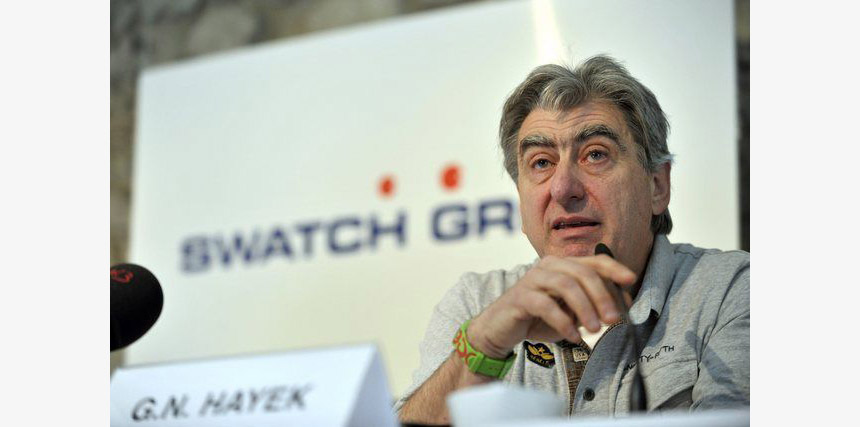
In a notable development that highlights the financial pressures facing major players, the Swatch Group issued a public response to a critical report by Morgan Stanley. The annual "Swiss Watcher" report, a key source of financial analysis for investors in the Swiss watch industry, indicated a significantly weaker performance for Swatch Group brands in 2025 than previously anticipated. While the Swatch Group disputed certain figures, their net profit margin of 0.4% for the year, as acknowledged in the report, suggests a challenging operational period. This public exchange underscores the increasing demand for financial transparency in an industry traditionally characterized by opacity, and the potential impact of financial performance on brand perception and investor confidence.
The Enduring Importance of Leadership in Watchmaking
The discourse surrounding leadership within watch brands continues to be a significant topic. Reports from various outlets, including aBlogtoWatch, have emphasized the pivotal role of strong leadership in revitalizing brands and navigating market challenges. The article "According to Ariel: How Important Is A Watch Brand CEO Or Leader?" highlights how effective leadership, exemplified by figures like Giorgio Galli at Timex and Guido Terreni at Parmigiani Fleurier, can lead to significant positive turnarounds. Conversely, frequent executive changes, as observed at TAG Heuer, can signal instability and hinder brand progress. This focus on leadership underscores the human element in brand strategy and its direct correlation to market success and collector perception.

The Future of Swiss Watchmaking and Government Support
The Swiss government’s "Réduction de l’Horaire de Travail" (RHT) program, designed to support employees during periods of reduced work, has become a critical tool for the Swiss watchmaking industry. As reported by the Financial Times, the program, which has been extended multiple times beyond its initial 12-month limit to now 24 months, faces a potential end in July 2026 if not further extended. This scheme allows companies to retain staff while reducing working hours, with the government subsidizing a portion of lost wages. The debate around extending this program raises questions of "moral hazard," as continuous reliance on government support could potentially disincentivize structural reforms or adaptation to market changes within the industry. The implications of this program’s conclusion, or its continued extension, will be closely monitored for its impact on employment and the operational resilience of Swiss watch manufacturers.
Preserving Industrial Heritage: The Timex Headquarters Case
The preservation of industrial heritage is gaining prominence, as illustrated by the ongoing efforts to save the former Timex headquarters building in Waterbury, Connecticut. The Cultural Landscape Foundation has joined advocates in this cause, highlighting the building’s significance as a piece of recent American heritage. The situation is complicated by local development plans and legal challenges, with the case heading to the state Appellate Court. This struggle underscores the broader societal interest in preserving architectural landmarks tied to industrial history, even as economic development pressures mount. The outcome of this legal battle will be significant for the future of the building and the recognition of such sites as valuable cultural assets.
Bonus Reading: Notable Mentions
The watch world continues to generate diverse and interesting stories beyond these major developments. A collaboration between designer Marc Newson and vintage watch expert Eric Wind resulted in a high-value hourglass, an object that blends art and horological appreciation. Furthermore, the signing of baseball superstar Shohei Ohtani as a global ambassador for Grand Seiko places his highly visible wrist at the center of a significant marketing initiative, highlighting the intersection of sports superstardom and luxury watch branding. Finally, the presence of Rolex at exclusive events like the Oscars Greenroom further cements its association with prestige and celebrity culture, a consistent theme in luxury watch marketing. These varied stories reflect the multifaceted nature of the modern watch industry, encompassing finance, design, heritage, and celebrity endorsement.