






The global fashion industry, long under scrutiny for its profound environmental and social impact, is undergoing a transformative period, with the Netherlands increasingly recognized as a key innovator in the shift towards sustainability. Amidst growing consumer awareness and a demand for greater transparency, platforms dedicated to ethical ratings, such as Good On You, are highlighting Dutch brands that are setting new benchmarks for responsible practices. These brands, meticulously assessed against stringent criteria, are demonstrating that style and sustainability are not mutually exclusive but can, in fact, be intricately woven together to create a better future for people, the planet, and animals.
The Urgent Imperative for Sustainable Fashion
The traditional fashion model, characterized by "fast fashion," has inflicted significant environmental damage and perpetuated concerning social inequities. From the cultivation of resource-intensive raw materials like conventional cotton, which demands vast amounts of water and pesticides, to the energy-intensive processes of manufacturing, dyeing, and finishing, the industry’s ecological footprint is immense. Textile production accounts for an estimated 10% of global carbon emissions, surpassing those of international flights and maritime shipping combined. Furthermore, wastewater from dyeing processes, often laden with toxic chemicals, pollutes rivers and oceans, impacting biodiversity and human health in production regions. The problem is compounded by textile waste, with an estimated 92 million tons of textile waste generated annually worldwide, much of which ends up in landfills, taking hundreds of years to decompose while releasing potent greenhouse gases.
Beyond environmental concerns, the human cost of fast fashion is equally stark. The industry’s complex global supply chains often obscure exploitative labor practices, including meager wages, unsafe working conditions, excessive hours, and a lack of fundamental labor rights, such as the right to unionize. Tragedies like the 2013 Rana Plaza collapse in Bangladesh, which killed over 1,100 garment workers, brought these systemic issues into sharp, devastating focus, galvanizing global calls for greater accountability and ethical sourcing. This context underscores the critical need for a fundamental re-evaluation of how clothes are made, consumed, and disposed of, prompting a surge in demand for brands that prioritize ethical production and environmental stewardship.
Defining the Pillars of a Responsible Brand
A truly responsible brand distinguishes itself by making a demonstrable positive impact across three core pillars: people, planet, and animals. The assessment of a brand’s commitment to these areas requires a comprehensive and rigorous approach, delving deep into its operations, supply chain, and material choices.
1. Impact on People: This pillar addresses the social responsibility of a brand, focusing on the welfare of workers throughout its entire supply chain, from farmers harvesting raw materials to garment factory employees. Key considerations include:
- Fair Labor Practices: Ensuring all workers are treated fairly, with respect for human rights. This encompasses policies against child labor and forced labor, and adherence to safe and healthy working conditions.
- Living Wage: A critical component is the payment of a living wage—a wage sufficient to afford a decent standard of living for the worker and their family, covering food, housing, healthcare, education, and other essential needs. This contrasts sharply with minimum wages, which often fall short of providing adequate living standards in many garment-producing countries.
- Freedom of Association: Respecting workers’ rights to join or form trade unions and bargain collectively, empowering them to advocate for their rights and improve working conditions.
- Supply Chain Transparency: The ability to trace the supply chain, identifying where materials come from and where products are manufactured, is crucial for accountability and mitigating risks of exploitation. Brands that publish supplier lists or factory locations demonstrate a higher level of commitment to transparency.
2. Impact on the Planet: This pillar evaluates a brand’s environmental footprint, examining its use of natural resources, energy, and its efforts to minimize pollution and waste. Essential aspects include:
- Resource and Energy Use: Implementing strategies to reduce water consumption, energy usage, and reliance on non-renewable resources. This often involves adopting renewable energy sources and efficient manufacturing processes.
- Carbon Emissions Reduction: Actively working to lower greenhouse gas emissions across all stages of production, transportation, and operations, aligning with global climate goals.
- Waterways Protection: Implementing robust wastewater treatment systems to prevent the discharge of harmful chemicals and dyes into local water sources.
- Chemical Management: Safely managing and disposing of chemicals, opting for non-toxic alternatives wherever possible, and ensuring compliance with international chemical restrictions.
- Sustainable Materials: Prioritizing the use of lower-impact materials such as organic cotton, recycled fibers (e.g., recycled polyester, recycled cotton), Tencel Lyocell, hemp, and innovative bio-based alternatives, which require less water, energy, or harmful chemicals.
- Waste Reduction and Circularity: Designing products for longevity, repairability, and recyclability. Embracing circular economy principles where materials are kept in use for as long as possible, reducing the need for virgin resources and minimizing waste.
3. Impact on Animals: This pillar assesses a brand’s commitment to animal welfare and its use of animal-derived products. Key considerations are:
- Minimizing Animal Products: Reducing or eliminating the use of materials like wool, leather, fur, angora, down feather, shearling, karakul, and exotic animal skins and hair.
- Vegan Alternatives: Ideally, a brand is 100% vegan, opting for plant-based or synthetic alternatives that do not involve animal exploitation.
- Animal Welfare Standards: For brands that do use animal products, ensuring these are sourced from suppliers adhering to strict animal welfare standards, such as those that prohibit mulesing in sheep or ensure responsible animal husbandry.
A Global Movement: The Rise of Sustainable Fashion and the Role of Ratings
The journey towards a more sustainable fashion industry has been a gradual but accelerating one. While environmental and labor concerns in manufacturing have existed for decades, it was the early 2000s that saw the term "sustainable fashion" gain traction, driven by pioneering designers and activists. The Rana Plaza disaster in 2013 served as a watershed moment, drastically increasing public scrutiny and consumer demand for ethical practices, leading to the formation of initiatives like Fashion Revolution. In the subsequent years, technological advancements and increased global connectivity have empowered consumers to seek out information about brand practices, giving rise to platforms like Good On You.
Good On You’s editorial mission is to empower consumers with transparent, evidence-based ratings of fashion brands’ impact on people, the planet, and animals. Their rigorous system assesses thousands of brands globally, translating complex sustainability data into easy-to-understand ratings. By curating highly-rated brands, they provide a vital service in cutting through the noise of "greenwashing"—the deceptive practice by some companies to present an environmentally responsible public image without genuinely implementing sustainable practices. This independent verification allows consumers to make informed purchasing decisions, shifting economic power towards brands committed to genuine change and supporting the continued work of organizations dedicated to holding the industry accountable.
The Netherlands: A European Hub for Innovation in Ethical Apparel
The Netherlands has emerged as a significant player in this global shift, distinguishing itself through a combination of progressive policies, a strong culture of innovation, and a growing ecosystem of responsible brands. Dutch values, which often prioritize environmental consciousness, social justice, and pragmatic solutions, naturally align with the principles of sustainable fashion. The nation’s commitment to a circular economy, as outlined in its national policy goals, provides fertile ground for fashion businesses looking to minimize waste and maximize resource efficiency.
Dutch governmental bodies and industry associations have also played a role in fostering this environment. Initiatives promoting circular textiles and fair labor practices within the supply chain encourage local businesses to adopt more sustainable models. Moreover, the proximity to key European markets and a well-developed logistics infrastructure further support the growth and distribution of these ethically produced goods. This confluence of factors makes the Netherlands an ideal environment for nurturing brands that are not only stylish but also deeply committed to ethical and environmental stewardship. Shopping locally, or from brands based in one’s region, also offers tangible benefits, including reduced carbon emissions from transportation and the direct support of local economies and communities.
Pioneering Dutch Brands: Case Studies in Sustainability
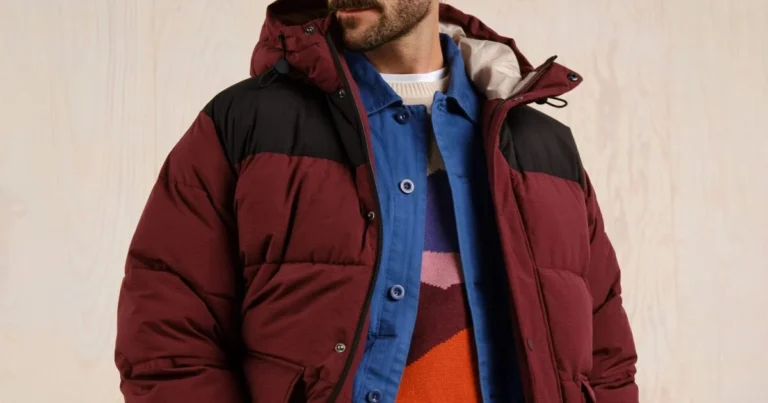
The directory curated by Good On You features a growing number of Dutch brands achieving "Good" or "Great" ratings, signifying their leadership in ethical and sustainable practices. These brands represent diverse segments of the fashion market, from denim innovators to haute couture, collectively illustrating the breadth of commitment within the Dutch industry.
MUD Jeans: The Circular Economy Pioneer
MUD Jeans stands as a legendary figure in the sustainable denim landscape, celebrated for its pioneering circular economy model. Founded on the principle that jeans should never be thrown away, MUD Jeans offers a unique "Lease a Jean" program, allowing customers to lease a pair of jeans for a year, after which they can return them to be recycled into new denim. This model drastically reduces waste and keeps valuable materials in circulation. The brand is deeply committed to using lower-impact materials, primarily GOTS-certified organic cotton, which avoids harmful pesticides and significantly reduces water usage compared to conventional cotton. They also incorporate recycled cotton, often sourced from their own returned jeans, closing the loop on textile waste. Furthermore, MUD Jeans prioritizes fair labor practices, ensuring transparent supply chains and working with factories that adhere to international labor standards, including fair wages and safe working conditions. Their commitment extends to minimizing chemical use and water during the dyeing and finishing processes, showcasing a holistic approach to sustainability that has inspired the wider denim industry.
CAES: Timeless Design with a Conscience
CAES (pronounced "case") embodies the philosophy that "Fashion does not have to be fast or seasonal." This Dutch brand champions timeless, minimalist designs intended to transcend fleeting trends and offer enduring style. Their commitment to sustainability is evident in their meticulous material selection, which includes innovative lower-impact options such as Desserto cactus leather, a vegan and environmentally friendly alternative to traditional leather, and Tencel Lyocell, a sustainably sourced fiber known for its closed-loop production process and minimal environmental footprint. CAES also integrates recycled cotton into its collections, further reducing its reliance on virgin resources. The brand demonstrates a strong commitment to ethical production by partly tracing its supply chain, enhancing transparency, and implementing a code of conduct that incorporates principles from the International Labour Organization (ILO) Four Fundamental Freedoms. This ensures that workers involved in their production receive fair treatment and operate in safe environments, aligning with the brand’s overarching ethos of thoughtful, responsible creation.
RVDK: Haute Couture’s Sustainable Frontier
RVDK, an esteemed guest member of the Haute Couture community, offers a compelling vision for sustainable high fashion. Breaking from the often-extravagant and resource-intensive norms of couture, RVDK focuses on creating high-quality, long-lasting products designed to be cherished for years. A cornerstone of their sustainability strategy is the extensive use of lower-impact materials, notably recycled fabrics and deadstock—unused materials from other fashion houses that would otherwise go to waste. By repurposing these existing resources, RVDK significantly reduces the demand for new production, thereby minimizing its climate impact, limiting the use of chemicals, and conserving water. This approach not only champions environmental responsibility but also introduces an element of exclusivity and unique storytelling into each garment. RVDK’s commitment proves that the pinnacle of fashion can indeed be achieved with a profound respect for the planet and its resources, challenging traditional notions of luxury and inspiring a more conscious approach within the high-fashion sector.
The Broader Impact: Empowering Consumers and Shaping the Future
The rise of platforms like Good On You and the increasing visibility of responsible brands from countries like the Netherlands signify a critical juncture for the fashion industry. Consumer choice, informed by reliable data, is becoming an increasingly powerful driver of change. As more individuals choose to invest in ethical and sustainable apparel, market demand signals to brands that responsible practices are not merely a niche concern but a core expectation. This collective action helps to counteract greenwashing, compelling brands to back their sustainability claims with verifiable evidence and transparent reporting.
Looking ahead, the fashion industry is poised for continued evolution. The vision is one where circularity is the norm, where materials are endlessly recycled, waste is minimized, and every worker in the supply chain earns a living wage. The efforts of pioneering nations like the Netherlands, combined with the power of informed global consumers, provide a blueprint for achieving this ambitious goal. The ongoing challenge lies in scaling these sustainable practices across the entire industry, making ethical fashion accessible and affordable for all, and fostering a systemic shift away from linear production models towards a regenerative and equitable fashion ecosystem. The journey is complex, but the momentum is undeniable, with the Netherlands at the forefront of this vital transformation.