










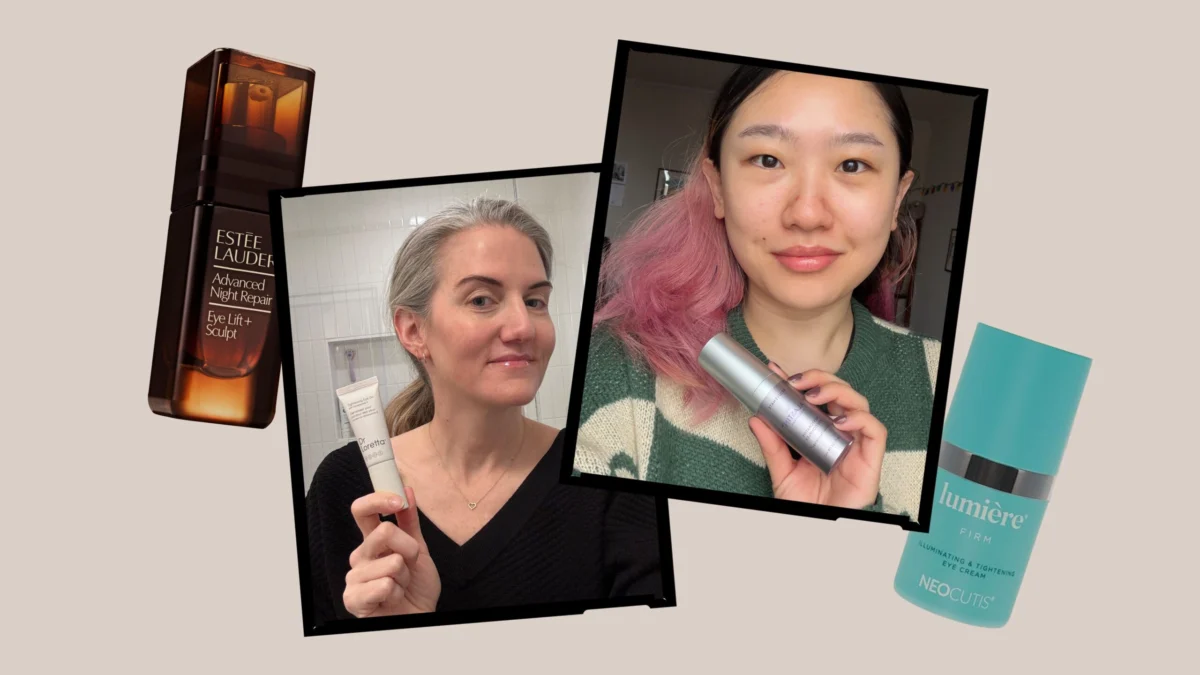
The quest for youthful, revitalized under-eye skin has long been a cornerstone of cosmetic and dermatological pursuits. Within this persistent pursuit, eye-tightening creams have emerged as a significant category, offering consumers a non-invasive approach to addressing common concerns such as fine lines, sagging, and puffiness. These formulations, often incorporating a blend of scientifically backed ingredients and gentle emollients, aim to provide visible improvements, ranging from immediate, temporary smoothing effects to more profound, long-term rejuvenation with consistent application. The underlying principle often involves a multi-faceted approach: enhancing hydration, stimulating collagen production, and leveraging ingredients with inherent firming properties.
A key component frequently cited in the efficacy of these creams is the inclusion of specialized active ingredients. For instance, silicates are recognized for their ability to create an instant tightening sensation on the delicate skin of the under-eye area. This immediate effect can be particularly appealing to consumers seeking rapid visual enhancement. Dr. Lindsey Zubritsky, a board-certified dermatologist, has noted the temporary yet noticeable skin-smoothing capabilities of certain formulations. Beyond immediate visual cues, the long-term benefits of eye-tightening creams are often attributed to ingredients that actively support skin health and resilience.
Hydration plays a pivotal role in the perceived tightness and overall appearance of the under-eye region. "When the skin is more visibly hydrated, it looks tighter," explains Dr. Margarita Lolis, a board-certified dermatologist. This is why many effective eye creams prioritize humectants and emollients that draw moisture to the skin and create a protective barrier, preventing moisture loss. This enhanced hydration not only contributes to a plumper, more supple appearance but also makes existing fine lines less pronounced.
Furthermore, a significant portion of the anti-aging efficacy of eye creams stems from ingredients that stimulate the skin’s natural regenerative processes. Peptides, a cornerstone of modern skincare, are short chains of amino acids that act as building blocks for proteins like collagen and elastin. By signaling the skin to produce more of these vital structural components, peptides can contribute to improved firmness and elasticity over time. Retinol, a derivative of Vitamin A, is another powerful ingredient renowned for its ability to accelerate cell turnover, boost collagen synthesis, and diminish the appearance of wrinkles. Vitamin C, a potent antioxidant, not only protects the skin from environmental damage but also plays a crucial role in collagen production, further contributing to skin firmness and brightness. The synergistic action of these ingredients, when formulated thoughtfully, can lead to substantial improvements in the visible signs of aging around the eyes.
The Role of Specialized Formulations: A Case Study
The specific formulation of an eye-tightening cream can significantly influence its performance. One example that highlights the thoughtful integration of beneficial ingredients is the use of Avène thermal spring water. This unique base, recognized for its inherent calming and anti-inflammatory properties, makes it particularly suitable for the sensitive skin often found around the eyes. The inclusion of such a gentle yet effective ingredient ensures that even individuals prone to irritation can benefit from the cream’s tightening and suppleness-enhancing effects. This approach underscores a broader trend in dermatological product development: prioritizing both efficacy and skin compatibility, especially for delicate facial areas.
Demystifying the Efficacy of Eye-Tightening Creams
The question of whether eye-tightening creams truly work is a pertinent one for consumers navigating the vast skincare market. Dermatological consensus and product performance data suggest that the answer is a nuanced affirmative. The effectiveness of these creams can be broadly categorized into two main effects: immediate, temporary skin-smoothing, and longer-term wrinkle reduction with consistent use.
The immediate effects are often achieved through ingredients like silicates, which, as mentioned, can create a temporary tightening sensation by forming a film on the skin’s surface. This can momentarily reduce the appearance of fine lines and give the under-eye area a smoother look. While these effects are transient, they provide an instant gratification that many users appreciate.
More significant, however, are the cumulative benefits derived from consistent application. Ingredients such as peptides, retinol, and Vitamin C work at a deeper level to stimulate collagen and elastin production, improve skin cell turnover, and enhance overall skin structure. Over weeks and months of regular use, these actions can lead to a tangible reduction in the appearance of fine lines, crow’s feet, and even mild sagging. It is important to manage expectations; eye-tightening creams are not a substitute for surgical procedures or injectables, and they will not revert the skin to its state from birth. However, they can significantly diminish the visible signs of aging and contribute to a more rested and youthful appearance.
The Science Behind the Tightening Effect: Ingredient Spotlight
Beyond the commonly cited ingredients, a deeper dive into the science reveals how these formulations achieve their results. The skin around the eyes is exceptionally thin, making it more susceptible to environmental damage and the natural aging process. This fragility necessitates specialized care and ingredients that can work effectively without causing irritation.
Silicates: As highlighted earlier, certain mineral-based compounds, such as magnesium aluminum silicate and sodium silicate, are often incorporated for their film-forming properties. When applied, these ingredients can create a temporary tightening effect by drying and contracting on the skin’s surface. This physical action can temporarily smooth out fine lines and wrinkles, providing an immediate visual improvement.
Peptides: These short chains of amino acids are the building blocks of proteins, including collagen and elastin, which are essential for skin’s firmness and elasticity. Different types of peptides have varying functions, some signaling the skin to produce more collagen, others acting as muscle relaxants to reduce the appearance of expression lines. For example, signal peptides can prompt the skin to repair itself by producing more collagen, while neurotransmitter-inhibiting peptides can mimic the effects of Botox by reducing muscle contractions that lead to wrinkles.
Retinol and Retinoids: A potent form of Vitamin A, retinol is a well-established ingredient in anti-aging skincare. It works by increasing cell turnover, stimulating collagen production, and improving skin texture. Its efficacy in reducing fine lines and wrinkles is well-documented in numerous clinical studies. However, retinol can be irritating, especially for sensitive skin, which is why many eye creams utilize gentler, encapsulated forms or lower concentrations.
Vitamin C (Ascorbic Acid): A powerful antioxidant, Vitamin C protects the skin from free radical damage caused by UV radiation and pollution, which accelerate aging. It also plays a crucial role in collagen synthesis, aiding in the skin’s ability to repair and firm itself. Its brightening properties can also help to reduce the appearance of dark circles.
Hyaluronic Acid and Other Humectants: While not directly a "tightening" ingredient, the ability of these compounds to attract and retain moisture is paramount. Well-hydrated skin appears plumper and smoother, which can make fine lines less noticeable. Ingredients like hyaluronic acid, glycerin, and panthenol are commonly found in eye creams to boost hydration levels.
Plant Extracts and Antioxidants: Many eye creams also incorporate botanical extracts and antioxidants that offer additional benefits. For example, green tea extract has anti-inflammatory properties, while vitamin E provides antioxidant protection. These ingredients contribute to the overall health and resilience of the delicate under-eye skin.
Optimal Application Techniques for Enhanced Results
The effectiveness of any skincare product is intrinsically linked to its proper application. For eye creams, a gentle and precise approach is paramount due to the thin and sensitive nature of the surrounding skin. Dermatologists consistently recommend a specific technique to maximize benefits and minimize potential damage.
The Ring Finger Technique: The generally accepted best practice is to use the ring finger to apply eye cream. This finger exerts the least amount of pressure, reducing the risk of tugging or stretching the delicate skin. Applying the cream with a light, tapping motion ensures even distribution and absorption without causing undue stress.
Strategic Placement: Dermatologists advise applying eye cream along the orbital bone, the bony ridge that surrounds the eye socket. It is crucial to avoid applying the product too close to the lash line. This is because the skin in that area is exceptionally thin and prone to absorbing products that can migrate into the eyes, causing irritation. Applying it to the orbital bone allows the product to work effectively without risking eye irritation or milia formation.
Optional Enhancements: For an elevated experience and potentially enhanced absorption, some experts suggest incorporating a chilled roller or a gua sha tool into the application process. These tools can provide a cooling sensation, reduce puffiness, and gently massage the product into the skin, offering a spa-like boost to the daily routine.
Integrating Eye Cream into Your Skincare Regimen: Timing and Synergy
The placement of eye cream within a broader skincare routine is crucial for optimal results. Understanding the order of application and the specific properties of different products ensures that each ingredient can perform its intended function effectively.
Serum First, Then Eye Cream: As a general rule in skincare layering, products should be applied from the thinnest to the thickest consistency. Serums, which are typically lightweight and highly concentrated, should always be applied before thicker creams. Therefore, serum is applied to the face first, followed by eye cream, which is specifically formulated for the delicate eye area.
Morning and Night Applications: Firming eye creams can be a valuable addition to both morning and evening skincare routines. In the morning, they can help to depuff and brighten the under-eye area, preparing the skin for the day ahead. In the evening, they can work to repair and rejuvenate while the body rests.
The Retinol Caveat: A significant exception to the dual-application rule applies to eye creams formulated with retinol. Due to retinol’s photosensitizing properties and potential for irritation, it is generally recommended for nighttime use only. Applying retinol-based eye cream in the morning without adequate sun protection can increase the skin’s sensitivity to UV damage. For morning use, opting for an eye cream with SPF protection is a wise alternative.
Professional Interventions: Complementing At-Home Care
While at-home topical treatments are highly effective for maintenance and visible improvement, more intensive concerns may warrant professional interventions. Dermatologists offer a range of in-office procedures designed to provide more significant and targeted tightening and rejuvenation of the eye area.
Radiofrequency Microneedling: Procedures like Morpheus8 combine the benefits of microneedling with radiofrequency energy. The microneedles create controlled micro-injuries in the skin, stimulating the body’s natural healing response, while the radiofrequency energy heats the deeper layers of the dermis. This dual action effectively boosts collagen and elastin production, leading to significant skin tightening and improved texture. Dr. Mona Gohara identifies this as a go-to treatment for deep dermal collagen stimulation.
Ultrasound-Based Devices: Non-invasive treatments such as Ultherapy utilize focused ultrasound energy to precisely target deeper layers of the skin. This energy precisely heats the tissue, triggering collagen production and leading to contouring and tightening effects. Ultherapy is particularly effective for lifting and firming the skin, providing a more sculpted appearance to the eye area and surrounding facial structures.
The Synergistic Approach: It is crucial to emphasize that even the most advanced in-office treatments are most effective when complemented by consistent at-home care. The combination of professional interventions and a dedicated at-home skincare regimen provides the strongest and most sustainable results for achieving and maintaining youthful, firm under-eye skin.
Allure’s Rigorous Testing Methodology
In the realm of beauty journalism, establishing trust and providing reliable recommendations is paramount. Publications like Allure employ a meticulous testing and review process to ensure that the products they endorse are genuinely effective and meet high standards. This process typically involves a multi-faceted evaluation that considers scientific backing, expert opinions, and real-world product performance.
Ingredient Scrutiny: A foundational element of Allure‘s testing involves a thorough examination of product ingredients. This includes analyzing the efficacy of active components, assessing potential irritants, and verifying claims made by the brand. Expert consultation with dermatologists and cosmetic chemists plays a vital role in this ingredient vetting process.
Brand Claim Verification: Brands often make specific claims about their product’s benefits. Allure‘s editorial team scrutinizes these claims against scientific literature and expert knowledge to ensure they are substantiated and realistic.
Peer-Reviewed Studies: Where applicable, Allure reviews peer-reviewed scientific and medical studies to support or refute product claims and ingredient efficacy. This reliance on empirical evidence ensures that recommendations are grounded in scientific fact.
Product Performance Testing: Beyond ingredient analysis, each product undergoes extensive hands-on testing. Editors and contributors evaluate performance across key categories such as:
- Product Ingredients and Efficacy: How well the ingredients perform as intended.
- Packaging: Usability, preservation of product integrity, and aesthetic appeal.
- Fragrance: Subjective assessment of scent, considering potential for irritation.
- Texture: Feel, absorption, and overall sensory experience.
- Product Wear: How the product performs over time, including longevity and any adverse effects.
Diverse Testing Panels: Recognizing that beauty is subjective and individual needs vary widely, Allure emphasizes the importance of a diverse testing team. This team comprises in-house writers and editors, as well as external testers, who represent a broad spectrum of ages, skin tones, hair textures, genders, and backgrounds. This inclusivity ensures that product recommendations are relevant and effective for a wide range of consumers, from those seeking solutions for dryness to those addressing mature skin concerns.
The Human Element: Expertise and Diversity in Product Evaluation
The commitment to diversity in testing extends beyond demographics to encompass a wide array of professional expertise. Allure regularly collaborates with leading figures in dermatology, cosmetic chemistry, and medicine. These experts provide invaluable insights into ingredient science, formulation techniques, and the physiological processes that influence skin health and aging. Their contributions are integral to the rigorous vetting of products and the development of scientifically sound recommendations.
This dedication to comprehensive evaluation, combining scientific rigor with a diverse and expert-driven testing methodology, forms the bedrock of Allure‘s commitment to providing consumers with trustworthy and actionable beauty advice. It ensures that when a product is recommended, it has been thoroughly examined from every angle, offering readers confidence in their purchasing decisions.