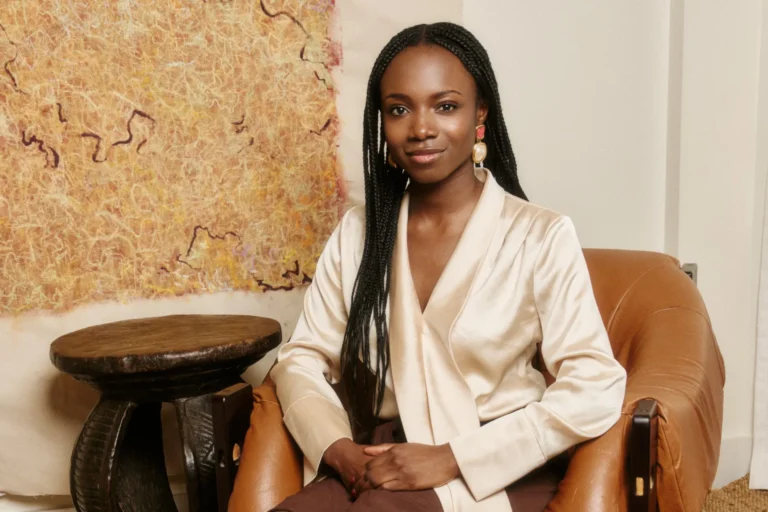








The intersection of generative artificial intelligence and the global fashion industry has reached a significant milestone with the official launch of Alta, an AI-driven personal styling and shopping platform. Founded by 28-year-old Harvard-trained engineer Jenny Wang, the startup recently announced it has successfully closed an $11 million seed funding round led by Menlo Ventures. This substantial capital infusion signals a growing confidence among venture capitalists in the "consumer AI" sector, specifically within niche applications that provide highly personalized, utility-driven experiences for the modern shopper. Alta aims to solve a perennial problem in the retail space: the difficulty of coordinating an existing wardrobe with new purchases while accounting for external variables such as budget, weather, and specific social calendars.
The Evolution of the Virtual Wardrobe
For Jenny Wang, the inception of Alta was not a sudden inspiration but rather the culmination of a decade-long pursuit. Throughout her career in technology and investment, Wang frequently returned to the concept of a digital personal styling agent. However, previous attempts to build such a platform were hampered by the limitations of early-stage machine learning and computer vision. According to Wang, the maturity of modern Large Language Models (LLMs) and sophisticated image generation techniques has finally provided the technical foundation necessary to realize her vision.
The product’s core functionality draws immediate comparisons to the iconic computerized closet seen in the 1995 film "Clueless." While that cinematic portrayal was once considered a futuristic fantasy, Alta utilizes a combination of proprietary AI models and user-generated data to make it a functional reality. The platform allows users to digitize their physical closets through several methods, including uploading photos of garments, forwarding digital purchase receipts, or selecting items from Alta’s extensive existing database of retail products. Once a wardrobe is digitized, the AI serves as a 24/7 stylist, capable of generating outfit recommendations based on the user’s upcoming schedule, the local weather forecast, and their personal aesthetic preferences.
Technical Architecture and User Experience
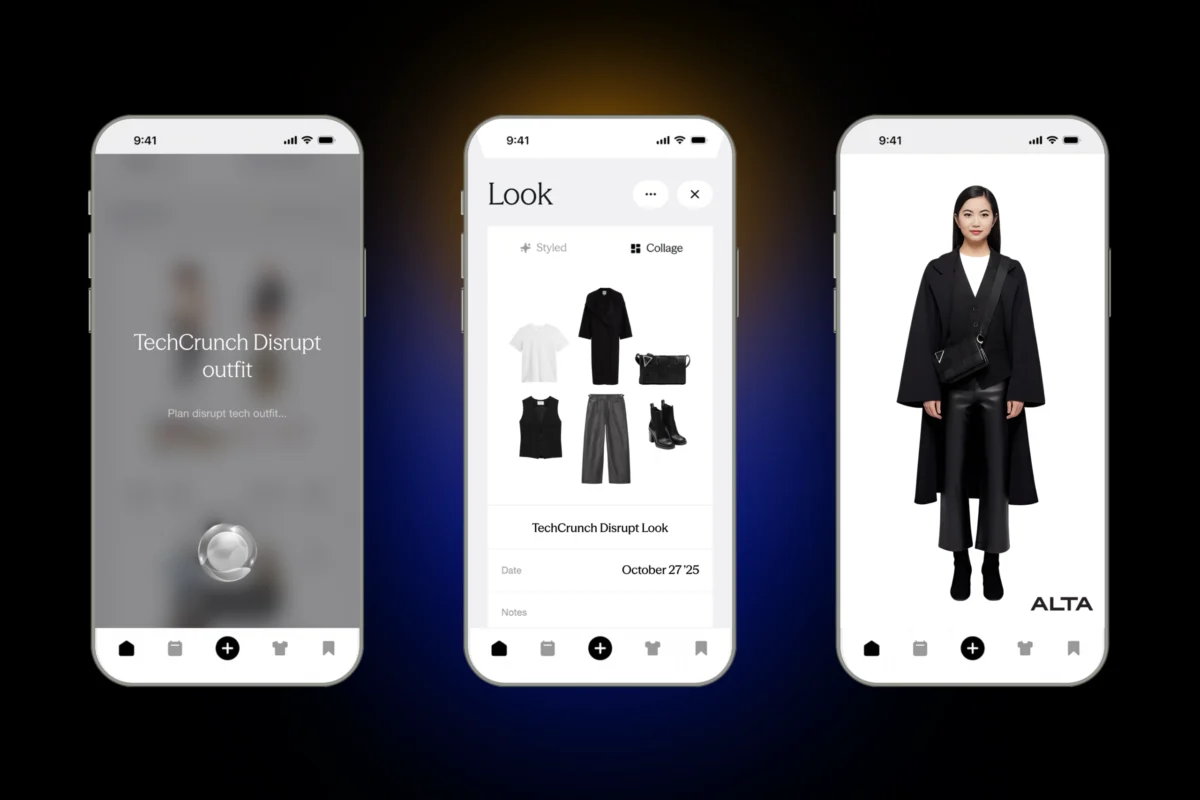
Unlike general-purpose AI tools or traditional shopping aggregators like Google Shopping and Pinterest, Alta is built on a specialized technical architecture designed specifically for the nuances of apparel and personal style. One of the platform’s standout features is the integration of a personalized virtual avatar. This allows users to "try on" clothes virtually, visualizing how new pieces from various retailers might look on their specific body type and how those pieces would integrate with items they already own.
The user interface is designed to be conversational and intuitive. For instance, a user preparing for a high-profile industry event, such as TechCrunch Disrupt, can prompt the AI for suggestions. The system then processes the context of the event, the likely dress code, and the user’s existing inventory to present a curated lookbook. This level of granular personalization is what Wang believes distinguishes Alta from legacy platforms. She emphasizes that the future of consumer engagement lies in new user interfaces that move beyond the static grid of traditional e-commerce toward a more dynamic, advisory-based model.
A Powerhouse Roster of Investors and Advisors
The $11 million seed round reflects an extraordinary level of industry alignment, drawing support from the worlds of high fashion, venture capital, and Silicon Valley leadership. Beyond the lead investment from Menlo Ventures, the round included participation from:
- Aglaé Ventures: The investment firm backed by the Arnault family, the controlling force behind the LVMH luxury empire.
- Benchstrength: A firm known for its focus on next-generation consumer platforms.
- Phenomenal Ventures: Founded by Meena Harris, focusing on brands with significant cultural impact.
- Anthology Fund: The venture arm of Anthropic, a leader in AI safety and research.
The investor list also includes a "who’s who" of individual angel investors, such as DoorDash CEO Tony Xu, Poshmark co-founder Manish Chandra, and Rent the Runway co-founder Jenny Fleiss. Influence from the fashion world is equally represented by supermodels Karlie Kloss and Jasmine Tookes, as well as tech influencer Zita d’Hauteville.
Crucially, the platform’s AI is not just trained on raw data but is refined by human expertise. Meredith Koop, renowned for her work as the stylist for former First Lady Michelle Obama, played a pivotal role in training Alta’s models. By incorporating the logic and "eye" of a professional stylist, the AI is designed to understand color theory, silhouette, and occasion-appropriateness in a way that standard algorithms cannot.
Strategic Chronology and Geographic Shift
The development of Alta follows a strategic timeline that leverages Wang’s extensive network and technical background. A Harvard engineering graduate, Wang’s career trajectory included an internship at DoorDash and a volunteer role with "Kode With Klossy," the coding initiative founded by Karlie Kloss. These early experiences provided her with the dual perspective of a builder and an investor, having previously held roles at investment firms and served as a technical advisor to various brands.
In a move that underscores the shifting geography of the "fashion-tech" industry, Wang recently relocated the company’s headquarters from San Francisco to New York City. This transition was motivated by NYC’s status as a global fashion capital and its burgeoning reputation as a hub for consumer-facing AI startups. Wang noted that the proximity to major fashion houses and the ease of travel to Paris—the epicenter of global luxury—were critical factors in this decision. The partnership with LVMH-backed Aglaé Ventures further cements this European connection, as the company eyes an aggressive expansion into the European market.
Global Partnerships and Market Implications
Alta’s growth strategy is heavily predicated on high-level institutional partnerships. The company has already secured a collaboration with the Council of Fashion Designers of America (CFDA). This partnership provides Alta with direct access to a vast network of designers and brands, allowing the platform to serve as a bridge between creators and consumers.
Furthermore, the company is looking toward the Pacific and Oceania regions, bolstered by a partnership with Marie Kondo. The inclusion of Kondo, a global icon of organization and intentional living, aligns with Alta’s mission to help users better understand and utilize what they already own, rather than simply encouraging mindless consumption.
The implications for the broader retail market are significant. As Alta prepares to partner with retailers worldwide, it positions itself as a powerful tool for reducing return rates—a multi-billion dollar problem in e-commerce. By allowing users to see how a new item fits into their current wardrobe before they buy, Alta provides a "pre-purchase validation" that could fundamentally change the economics of online shopping.
Analysis of the AI Fashion Landscape
The emergence of Alta comes at a time when the fashion industry is grappling with its digital future. According to market research, the global AI in fashion market is projected to reach several billion dollars by the end of the decade, driven by demands for hyper-personalization and supply chain efficiency. While companies like Whering and Cladwell have made strides in the digital wardrobe space, Alta’s $11 million backing and its focus on "technical architecture" suggest a move toward a more robust, enterprise-grade solution.
Industry analysts suggest that the success of Alta will depend on its ability to maintain the balance between being a useful utility and a shopping engine. If the AI is perceived as too "sales-heavy," it may lose the trust of users looking for objective styling advice. However, if it successfully replicates the experience of a high-end personal shopper, it could become the primary interface through which millions of consumers interact with fashion.
Future Outlook
With the fresh capital, Wang intends to expand her team of engineers and fashion experts while doubling down on research and development. The goal is to continuously update Alta’s in-house models to reflect changing trends and community feedback. As the company prepares for its next phase of growth, the focus remains on the "aligned" nature of its support system—a mix of technical prowess, fashion authority, and venture capital muscle.
For Jenny Wang, Alta represents the fulfillment of a long-held professional dream. By bridging the gap between a 90s pop-culture icon and cutting-edge machine learning, she is betting that the future of fashion is not just in what we wear, but in how we use technology to decide what we wear. As the company expands into Europe and the Pacific, the global fashion community will be watching closely to see if Alta can indeed become the "Clueless" closet for the modern age.