










Experiencing hair thinning can be a distressing concern for many individuals, impacting not only their appearance but also their self-confidence. Fortunately, the landscape of hair care and dermatological science offers a growing array of solutions aimed at addressing this common issue. Understanding the underlying causes, available treatments, and expert-backed strategies is crucial for effectively managing and potentially reversing hair thinning. This in-depth exploration delves into the most proven products, the science behind hair regrowth, and the expert insights that guide effective hair loss management.
Understanding the Science Behind Hair Thinning and Regrowth
Hair thinning, medically known as alopecia, is a complex condition with a multitude of potential causes. These can range from genetic predispositions and hormonal fluctuations to environmental factors and underlying health issues. The hair growth cycle, comprising anagen (growth), catagen (transition), and telogen (resting) phases, can be disrupted, leading to reduced hair density and visible thinning.
The Role of Minoxidil: A Cornerstone of Treatment
Among the most extensively studied and widely recommended ingredients for addressing hair thinning is minoxidil. Dr. Mislankar, a leading dermatologist, emphasizes its status as "the most tried-and-true ingredient for hair loss and thinning." Minoxidil, a vasodilator, works by increasing blood flow to the scalp. This enhanced circulation delivers more vital nutrients and oxygen to the hair follicles, stimulating them to enter the growth phase (anagen) and prolonging this phase. By improving the microcirculation within the scalp, minoxidil can help to counteract the miniaturization of hair follicles often associated with genetic hair loss.
The efficacy of minoxidil has been demonstrated in numerous clinical trials. For instance, studies have shown that topical minoxidil, available in various concentrations (typically 2% and 5%), can lead to significant hair regrowth in individuals with androgenetic alopecia. A meta-analysis published in the Journal of the American Academy of Dermatology reviewed multiple studies and concluded that minoxidil is an effective treatment for male and female pattern hair loss, with a notable percentage of users experiencing visible hair regrowth and reduced shedding. The most recognized application of minoxidil is in products like Rogaine, which is formulated as a minoxidil foam, offering a convenient topical application.
Beyond Minoxidil: A Multifaceted Approach
While minoxidil remains a primary therapeutic agent, other ingredients have also shown promise in promoting hair thickness and supporting scalp health. Jae-Manuel Cardenas, a New York City-based hairstylist, highlights the role of ingredients such as biotin, caffeine, rosemary oil, and niacinamide. These components are believed to contribute to the temporary appearance of increased hair thickness by nourishing the scalp, improving hair shaft strength, and potentially reducing inflammation.
- Biotin: A B vitamin essential for keratin production, the protein that makes up hair, skin, and nails. While topical biotin can strengthen the hair shaft, oral supplements’ impact on hair growth is still debated, and it’s crucial to consult a healthcare professional.
- Caffeine: Studies suggest that caffeine may stimulate hair follicles by blocking the effects of DHT (dihydrotestosterone), a hormone linked to hair loss. It can also improve blood circulation to the scalp.
- Rosemary Oil: Traditionally used to promote hair growth, scientific research has begun to validate its efficacy. A 2015 study published in Skinmed found that rosemary oil was as effective as minoxidil 2% in promoting hair regrowth in individuals with androgenetic alopecia after six months of treatment.
- Niacinamide: A form of Vitamin B3, niacinamide can improve scalp health by reducing inflammation and strengthening the skin barrier, which may indirectly benefit hair follicle function.
Cardenas also points to the immediate cosmetic benefits offered by root lifters, volumizing products, and other styling formulas. These products work by coating the hair shaft, creating a thicker appearance, or by providing lift at the roots, making hair look fuller. However, it’s important to distinguish these temporary cosmetic solutions from treatments that address the underlying causes of hair thinning.
The Complexities of Hair Growth Supplements
The market is replete with hair growth supplements, often containing a cocktail of vitamins, minerals, and botanical extracts. While some individuals report positive results, dermatologists generally express caution regarding their widespread efficacy. Dr. Mislankar notes that the scientific consensus on the significant impact of many supplements is not uniform. Furthermore, some supplements can have side effects or interact with medications. Therefore, a thorough consultation with a healthcare provider is essential before incorporating any hair growth supplement into a regimen.
Can Hair Grow Back After Thinning? The Nuances of Regrowth
The question of whether hair can grow back after thinning is met with a nuanced answer: it depends on the cause.
Temporary Hair Shedding: Telogen Effluvium
Conditions like telogen effluvium, characterized by sudden and widespread hair shedding, often result from physiological stress such as illness, surgery, significant emotional stress, or hormonal shifts. In these cases, Dr. Mislankar explains, "hair often grows back on its own with time and patience." This type of hair loss is typically temporary, and once the underlying trigger is resolved, the hair cycle can normalize, leading to spontaneous regrowth.
For example, postpartum hair loss, a common occurrence due to hormonal changes during and after pregnancy, is usually temporary. While minoxidil may not be the primary intervention for this specific type of shedding, the hair typically regains its density over several months.
Hereditary Hair Loss: Androgenetic Alopecia
Conversely, if hair thinning is attributed to androgenetic alopecia, also known as hereditary hair loss or female-pattern hair loss, the approach to regrowth requires a more sustained and often medical intervention. This condition is characterized by a progressive miniaturization of hair follicles due to genetic sensitivity to androgens, primarily dihydrotestosterone (DHT). In such cases, long-term treatments, including medications and potentially procedures, are typically necessary to maintain and encourage new growth.
Strategies for Managing Thinning Hair During Regrowth
While awaiting regrowth or managing ongoing thinning, certain practices can help prevent further damage and enhance the appearance of fuller hair. Avoiding excessive heat styling, which can weaken the hair shaft, and minimizing exposure to harsh chemical treatments are crucial. Volumizing shampoos, conditioners, and leave-in treatments can coat the hair strands, making them appear thicker and fuller. Furthermore, specific styling techniques, such as using texturizing sprays or carefully blow-drying to create lift at the roots, can contribute to a more voluminous look.
The "Big 3" for Thinning Hair: A Powerful Trio
When addressing persistent hair thinning, particularly androgenetic alopecia, a combination of treatments often yields the most robust results. Dr. Mislankar identifies "the big three" for thinning hair as minoxidil, finasteride, and ketoconazole. Each plays a distinct and complementary role in fostering hair growth and mitigating hair loss.
-
Minoxidil: As previously discussed, minoxidil’s primary mechanism is vasodilation, improving blood flow and nutrient delivery to the hair follicles. This stimulation can reawaken dormant follicles and prolong the anagen phase of hair growth. It is available over-the-counter in topical formulations.
-
Finasteride: This prescription medication operates by inhibiting the enzyme 5-alpha reductase. This enzyme is responsible for converting testosterone into dihydrotestosterone (DHT). DHT is a potent androgen that binds to receptors in hair follicles, leading to their miniaturization and eventual cessation of hair production in genetically susceptible individuals. By blocking DHT production, finasteride effectively reduces the hormonal assault on hair follicles, allowing them to remain active for longer periods and promoting the maintenance of existing hair. Finasteride is typically prescribed for men, although lower doses are sometimes used off-label for women post-menopause under strict medical supervision due to its potential teratogenic effects.
-
Ketoconazole: While commonly known as an antifungal agent, ketoconazole also possesses properties beneficial for hair health. Dr. Mislankar notes that it helps "mitigate scalp inflammation, one of the culprits behind hair loss." Chronic inflammation on the scalp can impair follicle function and contribute to hair thinning. Furthermore, research suggests that ketoconazole exhibits mild anti-androgenic properties, meaning it may help to reduce the impact of DHT on hair follicles, similar to finasteride, albeit to a lesser extent. Ketoconazole is available in medicated shampoos, typically at 1% or 2% concentrations, and is often recommended for use a few times a week.
The synergistic action of these three components—stimulating growth (minoxidil), blocking hormonal miniaturization (finasteride), and reducing scalp inflammation (ketoconazole)—can create an optimal environment for hair regrowth and the preservation of existing hair.
Expert Insights and Product Testing Methodology
The development and recommendation of effective hair care products are underpinned by rigorous testing and expert evaluation. Allure, a leading beauty authority, employs a comprehensive methodology to assess the efficacy and user experience of various hair care products, including those for thinning hair.
A Diverse Testing Panel for Relatable Results
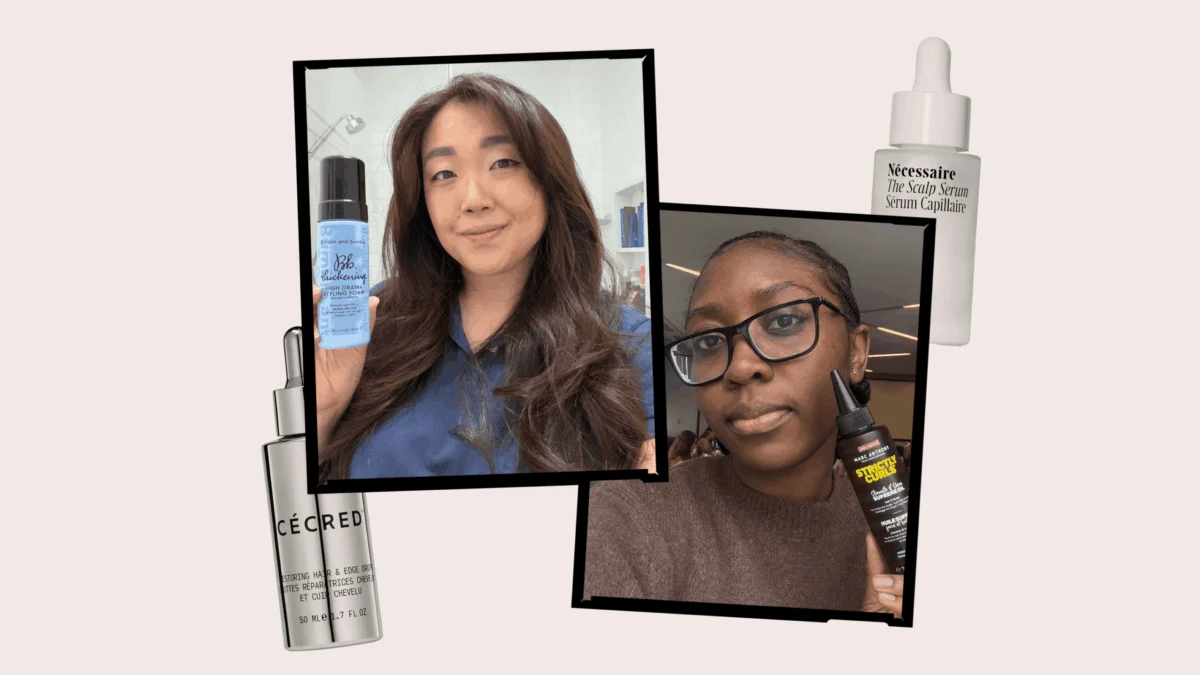
The assessment of hair-care products differs significantly from, for instance, makeup, due to the inherent diversity in hair types, textures, lengths, and concerns. Allure‘s approach recognizes that a product’s effectiveness can be highly dependent on individual hair characteristics. For their reviews of the best products for thinning hair, they enlist a broad spectrum of testers, including editors, writers, contributors, and hair experts. This diverse panel ensures that products are evaluated across a wide range of hair types, including different curl patterns, thicknesses, colors, and specific concerns such as dryness, breakage, or color-treated hair.
The testing criteria are multifaceted, focusing on four primary categories:
- Efficacy: This measures how well the product addresses the stated claims, such as promoting hair growth, increasing thickness, or reducing shedding. For thinning hair products, this would involve observing visible improvements in hair density and reduced hair fall over a specified period.
- Texture and Experience: This evaluates the sensory aspects of using the product, including its feel on the scalp and hair, ease of application, absorption, and any potential residue. For hair thinning treatments, a pleasant and non-greasy texture can significantly improve adherence to a regimen.
- Fragrance: The scent of a product is a crucial component of the user experience. Testers assess whether the fragrance is pleasant, overpowering, or absent, catering to a range of preferences.
- Packaging: The design and functionality of the packaging are also considered. This includes ease of dispensing, durability, and overall aesthetic appeal. For topical treatments, effective and hygienic packaging is paramount.
This meticulous testing process, guided by a commitment to diverse representation and objective evaluation, ensures that Allure‘s recommendations are not only scientifically sound but also relatable and practical for consumers navigating the complexities of hair thinning. The publication’s commitment to transparency is further demonstrated by their detailed methodology page, outlining the complete review process.
The Importance of a Diverse Testing Team
Allure‘s editorial philosophy emphasizes the personal nature of beauty purchases. Recognizing that individual needs and concerns vary greatly, the publication prioritizes a diverse team of writers, editors, and external testers. This diversity spans a wide range of ages, skin tones, hair textures, genders, and backgrounds. The rationale is simple yet profound: to genuinely deem a product "the best," it must be tested and validated by individuals who reflect the breadth of the consumer base.
For instance, a skincare product recommended for mature skin should be tested by individuals over 50, not solely by those in their twenties. Similarly, a hair tool designed for curly hair must undergo thorough testing by individuals with various curl types. This inclusive approach ensures that Allure‘s recommendations are fair, comprehensive, and genuinely helpful to a broad audience, fostering trust and confidence in their editorial guidance.
Conclusion: A Proactive Approach to Hair Health
Addressing hair thinning requires a multifaceted strategy that combines an understanding of the underlying causes with the application of scientifically validated treatments and supportive hair care practices. From the well-established efficacy of minoxidil and the hormonal regulation offered by finasteride to the scalp-soothing benefits of ketoconazole and the supporting roles of various botanical ingredients, a range of options exists.
The journey to managing hair thinning is often a long-term commitment, necessitating patience and consistency. Consulting with a dermatologist or trichologist is paramount to accurately diagnose the cause of hair thinning and to develop a personalized treatment plan. By embracing a proactive approach, leveraging expert advice, and utilizing proven products, individuals can effectively manage hair thinning, promote regrowth where possible, and achieve healthier, fuller-looking hair. The ongoing advancements in dermatological research and cosmetic science continue to offer hope and effective solutions for those seeking to restore and maintain their hair’s vitality.