










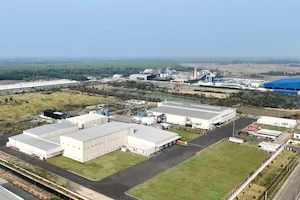
The global chemical giant WACKER has officially inaugurated a state-of-the-art production complex for silicone emulsions at its Panagarh site in West Bengal, India, marking a pivotal expansion of its manufacturing footprint in South Asia. This new facility, which commenced operations on March 23, 2026, is specifically designed to produce high-purity, GMP-certified silicones tailored for the rapidly growing cosmetics and personal care sectors. The expansion represents the second major phase of development at the Panagarh site and is expected to significantly bolster the Group’s regional capacity while generating 60 new specialized jobs in the area.
Strategic Capacity Expansion in West Bengal
The newly commissioned complex spans approximately 15,000 square meters and is situated within WACKER’s larger 165,000-square-meter industrial park in Panagarh. This facility is a direct response to the escalating demand for specialty silicone products in India and neighboring markets. By focusing on silicone emulsions, WACKER is targeting high-value applications where purity and regulatory compliance are paramount.
The Panagarh site now serves as a dual-threat manufacturing hub. While the first phase of the site focused on the production of silicone rubber and ready-to-use compounds for the electromobility, medical technology, and electrical industries, this second phase introduces advanced liquid processing capabilities. The addition of silicone emulsions allows WACKER to diversify its output, ensuring that the site can cater to both heavy industrial needs and the delicate requirements of the consumer goods industry.
Adherence to Global Quality Standards
A cornerstone of the new production complex is its strict adherence to international quality benchmarks. The goods manufactured at the facility fully comply with the Good Manufacturing Practice (GMP) guidelines established by the European Federation for Cosmetic Ingredients (EFfCI). This certification is critical for suppliers in the personal care industry, as it guarantees that the ingredients are produced under rigorous hygiene and quality control standards, minimizing the risk of contamination and ensuring consistency.
During the commissioning ceremony, WACKER Executive Board member Christian Kirsten emphasized the technological sophistication of the plant. He noted that the facilities in Panagarh are world-class, designed to produce top-quality, high-purity products that meet the stringent demands of international consumer goods companies. The GMP certification not only facilitates domestic sales but also positions the Panagarh site as a viable export hub for high-end cosmetic ingredients across the Asia-Pacific region.
The Role of Silicones in the Personal Care Market
Silicones are indispensable in modern personal care formulations. In hair care, silicone emulsions provide conditioning effects, ease of combing, and enhanced shine without leaving a greasy residue. In skin care, they contribute to a smooth, "velvety" texture, improve water resistance in sunscreens, and act as carriers for other active ingredients.
The Indian personal care market has seen a dramatic shift toward premiumization and specialized products over the last decade. As middle-class consumers increasingly seek high-performance grooming and beauty products, manufacturers require more sophisticated raw materials. WACKER’s decision to localize the production of these emulsions allows for shorter lead times, reduced logistics costs, and a more agile response to local market trends.
Tom Koini, head of WACKER’s Silicones division, highlighted this trend during the launch. He stated that the demand for silicone products remains unabated, with expectations for continued significant growth in India. By expanding production in Panagarh, WACKER aims to align its growth trajectory with that of its customers, which include both local Indian brands and major multinational consumer goods corporations.
A Chronology of Growth: WACKER’s Indian Legacy
WACKER’s journey in the Indian market is one of steady integration and strategic investment. To understand the significance of the Panagarh expansion, it is necessary to look at the timeline of the company’s presence in the country:
- 1999: WACKER enters the Indian market, establishing its first production site in Amtala, near Kolkata. This site served as the primary manufacturing hub for silicone fluids, emulsions, and rubber compounds for over two decades.
- Joint Venture Formation: The company operates through Wacker Metroark Chemicals (WMC), a fully consolidated joint venture. This partnership combined WACKER’s global technological expertise with Metroark’s local market knowledge, creating a dominant player in the Indian silicone market.
- 2022: Recognizing the capacity limitations of the Amtala site, WACKER begins operations at the Panagarh site. The initial focus is on high-consistency rubber (HCR) and room-temperature vulcanizing (RTV) silicones for the energy and automotive sectors.
- 2026: The commissioning of the second expansion phase at Panagarh introduces silicone emulsion production, marking the site’s transition into a comprehensive multi-product manufacturing center.
Strategic Realignment: Panagarh vs. Amtala
The operationalization of the new Panagarh complex signals a strategic shift in how WACKER utilizes its Indian assets. For years, the Amtala site was the central hub for silicone fluids and emulsions. However, as industrial demand outpaced the physical limits of the Amtala facility, the company sought a location with better infrastructure and room for long-term growth.
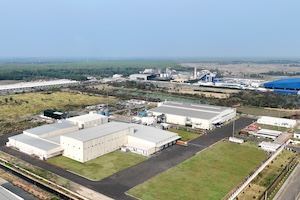
Sascha Büchel, Managing Director of Wacker Metroark, explained during the ceremony that while Amtala has been fundamental to the company’s success, it is increasingly reaching its capacity limits. Panagarh, with its vast acreage and modern infrastructure, provides the "space and flexibility" required for future expansion.
Under the new regional strategy, Panagarh will take over the bulk of large-scale manufacturing and supply chain operations. Meanwhile, the Amtala site will undergo a transformation of its own. It is slated to become a center for product and process development. This pivot toward R&D at Amtala will allow Wacker Metroark to focus on customizing silicone formulations for specific regional needs, such as developing products that perform better in tropical climates or creating sustainable formulations that use fewer resources.
Economic Impact and Regional Development
The expansion is a significant win for the state of West Bengal and the Panagarh industrial zone. The creation of 60 new jobs adds to the existing workforce at the site, providing high-skilled employment in chemical engineering, quality assurance, and industrial operations. Furthermore, the investment reinforces West Bengal’s position as a critical node in India’s chemical manufacturing corridor.
From a broader economic perspective, WACKER’s investment aligns with the "Make in India" initiative, which encourages multinational corporations to manufacture products locally rather than relying on imports. By producing GMP-certified silicones within India, WACKER reduces the country’s dependency on imported specialty chemicals, contributing to a more robust and self-reliant industrial ecosystem.
Industrial Implications and Market Analysis
The global silicone market is projected to grow steadily, driven by the transition to renewable energy, the electrification of transport, and the expansion of the healthcare sector. However, the personal care segment remains one of the most resilient and high-margin niches within the industry.
Industry analysts suggest that WACKER’s move is a defensive and offensive play. Defensively, it secures the company’s supply chain against global logistical disruptions, which have plagued the chemical industry in recent years. Offensively, it allows WACKER to capture a larger share of the Indian beauty and personal care market, which is estimated to be one of the fastest-growing in the world, with a projected compound annual growth rate (CAGR) exceeding 8% over the next five years.
Furthermore, the emphasis on GMP-certified production reflects a global trend toward "clean beauty" and ingredient transparency. As Indian regulators tighten standards for cosmetic products, having a local supplier that meets European EFfCI standards gives manufacturers a significant advantage in both domestic compliance and international exports.
Future Outlook: WACKER’s Vision for 2030
The Panagarh expansion is part of WACKER’s broader "Strategy 2030," which emphasizes growth through chemical specialty products and a commitment to sustainability. Silicones play a vital role in this vision, as they are often used to improve the energy efficiency and longevity of end products.
As the Panagarh site continues to scale, it is likely that further phases of expansion will follow. The company has already hinted that the site is designed to assume a leading role in the regional silicone supply chain, potentially serving as a primary source for markets in Southeast Asia and the Middle East.
With the successful commissioning of the emulsion plant, WACKER has solidified its infrastructure in one of the world’s most dynamic economies. The move ensures that as the Indian consumer market matures and demands higher quality, WACKER is already on the ground, equipped with the capacity and the certifications to lead the market into the next decade of industrial development.