







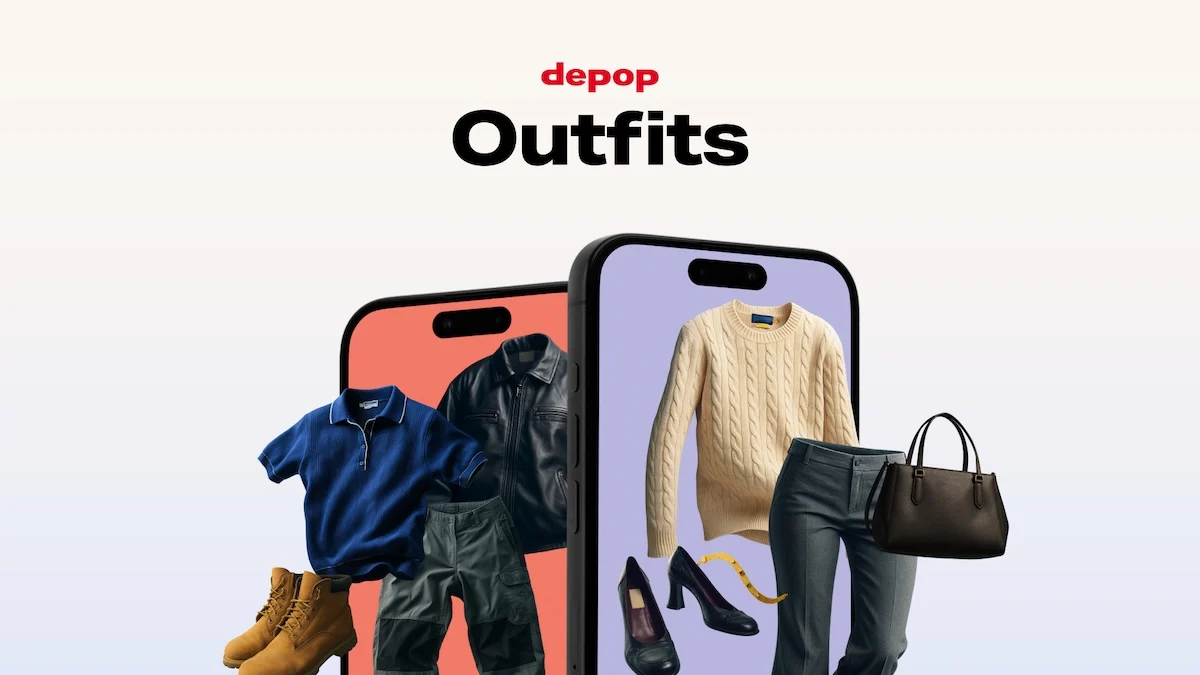
The fashion resale platform Depop announced on Wednesday the official rollout of "Outfits," a sophisticated styling and collaging tool designed to transform how users interact with secondhand apparel. By integrating creative mood-boarding directly into the marketplace, Depop aims to bridge the gap between social media inspiration and direct-to-consumer commerce. The feature provides a dedicated interface where users can curate, design, and share fashion collages, positioning the app as both a creative outlet and a high-velocity sales engine for the Gen Z demographic.
Technical Functionality and User Experience
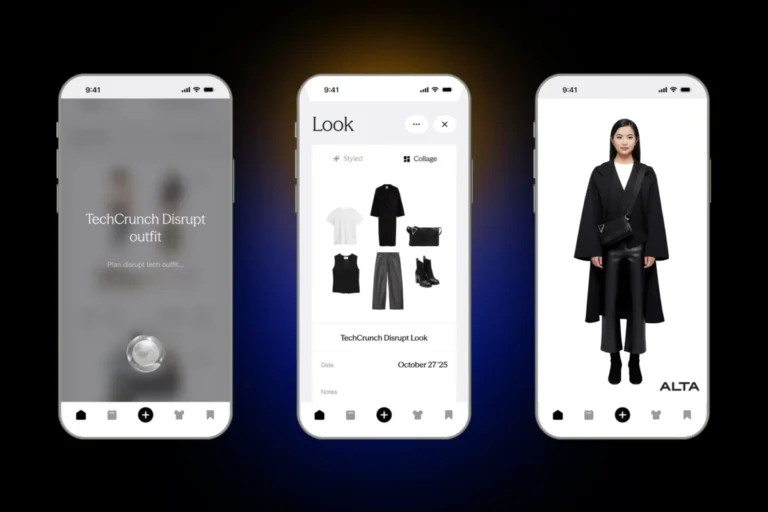
The "Outfits" tool is accessible through a streamlined interface within the existing Depop mobile application. To utilize the feature, users select a primary item they wish to highlight and engage the "scissors" icon located on the right side of the visual editor. This action triggers a suite of customization options, allowing the creator to remove backgrounds, layer multiple items, and adjust the scale and orientation of various garments and accessories.
To assist users who may not have professional design experience, Depop has included a variety of layout templates. These guides allow for the rapid creation of "flat-lay" style graphics that have long been a staple of fashion blogging. Users can further personalize their creations by adding vibrant background colors and textures, ensuring that each collage reflects the individual aesthetic of the seller or stylist.
A critical component of the Outfits tool is its deep integration with Depop’s inventory database. Every item featured within a collage is fully shoppable. If a specific vintage piece or one-of-a-kind accessory featured in an outfit is sold, the platform’s algorithm automatically generates suggestions for similar alternatives. This ensures that the creative content remains functional as a sales lead even after the original inventory is exhausted, maintaining the "evergreen" nature of user-generated content.
Strategic Alignment with Gen Z Digital Trends
The introduction of Outfits represents a calculated move to capture the "digital scrapbooking" trend that has seen a massive resurgence among younger internet users. Platforms like Pinterest have seen significant success with similar tools; in 2022, Pinterest launched "Shuffles," a standalone collage-making app that eventually saw its core functionality integrated into the main Pinterest ecosystem due to overwhelming demand.
For Depop, which has built its brand identity on being the "social" alternative to traditional resale sites like eBay or Vinted, the move into collaging is a natural evolution. Gen Z consumers increasingly view shopping as a form of self-expression and entertainment rather than a purely transactional necessity. By allowing users to share their curated outfits across external platforms such as Instagram and Pinterest, Depop is effectively turning its user base into a decentralized marketing department, driving organic traffic back to the app through highly aesthetic, shareable content.
Financial Performance and Market Position
The launch of the Outfits tool comes at a period of significant financial momentum for Depop. According to the Q2 2025 earnings report released by its parent company, Etsy, Depop’s Gross Merchandise Sales (GMS) surged by 34.7% year-over-year on a currency-neutral basis. This aggressive growth trajectory has placed the platform on a clear path toward a $1 billion GMS run rate, a milestone that underscores its dominance in the niche of trendy, youth-oriented resale.
In the broader competitive landscape, Depop’s performance is increasingly outpacing its rivals in specific categories. For comparison, Mercari, a major player in the general resale market, reported a Gross Merchandise Value (GMV) of $728 million for the fourth quarter of 2024. While Mercari maintains a broad user base, Depop’s focus on "curated" and "vintage" fashion allows it to command higher engagement levels per user, particularly in the UK and US markets.
The integration of styling tools is expected to further bolster these financial metrics by increasing the "average basket size." When users see items styled together in a cohesive outfit, they are statistically more likely to purchase multiple pieces from the same seller or explore complementary items suggested by the app, thereby increasing the total transaction value.

Chronology of Depop’s Evolution
Since its inception, Depop has focused on blending the mechanics of a marketplace with the soul of a social network. Understanding the context of this latest launch requires a look at the platform’s developmental timeline:
- 2011: Founded in Milan by Simon Beckerman as a social network for PIG magazine readers to buy and sell items featured in the publication.
- 2012: Headquarters moved to London, shifting focus toward a global mobile-first marketplace.
- 2019: Depop raises $62 million in Series C funding to expand its presence in the United States, citing that one in three 16-to-24-year-olds in the UK are registered on the app.
- 2021: Etsy acquires Depop for $1.625 billion, aiming to integrate Depop’s expertise in Gen Z engagement into the broader Etsy ecosystem.
- 2023: Depop eliminates seller fees in the UK to stimulate inventory growth and compete with zero-fee platforms like Vinted.
- 2024: The platform introduces AI-driven descriptions and improved search algorithms to streamline the listing process.
- September 2025: The launch of "Outfits" marks the platform’s most significant foray into creative content tools to date.
Analysis of Implications for the Resale Industry
The move toward "interactive commerce" signifies a broader shift in the e-commerce industry. Static product listings are becoming less effective at capturing the attention of consumers who are accustomed to the dynamic, video-heavy feeds of TikTok and Reels. By introducing Outfits, Depop is acknowledging that the "vibe" or "aesthetic" of a product is often more important to the buyer than the product itself in isolation.
For professional sellers on the platform—many of whom operate full-time vintage businesses—the Outfits tool provides a powerful promotional asset. Previously, sellers had to use third-party apps like Canva or Adobe Express to create promotional graphics. By bringing these tools in-house, Depop reduces friction for sellers, allowing them to market their inventory more effectively without leaving the platform.
Furthermore, this tool addresses a common pain point in the secondhand market: the difficulty of visualizing how disparate, unique items can work together. Unlike fast-fashion retailers like Zara or H&M, which produce lookbooks for every collection, resale platforms rely on individual sellers to provide visual context. Outfits democratizes the "lookbook" experience, allowing any user to act as a stylist.
Environmental and Social Impact
Beyond the financial and technical aspects, the Outfits tool aligns with the growing global emphasis on sustainable fashion. The "re-commerce" sector is often cited as a key solution to the environmental degradation caused by fast fashion. By making the process of finding and styling secondhand clothes more engaging and visually appealing, Depop is actively contributing to the normalization of circular fashion.
Industry analysts suggest that tools like Outfits help combat the "newness" craving that drives fast-fashion consumption. When users can "play" with their digital wardrobe and visualize new combinations of existing or vintage pieces, it provides a psychological hit of novelty similar to buying something new, but without the associated environmental footprint of virgin textile production.
Future Outlook and Industry Response
While Depop is the first major resale-only app to implement a native collaging tool of this complexity, it is unlikely to be the last. Competitors like Poshmark and Vinted are reportedly exploring similar social features to keep users on their apps for longer durations. The "stickiness" of an app—the amount of time a user spends browsing without necessarily intending to buy—is a key metric for valuation in the current tech climate.
Responses from the Depop community have been largely positive, with early testers noting that the tool facilitates a more "Pinterest-like" browsing experience. Fashion influencers who use the platform have highlighted the ease with which they can now create "Get Ready With Me" (GRWM) style content in a static, shoppable format.
As Depop continues to scale toward its $1 billion GMS goal, the success of the Outfits tool will likely serve as a blueprint for future feature sets. Observers expect the next phase of development to include augmented reality (AR) "try-on" capabilities or AI-powered personal shoppers that can automatically generate these collages based on a user’s past search history and style preferences.
For now, the launch of Outfits stands as a definitive statement of intent: Depop is no longer just a place to buy old clothes; it is a digital destination for the creation of fashion culture. As the lines between social media, creative expression, and commerce continue to blur, Depop’s latest innovation ensures it remains at the center of the conversation for the next generation of consumers.