






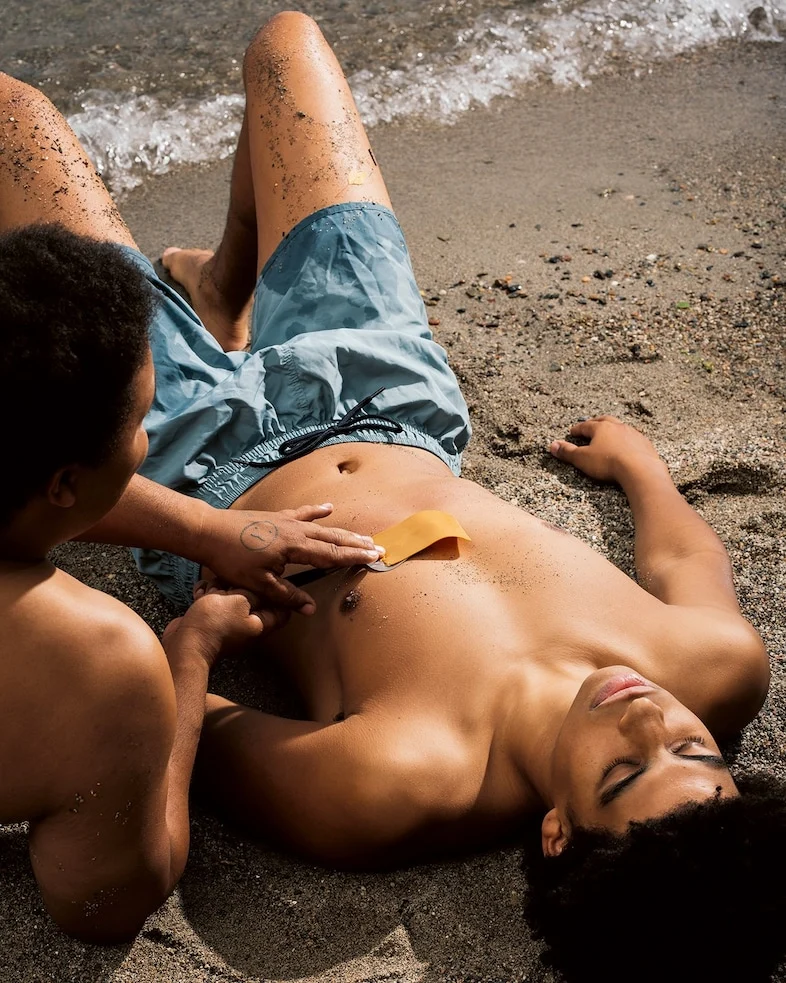
The artistic and photographic oeuvre of Dev Dhunsi culminates in his compelling new photo book, Mixed, published by MACK and Self Publish Be Happy (SPBH), and its accompanying exhibition, Unmistakably You, at the Nitja Centre for Contemporary Art in Norway. These twin projects represent a profound meditation on the multifaceted nature of identity, particularly in an era grappling with the limitations of language and rigid categorizations. Dhunsi’s work embraces fluidity, manifesting as a kaleidoscopic exploration across photographic genres, thematic scopes, and historical narratives, prompting a re-evaluation of how identity is perceived, articulated, and visually represented.
The Genesis of a Groundbreaking Project
The conceptual bedrock for Mixed was laid following Dhunsi’s receipt of the prestigious Nordic Photobook Award. This accolade, renowned within the photographic community for recognizing innovative and significant contributions to the medium, provided Dhunsi with an unparalleled opportunity to realize an ambitious vision. Rather than presenting an existing portfolio, Dhunsi’s unconventional approach involved proposing an entirely new project, articulated solely through text. This daring move underscored his desire to create something born purely from the opportunity, unfettered by previous artistic trajectories. "It didn’t make sense for me to apply to the award with something that already has a life. I wanted this book to feel completely new," Dhunsi explained in a recent conversation, highlighting his commitment to innovation and pushing creative boundaries.
The Nordic Photobook Award, typically granted to artists whose proposals demonstrate exceptional artistic merit and potential impact, serves as a significant launchpad for emerging and mid-career photographers in the Nordic region. Past recipients have often gone on to achieve international acclaim, solidifying the award’s reputation as a bellwether for photographic excellence. Dhunsi’s selection, based on a textual proposal rather than visual proofs, speaks volumes about the strength of his conceptual framework and the persuasive power of his artistic intent. The award, in essence, catalyzed a project that Dhunsi himself acknowledged he "couldn’t fulfil on his own," providing the necessary resources and institutional backing from esteemed publishers like MACK, known for their high-quality art and photography books, and SPBH, celebrated for their experimental approach to photobook publishing.
Evolving Concepts: From "Fatherland" to "Mixed"
Initially, Dhunsi’s project delved into a deeply personal exploration of his family’s roots in Scandinavia. His family’s migration to Norway during the 1980s and 1990s—a period marked by significant demographic shifts and increased immigration to Nordic countries—served as a crucial starting point. This era saw Norway, much like its Scandinavian neighbors, experience a substantial influx of immigrants from various parts of the world, including South Asia, North Africa, and Latin America. Dhunsi’s family, a microcosm of this broader societal transformation, comprises individuals with diverse heritages, including Algerian, Moroccan, and Argentinian, alongside his own Indian background. This personal history fueled an initial curiosity about the "tension of being from different places" and the complex relationship with national identity among those with hybrid roots.
The working title for this nascent project was Fatherland, a poignant homage to his father’s Indian heritage. Dhunsi’s initial ambition was expansive: to travel with his family members to their respective countries of origin, documenting the geographical and cultural differences. "I hoped that I would learn more about them outside the context of Norway through that experience," he elaborated, acknowledging that the scope proved "way too ambitious" for practical realization. This early conceptualization, while ultimately refined, laid the groundwork for the project’s enduring concern with belonging, displacement, and the construction of identity across borders.
The pivot from Fatherland to Mixed marked a crucial evolution. Dhunsi realized that the concept of "mixedness" extended far beyond racial identity, becoming a methodological and thematic principle. "The term mixed isn’t just fixed to this idea of racial identity. I wanted to use this concept of ‘mixedness’ as a method," Dhunsi clarified. This expanded definition allowed him to weave together a rich tapestry of photographic genres—from documentary and portraiture to archival interventions and text mimicking screenplays—creating a fluid narrative that resists easy categorization.
A Kaleidoscopic Visual Language
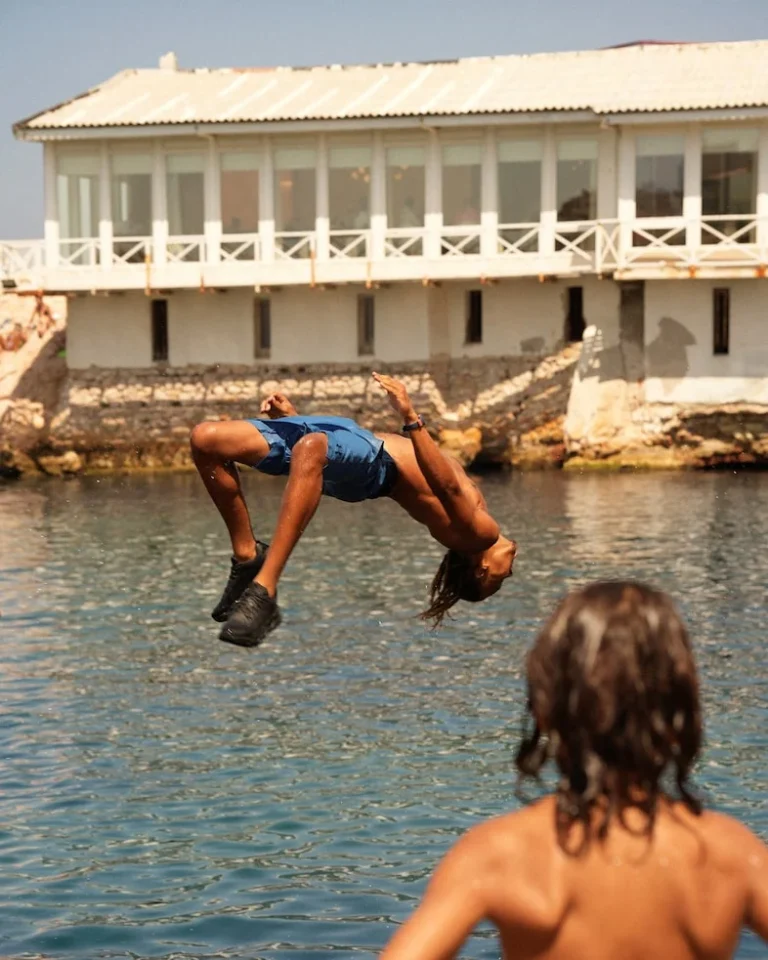
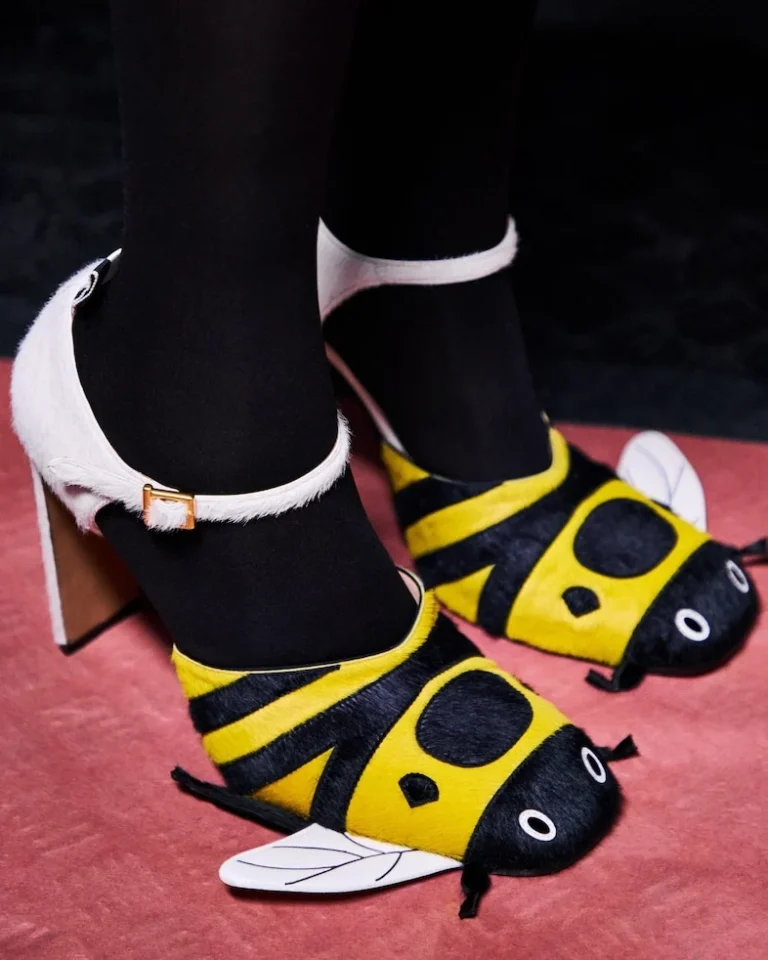
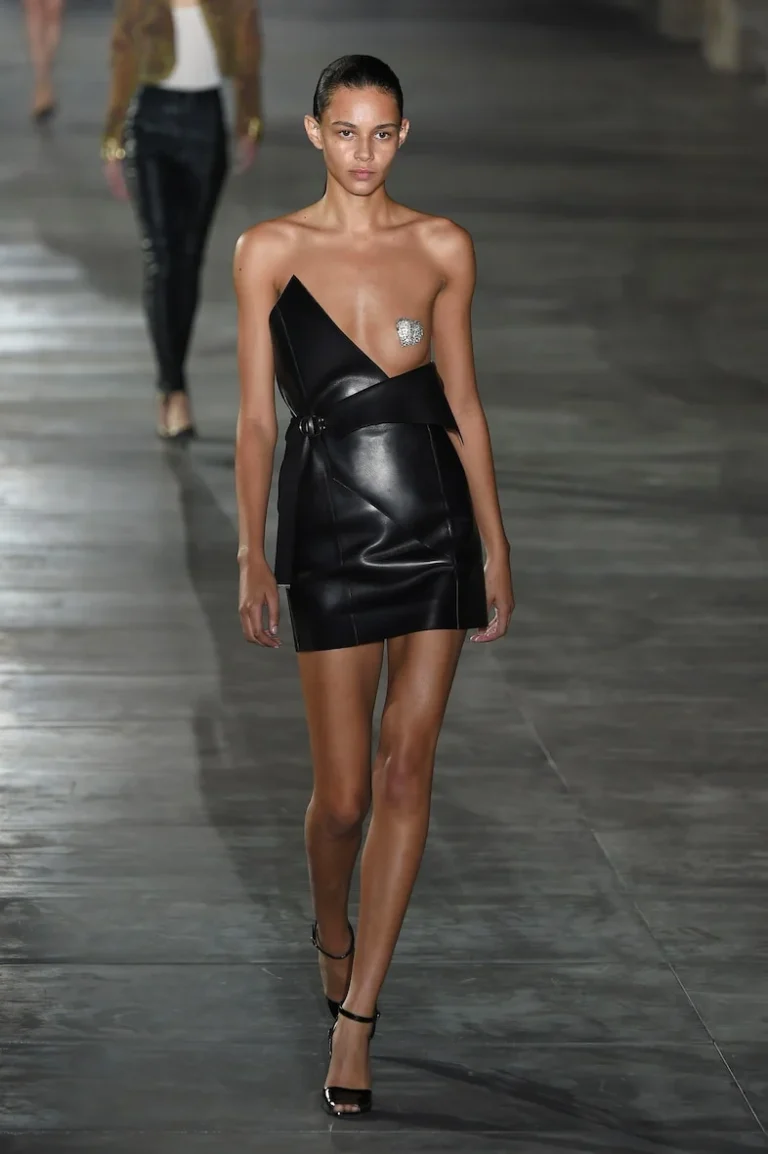
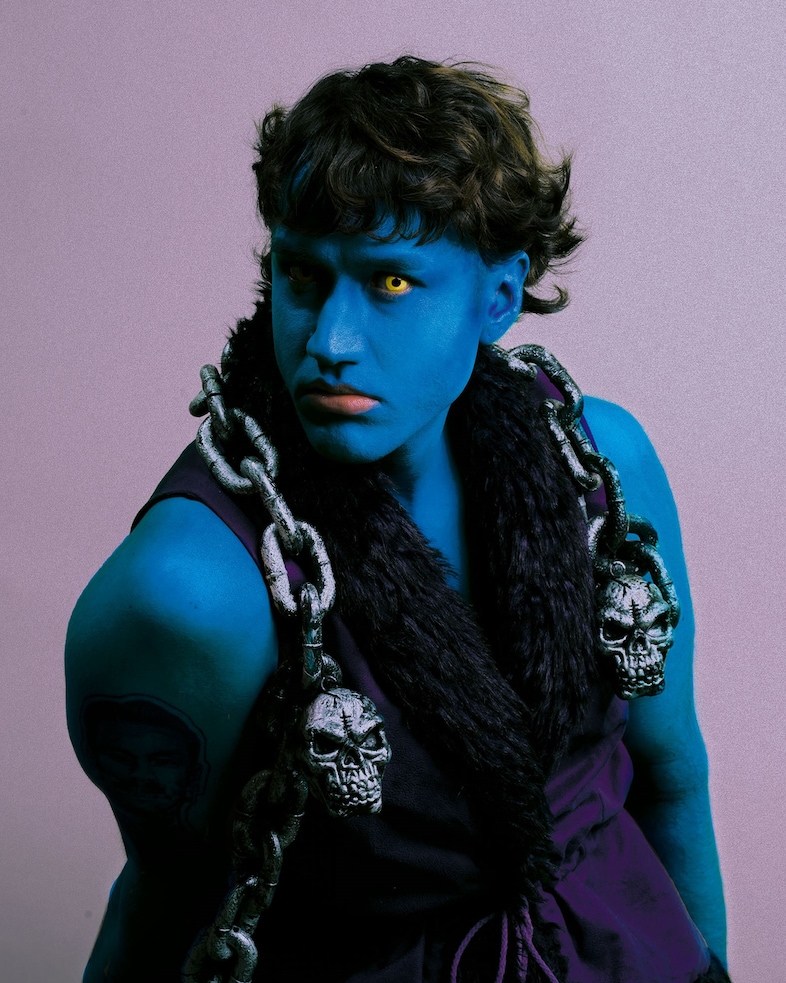
Mixed is a testament to this expansive vision. The book defies conventional photographic narratives, inviting viewers to navigate a dynamic visual landscape where juxtapositions are key. One might encounter a model adorned with intricate jewelry against a vibrant tangerine backdrop, only to turn the page and discover a self-portrait of Dhunsi embodying the Hindu goddess Kali, a powerful symbol of time and change. Further pages reveal a tonally inverted photograph of a bookshelf, disrupting visual expectations and hinting at layers of hidden knowledge. This deliberate genre-bending—incorporating myth, documentary, and personal narrative—serves to underscore the central theme: identity, when unconstrained by reductive language, manifests as a vibrant, ever-shifting collage.
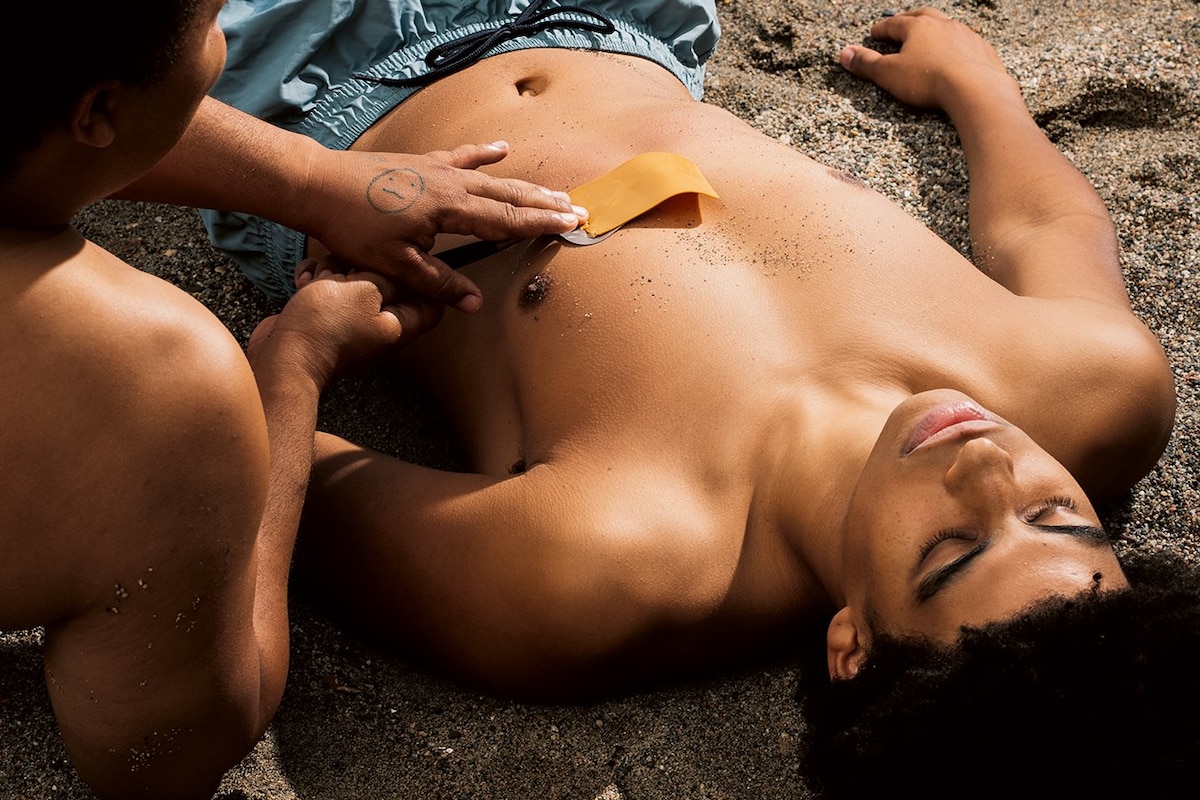
Dhunsi’s methodology required a conscious relinquishing of traditional artistic control. To genuinely explore identity and visibility in an era obsessed with definitive categories, he embraced a lack of rigid direction, allowing the conversations with his subjects to profoundly influence the visual output. This collaborative approach fostered an environment where subjects could actively participate in their own representation, sharing insights into their cultural heritage and how they wished to be seen. "It opened up the way I was able to work with people and create images," Dhunsi noted. "By talking to me about their own cultural heritage and how they felt like representing themselves, I was able to open up my own references and expand the kind of images I was making." This process not only enriched the visual content but also granted Dhunsi access to spaces and moments that might otherwise have remained inaccessible, mirroring the adaptability inherent in hybrid identities.
The artist draws a parallel between hybrid identities and queer experiences, both of which necessitate a fluidity in navigating diverse social environments. "Our hybrid identities function similarly to being queer in how they teach us to adapt to different rooms and spaces. You can cross a lot of borders and access moments that are unique and exciting," he posits. This sense of excitement, of discovering new perspectives through adaptation and open dialogue, is palpably conveyed throughout the book, offering a refreshing counter-narrative to the often-stifling pressures of singular identification.
Confronting the Past: The Archival Intervention
A particularly striking and critical element of Mixed is Dhunsi’s incorporation of unsettling archival material from The State Institute for Racial Biology in Sweden. This institution, which operated until its closure in 1959, was a notorious hub for racial biology and eugenics research, accumulating a vast collection of documents and photographic material used to categorize and "scientifically" justify racial hierarchies. The history of eugenics in Scandinavia, while often less publicized than in other parts of Europe, was significant, with institutions like the State Institute engaging in practices that profoundly impacted marginalized communities, including Sami people, Roma, and various immigrant groups.
Dhunsi’s decision to juxtapose his contemporary portraits with these historical artifacts is a deliberate and powerful act of artistic resistance. He explicitly aims to contextualize his project while simultaneously emphasizing the stark ideological and ethical chasm between his work and the archive’s violent legacy. "I wanted to include this archival material as a backstory for the project, but I also wanted to emphasise that this racial archive is totally different to my way of working," Dhunsi asserted. The archive’s practices—such as stripping subjects naked, subjecting them to anthropometric measurements, and omitting their names—represent a dehumanizing gaze, reducing individuals to mere specimens.
In stark contrast, Dhunsi’s practice is built on collaboration, respect, and the affirmation of individual identity. The inclusion of a thank you page listing all his subjects by name is not merely a gesture of gratitude but a profound political statement, directly challenging the anonymity and dehumanization embedded in the historical archive. It reclaims agency for the photographed subjects and underscores the ethical imperative of representation in photography. This engagement with a fraught historical archive positions Mixed not just as a contemporary art book but as a vital contribution to ongoing dialogues about decolonization, historical memory, and the power dynamics inherent in visual culture.
Unmistakably You: The Exhibition as an Embodied Experience
Complementing the photo book, Dhunsi’s exhibition at the Nitja Centre for Contemporary Art in Norway, titled Unmistakably You, extends these themes into a dynamic material space. The Nitja Centre, a prominent institution dedicated to showcasing contemporary art, provides an ideal platform for Dhunsi’s innovative approach to presentation. The exhibition’s title itself, Unmistakably You, echoes the book’s core tenet of affirming individual and complex identities.
Dhunsi’s curatorial strategy for Unmistakably You is as conceptually rich as the book itself, intentionally disrupting traditional modes of photographic display. He deliberately chose to avoid conventional framing or free-hanging photographs. "I didn’t want to neutralise these portraits or treat them as objects, as something one can theoretically buy and bring home," he explained. This decision directly challenges the commodification and aesthetic detachment often associated with art exhibitions, instead striving for a more immersive and interactive experience.
One series of photographs is printed on textiles and stretched onto canvas stretchers, blurring the lines between photography, painting, and textile art. Another series is presented as tapestries, further emphasizing the tactile and material aspects of the images. This choice of medium adds a layer of softness, intimacy, and domesticity, contrasting with the often rigid and formal presentation of archival photographs.
Perhaps the most impactful element of the exhibition’s design is the presentation of the archival images. Instead of being displayed on walls, these historical documents are "embedded into the wall so it looks like someone has ripped up the wall to expose the images." This visceral installation choice powerfully symbolizes the violent nature of the archive’s origins and the necessity of confronting hidden histories. It creates a sense of uncovering, of revealing suppressed narratives, and physically underscores the rupture between the dehumanizing past and Dhunsi’s affirming present.
For Dhunsi, the physical space of the exhibition becomes another crucial site of inquiry, mirroring the photo book’s function. It is a space that actively resists neutralization, labeling, or neat containment. Through innovative medium and method, Unmistakably You examines and critiques the limitations of traditional modes of presenting and categorizing photographs, inviting viewers to engage with identity not as a fixed entity but as a fluid, embodied, and historically situated experience.
Broader Implications and Artistic Legacy
Dev Dhunsi’s Mixed and Unmistakably You arrive at a critical juncture in global discourse on identity, migration, and historical reckoning. His work contributes significantly to contemporary art’s ongoing efforts to deconstruct essentialist categories and foster a more nuanced understanding of belonging in an increasingly interconnected yet polarized world. By blending personal narrative with historical critique, and by challenging photographic conventions, Dhunsi offers a potent model for artistic engagement with complex social issues.
The publications by MACK and SPBH ensure a wide reach for Mixed, positioning it within the canon of significant contemporary photobooks. The exhibition at the Nitja Centre further amplifies the project’s impact, providing a tangible, immersive experience that deepens the conversation initiated by the book. Dhunsi’s work is likely to provoke critical dialogue within art institutions, academic circles, and broader public forums, urging a re-examination of how history is archived, how identities are constructed, and how art can serve as a powerful tool for empathy and understanding.
In an art world often characterized by an obsession with novelty, Dhunsi’s work stands out for its intellectual rigor, ethical grounding, and aesthetic bravery. Mixed and Unmistakably You are not merely exhibitions of photographs; they are propositions for seeing, understanding, and engaging with the world anew, where "mixedness" is celebrated not as an anomaly, but as a rich and vital condition of contemporary existence.
Mixed (SPBH Editions, 2026) by Dev Dhunsi is published by MACK. Unmistakably You is now open at Nitja Centre for Contemporary Art, Norway, until April 26, 2026.