





The iconic British brand Barbour, celebrated globally for its enduring waxed cotton jackets and deep roots in country heritage, finds itself under increased scrutiny as its sustainability practices have been rated "Not Good Enough" by the rigorous assessment system of Good On You. This evaluation, published in February 2025, highlights a significant disconnect between the brand’s reputation for longevity and its current efforts towards environmental and social responsibility. For consumers seeking durable outerwear capable of withstanding the elements for decades, the call for more sustainable alternatives is becoming increasingly resonant.
The Heritage and Modern Paradox of Barbour
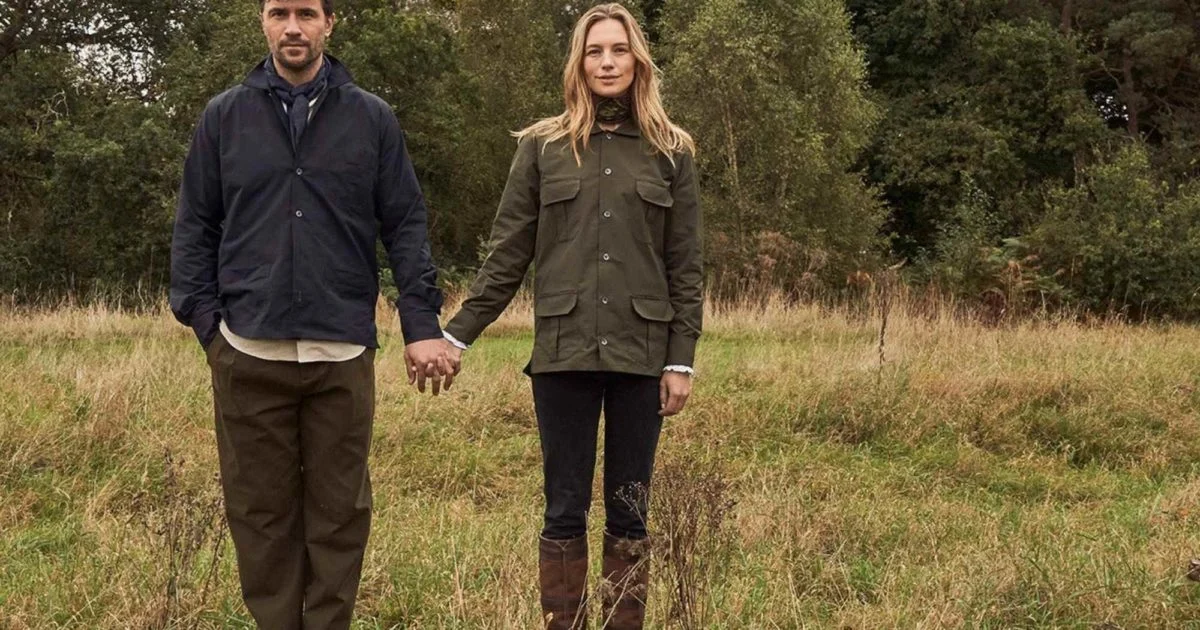
Founded by John Barbour in 1894, Barbour has woven itself into the fabric of English country life, evolving from practical workwear to a symbol of understated British style. Its signature waxed jackets have graced figures as diverse as Queen Elizabeth II, often seen on her Scottish estates, James Bond actor Daniel Craig, and fashion icon Alexa Chung at Glastonbury, cementing their status as a global fashion staple. Recent collaborations with contemporary labels such as GANNI (rated "It’s a Start") and Erdem (rated "We Avoid") have further propelled Barbour into the modern fashion consciousness, broadening its appeal beyond traditional demographics. The distinct navy or green hues, corduroy-lined collars and cuffs, and the resilient waxed coating are hallmarks of a brand synonymous with quality and enduring design.
However, this rich legacy and perceived durability do not automatically translate into modern sustainability leadership. The fashion industry, historically a significant contributor to environmental degradation and social inequities, is undergoing a profound transformation. Consumers, particularly younger generations, are increasingly demanding transparency and accountability from brands regarding their impact on people, the planet, and animals. It is within this evolving landscape that Barbour’s "Not Good Enough" rating takes on particular significance, signaling that even heritage brands must actively adapt to contemporary ethical imperatives.
Unpacking Barbour’s Sustainability Shortcomings
Good On You’s comprehensive rating system evaluates brands across a spectrum of environmental, labour, and animal welfare criteria. Barbour’s latest assessment reveals several critical areas where the brand falls short:
-
Environmental Stewardship: The rating found no demonstrable evidence that Barbour is actively addressing textile waste throughout its operations. The global fashion industry generates an estimated 92 million tons of textile waste annually, a figure projected to rise dramatically in the coming years. This waste often ends up in landfills, contributing to pollution and resource depletion. Effective textile waste strategies typically involve designing for durability, promoting repair and recycling initiatives, and incorporating recycled content into new products. While Barbour’s repair program is a notable positive, a broader strategy for waste reduction is evidently lacking. Furthermore, analysts could not find evidence of measures to protect biodiversity within its supply chain, nor clear commitments to reducing its water footprint. Textile production, especially conventional cotton cultivation and dyeing processes, is notoriously water-intensive, consuming trillions of liters annually and often leading to water pollution. Biodiversity loss is also a critical concern, linked to monoculture farming, chemical use, and deforestation for raw materials.
-
Labour Rights and Transparency: Perhaps one of the most concerning findings relates to labour practices. There was no evidence that Barbour pays a living wage to workers in its supply chain. A living wage is defined as the remuneration received for a standard workweek by a worker in a particular place sufficient to afford a decent standard of living for the worker and their family, including food, water, housing, education, healthcare, transportation, and other essential needs. This stands in stark contrast to minimum wages, which often fall short of covering basic living costs, trapping workers in cycles of poverty. Moreover, Good On You’s assessment revealed no signs of Barbour providing financial security to its suppliers. Such a lack of security is frequently associated with poor working conditions, downward pressure on wages, and precarious employment for workers further down the supply chain, especially in developing countries where a significant portion of garment manufacturing occurs. Transparency regarding supply chain practices, including supplier lists and audit results, is fundamental to addressing these issues.
-
Animal Welfare Concerns: Barbour incorporates animal-derived materials, including leather, wool, and down, into its products. The rating indicated a lack of traceability for these animal products to their first stage of production. This means the brand cannot adequately verify the conditions under which these animals were raised or slaughtered, nor the environmental impact of their production. The absence of clear mechanisms for implementing its animal welfare policy further compounds these concerns, raising questions about the ethical sourcing of these materials. Responsible animal welfare policies typically include commitments to practices like the "Five Freedoms" (freedom from hunger and thirst; freedom from discomfort; freedom from pain, injury, or disease; freedom to express normal behavior; freedom from fear and distress), along with robust auditing and certification systems.
Small Steps, Larger Journey: Barbour’s Glimmers of Progress
Despite these significant shortcomings, Barbour has demonstrated some positive movement, particularly in areas that align with its core brand identity of durability. The brand operates a highly popular repair program, which sees thousands of its iconic jackets rewaxed and mended each year. This initiative directly contributes to a circular economy model by extending product lifespan, reducing waste, and fostering a culture of care rather than disposability. This commitment to longevity is a natural fit for sustainable practices and could serve as a cornerstone for more comprehensive efforts.
Furthermore, since its previous rating in 2022, Barbour has made some incremental improvements. These include measuring certain greenhouse gas emissions and, crucially, committing to targets approved by the Science-Based Targets initiative (SBTi). The SBTi is a global collaboration that helps companies set ambitious emissions reduction targets in line with the latest climate science. Committing to SBTi targets is a significant first step towards mitigating climate impact, as it provides a structured framework for reducing emissions across a company’s operations and value chain. However, commitment alone is not enough; the actual implementation and reporting of progress are paramount. The continued need for greater transparency across all aspects of its supply chain remains a critical area for improvement for Barbour.
The Broader Implications and Industry Shift
Barbour’s "Not Good Enough" rating is not just a reflection on one brand; it is indicative of a broader industry trend where traditional practices are being challenged by evolving ethical standards and consumer expectations. In an era where information is readily available, brands can no longer rely solely on heritage or aesthetic appeal. The implications for Barbour are manifold:
- Brand Reputation and Consumer Trust: While Barbour enjoys strong brand loyalty, particularly among older demographics, younger consumers are increasingly making purchasing decisions based on ethical considerations. A negative sustainability rating can erode trust and alienate this crucial demographic, potentially impacting future sales and brand relevance.
- Competitive Disadvantage: The market for sustainable and ethical fashion is growing rapidly. As highlighted by the list of alternatives, numerous brands are emerging or already established that prioritize environmental protection, fair labour, and animal welfare. Barbour’s inaction in these areas could leave it lagging behind competitors who are actively embracing more responsible business models.
- Regulatory Pressure: Governments worldwide are beginning to implement stricter regulations regarding supply chain transparency, forced labour, and environmental impact (e.g., the EU’s Corporate Sustainability Due Diligence Directive). Brands that fail to proactively address these issues risk legal penalties, reputational damage, and operational disruptions.
- Investment and Talent Attraction: Companies with strong ESG (Environmental, Social, Governance) performance are increasingly favored by investors. Moreover, a commitment to sustainability can be a powerful tool for attracting and retaining top talent, especially among younger professionals who seek to work for purpose-driven organizations.
The Path Forward for Barbour
To align its practices with its reputation for lasting quality, Barbour needs to undertake a comprehensive overhaul of its sustainability strategy. This would involve:
- Enhanced Transparency: Publishing detailed supply chain maps, disclosing audit results, and openly reporting on key performance indicators related to environmental and social impact.
- Living Wage Implementation: Working with suppliers to ensure all workers across its supply chain receive a living wage, potentially through fair purchasing practices and capacity building.
- Circular Economy Integration: Expanding its repair program to include broader recycling and upcycling initiatives for products at the end of their life, and incorporating a higher percentage of recycled and sustainably sourced materials into new collections.
- Robust Animal Welfare: Implementing rigorous traceability systems for leather, wool, and down, coupled with third-party certifications and transparent reporting on animal welfare standards.
- Environmental Impact Reduction: Setting ambitious, measurable targets for reducing water use, chemical pollution, and carbon emissions beyond current commitments, and investing in renewable energy and cleaner production technologies.
Discovering Sustainable Alternatives to Barbour
For consumers who admire Barbour’s classic aesthetic but are unwilling to compromise on ethical values, a vibrant landscape of more sustainable brands offers compelling alternatives. These brands prioritize different aspects of sustainability, from fair labour practices to innovative material use and robust environmental commitments, providing diverse options for lasting outerwear and country-inspired apparel.
ISTO.
This Portuguese brand embodies a philosophy of "quality over quantity," focusing on a single, timeless collection designed to transcend seasons. ISTO. prioritizes organic materials and radical transparency, detailing the true cost of each garment. With a commitment to permanence, their pieces are crafted to be staples in any wardrobe, making them an excellent choice for those seeking enduring style with a clear conscience. Available in sizes XS-XL.
Wuxly Movement
A Canadian outerwear innovator, Wuxly Movement combines high-performance technical design with a strong ethical stance. Utilizing tech-based and recycled materials, the brand offers elite protection while consciously excluding animal products. Drawing on Canada’s rich manufacturing heritage, Wuxly provides a cruelty-free option for robust rainwear, making it ideal for environmentally and ethically conscious consumers. Available in sizes 2XS-3XL.
Amble Outdoors
Hailing from Australia, Amble Outdoors (formerly Team Timbuktu) specializes in high-performance waterproof raincoats and sweat-wicking outdoor wear. Their commitment to sustainability is evident in their use of recycled plastic bottles for their products, demonstrating a tangible effort to repurpose waste into functional apparel. Available in sizes XS-4XL.
Outerknown
Co-founded by surf champion Kelly Slater, Outerknown seamlessly blends style, function, and a deep commitment to environmental protection. The brand is Bluesign certified, ensuring responsible and sustainable textile production, and partners with the Fair Labour Association, highlighting its dedication to fair labour practices. Outerknown offers a range of durable, thoughtfully designed apparel for an active, conscious lifestyle. Available in sizes XS-2XL.
Finisterre
Born from the rugged demands of British surfers, Finisterre is a pioneering outdoor brand deeply rooted in a love for the sea. It champions exceptional products designed for longevity and performance, all while maintaining a strong commitment to sustainability. Their focus on durable, high-quality gear makes them a natural fit for those seeking robust outerwear with an ethical compass. Available in sizes XS-2XL.
Rapanui
This award-winning UK fashion brand offers surf-inspired clothing produced in a wind-powered factory, showcasing a strong commitment to renewable energy. Rapanui provides a range of essentials, from surf towels to hoodies, designed for warmth and comfort after outdoor adventures, all while adhering to high environmental standards. Available in UK sizes 8-18.
Toad&Co
A US-based brand, Toad&Co is driven by a socially and environmentally conscious approach. Their women’s and men’s wear is versatile, designed to perform equally well on challenging trails and in relaxed social settings. The brand emphasizes durable construction and responsible sourcing, catering to consumers who value both adventure and ethics. Available in sizes XS-2XL.
Opera Campi
Founded in Italy in 2017, Opera Campi crafts premium quality garments from locally-sourced raw materials. The brand adopts a balanced approach to sustainability, making conscious choices throughout its supply chain and dedicating 4% of its profits to social causes. This holistic approach ensures both environmental responsibility and positive community impact. Available in sizes 3XS-3XL.
Patagonia
A true titan in the outdoor industry, Patagonia lives and breathes its commitment to the environment. The brand produces clothing for a wide array of outdoor activities, boasting "Good" labour practices and a strong preference for recycled over virgin polyester. Patagonia has also made significant strides in reducing its energy use and emissions, solidifying its reputation as a leader in sustainable apparel. Available in sizes 2XS-3XL.
CARPASUS
This Swiss menswear brand specializes in fine shirts, ties, socks, and pocket squares. CARPASUS utilizes GOTS-certified organic cotton and prioritizes local manufacturing to minimize its carbon footprint. Crucially, the brand traces its entire supply chain and ensures that its workers are paid a living wage, setting a high standard for ethical production. Available in EU sizes 36-46.
WAWWA
A UK brand dedicated to putting the Earth and its inhabitants first, WAWWA creates organic, fair trade, and vegan-friendly clothing with a positive social impact. They employ lower-impact materials, including recycled content and non-toxic dyes, and actively reuse offcuts to minimize textile waste, showcasing a strong commitment to circularity. Available in sizes XS-2XL.
BEDI
Canadian brand BEDI creates handmade bags, knits, and outerwear driven by a creative ethos for a better tomorrow. Emphasizing circularity, they carefully select lower-impact materials such as upcycled airline seat leather, recycled fish nets, vegan cactus leather, and sustainably grown cotton. Their slow fashion approach ensures pieces are grounded in utility and built for life, intended to be cherished for generations. Available in sizes XS-XL.
Sheep Inc
Focused on responsibly sourcing the finest merino wool, Sheep Inc is a knitwear brand guided by principles of "respect for nature and a shared belief in the power of innovation… harmony with the environment and animal welfare." Their commitment to ethical wool production offers a transparent and humane alternative for warm, luxurious knitwear. Available in sizes XS-2XL.
Neem
Hailing from the UK, Neem designs men’s clothing with a core focus on a transparent supply chain and environmental protection. Their dedication to ethical practices ensures that consumers can enjoy stylish, high-quality garments with confidence in their provenance. Available in sizes S-2XL.
NIKIN
For those who wear their values, Swiss brand NIKIN offers a compelling proposition: a tree is planted for every product purchased. This direct environmental contribution, combined with their commitment to responsible production, allows consumers to visibly support reforestation efforts through their fashion choices. Available in sizes XS-2XL.
tentree
The Canadian brand tentree is built on a powerful mission: planting ten trees for every item sold to regenerate ecosystems and create planting jobs globally. With over 65 million trees already planted, tentree’s Earth-first approach ensures fair and safe working conditions, and the use of lower-impact and recycled materials across its entire product range. Available in sizes XS-XL.
Komodo
UK brand Komodo places people and the planet at the forefront of its menswear and womenswear collections. The label incorporates more responsible materials like GOTS-certified cotton and hemp and ensures that the majority of its suppliers pay a living wage to their workers, reflecting a holistic commitment to ethical fashion. Available in UK sizes 8-16.
This thorough evaluation by Good On You serves as a critical reminder that even established brands like Barbour must continually evolve their practices to meet the escalating demands for sustainability. While Barbour’s commitment to product longevity through its repair program is commendable, a more comprehensive and transparent approach to its environmental footprint, labour practices, and animal welfare is imperative for it to maintain relevance and trust in an increasingly conscious marketplace. For consumers, the growing number of genuinely sustainable alternatives offers a clear path to making more ethical choices without sacrificing quality or style.