




The annual holiday shopping season frequently introduces heightened stress levels for consumers attempting to navigate the complex landscape of romantic gift-giving. According to consumer retail data compiled during fourth-quarter holiday periods, a significant percentage of gift-givers report experiencing acute anxiety when selecting presents for romantic partners, often deferring purchases until the final 48 hours preceding Christmas Eve. To mitigate this pervasive seasonal phenomenon, retail analysts and style experts emphasize the strategic value of focusing on items that combine aesthetic appeal with functional utility, shifting the paradigm from speculative purchasing to deliberate, curated selection.

The psychological burden associated with finding the ideal present often stems from a perceived need for emotional resonance combined with tangible utility. Historically, holiday retail trends indicate that categories centered around elevated comfort, everyday luxury, and personal care consistently outperform novelty items in terms of long-term recipient satisfaction. Market research from leading lifestyle publications underscores a growing consumer preference for utilitarian luxury—products that elevate daily routines without appearing overly ostentatious or impractical. This balanced approach forms the foundation of contemporary gift curation, particularly within demographic segments that value both design integrity and tactile comfort.

The evolution of holiday gift guides has mirrored broader shifts in consumer behavior over the past decade. In the early 2000s, seasonal shopping recommendations heavily prioritized mass-market electronics and generic packaging sets. By the mid-2010s, the rise of social media platforms fundamentally altered these dynamics, elevating niche brands, direct-to-consumer comfortwear, and artisanal homewares into primary luxury categories. Retail economists note that contemporary shoppers increasingly research acquisitions months in advance, seeking endorsements from trusted editorial sources to minimize the risk of dissatisfaction. Consequently, curated selections featuring established design houses alongside emerging wellness brands provide a reliable framework for navigating the holiday market.

Elevating the Domestic Sphere: Self-Care and Comfort Essentials
Transforming residential spaces into personal sanctuaries has emerged as a dominant lifestyle priority. Leading this category is the BAINA Self-Care Set, which reinterprets everyday bathroom textiles through an architectural lens. Comprising organic cotton towels featuring bold, graphic color blocking, the collection addresses a growing consumer demand for sustainable materials paired with sophisticated interior design aesthetics. Industry reports indicate that home-wellness product sales surge by upwards of 35% during the fourth quarter, driven by consumers seeking holistic environments that promote relaxation during the winter months.

Complementing domestic sanctuaries are footwear and loungewear selections designed to merge tactile comfort with high-fashion sensibilities. The Loeffler Randall Marky Slippers utilize classic gingham patterns and plush linings to elevate traditional indoor footwear into a statement piece. Similarly, the If Only If Etta Gingham Nightdress capitalizes on the enduring popularity of heritage textiles, offering breathable, premium cotton nightwear tailored for leisurely mornings. Market analysts attribute the sustained demand for elevated sleepwear to the normalization of hybrid work models, which has increased the time individuals spend in home environments and subsequently heightened their investment in comfort-driven apparel.

Quiet Luxury and Everyday Accessories: Jewelry and Leather Goods
In the realm of accessories, the trend toward understated elegance—frequently termed "quiet luxury"—continues to dictate market preferences. The Tilly Sveaas Gold T-Bar Bracelet exemplifies this shift, offering a minimalist yet distinct design utilizing recycled precious metals. Financial analysts specializing in the luxury goods sector note a steady year-on-year increase in demand for demi-fine jewelry that transitions seamlessly from casual daytime wear to formal evening settings, outperforming trend-driven, highly seasonal pieces.

Expanding upon this aesthetic, the Métier London Edge Clutch represents the pinnacle of craftsmanship within the under-the-radar luxury segment. Handcrafted from buttery calfskin leather by skilled artisans, the piece avoids overt branding in favor of superior material quality and structural integrity. Retail experts suggest that discerning consumers increasingly favor heritage craftsmanship over logo-centric accessories, reflecting a broader cultural movement toward longevity, sustainability, and discreet consumption in personal style.
Weatherproofing Winter: Cold-Weather Apparel and Iconic Outerwear
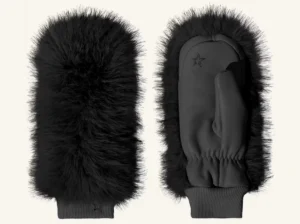
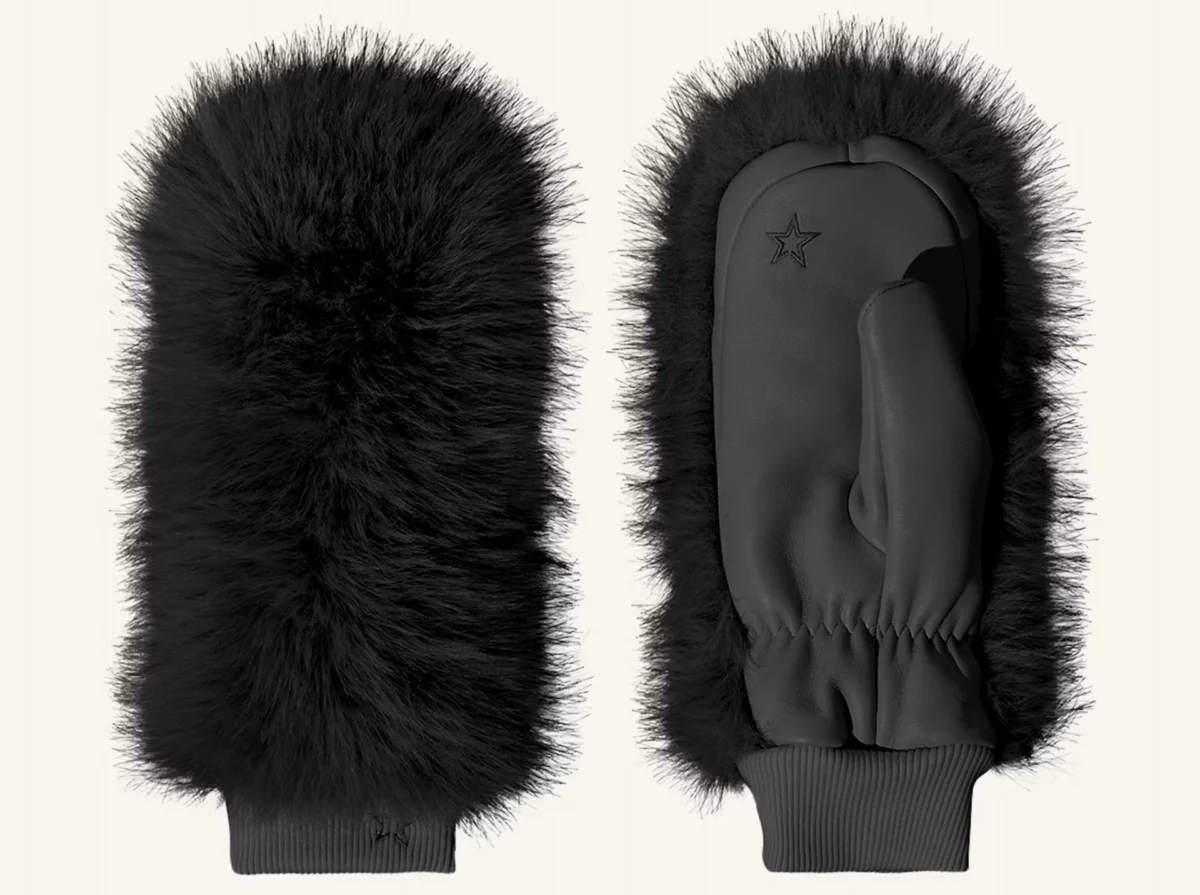
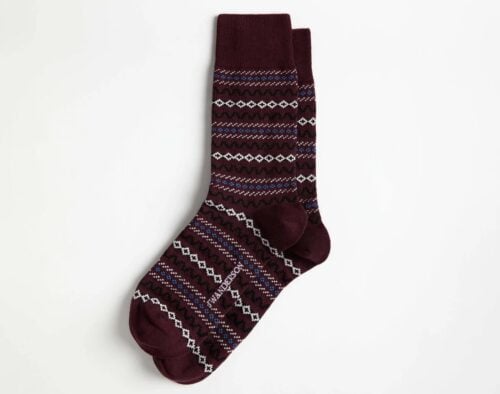
As temperatures decline across Northern Hemisphere markets, functional winter accessories emerge as essential components of seasonal gift strategies. The Perfect Moment Faux-Fur Mittens capture the coveted après-ski aesthetic, combining technical warmth with playful textures derived from winter sports culture. Meanwhile, smaller stocking-stuffer alternatives, such as the JW Anderson Fair Isle Socks, leverage traditional knitting patterns to deliver high-end design sensibilities at an accessible price point, bridging the gap between novelty items and luxury apparel.

At the upper echelon of winter wear, the Acne Studios Mohair Scarf maintains its status as an undisputed cultural touchstone. Originally introduced as a seasonal accent, the oversized, brushed mohair scarf has achieved iconic status within contemporary fashion circles, frequently appearing on international street style roundups. Retail data confirms that demand for recognizable, signature winter accessories remains exceptionally resilient, driven by consumers seeking definitive wardrobe staples that retain secondary market value and long-term stylistic relevance.

Playful Knitwear and Viral Comfort Staples
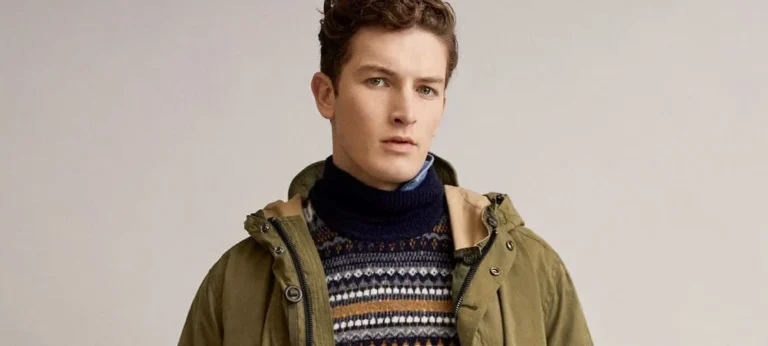
Balancing sophisticated design with approachable charm, the GANNI Wool Graphic Sweater offers a distinct perspective on contemporary knitwear. Hailing from the Copenhagen-based fashion house renowned for its distinct Scandinavian cool aesthetic, the garment incorporates bold graphic elements without sacrificing warmth or structural quality. Fashion historians and trend forecasters observe that consumers increasingly look to Scandinavian labels to inject personality and color into otherwise monochromatic winter wardrobes.
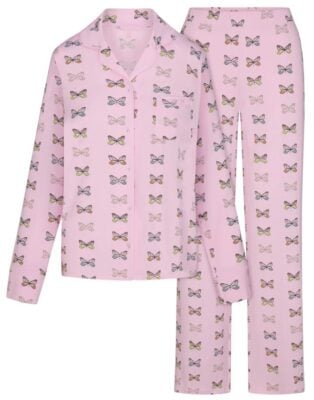
Concurrently, viral comfort items continue to dominate digital retail landscapes. The SKIMS Flannel Sleep Set has achieved widespread acclaim for its precise fit engineering and exceptionally soft fabrication. Industry trackers report that direct-to-consumer loungewear brands experience unprecedented order volumes during the festive shopping window, propelled by social media validation and word-of-mouth recommendations regarding comfort and durability.

Fragrance and Body Care: Sensory Indulgence
The sensory dimension of gift-giving is powerfully represented through premium home and personal fragrance selections. The Le Labo Hinoki Hand Duo translates the serene atmosphere of Japanese hinoki forests into an everyday ritual, combining botanical cleansers with distinctive, earthy aromatics. Market research within the prestige beauty sector indicates that hand and body care sets from luxury perfumeries serve as reliable entry points for consumers exploring high-end fragrance houses without committing to full-size perfumes.

Rounding out the spectrum of olfactory gifts is the Tom Ford Rose D’Amalfi Eau de Parfum. As part of the designer’s private blend collection, the fragrance reinterprets traditional floral notes through a modern, gender-neutral lens, blending Italian bergamot with solar rose accords. Fragrance industry reports consistently rank Tom Ford formulations among the most searched and gifted luxury beauty products, highlighting the enduring consumer desire for high-end sensory experiences during celebratory periods.

Market Implications and Strategic Outlook
The concentration of high-end gift options across wellness, apparel, and accessories underscores a fundamental transformation in consumer gifting psychology. Rather than relying on guesswork or generic retail items, modern shoppers utilize curated editorial guidance to align gift selections with the recipient’s established lifestyle preferences. Economic analysts project that this trend toward intentional, utility-driven luxury will continue to shape fourth-quarter retail performance, favoring brands that successfully merge ethical production standards, superior craftsmanship, and timeless design. By prioritizing items that integrate seamlessly into daily routines, consumers not only mitigate holiday stress but also ensure long-term appreciation and utility for the recipient.