










The sustained dominance of Dove within the global personal care market is not merely a product of brand longevity, but rather a reflection of consistent technical evolution in dermatological hygiene. Since its inception in 1957, when the original Dove Beauty Bar was introduced as an alternative to traditional, high-pH soap, the brand has maintained a strategic focus on the intersection of cleansing and skin barrier preservation. Today, the brand’s portfolio—ranging from advanced serum-infused body washes to specialized antiperspirants—serves as a primary case study in how mass-market consumer goods can integrate clinical-grade ingredients to address diverse dermatological needs. This analysis examines the performance, chemical composition, and consumer impact of Dove’s current top-tier offerings, while contextualizing their role in modern skincare routines.
The Evolution of In-Shower Hydration: A Technological Shift
The paradigm of the daily shower has shifted from simple hygiene to an essential component of skin maintenance. Historically, conventional surfactants used in body cleansers were often criticized by dermatologists for their tendency to strip the skin of its natural lipid barrier, leading to transepidermal water loss (TEWL) and subsequent irritation.

Dove’s recent foray into high-concentration serum cleansers, most notably the Serum + Radiance Oil Body Wash, represents a significant pivot toward "skincare-first" body cleansing. This product incorporates a 50% glycerin base, a humectant renowned for its ability to draw moisture into the stratum corneum. By leveraging MicroMoisture technology—a delivery system that encapsulates lipids within the cleansing matrix—the brand ensures that moisture is deposited during the rinse-off phase rather than being entirely washed away.
Dermatological experts, including Dr. Dara Spearman, have highlighted the importance of this shift for populations with mature or compromised skin. As skin ages, its natural ability to retain hydration diminishes; therefore, the move toward non-stripping, oil-infused formulations provides a protective buffer that prevents the inflammatory cycle often triggered by harsh detergents.
Antiperspirant Innovation: The Hall of Fame Benchmark
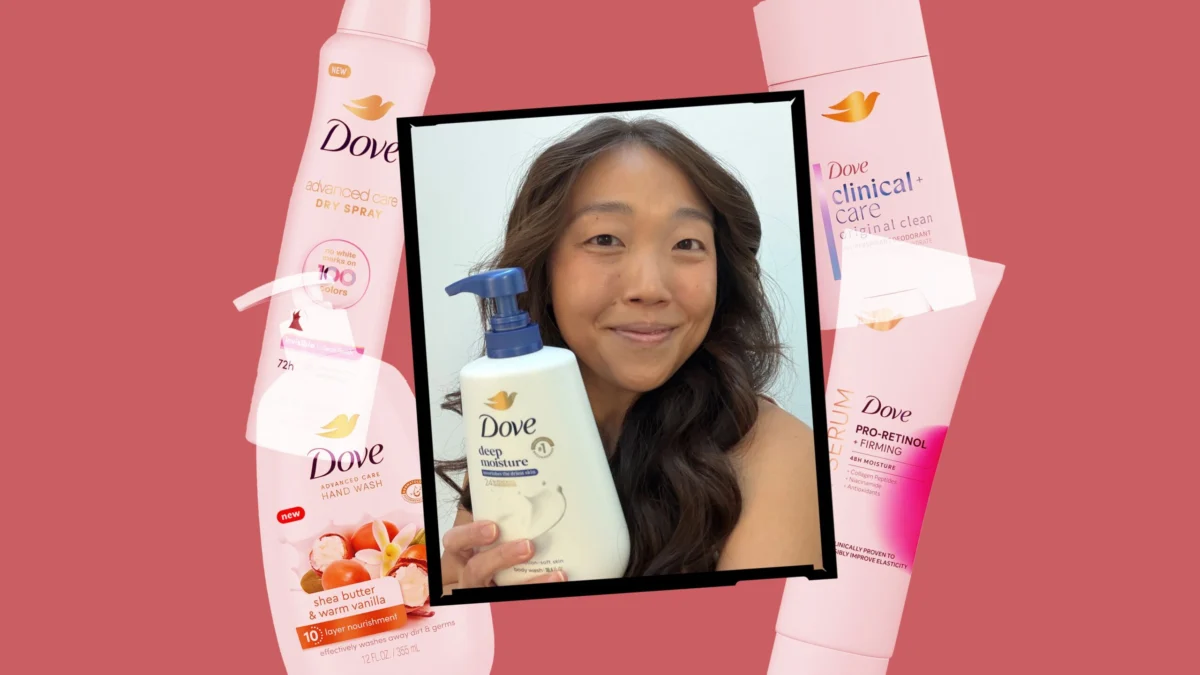
Perhaps no category demonstrates Dove’s market longevity as effectively as its antiperspirant line. The Advanced Care Cool Essentials Dry Spray Antiperspirant has earned its position in the Allure Best of Beauty Hall of Fame, a designation reserved for products that maintain consistent excellence over several years.

The efficacy of this product is anchored by 20% aluminum chlorohydrate, a standard clinical benchmark for managing sweat production. However, the true innovation lies in the removal of denatured alcohol—an ingredient historically used to facilitate quick drying in aerosols but frequently associated with underarm sensitivity and irritation. By substituting alcohol with high concentrations of sunflower seed oil and proprietary skin-conditioning agents, the formula addresses the dual demand of odor control and skin barrier health.
This transition from purely functional protection to "therapeutic" deodorant represents a broader industry trend. Modern consumers, informed by digital beauty discourse, now prioritize the health of the underarm microbiome. Consequently, the brand’s ability to maintain high-strength sweat protection while ensuring a soft-touch application has set a high barrier to entry for competitors in the mass-market space.
Strategic Product Diversification: From Cleansing to Treatment
The expansion into specialized treatments, such as the Pro-Retinol Body Cream Serum, signifies Dove’s entry into the "body-as-face" movement. For decades, dermatological attention was heavily concentrated on facial skincare. Recent data suggests a significant uptick in consumer interest regarding body-focused anti-aging solutions, with searches for "retinol body treatments" increasing by approximately 40% over the last two fiscal years.

The inclusion of retinyl propionate in a body-specific cream is notable for its lower irritation profile compared to prescription-strength tretinoin or aggressive retinol esters. By pairing this retinoid with niacinamide and collagen peptides, the product is engineered to promote cellular turnover while simultaneously reinforcing the skin’s elastic fibers. This multi-modal approach addresses common concerns such as loss of elasticity, uneven skin tone, and textural irregularities, effectively bridging the gap between drugstore affordability and clinical efficacy.
Methodology and Rigor: The Role of Expert Validation
To maintain its market position, the parent company, Unilever, utilizes a rigorous research and development process. The assessment of these products involves collaboration with independent, board-certified dermatologists who vet ingredients against peer-reviewed studies.
The testing criteria for Dove’s body care line generally focus on five pillars:

- Barrier Integrity: Measuring the prevention of transepidermal water loss after repeated usage.
- Microbiome Compatibility: Ensuring that the surfactant systems do not significantly alter the natural bacterial flora of the skin.
- Sensory Profile: Evaluating the cosmetic elegance, including fragrance volatility, absorption speed, and residue profile.
- Efficacy of Actives: Quantifying the performance of specific ingredients like niacinamide, vitamin C derivatives, and aluminum salts.
- Consumer Compliance: Monitoring usage patterns to ensure that the products are integrated into daily habits without requiring excessive time or complexity.
This systemic approach is crucial, as the modern beauty consumer is increasingly skeptical of marketing claims. By grounding product releases in dermatological science, the brand mitigates the risks associated with consumer skepticism and builds long-term brand loyalty.
Broader Economic and Societal Implications
The success of these products within the mass-market sector has broader implications for the beauty industry. As inflation affects consumer purchasing power, there is a clear trend toward "smart luxury"—the search for high-performance products at accessible price points. Dove’s ability to scale high-quality formulations while maintaining an entry-level price point (typically under $15 for core products) challenges the premise that high-efficacy skincare must be prohibitively expensive.
Furthermore, the brand’s focus on diverse skin types and concerns—such as hyperhidrosis, KP-prone skin, and extreme dryness—demonstrates an inclusive approach to product development. By acknowledging that skin concerns are not monolithic, the brand has successfully captured a wider demographic, spanning from younger consumers interested in preventative care to older cohorts focused on restoration and maintenance.

Conclusion: The Future of Mass-Market Body Care
Looking ahead, the trajectory of Dove’s product development suggests a continued emphasis on ingredient transparency and sustainable formulation. As consumer awareness regarding the chemical composition of personal care products grows, the pressure on manufacturers to eliminate endocrine disruptors and non-biodegradable polymers will intensify.
The brand’s current strategy, which combines time-tested classics like the Deep Moisture Body Wash with innovative, treatment-oriented products like the Pro-Retinol Serum, provides a stable foundation for future growth. By continuing to prioritize the intersection of dermatology and daily hygiene, Dove maintains its relevance in a crowded, competitive market. The long-term success of these offerings is a testament to the fact that when clinical standards are applied to everyday rituals, the result is not only increased brand equity but a measurable improvement in consumer skin health outcomes. As the industry moves toward more personalized care, the ability to maintain this balance of scientific rigor and accessibility will remain the ultimate measure of success for global personal care leaders.