









Dry skin presents a unique challenge in the realm of dermatological health, particularly when it comes to daily sun protection. Whether resulting from seasonal environmental fluctuations, natural aging processes, hormonal shifts, or the side effects of prescription medications, a compromised skin barrier requires more than just ultraviolet (UV) filtration. The most effective sunscreens for these conditions are those that provide immediate hydration, smooth surface texture, and maintain a protective barrier while delivering a luminous finish.

Board-certified dermatologists, including Dr. Mona Foad of Cincinnati and Dr. Ashley McGuinness of Chesterfield, Missouri, emphasize that the selection of a sunscreen for dry or sensitive skin must prioritize the restoration and preservation of the skin barrier. Ingredients such as hyaluronic acid, glycerin, niacinamide, and ceramides are essential, as they function as humectants and emollients to attract moisture, lock it into the epidermis, and mitigate the risk of irritation. While both chemical and mineral filters can be formulated to be hydrating, mineral-based UV filters—specifically zinc oxide and titanium dioxide—are frequently cited as being more compatible with sensitive, reactive skin profiles.
The Evolution of Sun Protection Standards
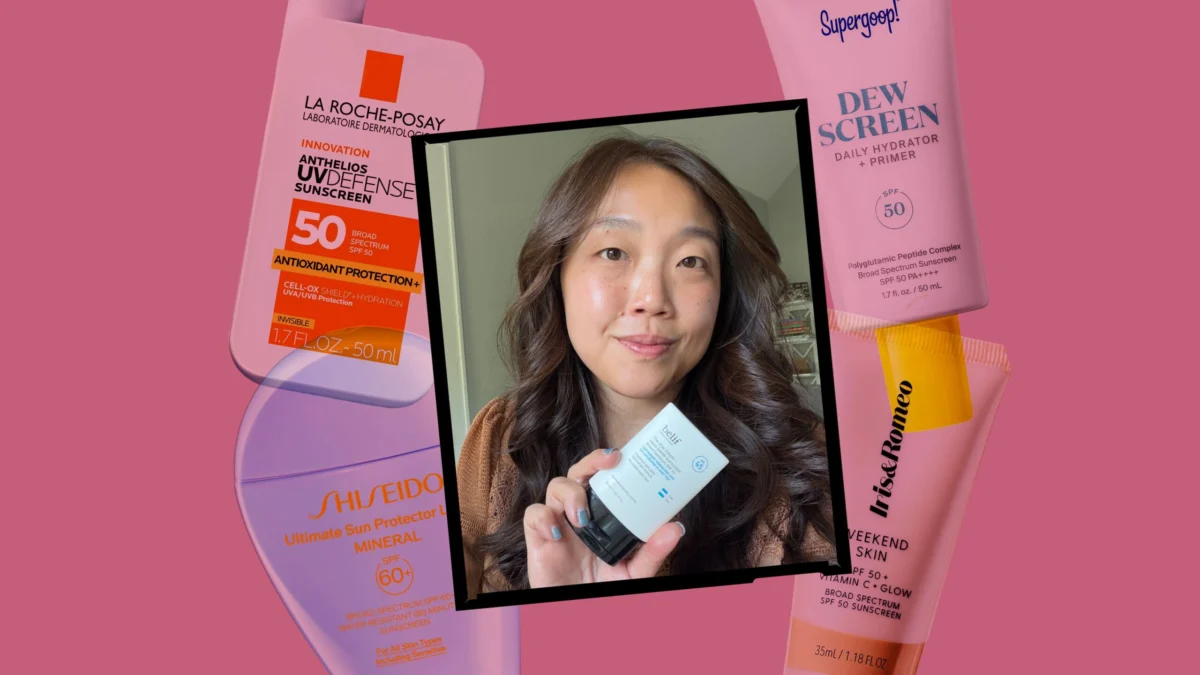
The science of sunscreen formulation has evolved significantly over the last two decades. For years, the United States market faced criticism for a lack of innovation in UV filter technology compared to European and Asian counterparts. This changed recently with the FDA approval of bemotrizinol (BEMT), a photostable UV filter that protects against both UVA and UVB rays without breaking down rapidly under solar exposure. The introduction of this filter into domestic products, such as the La Roche-Posay Anthelios UVDefense Sunscreen SPF 50, marks a significant milestone in consumer sun safety.

Historically, the industry relied on older, less stable filters, which often necessitated thicker, chalkier formulations. The modern shift toward "skincare-first" sunscreens reflects a broader consumer demand for multitasking products. Data from the global skincare market indicates that consumers are increasingly favoring products that provide cosmetic benefits, such as a glowy complexion, alongside medical-grade protection. This convergence of dermatology and cosmetics has led to the development of sophisticated textures that mimic high-end moisturizers rather than traditional, heavy sunblock.
Strategic Selection: Key Product Profiles
Selecting the appropriate sunscreen involves evaluating the specific needs of the user’s skin type. For those requiring a chemical-based approach, the La Roche-Posay Anthelios UVDefense SPF 50 has emerged as a leader due to its inclusion of 2% BEMT and an antioxidant blend containing litchi extract, alteromonas, and vitamin E. These ingredients are designed to neutralize free radicals generated by UV radiation and environmental pollutants, providing a defensive layer beyond mere light scattering.

For individuals seeking mineral-only protection, the Shiseido Ultimate Sun Protector Lotion Mineral SPF 60+ represents the current standard. Awarded recognition in the 2025 Best of Beauty category, this formula utilizes a complex of raspberry extract, witch hazel, and five distinct types of algae to maintain hydration. The transition from heavy, paste-like mineral sunscreens to fluid-like, non-greasy lotions has been facilitated by advancements in particle dispersion technology, allowing for higher SPF levels without the traditional white cast.
Specialized concerns, such as chronic redness, are being addressed through color-theory applications. The EltaMD UV Skin Recovery Red Color Correcting SPF 50, another 2025 award winner, employs a sheer green pigment to neutralize redness upon contact. This is combined with Centella asiatica (cica) and an amino acid complex to soothe inflammation. Such targeted formulations demonstrate the industry’s movement toward personalized dermatology, where the sunscreen serves as both a therapeutic treatment and a cosmetic base.

Integrating Sunscreen into Daily Regimens
The standard guidance from dermatological experts is to apply a lightweight moisturizer, allow it to reach full absorption, and then proceed with a broad-spectrum sunscreen. However, as the market trends toward hybrid products, many consumers are finding that specialized sunscreens—such as the Belif The True Cream Aqua Bomb Sunscreen SPF 45 or the Supergoop Dewscreen Hydrating Primer SPF 50—can effectively replace a standalone moisturizer.
The Iris & Romeo Weekend Skin SPF 50 further illustrates this trend by incorporating vitamin C and niacinamide into a tinted formula. This product category, often termed "skin-tinted sunscreen," is designed to provide light coverage that evens out skin tone while simultaneously delivering high-level protection. The success of these products in clinical testing environments suggests that the future of sunscreen lies in its ability to serve as a comprehensive, all-in-one morning treatment.

Regulatory and Methodological Context
The testing of these products follows rigorous protocols. Allure and other industry-leading reviewers evaluate sunscreens based on a five-category methodology: ingredient efficacy, packaging durability, fragrance profiles, texture, and cosmetic wear. This process involves the oversight of dermatologists, cosmetic chemists, and a diverse group of testers who assess how formulas interact with varying skin tones, ages, and hydration levels.
The implications of this rigorous vetting are significant. As the public becomes more educated about the dangers of photoaging and skin cancer, the demand for consistent daily usage has increased. By removing the sensory barriers—such as tackiness, stinging, or the presence of a white residue—brands are successfully increasing compliance with daily sun protection guidelines.

Broader Impact and Future Directions
The shift toward hydrating, antioxidant-rich sunscreens is expected to continue as the lines between "makeup" and "skincare" further blur. Current market analysis suggests that products offering added benefits like anti-pollution shielding, color correction, and long-term barrier repair are outperforming traditional, basic sunscreens.
Dermatologists generally advise that while SPF 30 is the minimum standard for daily protection, the "best" sunscreen is ultimately the one that an individual will wear every single day without fail. The movement away from alcohol-heavy sprays and toward lotion-based creams is a critical development for the dry-skin demographic. By replacing harsh solvents with soothing, moisture-attracting agents, the industry is helping to ensure that the primary defense against UV-induced damage is also the primary defense against daily dehydration.

As research into new UV filters continues and the cosmetic elegance of these formulas improves, the barrier to entry for daily sun protection is lowered. The integration of clinical-grade ingredients—such as peptides, ceramides, and stabilized vitamins—into these daily essentials signifies a maturation of the category. For the consumer, this translates to improved skin health, a reduction in visible signs of premature aging, and a more comfortable daily experience, proving that effective sun protection need not come at the expense of skin hydration or aesthetic quality.