





The global curated streaming service and theatrical distributor MUBI has officially brought its celebrated MUBI Fest to London for the first time. Running from November 13 to November 15 at the Hackney Picturehouse, the three-day cinematic event marks a significant milestone for the platform’s live cultural programming in the United Kingdom. This London edition follows the success of MUBI’s inaugural UK festival held two years prior at Aviva Studios in Manchester. Designed to bridge the gap between digital curation and physical, community-driven cinema experiences, the festival offers an extensive slate of new international releases, festival hits, deep-cut retrospectives, and live multidisciplinary performances.
The announcement of the London festival has generated substantial public interest, evidenced by the rapid depletion of the initial ticket allocation, which sold out within hours of going live. In response to the overwhelming demand, festival organizers have released fresh batches of tickets alongside an expanded schedule of events and panel discussions. The festival aims to serve as a physical manifestation of the MUBI brand ethos—celebrating auteur-driven, boundary-pushing cinema while fostering a shared space for filmmakers, critics, and cinephiles.
Main Facts and Festival Structure
MUBI Fest London spans a packed weekend of programming hosted primarily at the Hackney Picturehouse, supplemented by specialized musical events at Hackney Town Hall. The overarching schedule is divided into several distinct pillars: exclusive UK premieres of upcoming MUBI theatrical releases, celebrated highlights from the international film festival circuit, rare archival screenings, and a live performance series featuring prominent figures from the worlds of contemporary music and visual arts.
Among the standout offerings is a special live-scored screening of F.W. Murnau’s 1926 silent masterpiece Faust. The historical horror film will be accompanied by an entirely original, contemporary electronic soundtrack performed live by producer Danny L Harle. Known for his cutting-edge production work with prominent pop artists including Charli xcx and PinkPantheress, Harle’s involvement highlights the festival’s commitment to cross-genre artistic collaboration.
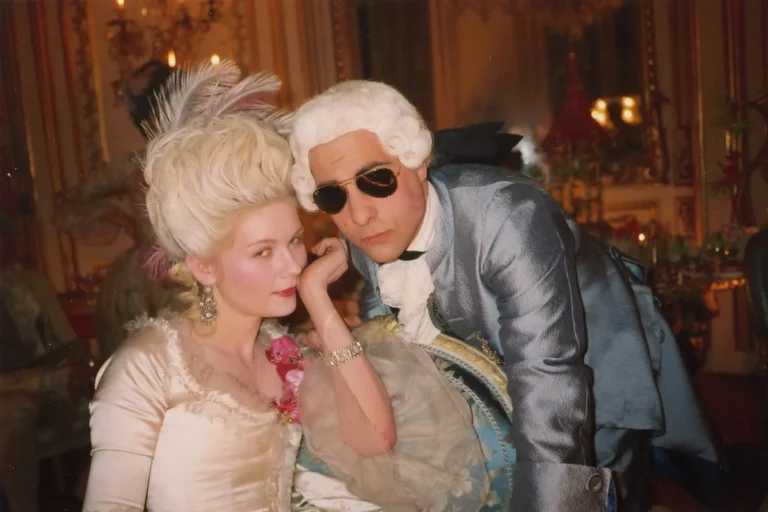
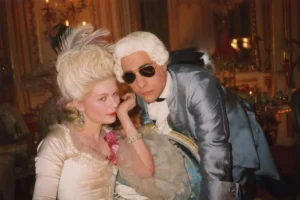
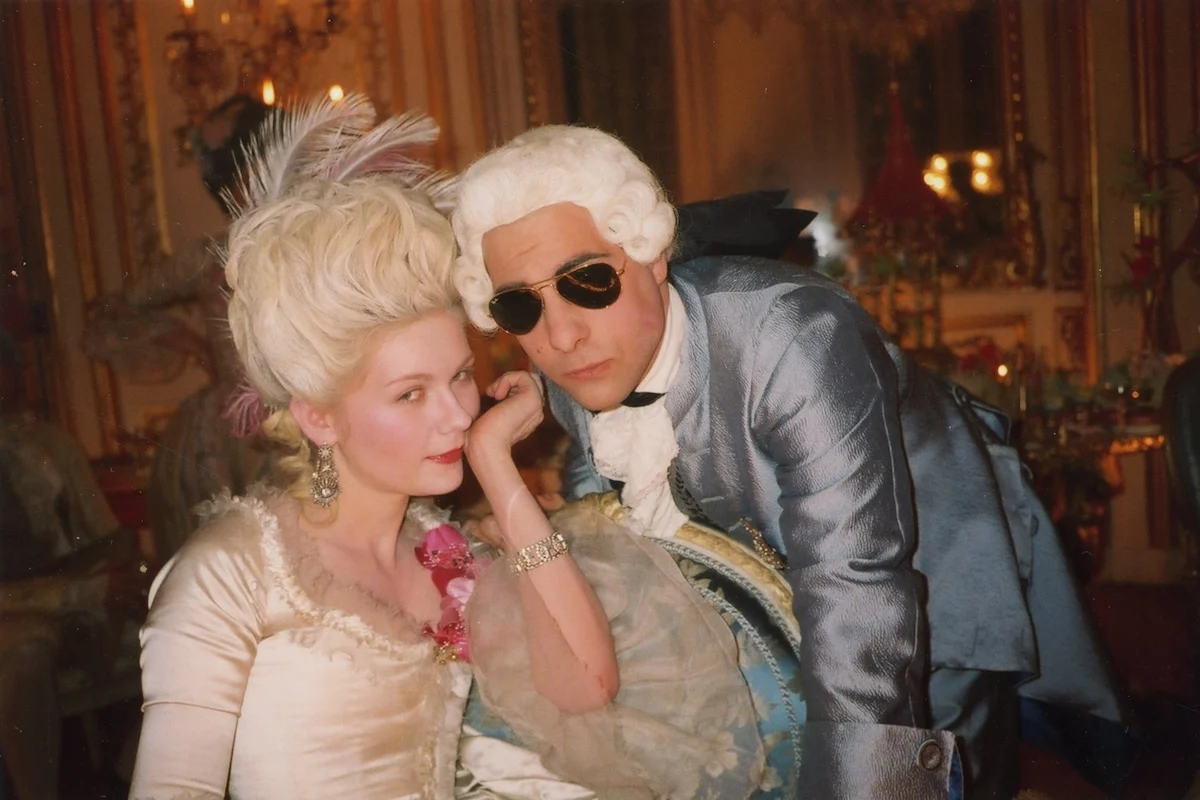
Another focal point of the weekend is the Dazed x MUBI Cinema Club presentation of Making Marie Antoinette, directed by Eleanor Coppola. Released two decades after Sofia Coppola’s visually seminal 2006 historical drama Marie Antoinette, Eleanor Coppola’s documentary provides an intimate, behind-the-scenes look at the creative methodologies and logistical challenges involved in bringing the feature film to life. As an accomplished documentary filmmaker in her own right, Eleanor Coppola’s perspective offers audiences a unique dual-layered exploration of motherhood, collaboration, and cinematic architecture.
Chronology and Background of MUBI Fest
The genesis of MUBI Fest traces back to the platform’s strategic expansion from a purely digital subscription-based video-on-demand (SVOD) service into a holistic cultural brand encompassing theatrical distribution, print publishing, and physical events. Founded in 2007 by Efe Cakarel, MUBI carved out a distinct niche in the streaming landscape by offering a rotating selection of 30 hand-picked films, ensuring that subscribers are never overwhelmed by endless content choices. Over the past decade, the company evolved into a major player in independent cinema production and distribution, acquiring and releasing critically acclaimed titles such as Past Lives, Decision to Leave, and The Worst Person in the World.
The transition from digital curation to physical festivals began in earnest as part of MUBI’s strategy to build localized film communities in major global cities. Following successful multi-day iterations in international metropolises including São Paulo, Mexico City, Chicago, and Bogotá, the company hosted its first UK-based festival in Manchester at Aviva Studios in late 2023. That foundational event established the viability of the festival model in the UK market, proving that British audiences possessed a strong appetite for curated, festival-style programming outside of traditional annual events like the London Film Festival.
Building upon the infrastructure and lessons learned from the Manchester pilot, the planning cycle for the London debut began in early 2024. Organizers selected Hackney as the geographic and cultural epicenter for the event, citing the borough’s vibrant creative community, dense population of young culture consumers, and the structural suitability of the Hackney Picturehouse for multi-screen festival operations.
Supporting Data and Programming Highlights
The programming slate for MUBI Fest London 2026 reflects a meticulous balance between contemporary international cinema, archival restorations, and multidisciplinary arts. Industry analysts monitoring the independent exhibition sector have noted a rising consumer demand for experiential cinema events—screenings accompanied by guest introductions, live musical accompaniment, or contextual panel discussions.
The festival schedule addresses this demand through a diverse array of screenings:
- Teenage Sex and Death at Camp Miasma, accompanied by a special on-stage introduction from actor Gillian Anderson.
- Paul Thomas Anderson’s concert film project Cameron Winter at Carnegie Hall, offering cinematic treatment to a major musical performance.
- Rose, starring Sandra Hüller, presented alongside an introduction and post-screening Q&A with director Markus Schleinzer.
- Archival and retrospective screenings, including the satirical comedy Drop Dead Gorgeous, Frederick Wiseman’s seminal consumerism documentary The Store, and the 1970s David Hockney documentary A Bigger Splash.
- A dedicated synth-heavy music event at Hackney Town Hall, drawing aesthetic inspiration from the neon-drenched, atmospheric soundscapes associated with filmmaker Nicolas Winding Refn.
In addition to film screenings, the festival features a comprehensive live discussion programme. Partnering with prominent cultural publications, including Dazed, the festival has curated panels featuring leading voices in fashion, art, and film criticism. These sessions are designed to unpack the sociopolitical and aesthetic implications of contemporary visual culture, providing attendees with deeper critical contexts for the films being screened.
Official Responses and Industry Perspectives
While official corporate statements regarding ticket sales figures remain proprietary, box office activity indicates a robust economic response from the UK market. Representatives for MUBI have emphasized that the decision to expand the London footprint was driven by the rapid velocity of initial consumer demand.
Independent exhibitors and cultural analysts view the expansion of branded festivals like MUBI Fest as a vital counterweight to the homogenization of mainstream theatrical distribution. By curating localized events that merge cinema with music, fashion, and critical discourse, streaming platforms are effectively redefining the role of the traditional cinema lobby. Rather than serving merely as points of exhibition, venues like the Hackney Picturehouse are transformed during these festivals into temporary cultural hubs that encourage extended dwell time, peer-to-peer networking, and community building among film enthusiasts.
Cultural commentators have similarly highlighted the importance of physical curation in an era dominated algorithmic recommendation engines. By deploying human curators, directors, and cultural icons—such as Gillian Anderson and Markus Schleinzer—to introduce films, festivals like MUBI Fest re-establish the social contract of cinema viewing, transforming an isolated media consumption habit back into a communal, civic ritual.
Broader Impact and Market Implications
The launch of MUBI Fest in London carries several broader implications for the UK film industry and the independent exhibition sector at large.
First, it demonstrates the commercial viability of niche, premium-curated cultural events in post-pandemic urban centers. Even as traditional high-street cinemas face ongoing economic pressures due to shifting consumer viewing habits and rising operational costs, festival-style programming consistently commands high attendance and strong brand loyalty. By positioning theatrical screenings as rare, unmissable events—often tied to exclusive premieres or one-off live scores, such as Danny L Harle’s reimagining of Faust—distributors can incentivize audiences to leave their homes in favor of shared theatrical experiences.
Second, the festival solidifies London’s status as a primary European testing ground for hybrid media models. As digital platforms increasingly integrate physical distribution, merchandising, and live events into their business models, the lines separating streaming services from traditional cultural institutions continue to blur. MUBI’s ability to mobilize a dedicated subscriber base through physical ticket sales points toward a sustainable blueprint for streaming services seeking to deepen user engagement beyond the digital interface.
Finally, the inclusion of retrospective works alongside contemporary premieres provides a vital educational function for younger audiences. By contextualizing modern independent cinema within the broader historical canon of avant-garde and classic filmmaking—ranging from F.W. Murnau to Frederick Wiseman—MUBI Fest actively cultivates the next generation of film literacy and critical appreciation.
Ticket Information and Availability
As the festival dates approach, organizers have implemented a phased release schedule to accommodate remaining public demand. Following the rapid sell-out of the initial ticket allocation, an additional batch of tickets for the high-profile Dazed x MUBI Cinema Club screening of Making Marie Antoinette was released immediately.
A subsequent wave of tickets covering remaining screenings, including Paul Thomas Anderson’s Cameron Winter at Carnegie Hall and the live-scored presentation of Faust, went on sale at 10:00 AM on October 27. Special discount structures have been made available exclusively to Dazed Club members, reinforcing the cross-brand collaborative nature of the event. Comprehensive scheduling details, ticketing links, and full programmatic breakdowns remain accessible through the official MUBI Fest London web portal.