

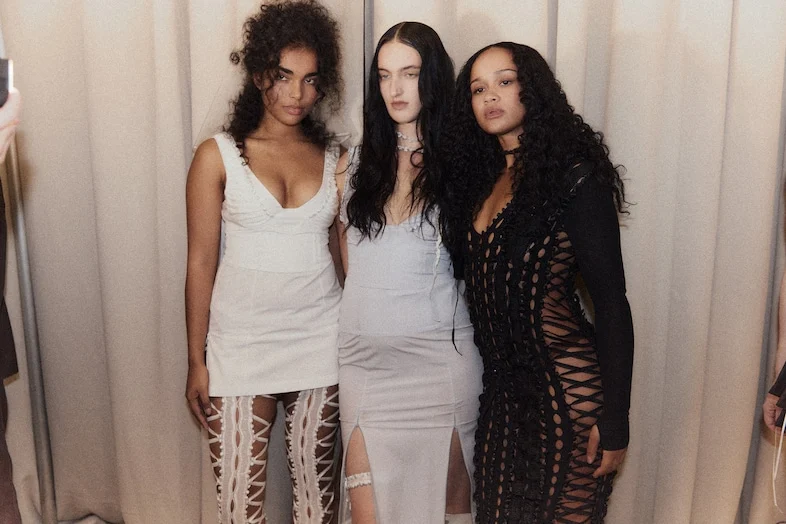
Ireland Fashion Week has officially concluded its second annual showcase, anchoring a pivotal moment for the country’s textile and design industries. Centered around the overarching theme of coming home, the multi-day event brought together more than 90 established and emerging designers, bridging local heritage with international ambitions. Against the backdrop of a surging global fascination with all things Irish—fueled by cultural exports, cinematic visibility, and a widespread digital embrace of Irish aesthetics—the event illuminated an industry that is actively defining its modern identity. From historic venues like Slane Castle and Dublin City Hall to state-of-the-art showrooms, the sophomore edition of Ireland Fashion Week signaled that the nation’s creative talent no longer needs to emigrate to London or Paris to achieve global recognition.
Background and Context: A Cultural Renaissance on the Emerald Isle
The cultural capital of Ireland has experienced a remarkable upward trajectory over recent years, driven by a confluence of cinematic success, prominent literary and theatrical voices, and a distinct sociopolitical footprint. Observers frequently point to the cultural visibility of figures like actor Paul Mescal and Ireland’s vocal stance on international diplomacy as catalysts for a broader youth-driven infatuation with the country. Online, particularly across platforms like TikTok and Instagram, digital creators frequently romanticize the emerald landscape, traditional symbols, and a perceived simpler way of life.
However, translating this widespread cultural adoration into tangible commercial success for domestic fashion designers has historically presented challenges. For decades, the prevailing narrative among Irish creatives was that achieving international legitimacy required relocating to established fashion capitals such as London, Paris, or New York. Renowned talents like Jonathan Anderson notably launched their careers away from home, cementing a brain-drain mindset that left domestic infrastructure underdeveloped.
The launch of Ireland Fashion Week, backed by corporate partners like Visa, represents a systemic effort to reverse this trend. The initiative coincides with other major investments in the region, including high-profile luxury presentations such as Dior’s Pre-Fall 2027 show at Trinity College. By fostering an interconnected ecosystem that supports local manufacturing, retail partnerships, and graduate retention, the event aims to build a sustainable, long-term economic foundation for Irish design.
Chronology of the Week: From Slane Castle to Dublin City Hall
The second-ever iteration of Ireland Fashion Week unfolded over several days in October, utilizing iconic historical locations across the country to ground contemporary fashion in deep-rooted heritage.
The proceedings commenced on Wednesday, October 7, with an opening dinner hosted at the historic Slane Castle. The gathering immediately drew an international crowd, including tourists and members of the global diaspora eager to connect with their ancestral roots. Following the opening gala, the schedule accelerated into a dynamic lineup of runway presentations, graduate showcases, and commercial showrooms.
On Thursday, attention shifted to DAMHSA, the primary graduate showcase designed to spotlight the country’s newest talent. Emerging designers presented collections that engaged directly with Irish folklore, history, and craftsmanship, punctuated by performances from former captains of Riverdance, including Ruth McKenna, Jordan McCormick, and Bill Cornally.
By Friday, October 10, the focus pivoted to commerce and industry networking at the Irish Edit Showroom. Here, 29 independent designers exhibited their work to international buyers, press, and investors. The week culminated in high-profile runway shows and presentations in Dublin, highlighted by a widely anticipated homecoming presentation by designer Sinéad O’Dwyer at Dublin City Hall.
Spotlight on Emerging and Established Talent
The operational heart of Ireland Fashion Week lies in its dual commitment to nurturing recent graduates and elevating established global brands with Irish roots. This generational mix was on full display throughout the week’s various showcases.
At the DAMHSA graduate show, Kilkenny native Gemma Holden presented a collection deeply inspired by traditional Irish fairy forts, utilizing tactile, muddied corset dresses to evoke ancient folklore. For Holden, the establishment of a robust domestic fashion week provides vital career security. Graduating during the inaugural year of the event, she noted that the presence of an organized local industry reassirms to young designers that a viable creative career in Ireland is attainable.
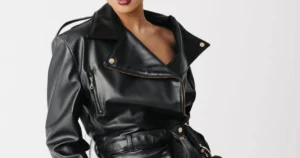
Similarly, Abby O’Connell, founder of the label SEST, challenged conventional perceptions of Irish heritage on the runway. By contrasting heavy black leather with traditional Irish tweed, O’Connell played on the structural constraints of traditional Irish dance—specifically the restriction of arm movement—to create a geometric, floor-length statement piece. O’Connell acknowledged the historical difficulty of convincing domestic and international markets to take Irish fashion seriously, viewing the platform as an essential catalyst for industry-wide validation.
The commercial viability of leveraging distinct cultural symbols was further demonstrated by Kimberly Tino of Maya Grisham, whose bedazzled accessories—including purses shaped like popular Irish crisps and butter packaging—resonate heavily with international consumers. Tino reports that approximately 40 percent of her customer base resides in the United States, driven largely by consumers seeking a tangible connection to their ancestry or a romanticized view of Irish tranquility.
Simultaneously, established names utilized the platform to celebrate their roots. Sinéad O’Dwyer’s presentation at Dublin City Hall served as a symbolic homecoming. Following a major summer show at London’s Victoria and Albert Museum and the acquisition of two of her pieces by The Metropolitan Museum of Art’s Costume Institute, O’Dwyer brought her signature exploration of colour, movement, and inclusive sizing back to the Irish capital. Surrounded by family, friends, and long-time mentors, the showcase underscored the emotional and creative significance of returning to one’s origins.
Official Responses and Industry Analysis
Organizers and participants alike have emphasized that Ireland Fashion Week is designed to be more than a superficial calendar of runway shows. Ashley McDonnell, the founder of Ireland Fashion Week, has repeatedly framed the initiative’s core mission around constructing meaningful, lasting infrastructure. According to McDonnell, the primary objective is to connect independent designers with business resources, mentorship, and retail opportunities to ensure a lasting economic impact.
Industry participants observe that the domestic fashion sector currently occupies a critical crossroads. Bray Zhang, a designer running a namesake brand, notes that while it is currently "trendy to be Irish" and to wear Irish-made garments, the industry must look beyond fleeting digital trends to secure long-term viability. Zhang points to heritage materials like tweed as foundational elements, but stresses that the broader challenge lies in establishing a distinct, globally competitive design identity that transcends novelty.
Mary O’Sullivan, a textile artist and designer, highlights the collaborative and narrative-driven nature of Irish craftsmanship. For O’Sullivan, the strength of the local industry extends far beyond raw materials like linen and tweed; it is rooted in the intergenerational communities, conversations, and shared labor of the makers themselves. Events like Ireland Fashion Week provide a vital sense of belonging for creatives who chose to remain in the country rather than emigrate, validating their contributions to the national cultural fabric.
Broader Impact and Economic Implications
The international resonance of Ireland Fashion Week reflects a wider cultural phenomenon wherein consumers, particularly within the American diaspora, increasingly view Irish identity through an aspirational lens. Commentators have suggested that the embrace of Ireland—frequently characterized online as an escape from geopolitical or domestic fatigue—has elevated the nation’s soft power.
However, the rapid commercialization of "Irishness" poses distinct challenges for local designers striving to establish serious, high-end positioning. While novelty items and nostalgic accessories easily capture international e-commerce markets, the broader cohort of ready-to-wear designers must navigate the fine line between leveraging cultural heritage and avoiding folkloric pastiche.
Despite these hurdles, the institutional backing from corporate sponsors and government-adjacent cultural entities suggests that the momentum behind Irish fashion is structural rather than ephemeral. By providing a centralized platform for mentorship, international press exposure, and direct-to-buyer sales, Ireland Fashion Week has successfully positioned Dublin as an emerging European fashion destination. As the event looks toward future iterations, its continued success will rely on its ability to convert digital fascination into sustained global commercial demand, ensuring that the renaissance of Irish design endures long after the current social media trends recede.