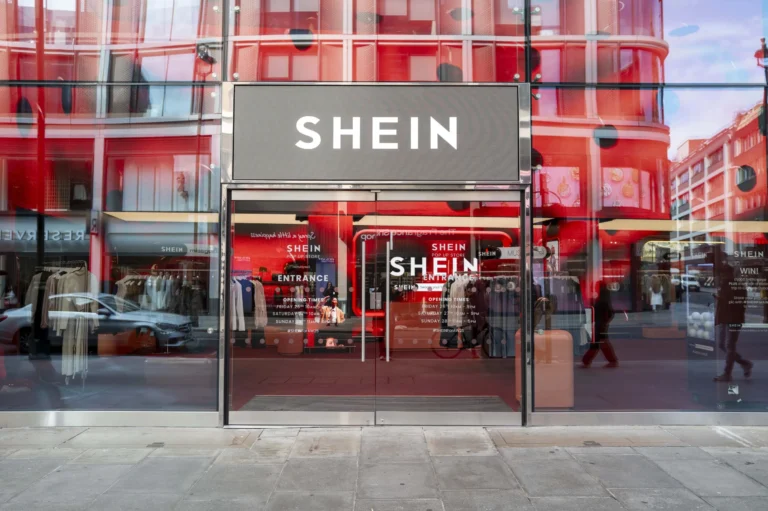











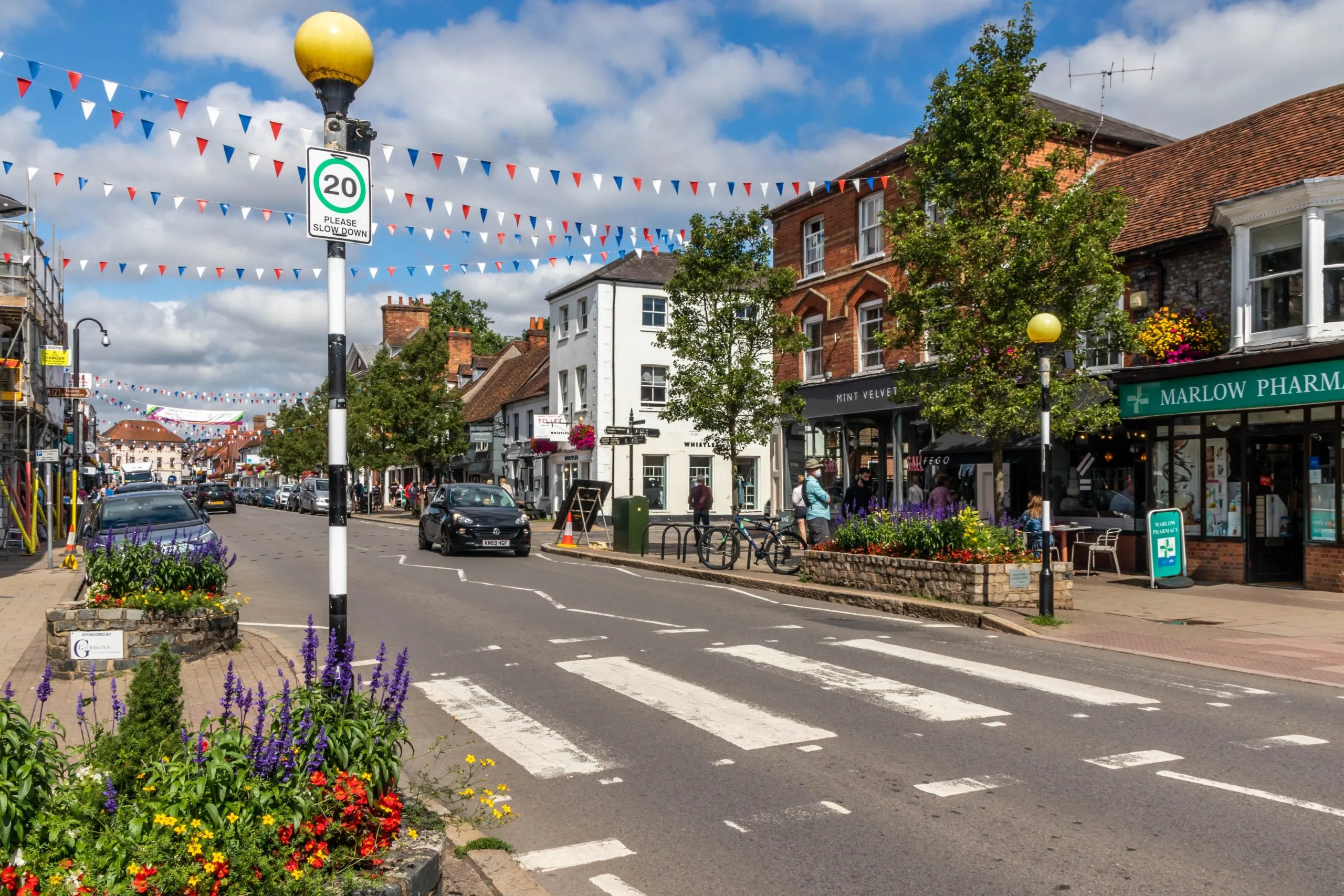
The British retail landscape is facing a period of renewed uncertainty as new industry data reveals a cooling of consumer appetite, prompting an urgent plea from the British Retail Consortium (BRC) to the government ahead of the upcoming autumn Budget. Figures released by the BRC and KPMG in their latest retail sales monitor show that overall growth has decelerated, with the critical clothing and footwear sectors bearing the brunt of unseasonably warm weather and a broader climate of fiscal caution.
According to the report covering the five-week period from August 30 to October 3, 2026, total UK retail sales increased by only 1.3% compared to the same period last year. This figure represents a notable decline from the 2.3% growth recorded in September 2025 and sits below the 12-month average of 1.5%. As households navigate the prospect of impending tax changes and rising utility bills, the retail sector—a primary barometer for the health of the UK economy—appears to be treading water.
A Stagnant Sector: The September Data Breakdown
The non-food sector, which encompasses the fashion, homeware, and electronics markets, saw only marginal growth of 0.3% year-on-year. This is a significant cooling compared to the 0.7% growth observed in the same month of the previous year. Within this bracket, the fashion industry faced the most significant headwinds. Clothing sales acted as a primary drag on overall performance, pulling total category results down by approximately 0.9%. Footwear followed a similar downward trajectory, contributing to the broader sluggishness of the high street.
Analysts point to a clear disconnect between consumer inventory and the climate. September, typically a month for retailers to transition to high-margin autumn and winter collections, was hampered by a lingering summer. The unseasonably warm temperatures across the United Kingdom discouraged shoppers from investing in heavier garments, coats, and boots. While retailers are well-versed in the volatility of British weather, the lack of a seasonal shift in purchasing behavior has left many stores with high inventory levels that must now be managed through discounting or strategic promotions.
The Fiscal Backdrop: Why the Budget Matters
The BRC’s direct appeal to Chancellor John Healey arrives at a critical juncture for the UK government. With the Budget scheduled for October 28, industry leaders are lobbying for structural relief rather than temporary measures. The pressure is mounting from multiple corners of the industry, including major players like Marks & Spencer and the John Lewis Partnership, who have publicly voiced concerns regarding the current tax burden on the high street.
The core of the issue lies in business rates, a long-standing point of contention between the retail sector and the Treasury. Retailers argue that the current system disproportionately penalizes brick-and-mortar stores, which are already struggling to compete with online-only competitors and a cost-of-living crisis that has dampened discretionary spending.
Helen Dickinson, CEO of the British Retail Consortium, underscored the fragility of the current environment. "Retail sales growth remained subdued in September as households are still cautious with their spending ahead of expected rises in household bills and taxes," Dickinson stated. She warned that the upcoming Budget serves as a litmus test for the government’s commitment to the sector. "Another rise in business rates would push up pressure on prices, choke off high-street investment and put local jobs at risk. This Budget must back retail to invest, employ and grow—not make it harder."
Chronology of the 2026 Retail Slowdown
To understand the current malaise, one must look at the progression of the year. The retail sector began 2026 with high hopes of recovery, fueled by a cooling inflation rate and modest wage growth. However, the momentum has been inconsistent.
- Q1 2026: Initial signs of recovery appeared as energy prices stabilized, leading to a brief spike in confidence.
- May 2026: Retailers began signaling that while footfall was steady, the "basket size" per shopper was shrinking, indicating a shift toward essential purchasing.
- August 2026: The tail end of summer saw heavy discounting as retailers attempted to clear summer stock to make room for autumn lines.
- September 2026: The warm weather trend continued, resulting in the "lost sales" in the fashion category highlighted by the latest BRC-KPMG data.
- October 2026 (Upcoming): The industry is now bracing for the "Golden Quarter," the period comprising Black Friday and the Christmas shopping season.
Analysis: The "Golden Quarter" Conundrum
Linda Ellett, UK head of consumer, retail, and leisure at KPMG, provides a sobering assessment of what lies ahead. Ellett notes that non-food sales have been essentially flat for the last three months, a trend that suggests a fundamental shift in how consumers interact with the high street.
"Fashion faced a particularly difficult September," Ellett noted. "While the prolonged summer has supported clothing and footwear in terms of comfort, it has clearly delayed the essential move into autumn and winter wardrobes."
This delay creates a secondary challenge for retailers: the proximity of the Black Friday promotional period. With consumers becoming increasingly price-sensitive, many are deferring purchases, waiting for the massive discounting events expected in late November. This creates a high-stakes scenario for retailers. If they discount too early, they sacrifice margins; if they hold firm on prices, they risk losing customers to competitors who are willing to absorb the cost.
"If some of September’s weakness represents deferred rather than lost demand, there remains an opportunity to unlock spending," Ellett added. "However, retailers will need to balance customers’ increasing appetite for value against the urgent need to protect their own margins, which are already under pressure from rising labor and logistics costs."
Implications for the Broader Economy
The retail sector serves as a vital economic engine, employing millions of people across the UK and anchoring the vitality of town and city centers. When retailers struggle, the impact ripples outward. A reduction in capital expenditure by retailers affects commercial real estate, logistics firms, and manufacturing supply chains.
The concerns raised by the BRC, John Lewis, and M&S are not merely complaints about taxation; they are projections of long-term economic sustainability. If businesses cannot predict their tax liabilities—specifically regarding business rates—they are less likely to invest in store refurbishments, new technologies, or staff training.
Furthermore, the "wait-and-see" attitude adopted by consumers is a direct reflection of the uncertainty surrounding the October Budget. When households anticipate changes to tax thresholds or energy subsidies, they naturally tighten their belts. This behavioral shift, while rational for the individual, creates a feedback loop that lowers total retail output.
Looking Ahead: The Path to Growth
As the industry looks toward the end of the year, the focus will remain squarely on the Chancellor’s podium on October 28. For the retail sector to return to growth, stakeholders are calling for a policy shift that favors investment over extraction.
The industry’s demands generally fall into three categories:
- Reform of Business Rates: Moving away from a property-value-based tax system toward one that reflects the realities of modern omnichannel commerce.
- Stability in Fiscal Policy: Reducing the frequency of surprise tax hikes that prevent companies from setting multi-year budgets.
- Incentivizing High-Street Investment: Providing tax credits or relief for retailers that invest in green energy, digital infrastructure, or local job creation.
The current data from September serves as a warning that the retail sector is not yet out of the woods. The combination of environmental factors and economic headwinds has created a challenging environment that requires a nuanced, supportive response from the government. Whether the Chancellor chooses to "back retail" as the BRC has requested, or continues with the current fiscal trajectory, will likely determine the health of the high street for the remainder of 2026 and well into the new year. As the industry prepares for the critical holiday season, the margin for error has never been thinner.