








For those with severe food allergies, certain fruits are relegated to the status of forbidden items, often erased from memory to ensure safety. For one individual, an early-adult reaction to consuming a fig—characterized by acute swelling and respiratory distress—led to a lifelong avoidance of the fruit in all its culinary forms. This personal prohibition, however, took an unexpected turn when the subject realized that the complex, evocative scents permeating their fragrance collection were, in fact, derived from the very fruit they had meticulously avoided for years. This realization underscores a significant shift in the global fragrance industry: the elevation of fig from a niche, seasonal additive to a foundational, year-round pillar in high-end perfumery.
The Chemistry and Craft Behind the Fig Accord
In the professional world of perfumery, the fig is a paradox. Despite its distinct profile, the fruit does not yield a natural essential oil that can be extracted for commercial use. Consequently, the "fig" notes found in luxury eau de parfums are entirely the result of sophisticated synthetic chemistry. Perfumers utilize a curated blend of lactones, green notes, and woody molecules to reconstruct the experience of a fig tree, from the milky sap of the stem to the jammy, resinous depth of the ripe fruit.
According to Olivia Jan, a senior perfumer at Givaudan, the fig tree serves as a versatile subject because every part of the plant offers a different olfactive identity. The challenge—and the artistry—lies in the interpretation. A perfumer might emphasize the "snapped-stem" greenness, which provides a sharp, vegetal contrast to floral compositions, or they might pivot toward the creamy, coconut-like lactones that provide a plush, gourmand quality without the cloying sweetness of traditional candy-based fragrances. This ability to oscillate between sharp, green vitality and dark, pulpy richness is what makes fig an essential tool in the modern perfumer’s palette.
A Historical Perspective: From Niche to Ubiquity
The history of the modern fig fragrance is relatively concise, dating back to 1994 with the release of L’Artisan Parfumeur’s Premier Figuier. Created by the acclaimed nose Olivia Giacobetti, this fragrance effectively pioneered the genre. Shortly thereafter, Giacobetti followed up with Diptyque’s Philosykos, a creation that has since become the industry benchmark for the note. Philosykos is widely credited with establishing the "fig aesthetic"—a scent profile that evokes the Mediterranean coast, sun-drenched stone walls, and the raw, earthy reality of a garden.
For decades, these scents remained largely within the purview of niche fragrance houses. However, the current market data indicates a sharp pivot. As of 2026, the fragrance industry is experiencing a notable move away from the hyper-sweet, sugar-heavy gourmands that dominated the early 2020s. Consumers are increasingly seeking "sophisticated freshness," a category where fig excels. This shift is corroborated by the proliferation of new releases from major houses, including Dior’s Dioriviera and Liis’s In This World, both of which utilize the fig accord to anchor their compositions.
Seasonal Versatility and Market Implications
The popularity of fig in the current landscape is driven by its unique positioning as a "median accord." As David Seth Moltz, cofounder and perfumer of D.S. & Durga, has observed, fig occupies the middle ground between floral, green, and woody families. This structural flexibility allows it to transition seamlessly across seasons. While its coconut-like undertones evoke the warmth of summer, its ability to pair with notes of damp bark and earth makes it an ideal candidate for autumn marketing campaigns.
The current market trend reflects a broader consumer fatigue regarding synthetic, overly sweet fragrances. Market analysts suggest that the "fig trend" represents a return to nature-inspired, complex profiles that feel both exotic and familiar. By offering a scent that is "edible but not sugary," brands are successfully capturing a demographic that is older, more discerning, and interested in the narrative of a fragrance—often marketed through the lens of travel, Mediterranean landscapes, and botanical authenticity.
Emerging Profiles and Technical Innovations
Modern perfumers are moving beyond the traditional green-fig-leaf profile, experimenting with darker, more textural iterations. Nathalie Benareau’s work on Granado’s Figo Confit, for example, incorporates davana, date, and plum to create a sense of depth that mimics a "candied" fruit experience. Similarly, the trend toward "luminous" fig is exemplified by Chloé’s Atelier des Fleurs Plage du Figuier, where the focus is shifted to the hidden flower inside the fruit. By highlighting the floral facets of the fruit, perfumers are providing a new vocabulary for a note that many previously assumed was purely green or woody.
The following list highlights the current market leaders in the fig category:
- Dioriviera (Dior): A high-end interpretation focusing on the brightness of the fruit.
- Philosykos (Diptyque): The definitive, classic reference for the entire category.
- Debaser (D.S. & Durga): Known for its leafy, high-energy green profile.
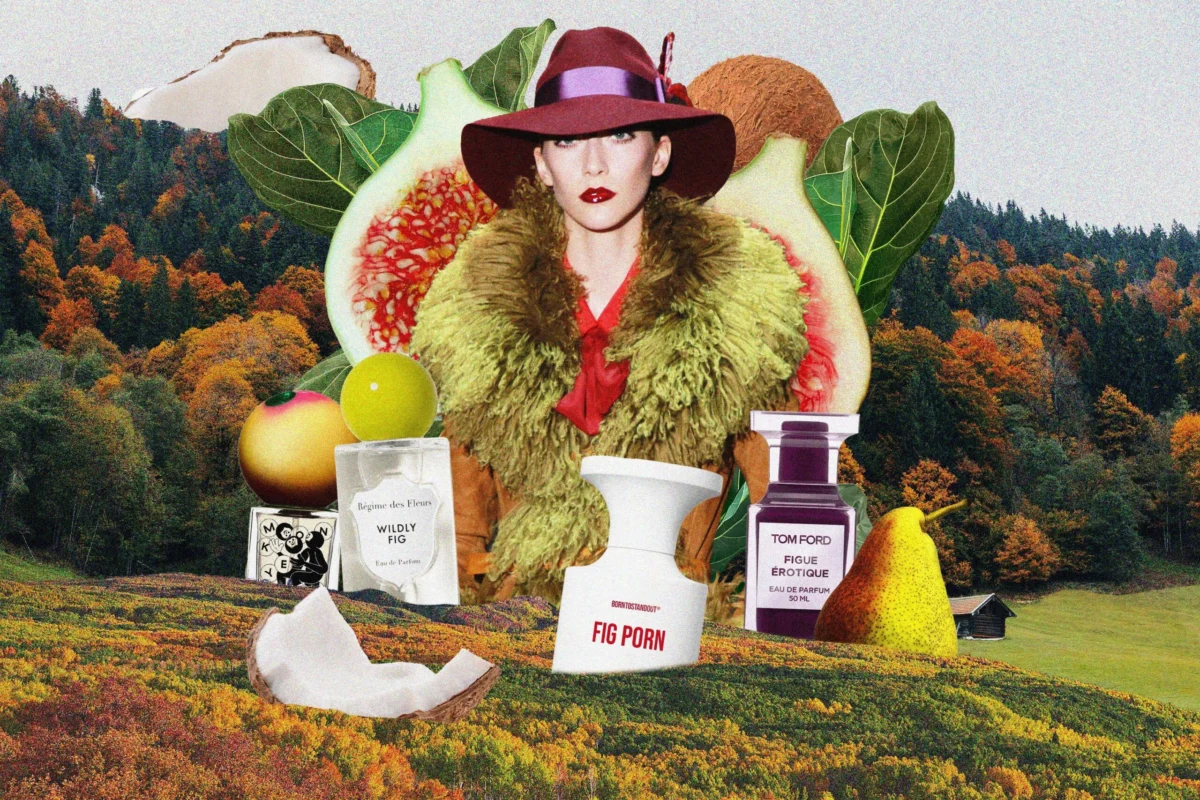
- Wildly Fig (Régime des Fleurs): A modern, tart, and "neon" take on the note.
- Fig Porn (Born to Stand Out): A testament to the trend’s move toward deeper, more decadent, and intense applications.
Sociological and Psychological Impacts
The resurgence of fig in perfumery can also be viewed through a sociological lens. In various cultures, particularly in Mediterranean and Middle Eastern contexts, the fig is a symbol of fertility, abundance, and enlightenment. Perfume marketing has effectively capitalized on these associations, selling the idea of a "slower pace of life" to consumers living in a high-speed, digital-first economy.
The sensory experience of a fig-based fragrance—often described as "comforting" yet "sophisticated"—resonates with a generation of consumers who prioritize wellness and grounding. Because the scent is inherently linked to the outdoors, it provides a form of "scent-based escapism." The irony of the "fig phobic" consumer finding solace in the very scent they once avoided highlights the power of perfumery to bypass the physical constraints of an allergy. For many, the scent of the fig is no longer a warning of danger but an olfactory trigger for relaxation and mental clarity.
Future Outlook: Is the Fig Bubble Sustainable?
While some trends in the fragrance industry are fleeting, the rise of the fig accord appears to have staying power. Its status as a "bridge" note—one that can be blended with almost anything—ensures that it will remain a staple in the perfumer’s lab for the foreseeable future. As the industry continues to emphasize sustainability and "clean" labeling, the synthetic nature of the fig accord is actually an asset; it allows for consistent scent profiles without the environmental impact associated with harvesting rare natural ingredients.
Looking ahead, we can expect to see more "hybrid" fig fragrances, where the note is combined with unconventional pairings like leather, salt, or even smoke. The "great median accord," as termed by Moltz, is effectively becoming the new rose: a must-have ingredient that acts as a structural anchor for a collection. As long as the consumer desire for sophisticated, nature-adjacent, and gender-neutral scents persists, the fig will remain at the heart of the perfume industry’s creative output.
The transition from a misunderstood fruit to a fragrance industry staple serves as a case study in how perfumery can reshape public perception. Through the technical ingenuity of synthetic chemistry and the strategic storytelling of major houses, the fig has successfully transcended its culinary limitations to become an emblem of modern, aspirational living. Whether or not it remains a seasonal favorite or becomes a permanent fixture in the permanent collections of major brands, its influence on the current olfactory landscape is undeniable.