












In an era defined by rapid digital communication and shifting social norms, the classical definition of a gentleman has evolved beyond mere aesthetic presentation. While the sartorial choices of a well-dressed man remain a staple of his identity, the true mark of a gentleman is found in the nuanced, consistent application of social grace and consideration for others. Sociological studies on modern etiquette suggest that these small, habitual gestures serve as a stabilizing force in social cohesion, reducing friction in interpersonal interactions and fostering environments of mutual respect.

The Evolution of Social Etiquette in the 21st Century
The concept of the gentleman has historically been tied to class and upbringing, but in the 21st century, it has democratized into a framework of behavioral intentionality. Etiquette experts argue that the modern gentleman is not defined by rigid adherence to archaic rules, but by the ability to read social cues and prioritize the comfort of others over personal convenience.

This transition is supported by data from communication research, which indicates that individuals who exhibit high levels of conscientiousness—a key trait of gentlemanly behavior—are more likely to build sustainable professional and personal networks. The following twenty habits represent a synthesis of traditional protocols and contemporary expectations for those who wish to navigate public and private spheres with distinction.
Preparedness as a Foundation for Poise

The practice of carrying a quality umbrella is more than a simple utility; it is a demonstration of foresight. Meteorologists note that even in urban environments with advanced weather forecasting, the inability to manage sudden environmental changes remains a common source of social anxiety. A gentleman who carries an umbrella does so to preserve his composure during inclement weather, but more importantly, he does so to assist others. This habit reflects a proactive mindset, prioritizing the well-being of a companion over the inconvenience of carrying an extra item.
Universal Courtesy and Public Presence
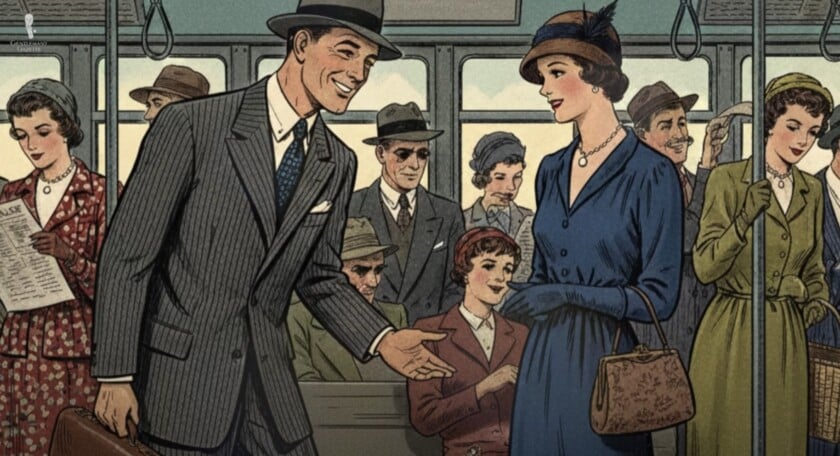
The act of holding a door for those behind one is a classic pillar of etiquette. While often misidentified as an exclusively gendered interaction, contemporary social psychologists view this as a universal gesture of spatial awareness. The habit of holding a door for any individual—particularly the elderly, those with physical limitations, or individuals carrying heavy loads—signals a heightened level of situational awareness.
Similarly, the willingness to relinquish one’s seat on public transit or in crowded waiting areas is a physical manifestation of empathy. In high-density urban settings, such as New York or London, where public space is a premium commodity, these small acts of self-sacrifice serve to humanize the transit experience.

Navigating Public Spaces: Volume and Pace
Maintaining an appropriate vocal volume in public settings is a critical component of social intelligence. Research into auditory environments suggests that "background noise" in restaurants and trains significantly impacts the stress levels of other patrons. A gentleman is aware that his voice carries and ensures his volume does not infringe upon the quietude of those around him. This is not about passivity, but about respecting the shared atmosphere of a public space.

Complementing this is the habit of matching one’s pace to that of their companion. In social dynamics, the speed at which two individuals walk often reflects the strength of their connection. A man who forces a companion to hurry is projecting an implicit message that his destination is more important than their company. By synchronizing his movement, he signals respect for the individual’s physical comfort and personal time.
The Architecture of Social Interaction: Introductions and Titles
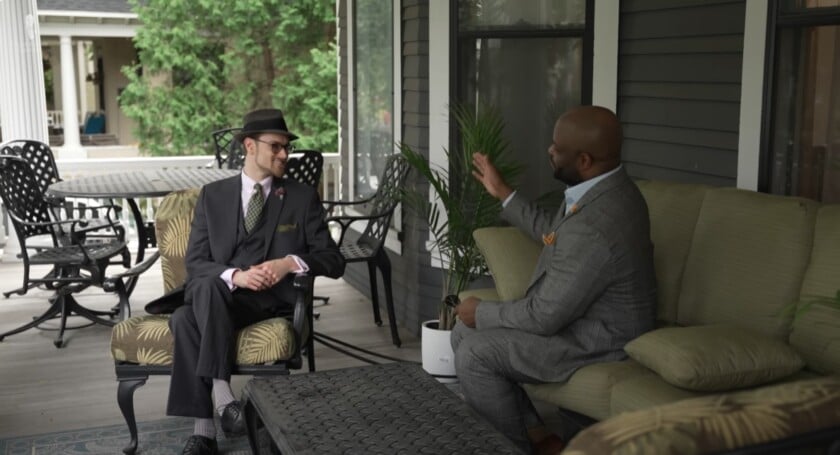
The etiquette of introduction remains one of the most misunderstood aspects of modern social life. When a gentleman facilitates a meeting between two parties, he provides more than names; he provides context. By sharing a common interest or professional background, he bridges the social gap, preventing the awkward silence that often accompanies formal introductions.
Furthermore, the use of titles such as Doctor or Professor is a recognition of earned achievement. In a culture that increasingly trends toward informal address, the measured use of titles remains a sign of intellectual and social maturity. A gentleman allows the other party to suggest the transition to a first-name basis, a practice that maintains a professional boundary until an invitation to familiarity is extended.

The Role of Stewardship in Hospitality
Whether acting as a host at a dinner party or a guest at a restaurant, the gentleman takes responsibility for the experience of those around him. This involves ensuring others are seated and comfortable before taking his own place, a gesture that establishes a foundation of hospitality.

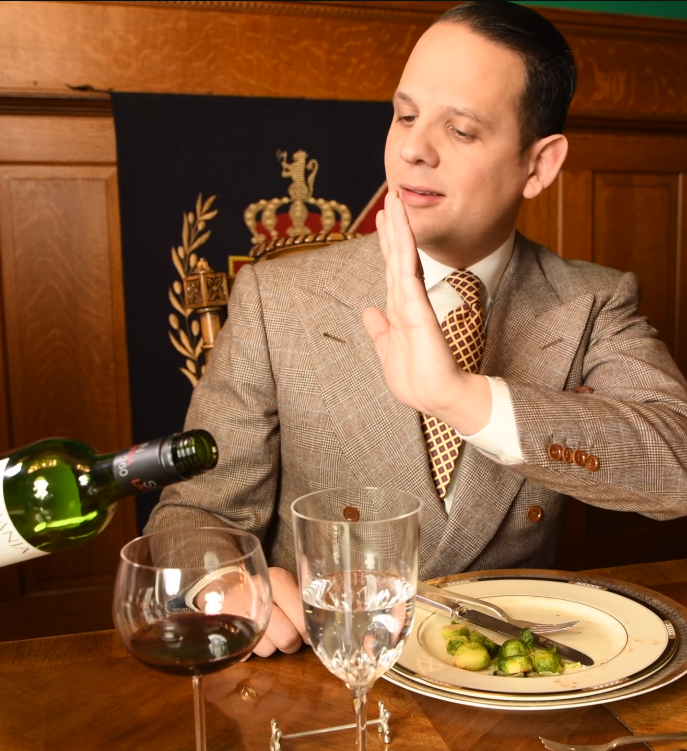
This stewardship extends to the wine ritual. When presented with a bottle, the objective is to confirm the wine’s integrity, not to perform an elaborate critique. Understanding that the purpose of this ritual is to check for flaws—such as cork taint—rather than personal preference, saves time and prevents unnecessary tension between the patron and the service staff.
Professional Gratitude and Financial Conduct

A defining trait of a high-class gentleman is his treatment of service staff. In the hospitality industry, where workers are frequently the targets of frustration, a gentleman offers specific, genuine praise for excellent service. By identifying the specific contribution of a server or host to the manager, he provides positive reinforcement that can impact the employee’s professional trajectory.
Financially, the gentleman adheres to the principle of "host responsibility." If he initiates the invitation, he assumes the responsibility for the bill. This is handled with discretion; he avoids the "tug of war" over the check, as this creates an uncomfortable scene for all parties. If a guest insists on contributing, a gentleman accepts with grace, acknowledging the guest’s desire to participate without creating an impasse.

The Art of Communication: Advice and Credit
In conversation, the gentleman is a master of listening. A common social error is the unsolicited offering of advice. When a friend or colleague vents, they are often seeking validation rather than a solution. By asking the clarifying question, "Would you like my thoughts, or would you prefer I just listen?" the gentleman hands the agency back to the speaker.

Equally important is the distribution of credit. A man of distinction understands that significant achievements are rarely the result of solitary effort. By publicly acknowledging the contributions of others, he builds social capital and fosters a culture of collaboration. This humility is a hallmark of leadership and professional maturity.
Sartorial Responsibility and the Written Word
Clothing is an extension of one’s character. Adherence to dress codes—whether explicit or implied—demonstrates respect for the occasion and the host. A gentleman understands that overdressing or underdressing can serve as a distraction from the event itself. By mastering the nuances of dress, he ensures that his presence supports the environment rather than undermining it.
Finally, the practice of writing handwritten thank-you notes remains the most potent tool in the gentleman’s arsenal. In a digital world of ephemeral messages, a physical note provides a tangible record of gratitude. Studies on professional networking show that handwritten correspondence has a significantly higher retention rate than digital communications, marking the sender as someone who values the recipient’s time and the quality of their relationship.

Implications and Conclusion
The accumulation of these twenty habits does not result in perfection, but rather in a consistent pattern of behavior that enhances the lives of those around the gentleman. As societal expectations continue to shift, the core requirement remains the same: the deliberate choice to act with consideration, foresight, and integrity. By mastering these details, a man does not merely follow rules; he sets a standard for social excellence that others are compelled to notice and, ultimately, to emulate.