







The global beauty and personal care landscape has long relied on traditional techniques that have remained largely unchanged for millennia. Among these, the intricate art of hair braiding stands out as both a cultural cornerstone and a notoriously time-consuming physical endeavor. For millions of Black women and girls globally, sitting in a salon chair for up to twelve hours to achieve styles such as box braids, boho braids, or knotless braids is a familiar rite of passage. However, the immense manual labor required for these intricate styles has created an opening for modern technological intervention. Addressing this long-standing industry bottleneck, robotics startup HaloBraid has officially launched, announcing a $7 million seed funding round led by Alexis Ohanian’s venture firm, Seven Seven Six.
The Genesis of a Technological Solution
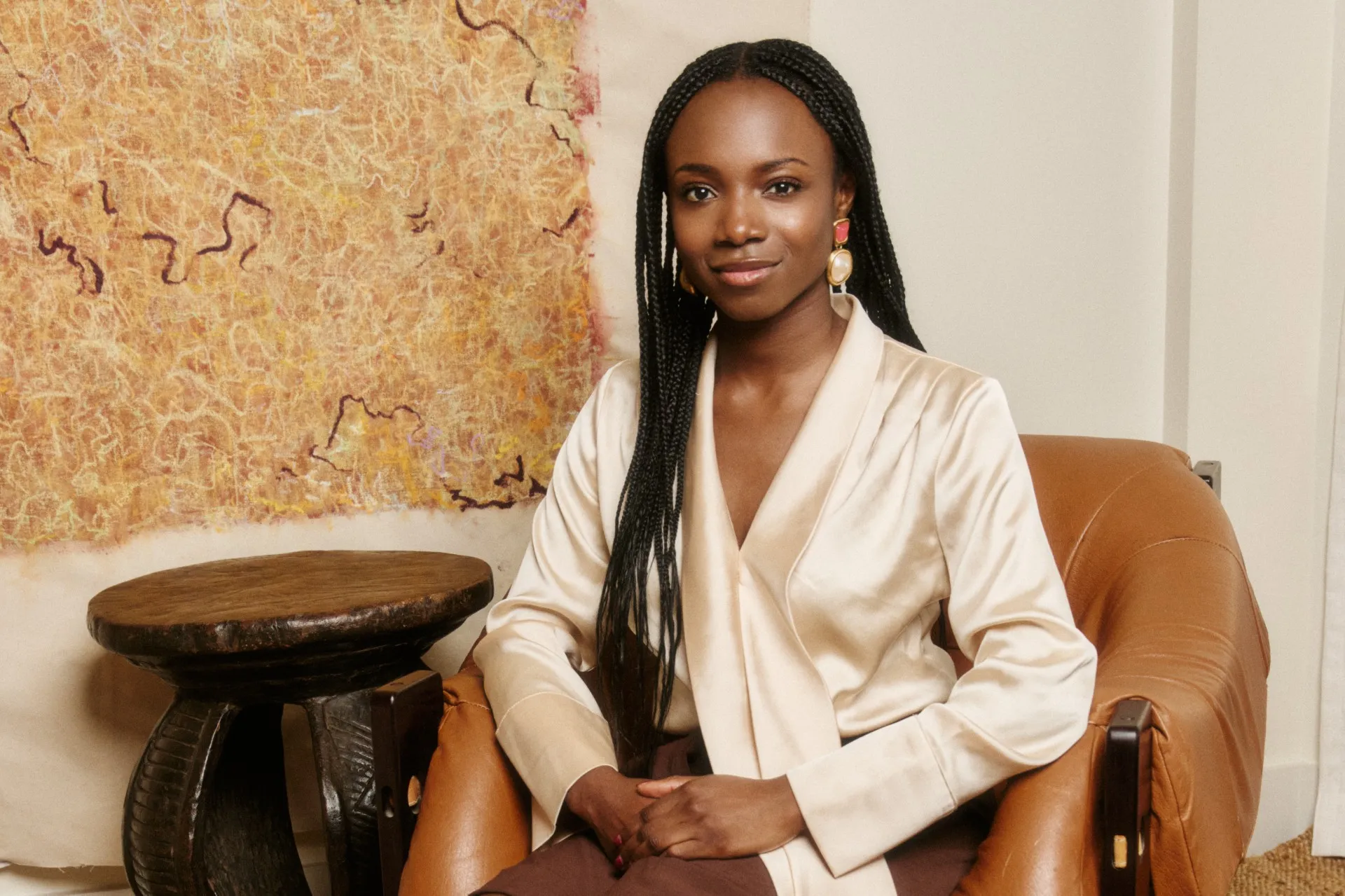
The inspiration for HaloBraid originated from a familiar pandemic-era frustration. Founder and CEO Yinka Ogunbiyi found herself isolated in a London apartment during the COVID-19 lockdowns and attempted to braid her own hair. What followed was a grueling, four-day ordeal that highlighted the profound inefficiencies inherent in manual hair styling.
Ogunbiyi brings a unique interdisciplinary background to the beauty-tech sector. Holding an MS in engineering from Harvard University and an MBA, she previously founded a smart cooking appliance company. Rather than viewing the challenge merely as a personal grooming inconvenience, Ogunbiyi analyzed hair braiding through the lens of a complex technical problem waiting to be engineered.
Following years of intensive research, prototyping, and development alongside a dedicated team of approximately 15 professionals, Ogunbiyi established HaloBraid to redefine textured haircare. The newly secured $7 million seed round—which also saw participation from prominent venture capital firms AlleyCorp and Bling Capital—will be strategically deployed to accelerate product development, scale manufacturing operations, and establish foundational partnerships with hair salons ahead of the device’s commercial debut later this year.
Engineering Precision: How the HaloBraid Assistant Works
Developing a robotic device capable of managing human hair has historically stymied inventors due to the unpredictable and delicate nature of the material. Ogunbiyi has frequently described human hair as one of the trickiest substrates in the world to manipulate mechanically. To overcome this hurdle, the HaloBraid engineering team drew methodologies from disparate fields, ranging from advanced material science to industrial inkjet printing.
While specific mechanical details remain closely guarded under a portfolio of pending patents, the company has clarified the core functionality of its flagship product. The device is not designed to replace professional hair stylists entirely, but rather to function as a high-tech assistant. A professional stylist initiates the braiding process by hand, setting the foundation and securing the hair at the scalp. Once the initial structure is established, the stylist transitions the process to the HaloBraid device, which automatically finishes the remainder of the braid in a matter of seconds.
Designed with hair health and safety as a primary objective, the apparatus is engineered to handle various complex styles, including both traditional box braids and tension-relieving knotless braids, ensuring the final product is both uniform and gentle on the hair shaft.

Market Demand and Economic Implications
The market potential for an automated braiding solution is underscored by extensive consumer data compiled during HaloBraid’s formative research phase. According to company surveys involving 2,000 respondents, an overwhelming 95% of individuals indicated they would opt for braided hairstyles significantly more often if the procedure required less time. Furthermore, industry data estimates that humanity collectively spends approximately 8 billion hours annually on hair braiding.
Beyond consumer inconvenience, the physical toll on professional stylists is a critical driver for market adoption. Hair braiders frequently endure grueling work schedules that lead to chronic occupational health issues, including severe repetitive strain injuries such as carpal tunnel syndrome and arthritis. By introducing automation to the most repetitive phases of the styling process, HaloBraid aims to alleviate physical fatigue for professionals while simultaneously increasing salon turnover and revenue generation.
Investor Confidence and Industry Validation
The commercial viability of HaloBraid caught the attention of prominent investors, most notably Alexis Ohanian, co-founder of Reddit and founding partner of Seven Seven Six. Ohanian’s personal connection to the demographic and the issue provided unique insight into the market gap. Married to tennis legend Serena Williams—who has frequently showcased intricate braided hairstyles on the global sports stage—and raising two Black daughters who wear braided styles, Ohanian has firsthand experience with the immense time investment required for these looks.
In statements regarding the investment, Ohanian noted the stark contrast between the heavy investment in consumer technology for straight hair types—such as Dyson’s revolutionary hair dryers and styling tools—and the historical underinvestment in technology tailored for textured hair. Despite this oversight, textured hair represents a highly loyal, highly engaged demographic eager to invest in quality solutions.
Ohanian compared the venture to other hardware-focused investments in his portfolio, such as aerospace firm Stoke and asteroid mining enterprise AstroForge, asserting that an automated hair-braiding apparatus is not only eminently buildable but represents a highly differentiated product with a clear and executable go-to-market strategy.
Future Roadmap and Broader Industry Vision
As HaloBraid prepares for its official commercial launch later this year, the leadership team is already looking beyond its initial hardware release. Ogunbiyi and her team are conceptualizing complementary devices designed to streamline other labor-intensive aspects of textured hair maintenance—most notably, a specialized tool designed to safely and rapidly undo braids, a deconstruction process that frequently consumes just as much time as the initial installation.
The broader corporate vision for HaloBraid extends far beyond a single efficiency-driven tool. The startup aims to pioneer a new category of beauty technology that transforms textured haircare into a faster, more comfortable, and universally accessible experience. By bridging the gap between ancestral cultural traditions and cutting-edge robotics, HaloBraid is positioning itself at the forefront of a modern industrial evolution within the global beauty and wellness sector.