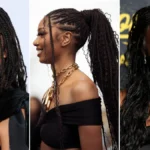





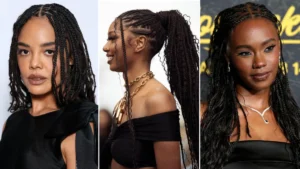
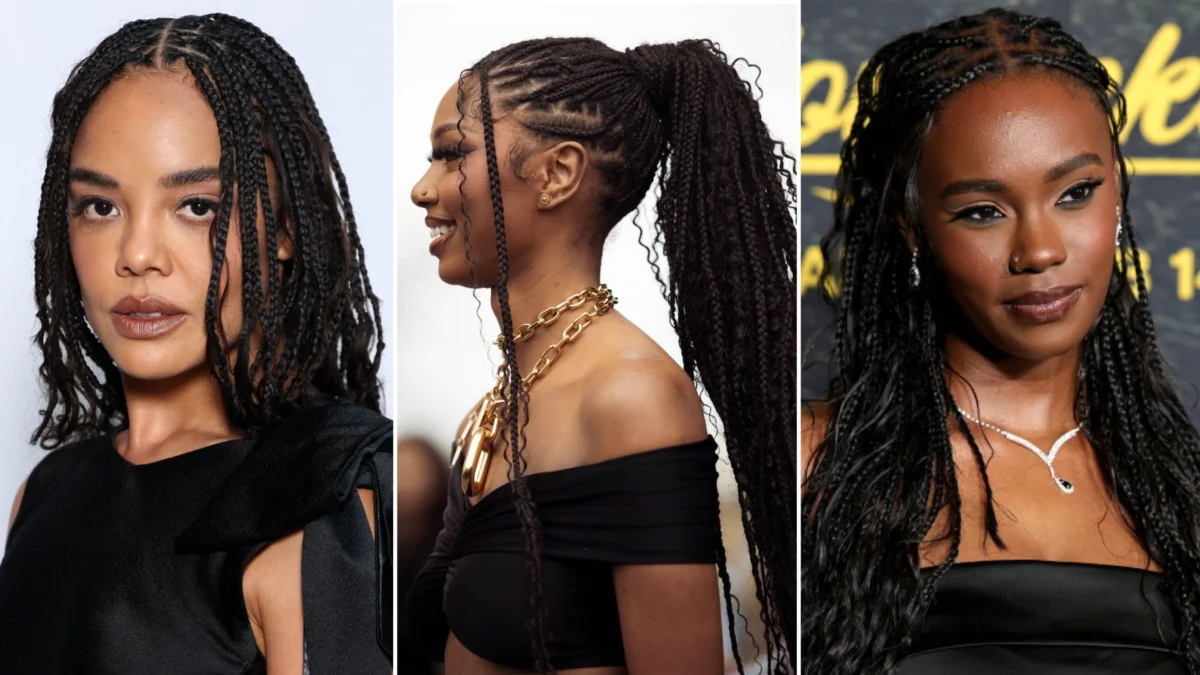
Goddess braids have firmly established themselves as a dominant aesthetic in contemporary hair fashion, bridging the gap between traditional protective styling and high-fashion editorial looks. Characterized by their signature loose, flowing curls integrated into knotless plaits, these braids have evolved from a niche trend into a staple in the beauty industry. While the nomenclature remains fluid—often conflated with "boho" or "mermaid" braids—the underlying structure of the style represents a significant technical shift in how stylists approach hair tension, scalp health, and long-term protective maintenance for those with textured hair.

The Technical Evolution of Braiding Styles
To understand the current popularity of goddess braids, one must examine the broader evolution of braiding techniques within the African diaspora. Historically, traditional cornrows and box braids were defined by a "knot" at the base, where synthetic hair was anchored to the natural hair at the scalp. While effective for longevity, these styles often exerted excessive pressure on the hairline and follicles, frequently leading to traction alopecia and physical discomfort.

The emergence of the "knotless" method marked a paradigm shift in the early 2020s. By incorporating hair gradually into the braid rather than anchoring it with a knot, stylists significantly reduced the weight and tension at the root. Goddess braids are an aesthetic extension of this knotless foundation. By adding curly human or high-quality synthetic hair strands throughout the length of the braid, the style achieves a multidimensional, romantic, and ethereal appearance that distinguishes it from the rigid, uniform braids of the 1990s and early 2000s.

Definitional Ambiguity and Professional Perspectives
The terminology surrounding goddess braids is notably inconsistent. Industry professionals often debate the precise placement and volume of the loose curls that define the look. For some stylists, such as New York-based professional Susy Oludele, true goddess braids are characterized by a clean, defined braid with minimal, strategic curl placement to maintain a sophisticated finish. Conversely, other stylists argue that the style’s defining feature is a higher volume of loose hair, which creates a fuller, more textured, and less braid-dominant aesthetic.

This lack of standardization is not merely semantic; it reflects the broader creative autonomy within the braiding industry. Because there is no singular institutional definition for a "goddess braid," the final result is highly dependent on the individual braider’s technique and the client’s preference. This versatility is a major driver of the style’s popularity, as it allows for customization ranging from minimal, office-appropriate looks to voluminous, high-fashion styles.

The Intersection of Aesthetics and Scalp Health
The popularity of goddess braids can be attributed to a growing consumer demand for "health-conscious" beauty practices. As awareness regarding hair loss and scalp tension increases, consumers are moving away from heavy, high-tension styles. Industry data suggests that the "protective style" market has seen a consistent growth rate, with more clients prioritizing styles that allow for scalp access and reduced follicle stress.

The shift toward knotless, goddess-style braids aligns with these health-conscious trends. By distributing the weight of the hair more evenly and avoiding the anchor point of a knot, the style minimizes the physical burden on the scalp. Experts note that when installed correctly, these braids provide a sustainable, long-term protective option that preserves the integrity of the natural hair underneath.

Economic and Logistical Considerations
From an economic standpoint, the installation of goddess braids is a significant investment. Prices generally range between $300 and $500, though this can vary wildly depending on geographic location, the complexity of the design, the length of the hair, and the quality of the braiding hair used.

One critical point of friction for consumers is the inclusion of materials in the service price. As braiders have moved toward professionalizing their business models, many now include high-quality hair extensions in their base rates, while others offer a "labor-only" model that requires the client to purchase their own hair. Experts strongly advise clients to confirm whether hair is provided during the initial consultation to prevent unexpected costs. Furthermore, the use of human hair versus synthetic hair significantly impacts both the cost and the maintenance requirements of the style. Human hair, while more expensive, allows for more realistic movement and heat styling, but it requires a more rigorous care regimen to prevent matting and tangling.

Maintenance Protocols for Long-Term Health
Maintaining the longevity and appearance of goddess braids requires a disciplined approach. Professionals recommend a multi-faceted routine to ensure the health of both the scalp and the extensions:

- Scalp Hygiene: A clean scalp is essential. Experts recommend oiling the scalp two to three times per week and performing a deep cleaning every two to three weeks using an applicator bottle filled with diluted, clarifying shampoo. This prevents the buildup of sweat and product, which can lead to inflammation and breakage.
- Curl Care: For styles using loose human hair, the curls must be manually detangled. Using a soft-bristled brush, the wearer should gently work from the ends upward, holding the braid steady to ensure no tension is placed on the natural hair.
- Overnight Protection: Friction is the primary enemy of any braided style. Sleeping with a satin bonnet or on a satin pillowcase is mandatory to minimize frizz. Furthermore, tying the hair into two larger sections or loose, low-tension braids before sleep helps maintain the structure of the style for the duration of its wear.
- Professional Removal: The most common mistake is leaving a protective style in for too long. While the aesthetic may hold for months, the integrity of the natural hair is compromised if the style is kept in longer than six to eight weeks. Proper removal, including gentle detangling and deep conditioning, is crucial to reaping the benefits of the protective period.
Broader Implications of the Trend
The ascent of the goddess braid is indicative of a broader cultural movement in the beauty industry: the reclamation and elevation of traditional Black hair textures and styling techniques. By blending technical innovation—such as the transition to knotless methods—with an appreciation for natural-looking volume and movement, the beauty industry has successfully modernized a classic aesthetic.

The economic impact of this trend is equally significant. As the demand for complex, high-maintenance braided styles continues to grow, the role of the professional braider has become more essential. This has led to increased demand for formal training and certification in braiding techniques, elevating the profession and providing more robust career paths for stylists.

Moreover, the popularity of these styles in mainstream media and on social platforms has accelerated the normalization of protective hairstyles in professional environments. As women increasingly opt for styles that prioritize both aesthetic expression and hair health, the industry is forced to respond with more innovative, less damaging products and techniques.

Future Outlook
As we look toward the future, the longevity of the goddess braid as a trend appears stable. The shift toward natural, low-tension, and versatile hairstyles is not a fleeting trend but a long-term adjustment in beauty standards. Manufacturers of hair extensions are already responding by creating higher-quality, more realistic synthetic fibers that mimic the texture and bounce of human hair, making the goddess look more accessible and durable for a wider demographic.

Ultimately, the "goddess" aesthetic serves as a bridge between the past and the present. It acknowledges the rich history of braiding in African culture while embracing modern technical advancements that prioritize the well-being of the wearer. Whether styled in a sleek ponytail, a romantic lob, or an intricate updo, the goddess braid remains a testament to the ingenuity and creativity inherent in textured hair care. For those seeking a balance between high-fashion allure and structural hair health, it remains, perhaps, the most effective stylistic solution currently available in the modern salon.